
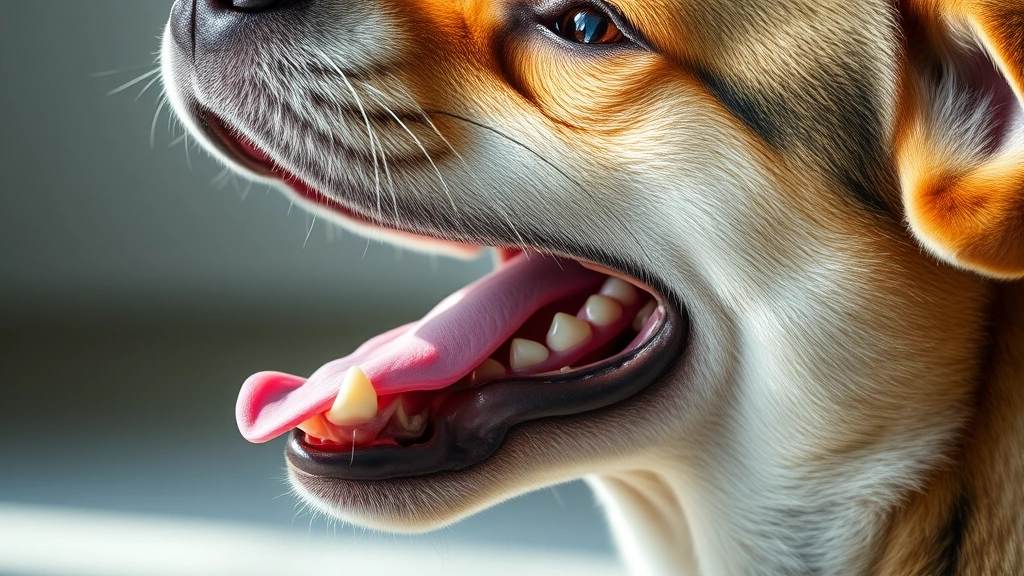
If your dog’s chin looks like it just went swimming, you’re not alone—excessive drooling in dogs is one of those quirky issues that can range from totally harmless to “we need to call the vet yesterday.” Some pups are just natural drool machines (looking at you, Saint Bernards), but when Fido suddenly transforms into a furry water fountain, it’s time to play detective.
Table of Contents
- Why Is My Dog Drooling So Much? The Quick Answer
- Cause #1: Dental Disease and Tooth Problems
- Cause #2: Oral Growths and Tumors
- Cause #3: Foreign Objects and Choking Hazards
- Cause #4: Nausea and Gastrointestinal Issues
- Cause #5: Neurological Issues and Facial Nerve Problems
- When Drooling Is Actually Normal (Seriously)
- How to Tell If It’s an Emergency
- What Your Vet Will Do
- Treatment Options and Prevention
- The Bottom Line on Excessive Drooling in Dogs
- Frequently Asked Questions
The truth? Drool isn’t always just drool. It can be a sign of anything from dental disease to something more serious. Let’s break down what’s really going on in that slobbery mouth of yours.
Why Is My Dog Drooling So Much? The Quick Answer
Dogs drool for tons of reasons. Some breeds are genetically predisposed to it—Bulldogs, Mastiffs, and Bloodhounds basically come with drool as a factory feature. But sudden excessive drooling? That’s your dog’s way of saying something’s off. It could be as simple as excitement or anxiety, or it could signal a dental nightmare, an oral tumor, or even a neurological issue. The key is knowing the difference between “my dog is a drool factory” and “my dog needs medical attention.”
Cause #1: Dental Disease and Tooth Problems
Here’s a fun fact nobody wants: dental disease affects about 80% of dogs over age three. And guess what one of the first signs is? Yep, excessive drooling. When your pup has a cracked tooth, abscess, or tartar buildup, their mouth is basically screaming for help.
Bad breath that could knock over a moose, difficulty eating, or pawing at the mouth are all red flags. Your vet might recommend a professional cleaning or extraction. Don’t skip the dental care—it’s not just about fresh breath; untreated dental disease can lead to serious infections that spread to the heart and kidneys.
If you suspect dental issues, telehealth vet appointments can be a quick first step to get professional eyes on the problem before scheduling an in-person exam.
Cause #2: Oral Growths and Tumors
This one’s scary but important. Oral tumors in dogs can cause excessive drooling, especially if the growth is interfering with normal swallowing or saliva production. Melanomas, squamous cell carcinomas, and other nasties can pop up in your dog’s mouth without much warning.
Look for lumps, bumps, or discolored tissue inside the mouth. Older dogs and certain breeds (like Cocker Spaniels and Boxers) are at higher risk. Early detection makes a huge difference, so if you notice anything weird, get it checked immediately. Your vet might recommend imaging or a biopsy to figure out what you’re dealing with.
Cause #3: Foreign Objects and Choking Hazards
Dogs are basically tiny, furry chaos agents. A stick, tennis ball fuzz, or piece of rawhide lodged in the throat or mouth will absolutely trigger drooling, along with gagging, difficulty swallowing, or distress. Some dogs will paw frantically at their mouths; others just look miserable.
If you suspect a foreign object, don’t wait. This is a potential emergency. If your dog is actively choking or gasping, call your vet or emergency clinic immediately. If it’s just stuck and causing discomfort, you’ll still need professional help to remove it safely—DIY extraction can cause more damage.
Cause #4: Nausea and Gastrointestinal Issues
Dogs drool when they feel sick. It’s that pre-vomit sensation we all know too well. Nausea from food reactions, inflammatory bowel disease, pancreatitis, or even CHF in dogs can trigger excessive drooling. You might also notice vomiting, loss of appetite, or diarrhea.

If your dog’s drooling is paired with any of these symptoms, especially if it lasts more than a day, it’s time for a vet visit. Online vet advice for food reactions can help you identify if a dietary change might be the culprit, but persistent symptoms need in-person diagnostics.
Feeding quality ingredients matters too. Check out what dogs can eat and consider skin and coat health foods if digestive sensitivity is an issue.
Cause #5: Neurological Issues and Facial Nerve Problems
Bell’s palsy in dogs (facial nerve paralysis) can cause drooping on one side of the face and excessive drooling because the dog can’t control their facial muscles properly. Other neurological conditions like seizures, stroke, or brain tumors can also present with drooling as a symptom.
If you notice asymmetrical facial drooping, difficulty blinking, or drooling on just one side of the mouth, this is a red flag for a neurological issue. Your vet will likely recommend imaging (ultrasound, X-ray, or MRI) to figure out what’s happening. Online pet diagnostics can help you understand test results and next steps before your appointment.
When Drooling Is Actually Normal (Seriously)
Let’s be clear: some dogs are just drippy. Breeds with loose lips and hanging jowls—Basset Hounds, Boxers, Saint Bernards, Mastiffs—are basically genetically programmed to drool. If your dog has always been a drool machine and shows no other symptoms, you’re probably fine. Just keep a towel handy and embrace the slobber.
Excitement, anxiety, and the anticipation of food are also totally normal drool triggers. If your dog drools only when you’re prepping dinner or heading to the park, that’s just enthusiasm talking.
How to Tell If It’s an Emergency
Excessive drooling becomes a medical emergency if it’s accompanied by:
- Difficulty breathing or gasping
- Inability to swallow
- Visible distress or pain
- Sudden onset with neurological symptoms (loss of coordination, confusion)
- Swelling around the face or throat
- Uncontrollable drooling that won’t stop
When in doubt, call your vet. They’d rather you be cautious.
What Your Vet Will Do
A thorough oral exam is the starting point. Your vet will check for dental disease, growths, foreign objects, and signs of pain. They might recommend blood work to rule out systemic issues like kidney disease or diabetes. If something suspicious shows up, imaging (X-rays or ultrasound) might be next. In some cases, a biopsy is needed to confirm what you’re dealing with.
Treatment Options and Prevention
Treatment depends entirely on the cause. Dental cleaning and extractions fix dental disease. Tumors might require surgery, radiation, or chemotherapy. Foreign objects need removal. Nausea-related drooling often resolves once you address the underlying GI issue. Neurological problems are trickier and might require long-term management or medication.

Prevention is your best friend. Regular dental care, monitoring what your dog eats, keeping toys and hazards out of reach, and routine vet checkups catch problems early. Brush those teeth, feed quality food, and don’t ignore changes in your dog’s behavior or appearance.
The Bottom Line on Excessive Drooling in Dogs
Excessive drooling in dogs isn’t always a big deal, but it’s never something to completely ignore. The difference between normal drool and a warning sign often comes down to context. Is your dog acting normal otherwise? Is this their baseline? Or did something suddenly change?
When in doubt, get professional input. Your vet has seen a thousand drooling dogs and can quickly determine if you’re dealing with a harmless quirk or something that needs treatment. Don’t let embarrassment keep you from asking—vets love dogs way more than they judge slobbery chins.
Frequently Asked Questions
Is excessive drooling always a sign of a serious problem?
Not necessarily. Many dogs drool naturally due to breed characteristics or personality quirks. However, sudden changes in drooling habits or drooling accompanied by other symptoms (bad breath, difficulty eating, lethargy) warrant a vet visit. When in doubt, it’s better to be safe than sorry.
Can anxiety cause excessive drooling in dogs?
Yes, absolutely. Stress, anxiety, and fear can trigger drooling in dogs. If your dog drools during thunderstorms, car rides, or vet visits but is otherwise healthy, anxiety is likely the culprit. Calming strategies and possibly anti-anxiety medication might help if it’s a persistent issue.
What’s the difference between normal drool and excessive drooling?
Normal drool is minimal and manageable. Excessive drooling means your dog’s chin is constantly wet, they’re leaving drool trails, or there’s a noticeable increase from their baseline. If you’re wiping their face multiple times a day or noticing new drooling patterns, that’s excessive.
How much does dental cleaning cost for a dog?
Professional dental cleaning typically ranges from $300 to $1,500 depending on your location, your dog’s size, and the severity of the disease. Extractions cost extra. It’s an investment, but preventing serious infections is worth every penny.
Can I treat excessive drooling at home?
It depends on the cause. If it’s stress-related, calming techniques help. If it’s dental-related, professional intervention is non-negotiable. Never try to remove a foreign object yourself or ignore signs of serious illness. Home care is supplementary, not a replacement for veterinary care.





