
If you’re in the market for a furry companion and your wallet is feeling particularly generous, expensive dog breeds might be calling your name. We’re talking about pooches that cost more than a used car, require a second mortgage, and make your neighbors ask uncomfortable questions about your life choices. But here’s the thing—sometimes you really do get what you pay for, especially when it comes to rare, exotic, or championship-caliber dogs.
Table of Contents
- Why Are Some Dog Breeds So Ridiculously Expensive?
- The Tibetan Mastiff: The $1.95 Million Dog
- French Bulldogs: Cute Chaos at Premium Prices
- Chow Chow: The Fluffy Aristocrat
- Rottweilers and German Shepherds: Premium Working Breeds
- The Samoyed: Fluffy Cloud Pricing
- Dogo Argentino: Rare Hunting Heritage
- English Bulldogs: Breeding Challenges Equal Big Costs
- Akita: Japanese Noble Guardian
- Tibetan Terrier: Small Price, Big Expense
- Shar Pei: Wrinkled Royalty
- Health and Longevity: What You’re Really Paying For
- The Hidden Costs of Expensive Dog Breeds
- Finding the Right Breeder for Expensive Dog Breeds
- Frequently Asked Questions
- Making Your Decision: Is an Expensive Dog Breed Right for You?
- The Bottom Line on Expensive Dog Breeds
Why Are Some Dog Breeds So Ridiculously Expensive?
Before we dive into the elite canine club, let’s talk about why expensive dog breeds command such jaw-dropping prices. It’s not just about bragging rights (though let’s be honest, that’s part of it). Premium pricing comes from several factors: rarity, breeding costs, health screening, pedigree lines, and sometimes just plain old supply and demand. Breeders of high-end pups invest thousands in genetic testing, health certifications, and maintaining pristine bloodlines. Plus, some breeds are simply harder to produce, with lower litter sizes or more complicated breeding requirements.
The Tibetan Mastiff: The $1.95 Million Dog
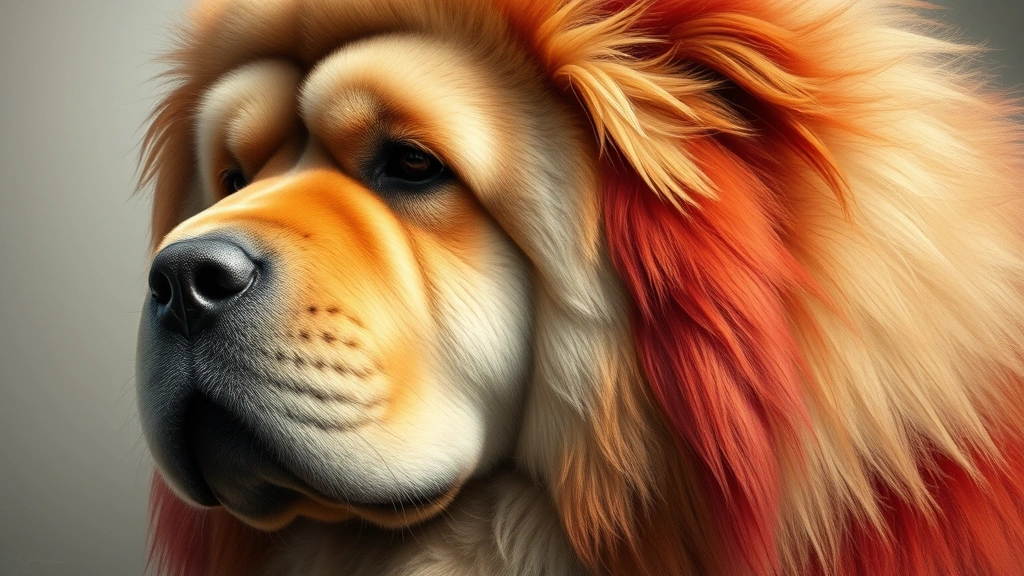
Let’s start with the heavyweight champion of expensive dog breeds. The Tibetan Mastiff holds the record for the most expensive dog ever sold—a red-colored pup named Big Splash went for a whopping $1.95 million in China back in 2011. These massive, lion-like dogs were originally bred to protect livestock in the Himalayas, and they’re about as independent and stubborn as they come. A typical Tibetan Mastiff will set you back $5,000 to $10,000, though some can exceed $100,000. They’re beautiful, intimidating, and require an owner who actually knows what they’re doing.

French Bulldogs: Cute Chaos at Premium Prices
Don’t let their adorable bat ears fool you—French Bulldogs are among the most expensive dog breeds on the market today, often ranging from $1,500 to $8,000 for a quality pup. Why so pricey? These little guys have serious breeding challenges. Their flat faces and compact bodies make natural breeding difficult, and many require artificial insemination. They’re also prone to health issues, so responsible breeders invest heavily in genetic screening. If you want a champion-bloodline Frenchie, you’re looking at premium prices for a premium pup.
Chow Chow: The Fluffy Aristocrat
With their distinctive blue-black tongues and lion-like manes, Chow Chows are among the most recognizable—and most expensive—dog breeds. Prices typically range from $3,000 to $8,500, with show-quality specimens commanding even more. These ancient Chinese dogs were bred as temple guardians, and they carry themselves with aristocratic dignity. They’re not the friendliest breed toward strangers, but if you’re looking for a loyal, independent companion with serious wow factor, a Chow Chow delivers.

Rottweilers and German Shepherds: Premium Working Breeds
When we talk about expensive dog breeds in the working category, Rottweilers and German Shepherds deserve mention. While not as expensive as some exotics, championship-bloodline specimens from elite breeders can cost $5,000 to $15,000 or more. These breeds are expensive because quality matters—you’re paying for temperament, health certifications, and working ability. A well-bred German Shepherd or Rottweiler from a reputable breeder is an investment in a dog with proven genetics and proper socialization.
The Samoyed: Fluffy Cloud Pricing
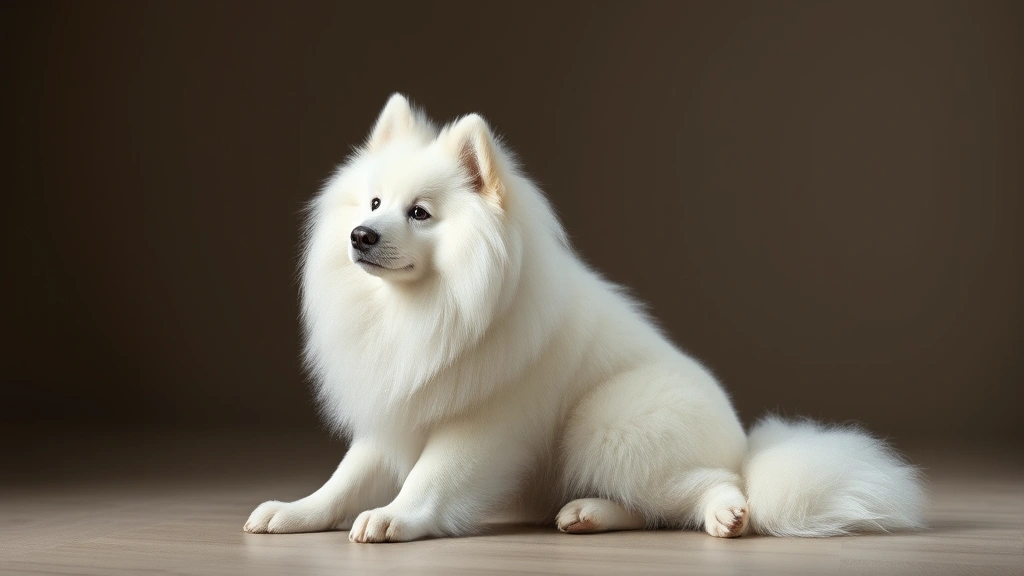
Samoyeds look like they walked straight out of a fairy tale, and their price tags reflect that dreamlike status. Expect to pay $4,000 to $11,000 for a quality Samoyed from a reputable breeder. These beautiful, white-coated dogs were originally bred in Siberia to herd reindeer and keep people warm at night (yes, really). Their thick double coats require serious grooming commitment, and their friendly, social nature means they need engaged owners. They’re expensive, but they’re also absolutely stunning.
Dogo Argentino: Rare Hunting Heritage
The Dogo Argentino is a relatively rare breed in most parts of the world, which drives up its price considerably—anywhere from $4,000 to $9,000 for a quality pup. These muscular, white hunting dogs were developed in Argentina to hunt big game, and they’re not for novice dog owners. They require experienced handlers who understand their prey drive and need for socialization. Their rarity and specialized breeding requirements make them one of the pricier expensive dog breeds on the market.
English Bulldogs: Breeding Challenges Equal Big Costs
English Bulldogs are another breed where expensive dog breeds pricing reflects serious breeding challenges. You’ll typically spend $3,000 to $9,000 on an English Bulldog, with some specialty bloodlines exceeding $10,000. Like French Bulldogs, these stocky pups often require artificial insemination and cesarean sections, making each puppy an expensive medical undertaking. Their health issues are well-documented, so responsible breeders invest heavily in health screening and genetic testing. If you want a healthy English Bulldog, you’re going to pay for that health investment.

Akita: Japanese Noble Guardian
Akitas are large, powerful dogs with serious presence, and their price tags match their stature. Quality Akitas from reputable breeders typically cost $3,500 to $7,000, with show-quality specimens reaching higher. These Japanese dogs were originally bred to guard nobility and hunt large game. They’re independent, loyal to their families, and require experienced ownership. Their rarity outside Japan and their specialized breeding needs make them consistently expensive dog breeds worth investigating if you want a truly unique companion.
Tibetan Terrier: Small Price, Big Expense
Don’t let the “terrier” designation fool you—Tibetan Terriers are medium-sized dogs with big price tags, typically ranging from $2,000 to $4,000. These dogs were bred by Tibetan monks as companions and guardians, and they carry that spiritual heritage with them. Their long, flowing coats require significant grooming maintenance, which adds to their lifetime cost. They’re among the smaller expensive dog breeds, but their rarity and specialized grooming needs keep them in the premium category.

Shar Pei: Wrinkled Royalty
Shar Peis, with their distinctive wrinkled skin and blue-black tongues, are among the most unique-looking expensive dog breeds. Prices typically range from $2,000 to $4,000, though show-quality specimens can exceed that. These Chinese dogs require experienced owners who understand their specific health needs—those adorable wrinkles need regular cleaning, and their skin requires special care. Their rarity in some regions and specialized grooming and health requirements keep them in the expensive category.
Health and Longevity: What You’re Really Paying For
Here’s something important to understand about expensive dog breeds: you’re often paying for health. Responsible breeders of premium pups invest in genetic testing, health screenings, and careful breeding practices to minimize hereditary diseases. This costs money—serious money. When you purchase from a quality breeder, you’re getting a health guarantee and a dog bred specifically to avoid common breed problems. Cheaper puppies from backyard breeders or puppy mills might seem like a bargain until you’re facing $5,000 veterinary bills for preventable genetic conditions. Quality breeding is an investment in your dog’s longevity and quality of life.

The Hidden Costs of Expensive Dog Breeds
Before you commit to purchasing one of these premium pups, understand that the initial purchase price is just the beginning. Expensive dog breeds often come with expensive ongoing costs. Grooming for breeds like Samoyeds and Shar Peis can run $100-$300 per appointment, and many need professional grooming every 6-8 weeks. Specialized nutrition, health supplements like collagen for dogs, and preventive veterinary care add up quickly. Large breeds eat more, require more exercise, and sometimes need specialized training. Factor in these costs before taking the plunge.
Finding the Right Breeder for Expensive Dog Breeds
If you’re seriously considering purchasing one of these expensive dog breeds, finding a reputable breeder is absolutely critical. Look for breeders who are members of breed clubs, participate in dog shows, and can provide extensive health certifications. A quality breeder will want to interview you extensively, provide health guarantees, and remain available for questions throughout your dog’s life. They’ll also take the dog back if things don’t work out. Avoid anyone who just wants your money and doesn’t ask questions about your living situation and experience with dogs.

Frequently Asked Questions
Are expensive dog breeds always healthier?
Not necessarily, but expensive dog breeds from reputable breeders tend to be healthier because responsible breeders invest in genetic testing and health screening. The key is purchasing from a quality breeder, not just paying a high price. Backyard breeders and puppy mills might charge high prices without providing any health guarantees.
What’s the most expensive dog breed?
The Tibetan Mastiff holds the record for the most expensive dog ever sold (the $1.95 million Big Splash), but in terms of typical pricing, French Bulldogs and Chow Chows consistently command premium prices due to breeding challenges and rarity.

Are expensive dog breeds better pets?
Expensive doesn’t automatically mean better. The best dog for you depends on your lifestyle, experience level, and what you’re looking for in a companion. A well-bred, moderately-priced dog from a responsible breeder might be a better fit than a premium expensive breed that doesn’t match your needs.
Should I consider rescue dogs instead?
Absolutely! Many purebred dogs end up in rescues and breed-specific sanctuaries. You can often find expensive dog breeds at rescues for a fraction of the purchase price, though they may not come with the health guarantees of a breeder-purchased pup. Adoption is a wonderful option if you’re flexible about age and background.
What makes a dog breed expensive?
Factors include rarity, breeding difficulty, health screening costs, pedigree, demand, and sometimes just location. Breeds requiring artificial insemination or cesarean sections, like French Bulldogs, are inherently more expensive to produce.
How much do expensive dog breeds cost to maintain?
Beyond the initial purchase price, expect to spend $100-$300 monthly on grooming for high-maintenance breeds, plus premium nutrition and regular veterinary care. Large breeds eat more, so food costs can be substantial. Budget accordingly before committing.
Making Your Decision: Is an Expensive Dog Breed Right for You?
Expensive dog breeds aren’t just status symbols—they’re living, breathing companions that deserve commitment, proper care, and experienced ownership. Before dropping serious cash on a premium pup, honestly assess whether you have the time, resources, and experience to provide what these dogs need. Some require extensive grooming, others need experienced handling due to their independent nature, and many have specific health considerations that require ongoing attention. Check out our guides on specific breeds like the Cavachon Dog, Colorado Mountain Dog, and Carolina Dog Breed for more insights into different breed characteristics and requirements. You might also want to explore Coonhound Dog breeds if you’re interested in hunting heritage.
If you’re an active person looking to support your dog’s high energy, consider energy boosting foods for active pets as part of your ongoing care strategy. These premium nutrition options can significantly impact your expensive dog breed’s health and longevity.
The Bottom Line on Expensive Dog Breeds
Yes, expensive dog breeds cost a lot of money upfront. Yes, they require significant ongoing investment. But for the right owner, they offer unique characteristics, impressive pedigrees, and the satisfaction of owning a truly special companion. The key is doing your research, finding a reputable breeder, and understanding what you’re committing to. Check out authoritative resources like the American Kennel Club (AKC) for breed standards and breeder directories, PetMD for health information specific to expensive breeds, and breed-specific clubs for detailed guidance. Whether you go with a Tibetan Mastiff, French Bulldog, or any other expensive dog breed, make sure it’s the right choice for your lifestyle and experience level. Because at the end of the day, the most expensive dog is worthless if it doesn’t fit your life—and the best dog is priceless regardless of what you paid for it.





