
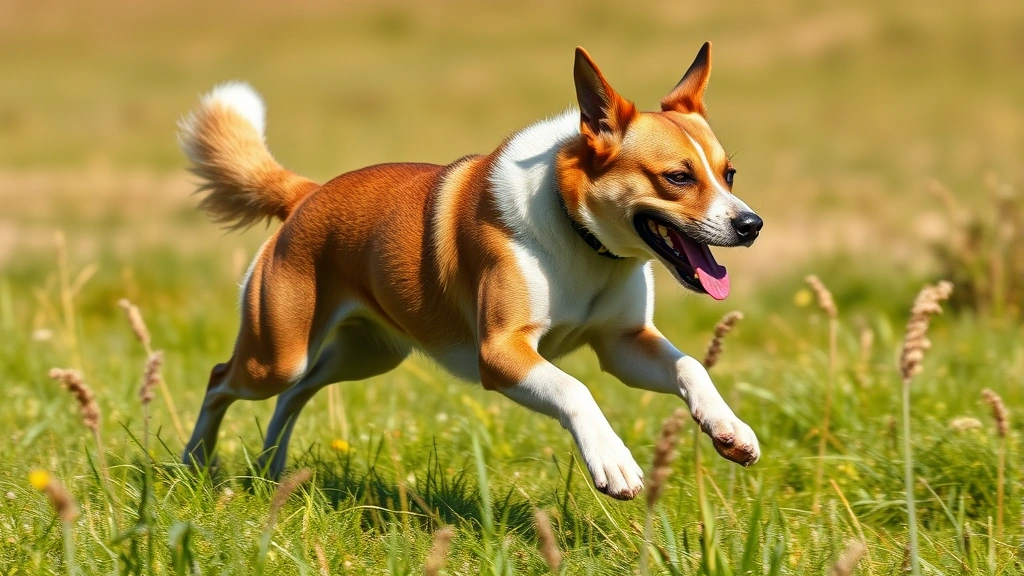
Feeding active vs inactive dogs requires completely different nutritional strategies, and getting it wrong can lead to obesity, lethargy, or nutritional deficiencies that’ll haunt your pup for years. Your couch potato and your marathon-running Border Collie have wildly different caloric needs, and treating them the same way is like feeding a marathon runner the same portions as a desk jockey—it just doesn’t work.
Table of Contents
- Understanding Your Dog’s Activity Level
- Caloric Needs: The Math Behind the Kibble
- Protein Requirements for Active Dogs
- Fat Content: Fuel for the Engine
- Portion Control for Inactive Dogs
- Feeding Strategies for High-Energy Dogs
- Timing Meals Around Exercise
- Monitoring Weight and Body Condition
- Special Considerations for Aging Active Dogs
- Supplements and Nutritional Gaps
- Common Feeding Mistakes to Avoid
- Frequently Asked Questions
- Conclusion: Tailoring Nutrition to Your Dog’s Lifestyle
Understanding Your Dog’s Activity Level
Before you can properly feed your dog, you need to honestly assess how active they really are. Many dog owners overestimate their pet’s activity level because they take them on a 20-minute walk and think they’ve earned an Olympic medal. A truly active dog is one that exercises intensely for at least 60-90 minutes daily, engages in structured activities like agility training, or works as a service or herding dog. An inactive dog? That’s your buddy who gets a casual stroll around the block and spends the rest of the day napping on the couch. Most dogs fall somewhere in between, which is why understanding the spectrum matters so much.
Caloric Needs: The Math Behind the Kibble
The baseline caloric requirement for dogs is measured using Resting Energy Expenditure (REE), multiplied by an activity factor. An inactive dog typically needs about 1.2-1.4 times their REE, while an active dog might need 1.6-2.0 times or even higher. A 50-pound inactive dog might need around 1,000-1,200 calories daily, but that same dog with high activity levels could require 1,600-2,000 calories. This isn’t just about preventing weight gain—it’s about providing the fuel your dog needs to thrive. The Association of American Feed Control Officials (AAFCO) provides guidelines, but every dog is unique.
Protein Requirements for Active Dogs
Active dogs need significantly more protein than their sedentary counterparts. While an inactive dog typically needs about 18% crude protein in their diet, an active dog should get 22-25% or higher, depending on their intensity level. Protein is essential for muscle repair and maintenance, especially when your dog is putting in serious work. Working breeds and high-energy dogs benefit from premium protein sources like chicken, beef, fish, and eggs. Don’t just look at the percentage on the bag—check the ingredient list and ensure protein is coming from quality sources, not just fillers. This is where PetMD’s nutrition resources can guide you toward better choices.
Fat Content: Fuel for the Engine
Fat is often vilified, but it’s absolutely crucial for active dogs. While inactive dogs do fine with 8-10% fat content, active dogs benefit from 12-15% or even higher. Fat provides more than twice the calories per gram compared to protein or carbohydrates, making it an efficient fuel source. It also supports coat health, cognitive function, and hormone production. Just make sure the fat comes from quality sources—fish oil is particularly beneficial for joint health and inflammation management. If your active dog seems sluggish despite adequate portions, insufficient fat intake might be the culprit.
Portion Control for Inactive Dogs
Overfeeding inactive dogs is one of the fastest ways to create an obese, unhappy companion. These dogs need fewer calories because they’re simply not burning them off through activity. The standard feeding guidelines on dog food bags often overestimate needs for sedentary dogs. A good approach is to start with the recommended amount, then monitor your dog’s weight and body condition score. You should be able to feel their ribs without pressing hard, and they should have a visible waist when viewed from above. If your inactive dog is gaining weight, reduce portions by 10-15% and reassess after 4-6 weeks. Consider incorporating Pet Supplement Dosage Guidance to ensure they’re getting essential nutrients without excess calories.
Feeding Strategies for High-Energy Dogs
Active dogs often benefit from multiple smaller meals rather than one large meal daily. This approach stabilizes blood sugar, maintains energy levels throughout the day, and can improve digestion. Many working dog owners feed twice daily, sometimes with a small snack in between intense training sessions. You might also consider adding nutrient-dense toppers like bone broth, sweet potato, or lean meats to boost calories and palatability. Some active dogs actually do better on higher-fat, lower-carb diets, while others thrive on grain-inclusive formulas with plenty of whole grains for sustained energy. Experimentation within reason is key.

Timing Meals Around Exercise
The timing of meals relative to exercise matters more than many dog owners realize. You shouldn’t feed a large meal right before intense activity—this increases the risk of bloat and digestive upset. A good rule of thumb: feed 2-3 hours before vigorous exercise, or wait 1-2 hours after exercise before feeding a full meal. Some active dog owners give a small snack before morning training sessions and the main meal afterward. This strategy prevents your dog from exercising on a full stomach while ensuring they have fuel available. It’s especially important for deep-chested breeds prone to gastric dilatation-volvulus (bloat).
Monitoring Weight and Body Condition
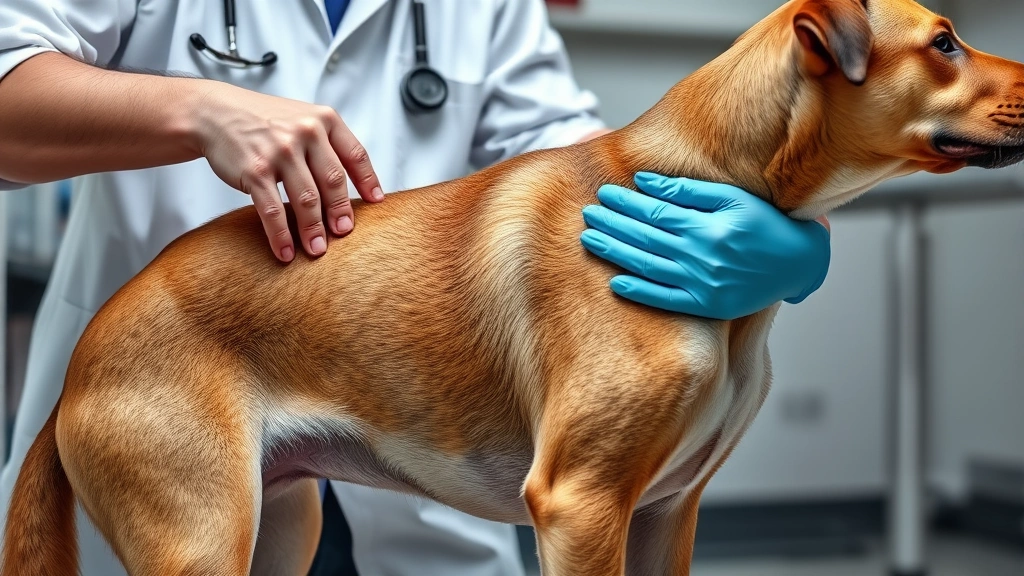
Regular weigh-ins are essential for both active and inactive dogs, but the goals differ. For inactive dogs, you’re primarily preventing obesity and its associated health problems. For active dogs, you’re ensuring they’re maintaining muscle mass and not losing weight despite adequate calories. Body condition scoring is more reliable than weight alone—a dog’s ideal weight depends on their frame, and two dogs of the same weight can look completely different. Your vet can help you establish a target weight and body condition score specific to your dog’s breed and individual characteristics. Check out Pet Health Monitoring for comprehensive guidance on tracking your dog’s wellbeing.
Special Considerations for Aging Active Dogs
As dogs age, their metabolism changes even if their activity level remains high. Senior active dogs often need slightly fewer calories but the same or higher protein to maintain muscle mass. They may also benefit from joint support supplements and omega-3 fatty acids. If your older dog is still working or exercising regularly, don’t automatically cut back on calories—instead, monitor their body condition closely and adjust based on actual needs rather than assumptions. Many aging dogs actually need more calories to maintain muscle mass, which is crucial for mobility and quality of life. Consider exploring Stiffness Relief for Older Pets to support joint health alongside proper nutrition.
Supplements and Nutritional Gaps
Both active and inactive dogs can benefit from targeted supplementation, though active dogs have more specific needs. Joint supplements like glucosamine and chondroitin are valuable for working dogs, while omega-3 supplements support inflammation management and coat health. Antioxidant supplements can help active dogs recover from oxidative stress caused by intense exercise. However, supplementation shouldn’t replace a balanced diet—it should complement it. Before adding supplements, discuss options with your vet to avoid over-supplementation and ensure you’re addressing actual nutritional gaps. Learn more about optimizing supplementation at Pet Longevity Supplements and Pet Antioxidant Supplements.
Common Feeding Mistakes to Avoid
The biggest mistake owners make is using a one-size-fits-all approach to feeding. Your inactive Basset Hound and your active Aussie Shepherd are not the same, and feeding them identically will cause problems. Another common error is assuming expensive food automatically means better nutrition—price doesn’t always correlate with quality. Read ingredient lists, understand your dog’s specific needs, and don’t be swayed by marketing hype. Many owners also fail to adjust portions as their dogs age or their activity levels change. Your dog’s nutritional needs aren’t static, and neither should your feeding strategy be.
Frequently Asked Questions
How much should I feed an inactive dog?
An inactive dog typically needs 1.2-1.4 times their resting energy expenditure. For a 50-pound sedentary dog, this usually translates to 1,000-1,200 calories daily, but individual needs vary. Start with manufacturer recommendations and adjust based on your dog’s body condition score. If they’re gaining weight, reduce portions by 10-15% and reassess after 4-6 weeks.
Can I feed my active dog the same food as my inactive dog, just in larger portions?
Not ideally. While you could technically increase portions, active dogs benefit from higher protein and fat content specifically formulated for their needs. A food designed for maintenance won’t provide the optimal nutrient profile for a working or highly active dog. Consider feeding a performance or active-formula food to your high-energy dog.
What’s the best time to feed an active dog before exercise?
Feed your active dog 2-3 hours before intense exercise to allow proper digestion. After vigorous activity, wait 1-2 hours before feeding a full meal. Some owners give a small snack before morning training and the main meal afterward. This timing prevents digestive upset and reduces bloat risk.
Should I supplement my active dog’s diet?
Many active dogs benefit from joint support supplements, omega-3 fatty acids, and antioxidants. However, supplementation should complement, not replace, a balanced diet. Discuss specific supplement needs with your vet based on your dog’s age, breed, and activity type.
How do I know if my dog is getting too many or too few calories?
Use body condition scoring: you should feel ribs easily without pressing, and your dog should have a visible waist from above. Weigh your dog monthly and track trends. Active dogs shouldn’t lose weight despite high activity, while inactive dogs shouldn’t gain weight. Adjust portions based on these observations.
Do puppies of active breeds need different feeding than inactive breeds?
Yes, puppies destined to be active dogs need careful feeding to support growth without overfeeding, which can cause orthopedic problems. Feed high-quality puppy food formulated for their expected adult size, and follow feeding guidelines closely. Consult your vet about the right amount and frequency for your puppy’s breed and growth trajectory.
Conclusion: Tailoring Nutrition to Your Dog’s Lifestyle
Feeding active vs inactive dogs isn’t complicated once you understand the fundamental differences in their nutritional needs. Active dogs require higher calories, more protein, and more fat to fuel their lifestyle and support muscle maintenance. Inactive dogs need careful portion control to prevent obesity and associated health issues. The key is honest assessment of your dog’s actual activity level, regular monitoring of body condition, and willingness to adjust as your dog ages or their lifestyle changes. There’s no universal perfect diet—only the right diet for your individual dog’s needs. Work with your vet, pay attention to how your dog looks and feels, and don’t be afraid to experiment within reason to find the feeding strategy that keeps your pup thriving at their optimal weight and energy level.





