
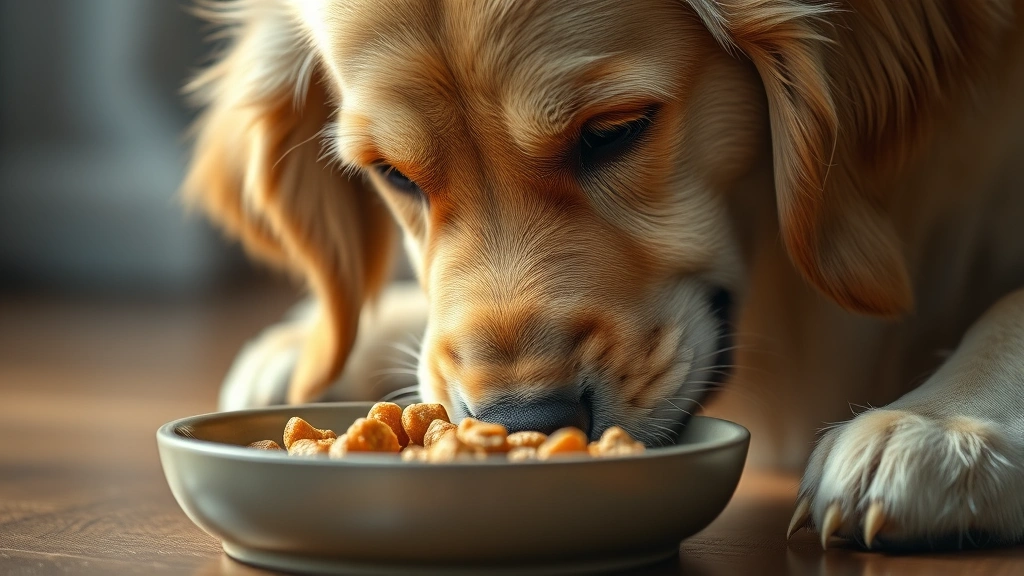
Feeding after dental procedures is one of the most overlooked aspects of pet recovery, yet it’s absolutely critical to getting your furry friend back to their normal, tail-wagging self. Whether your dog just had a cleaning, extraction, or root canal, what you feed them in the days following their procedure can make the difference between a smooth recovery and unnecessary complications.
Table of Contents
- Why Post-Dental Nutrition Matters for Your Pet’s Recovery
- The First 24 Hours: Soft Foods and Gentle Introductions
- Days 2-7: Transitioning to Nutrient-Dense Options
- Managing Sensitivity and Discomfort During Meals
- Hydration is Non-Negotiable After Dental Work
- When to Reintroduce Your Pet’s Regular Diet
- Nutrition Considerations for Extracted Teeth
- Special Considerations for Cats and Small Breeds
- Using Appetite Stimulation When Your Pet Won’t Eat
- Probiotics and Gut Health During Recovery
- Frequently Asked Questions
- Conclusion: Recovery Success Starts with Smart Feeding Choices
Why Post-Dental Nutrition Matters for Your Pet’s Recovery
After your pet goes under anesthesia for dental work, their body needs serious TLC. The mouth is sore, sensitive, and frankly, your pet probably feels like they’ve been through the wringer. But here’s the thing—proper nutrition during feeding during illness and recovery periods isn’t just about comfort; it’s about supporting your pet’s immune system and promoting tissue healing. Your vet isn’t just being cautious when they hand you post-operative instructions; they’re setting your pet up for success.
The gums and tooth sockets need time to heal, and without adequate nutrition, that healing process slows down dramatically. Think of it like this: your pet’s body is essentially running a repair crew, and you need to make sure those workers have all the materials they need to do their job properly.
The First 24 Hours: Soft Foods and Gentle Introductions
The golden rule for the first day after dental procedures? Soft, easy-to-eat foods. I’m talking wet food, not kibble. Most vets recommend sticking to high-quality canned or wet food that requires minimal chewing. Some pet parents swear by bone broth mixed with their dog’s regular wet food—it adds flavor, hydration, and nutrients without requiring any serious jaw action.
Room temperature is your friend here. Cold food can actually increase sensitivity in freshly worked-on teeth, so avoid pulling that can straight from the fridge. Let it sit out for a bit or warm it slightly. Your pet’s mouth is basically a construction zone, and you wouldn’t want to walk into one eating ice cream, right?
Start with smaller portions than usual. A pet with a sore mouth might not want to eat much anyway, and that’s completely normal. Don’t panic if they skip a meal or two—just keep offering soft options throughout the day.
Days 2-7: Transitioning to Nutrient-Dense Options
After the initial 24-hour period, you can start thinking about slightly more substantial soft foods. This is where post-surgery supplements for pets can really shine. Consider adding omega-3 supplements or a quality probiotic to support healing and maintain gut health during this transition period.
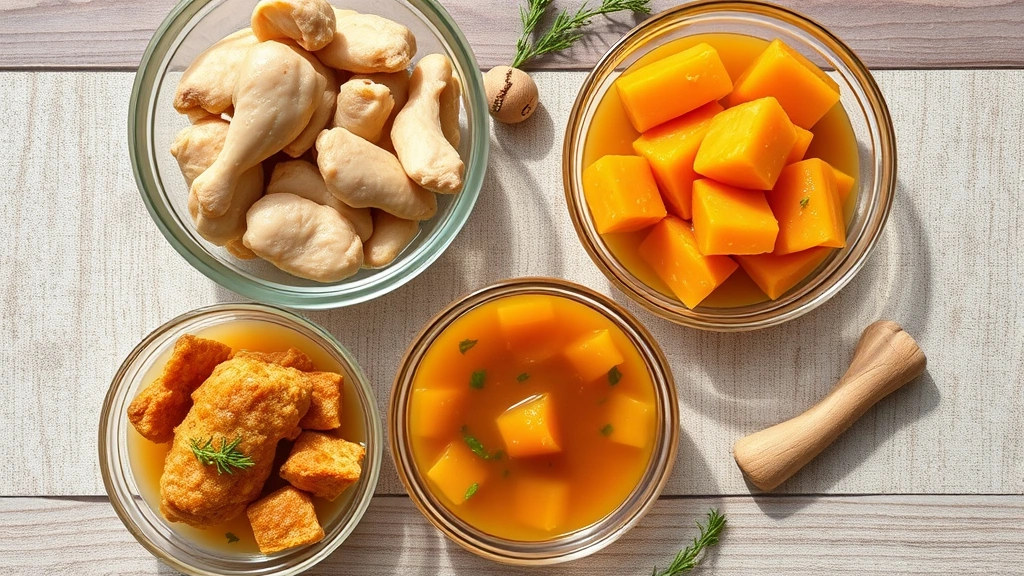
Soft cooked chicken, turkey, or beef mixed with sweet potato or pumpkin puree makes an excellent temporary diet. Eggs are another fantastic option—they’re packed with protein and incredibly easy to eat. You can scramble them, boil them, or even serve them as an egg custard with a little broth. Your pet’s mouth will thank you.
Continue with wet food as the primary diet during this phase. If your pet normally eats kibble, don’t even think about reintroducing it yet. The hard texture can irritate healing tissues and potentially dislodge blood clots, which is a no-go.
Managing Sensitivity and Discomfort During Meals
Some pets experience heightened tooth sensitivity after dental procedures, even if they didn’t have extractions. This is totally normal and usually temporary. If you notice your pet hesitating to eat or seeming uncomfortable, try warming the food slightly more or mixing it with additional broth to make it even easier to consume.
Pain management is crucial here. Your vet will likely prescribe pain medication, and you should administer it as directed—especially before mealtimes if your pet seems particularly sensitive. Never skip doses thinking your pet seems fine; post-operative pain isn’t always obvious, and proper management actually speeds up healing.
Some pets benefit from eating in a slightly elevated position. A raised food bowl can reduce the strain on their healing mouth and make the whole experience less uncomfortable. It’s a small adjustment that can make a big difference in their willingness to eat.
Hydration is Non-Negotiable After Dental Work
While we’re talking about feeding after dental procedures, we absolutely must discuss hydration. Pets often drink less water when their mouth is sore, which can lead to dehydration and constipation—especially if they’re on pain medication. Offer water frequently throughout the day, and consider adding low-sodium broth to their water bowl to make it more appealing.
Some vets recommend bone broth as a hydration and nutrition combo. It’s basically a win-win: your pet gets fluids, electrolytes, and nutrients all in one slurpable package. Just make sure any broth you use is pet-safe and doesn’t contain onions, garlic, or excessive sodium.
Watch for signs of dehydration: dry gums, lethargy, or decreased urination. If you notice any of these, contact your vet immediately.
When to Reintroduce Your Pet’s Regular Diet
The timeline for returning to normal feeding varies depending on the procedure. A simple cleaning might allow a return to regular food within 3-5 days, while extractions might require 2-3 weeks of soft food. Your vet will give you specific guidance, but generally, you’ll know it’s time to transition back when your pet is eating enthusiastically and showing no signs of mouth pain.
Make the transition gradually. Start by mixing a small amount of regular kibble into the soft food, gradually increasing the ratio over several days. This helps prevent digestive upset and allows you to monitor for any sensitivity issues.
If your pet has had multiple extractions or significant dental work, you might need to consider sensitive stomach feeding schedule adjustments long-term. Some pets benefit from softer kibble or a combination of soft and hard food indefinitely.
Nutrition Considerations for Extracted Teeth
If your pet had teeth extracted, their ability to chew changes. Period. Even after full healing, they might struggle with hard kibble or certain textures. This doesn’t mean they’re broken; it just means you might need to adjust their diet permanently.
Softened kibble (soaked in water or broth until it’s mushy) is a great compromise between nutrition and ease of eating. Many premium pet food brands also offer softer kibble options specifically designed for senior pets or those with dental issues. These are worth exploring if your pet becomes a long-term soft-food resident.
Dental extractions also mean your pet might be more prone to future dental issues, so consider incorporating dental-health-supporting supplements into their regular routine. Your vet can recommend options based on your pet’s specific needs.
Special Considerations for Cats and Small Breeds
Cats are notorious for being picky eaters, and adding mouth pain to that equation? Forget about it. After feline dental procedures, warming wet food to body temperature and offering it in a quiet, stress-free environment is essential. Some cats prefer pâté-style wet food over chunks, so experiment to see what your kitty will actually eat.
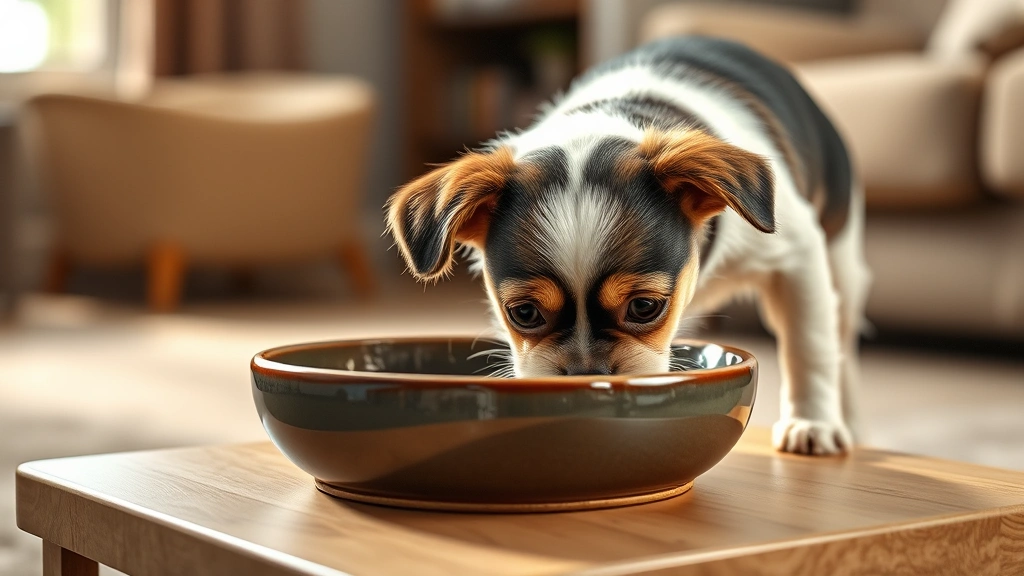
Small breed dogs can be equally challenging. Their tiny mouths mean that even soft food might be too large in texture. Consider pureeing or mashing food into a more manageable consistency. It might seem extreme, but it’s way better than your pet not eating at all.
Both cats and small breeds are also more prone to dehydration, so monitor their fluid intake extra carefully during recovery.
Using Appetite Stimulation When Your Pet Won’t Eat
If your pet is refusing food despite your best efforts, don’t panic—but do contact your vet. Sometimes appetite stimulation schedule adjustments or short-term appetite stimulants prescribed by your vet can help. There are several safe, prescription appetite stimulants available that can get your pet eating again during this critical recovery period.
In the meantime, try warming food to make it more aromatic and appealing. Add a small amount of low-sodium tuna juice (for cats) or beef broth (for dogs) to make it more enticing. Sometimes the smell alone will trigger their appetite.
Hand-feeding can also help. I know it sounds crazy, but some pets respond better to being fed directly from your hand, especially if they’re nervous or in pain. It’s also a great bonding opportunity, so don’t knock it until you’ve tried it.
Probiotics and Gut Health During Recovery
Post-operative recovery is stressful on your pet’s digestive system, especially if they’re on antibiotics (which are often prescribed after dental work). This is where multi-strain probiotics for pets become your secret weapon.
Probiotics help maintain healthy gut flora, which supports immune function and can reduce digestive upset. Look for veterinary-grade probiotics with multiple strains and a high CFU count. Many come in powder form that you can easily sprinkle on soft food.
Some vets recommend starting probiotics a few days before dental procedures to build up beneficial bacteria before antibiotics wipe out the gut flora. It’s a proactive approach that can significantly improve post-operative comfort and digestion.
Frequently Asked Questions
How long should I wait to feed my pet after dental surgery?
Most vets recommend waiting 2-4 hours after anesthesia before offering water, and 4-6 hours before attempting food. However, always follow your specific vet’s instructions, as timelines can vary based on the procedure and anesthesia used.
Can I give my pet regular kibble after dental work?
Not immediately. Hard kibble requires significant chewing and can irritate healing tissues or dislodge blood clots. Stick with soft food for at least 3-7 days, depending on the procedure. Your vet will advise when it’s safe to reintroduce kibble.
What if my pet won’t eat after dental surgery?
It’s normal for pets to have reduced appetite for a day or two post-surgery. Keep offering soft, warm food in small amounts. If your pet refuses food for more than 24 hours, contact your vet—they might prescribe appetite stimulants or IV fluids if necessary.
Is bone broth safe for pets after dental procedures?
Yes, bone broth is excellent for post-dental recovery—it’s hydrating, nutritious, and easy to consume. Just ensure it’s pet-safe (no onions, garlic, or excessive salt) and warm it to room temperature or slightly above.
Should I give my pet pain medication before meals?
Absolutely. Administering pain medication 30-60 minutes before mealtimes can make eating more comfortable and encourage your pet to eat more. Follow your vet’s dosing schedule exactly.
How do I know when my pet is ready for regular food?
Your pet should be eating soft food enthusiastically, showing no signs of mouth pain, and have received clearance from your vet. Gradual transition back to regular food over several days is the safest approach.
Can I use human food for post-dental feeding?
Some human foods are safe (cooked chicken, eggs, sweet potato), but avoid anything with seasonings, onions, garlic, or excessive salt. When in doubt, ask your vet. Prescription or high-quality commercial soft pet foods are often the safest choice.
Conclusion: Recovery Success Starts with Smart Feeding Choices
Feeding after dental procedures isn’t complicated, but it does require attention, patience, and a willingness to deviate from your pet’s normal routine. The good news? You’re not doing anything crazy or expensive. You’re simply meeting your pet’s needs during a vulnerable recovery period.
Remember: soft food, adequate hydration, proper pain management, and patience are your tools for success. Your vet is your partner in this process, so don’t hesitate to reach out if something seems off. Most post-dental recoveries are smooth and uneventful when you follow these guidelines and stay vigilant about your pet’s eating and drinking habits.
Your pet will be back to their normal, food-obsessed self before you know it. Until then, embrace the soft food phase, enjoy the extra cuddle time, and take comfort in knowing you’re doing everything right to support their healing.





