
Feeding after exercise is one of those pet parent decisions that can make or break your dog’s digestive health and overall well-being. You’ve just finished an epic game of fetch, a vigorous hiking adventure, or an intense training session, and your pup is panting heavily with that “feed me now” look in their eyes. But hold up—rushing to fill that bowl might actually be doing your furry friend more harm than good.
Table of Contents
- Why Timing Matters: The Post-Exercise Feeding Window
- The Golden Rule: Wait 30 Minutes to 2 Hours
- Portion Control and Post-Activity Meals
- Hydration First, Food Second
- Exercise Intensity and Feeding Decisions
- Breed-Specific Considerations for Feeding After Exercise
- Signs Your Dog Might Be in Digestive Distress
- Temperature and Season Impact on Post-Exercise Feeding
- Establishing a Sustainable Post-Exercise Routine
- Special Considerations for Older Dogs
- Frequently Asked Questions
- Summary: Making Feeding After Exercise Safe and Simple
Why Timing Matters: The Post-Exercise Feeding Window
Here’s the thing: feeding after exercise isn’t just about satisfying your dog’s appetite. When dogs exercise intensely, their digestive system is in a heightened state. Blood flow is diverted to muscles and cooling mechanisms rather than to the stomach. If you immediately dump a full meal into this already-taxed system, you’re asking for trouble. The most serious concern? Gastric dilatation-volvulus, commonly known as bloat—a life-threatening condition where the stomach twists on itself. While bloat is more common in deep-chested breeds, any dog can experience digestive distress from eating too soon after vigorous activity.
The Golden Rule: Wait 30 Minutes to 2 Hours
Most veterinarians recommend waiting at least 30 minutes to 2 hours after exercise before feeding after exercise, depending on the intensity of the activity. Light walks? You can probably feed within 30-45 minutes. Intense play sessions, agility training, or long-distance running? Aim for the full 2-hour window. This waiting period allows your dog’s heart rate to return to normal, body temperature to stabilize, and blood flow to redistribute naturally back to the digestive organs. Think of it like how you wouldn’t want to eat a massive Thanksgiving dinner right after running a 5K—your body needs recovery time first. Your dog’s body works the same way.
Portion Control and Post-Activity Meals
When you finally do feed after exercise, resist the urge to give your pup a massive reward meal. Your dog might be absolutely ravenous, but their stomach needs to readjust gradually. Feed your normal portion size, or even slightly less if your dog has just had extreme exertion. If your dog is on a high-energy dog food regimen, you might consider adjusting the timing rather than the amount. Some owners find success splitting their dog’s daily meals—a smaller portion before exercise and the main meal after the appropriate waiting period. This approach prevents hunger-driven behavior while still respecting the digestive recovery window.
Hydration First, Food Second
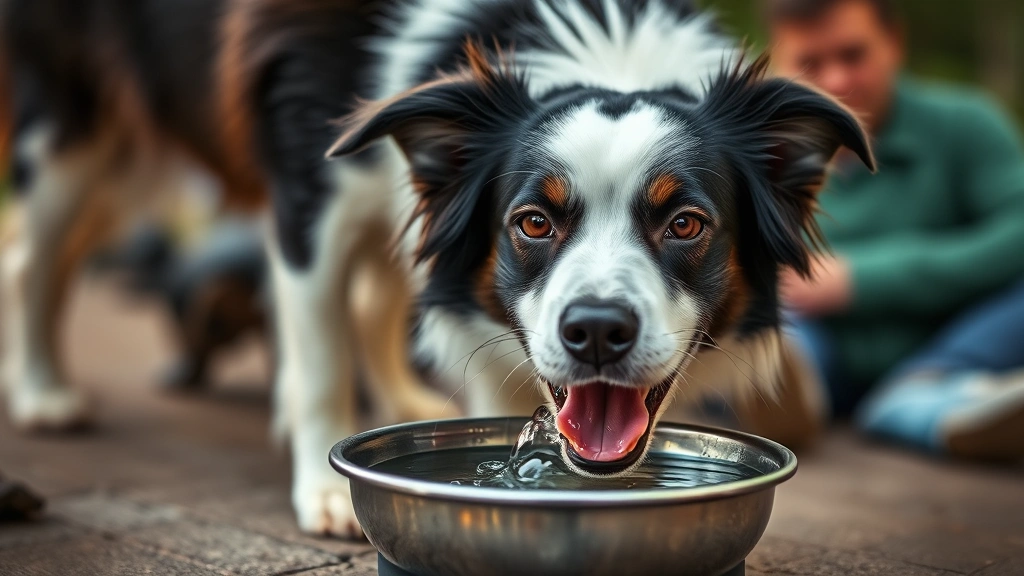
Here’s what many pet parents get wrong: they focus entirely on food while neglecting hydration. After exercise, your dog has lost fluids through panting and sweating (yes, dogs do sweat through their paw pads). Offer fresh, cool water immediately after activity—but here’s the catch: don’t let your dog guzzle excessively all at once. Large amounts of water consumed rapidly can also contribute to bloat. Instead, offer water in moderate amounts every 5-10 minutes during the cool-down period. Your dog’s thirst will naturally regulate intake better than you forcing them to drink. By the time you’re ready to feed after exercise, your pup should be adequately rehydrated and calm.
Exercise Intensity and Feeding Decisions
Not all exercise is created equal when it comes to feeding timing. A casual 20-minute neighborhood walk has minimal digestive impact compared to an intense agility competition or a high-energy play session with other dogs. Consider these scenarios: light exercise (casual walks, gentle play) can be followed by feeding within 30-45 minutes; moderate exercise (longer walks, moderate play) warrants a 1-hour wait; intense exercise (running, agility, competitive activities) requires the full 2-hour window. Your adolescent dog’s nutrition needs might differ from adult dogs too, especially if they’re still developing their digestive capacity.
Breed-Specific Considerations for Feeding After Exercise
Certain breeds have higher bloat risk and deserve extra caution. Deep-chested breeds like Great Danes, German Shepherds, Boxers, Weimaraners, and Standard Poodles are genetically predisposed to gastric issues. If you own one of these breeds, err on the side of caution and always wait the full 2 hours after feeding after exercise. Additionally, senior dogs and dogs with pre-existing digestive issues should follow the longer waiting period regardless of breed. Puppies, conversely, have faster metabolisms but smaller stomachs, so they might need smaller portions more frequently—but still maintain the waiting period after active play.
Signs Your Dog Might Be in Digestive Distress
Know the warning signs that something’s gone wrong. If your dog shows excessive drooling, restlessness, abdominal distension, dry heaving, or appears in pain after eating post-exercise, contact your veterinarian immediately. Bloat is a genuine emergency that can be fatal within hours. Prevention through proper timing is infinitely better than treatment. This is why understanding proper feeding after exercise protocols isn’t just a nice-to-know tip—it’s potentially life-saving information. The Association of American Feed Control Officials provides nutritional guidelines, but timing is equally important.
Temperature and Season Impact on Post-Exercise Feeding
Environmental factors affect how your dog’s body processes food after activity. In hot weather, your dog’s digestive system is already stressed from thermoregulation. Wait the full 2 hours in summer or tropical climates. During cold weather, caloric needs increase, but the principle remains: wait before feeding after exercise. Cold weather exercise might actually require slightly more calories overall, but the post-activity timing rule still applies. Your dog’s body temperature and hydration status matter more than ambient temperature when determining feeding windows.
Establishing a Sustainable Post-Exercise Routine
Create a consistent routine that works with your lifestyle. If you exercise your dog in the morning, schedule their main meal for lunch or early afternoon. Evening exercise? Feed after you’ve both had adequate cool-down time. Many owners find success with a light snack (like a few treats or a small portion of food) immediately after coming home to satisfy initial hunger, then the full meal after the waiting period. This psychological trick satisfies your dog’s mind while protecting their stomach. Reference your weight-based feeding guide to ensure total daily calories remain appropriate regardless of meal timing adjustments.
Special Considerations for Older Dogs
Senior dogs have unique needs when it comes to feeding after exercise. They recover more slowly from activity and have potentially more sensitive digestive systems. Your senior dog’s feeding routine should incorporate the 2-hour waiting period as standard practice. Additionally, older dogs might benefit from smaller, more frequent meals throughout the day rather than one or two large meals. This approach reduces the digestive load while meeting nutritional needs. Consult with your veterinarian about age-appropriate feeding strategies, especially if your senior dog has any underlying health conditions.
Frequently Asked Questions
Can I give my dog treats immediately after exercise?
Small, low-fat treats are generally safer than full meals, but ideally, wait 15-30 minutes even for treats. Avoid high-fat treats entirely after intense exercise, as fat takes longer to digest and increases bloat risk. Save the fancy training treats for calm periods.
What if my dog seems extremely hungry after exercise?
Offer water and perhaps a single small treat, then distract your dog with a calm activity (puzzle toy, sniffing game) while you wait out the appropriate time window. Your dog’s hunger will pass, and their stomach will thank you. Never let emotional appeals override safety protocols.
Is bloat really that serious?
Yes. Bloat is a veterinary emergency with a mortality rate of 10-60% even with treatment. Prevention through proper feeding timing is absolutely worth the effort. It’s one of those situations where an ounce of prevention genuinely equals a pound of cure.
Do I need to adjust feeding amounts on exercise days?
Not necessarily. Most dogs self-regulate calories adequately with consistent portions. However, very active dogs might benefit from slightly increased daily calories. Consult your vet about whether your individual dog needs extra calories on high-activity days.
Can puppies eat immediately after play?
Puppies need to wait too, even though they have faster metabolisms. Their developing digestive systems are actually more vulnerable to upset. Maintain the 30-45 minute minimum wait even for puppies, and supervise their water intake carefully.
What about feeding before exercise?
Feed your dog 2-3 hours before exercise rather than immediately before. A full stomach during vigorous activity can also cause discomfort. Light snacks are fine 30-60 minutes before activity, but save full meals for pre-exercise or post-exercise windows with adequate spacing.
Summary: Making Feeding After Exercise Safe and Simple
Feeding after exercise comes down to respecting your dog’s physiology. Wait 30 minutes to 2 hours depending on exercise intensity, offer water first, maintain normal portion sizes, and watch for any signs of digestive distress. This simple protocol prevents serious health complications while still ensuring your pup gets proper nutrition. Your dog’s enthusiastic post-exercise appetite is adorable, but their long-term health is more important than immediate gratification. By implementing these five essential safety tips, you’re investing in years of healthy, happy adventures together. Your veterinarian can provide personalized recommendations based on your specific dog’s age, breed, health status, and activity level. When in doubt, always consult a professional—your pup’s well-being is worth the conversation.





