
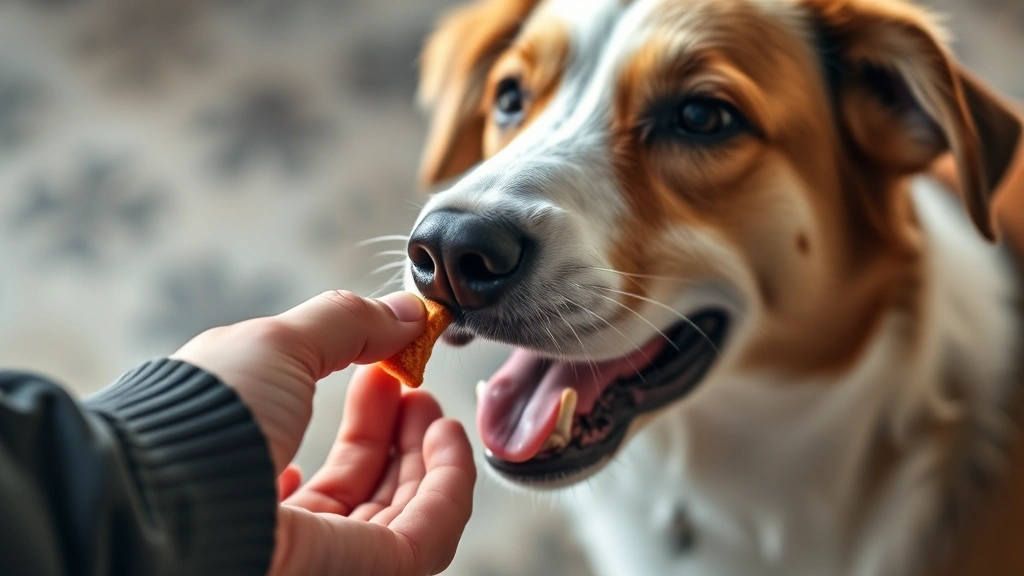
Feeding during behavior modification is one of the most underrated yet powerful tools in your pet training arsenal, and honestly, it’s way more effective than yelling “no” at your furry friend for the hundredth time. Whether you’re dealing with a dog who jumps on guests, a cat with aggression issues, or a pet with anxiety around mealtimes, strategic feeding practices can literally rewire how your animal responds to triggers and stressors. The magic happens when you combine food rewards with intentional behavior change, creating new neural pathways that make good behavior feel more rewarding than the old problematic habits.
Table of Contents
- Why Feeding Matters More Than You Think in Behavior Training
- Tip #1: Timing Your Treats for Maximum Impact During Behavior Modification
- Tip #2: Choose the Right High-Value Treats for Your Specific Goals
- Tip #3: Integrate Food Enrichment Tools Into Your Behavior Modification Plan
- Tip #4: Manage Portion Control While Feeding During Behavior Modification
- Tip #5: Create Predictable Feeding Schedules That Support Behavior Change
- The Science Behind Feeding and Positive Reinforcement
- Common Mistakes People Make When Feeding During Behavior Modification
- Adjusting Your Feeding Strategy as Behavior Improves
- Frequently Asked Questions
- Conclusion: Feeding During Behavior Modification Works
Why Feeding Matters More Than You Think in Behavior Training
Here’s the thing: your pet’s brain is hardwired to prioritize food. It’s not personal—it’s biology. When you use feeding strategically during behavior modification, you’re tapping into the most primal motivation system available. Dogs and cats don’t care about your approval nearly as much as they care about that tasty morsel. This makes food an incredibly honest and reliable training tool that cuts through all the noise and confusion.
The relationship between feeding and behavior modification goes deeper than simple bribery. When your pet consistently receives food rewards for desired behaviors, their brain releases dopamine, reinforcing the neural pathways associated with that behavior. Over time, the behavior becomes automatic—your dog sits calmly at the door because that’s what their brain expects will happen, not because they’re thinking about it.
Tip #1: Timing Your Treats for Maximum Impact During Behavior Modification
Timing is absolutely everything when feeding during behavior modification. You need to deliver the reward within 2-3 seconds of the desired behavior occurring, or your pet’s brain won’t make the connection. This is why clicker training works so brilliantly—the clicker marks the exact moment your pet did something right, and then the food reward follows immediately.
If your dog has leash reactivity and you’re working on calm behavior around other dogs, the moment they notice another dog but choose not to lunge, that’s when the high-value treat appears. Not five seconds later. Not after they’ve already moved on. Right. Then. This timing precision is what separates effective behavior modification from frustrating, ineffective training sessions.
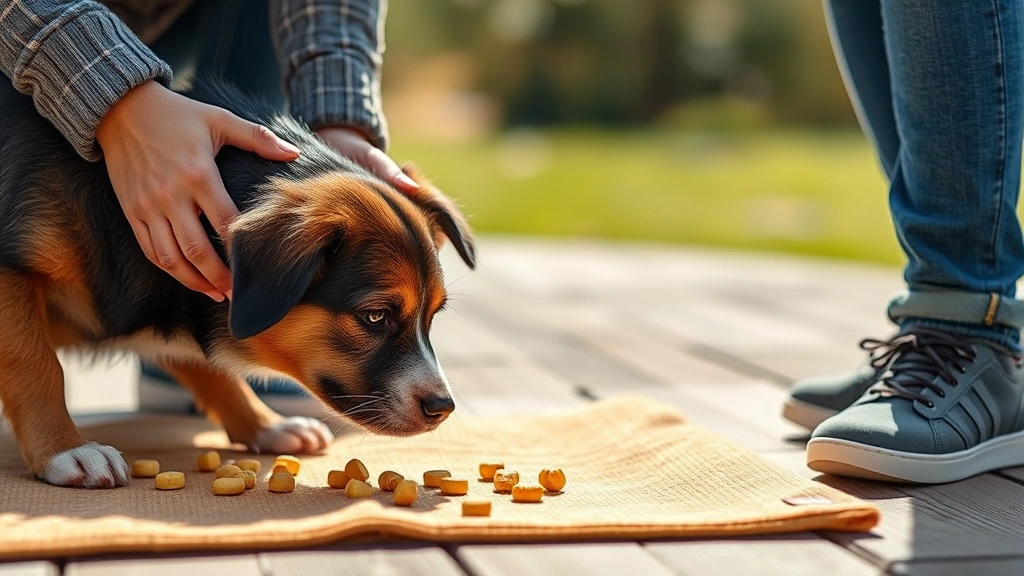
Consider using a snuffle mat feeding approach for longer-duration behaviors you’re trying to establish, where your pet needs to maintain calm behavior for extended periods.
Tip #2: Choose the Right High-Value Treats for Your Specific Goals
Not all treats are created equal when feeding during behavior modification. The treats you use during training need to be significantly more valuable to your pet than their regular kibble. If you’re using the same boring biscuits they get every day, you’re basically asking them to work for something they’re not particularly excited about. Would you get excited about your regular Tuesday lunch as a reward for doing something difficult?
High-value treats should be small (pea-sized for dogs, even smaller for cats), soft, and something your pet goes absolutely bonkers for. Freeze-dried chicken, tiny pieces of cheese, or commercial training treats that smell intensely aromatic work brilliantly. For cats dealing with behavior issues, consider treats they rarely get—maybe a small piece of cooked salmon or a special training-only snack.
The key is variety and unpredictability. Sometimes the reward is a tiny piece of chicken, sometimes it’s their favorite training treat, sometimes it’s just a few pieces of their regular food. This unpredictability actually strengthens the behavior modification process because your pet never knows exactly what they’ll get, making the reward feel more exciting.
Tip #3: Integrate Food Enrichment Tools Into Your Behavior Modification Plan
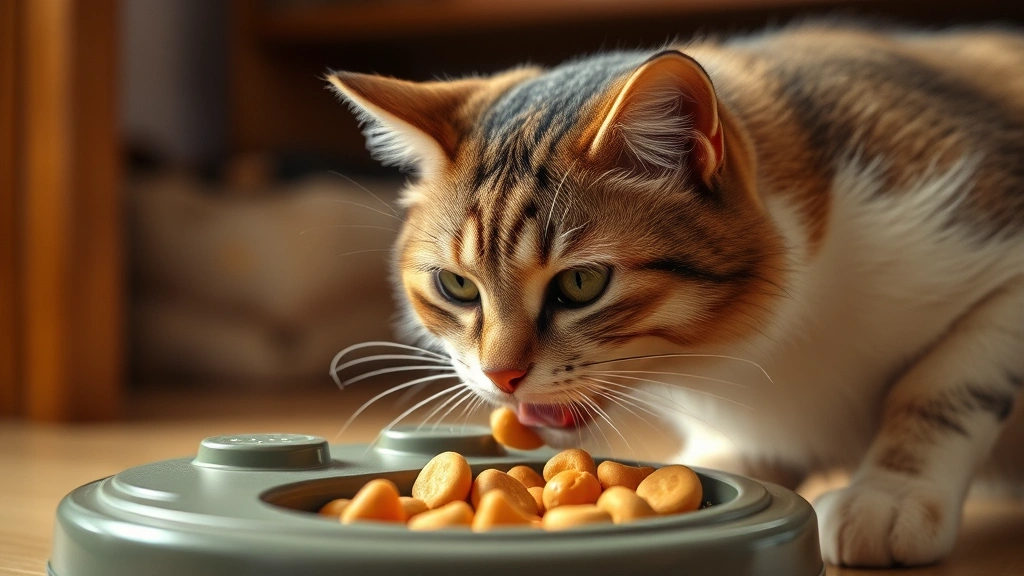
Using enrichment tools during feeding creates multiple benefits for behavior modification. Food enrichment for cats and dogs isn’t just about mental stimulation—it’s about redirecting problematic behaviors into productive ones. When your pet is focused on working for their food through a puzzle feeder or enrichment toy, they’re literally not engaging in the behavior you’re trying to eliminate.
If you’re modifying aggressive behavior around food, start by using a lick mats feeding schedule where your pet learns that people approaching during feeding time means good things happen, not threats. Place high-value food on the mat, let your pet engage with it, then occasionally approach and add even better treats. This completely changes their emotional response to human proximity during meals.
For cats with hunting-related aggression or predatory behavior issues, hunting feeders for cats redirect that natural drive into appropriate channels, making behavior modification feel less restrictive and more natural.
Tip #4: Manage Portion Control While Feeding During Behavior Modification
Here’s where many people mess up: they get so excited about using food rewards that they accidentally overfeed their pets and create obesity problems while trying to solve behavior problems. That’s trading one issue for another, and it’s not the move.
Your training treats need to come out of your pet’s daily caloric allowance. If your dog gets 500 calories daily, and you’re using 100 calories in training treats, their regular meals should be reduced by 100 calories. This is where pet portion control becomes essential to your overall behavior modification strategy. You’re not adding extra food; you’re strategically redistributing it throughout the day in ways that support training goals.
Work with your veterinarian to establish appropriate daily calories for your pet, then build your feeding during behavior modification around those numbers. Some trainers use their pet’s entire daily kibble allowance during training sessions, feeding nothing else from a bowl. This approach maintains caloric balance while maximizing training opportunities.
Tip #5: Create Predictable Feeding Schedules That Support Behavior Change
Consistency is the backbone of behavior modification, and feeding schedules are no exception. Your pet’s brain loves predictability—it creates a sense of safety and control. When feeding during behavior modification happens on a consistent schedule, your pet’s anticipation and motivation increase.
If you’re working with a pet that has anxiety or resource guarding issues, establishing a predictable feeding routine where meals appear at specific times, in specific places, with specific rituals actually reduces anxiety. Your pet stops worrying about when food will appear and can focus on the behavior you’re trying to teach.
For hiding pills in food during behavior modification (like when your pet is on anxiety medication that supports training), maintaining consistent feeding times ensures medication delivery while reinforcing the behavior modification protocol your veterinarian or trainer has established.
The Science Behind Feeding and Positive Reinforcement
Behavioral science has thoroughly documented that positive reinforcement—especially food-based rewards—creates stronger, more lasting behavior changes than punishment or aversive techniques. When your pet’s brain associates a specific behavior with a food reward, that behavior literally becomes more likely to occur in the future. It’s not magic; it’s neuroscience.
The external links to authoritative sources matter here: According to the American Kennel Club, positive reinforcement training produces better results and stronger bonds between pets and owners. The PetMD behavioral resources emphasize that food-based training during behavior modification creates lasting neural changes, not just temporary obedience. Research from veterinary behaviorists consistently shows that feeding during behavior modification, when done correctly, produces results that stick around long-term.
Common Mistakes People Make When Feeding During Behavior Modification
The biggest mistake is inconsistency. You can’t reward a behavior sometimes and ignore it other times—that’s confusing and actually strengthens the behavior unpredictably. If you’re training your dog not to jump on guests, every single instance of non-jumping behavior needs acknowledgment and reward, especially in the beginning.
Another massive mistake is using the same treat for everything. Your pet needs to understand that some behaviors get better rewards than others. The “sit” command might get a regular training treat, but the breakthrough moment where your anxious dog finally relaxes around their trigger gets the premium high-value treat. This teaches them what really matters in your training priorities.
People also often wait too long to reward, not understanding that their pet won’t make the connection. Or they reward too frequently and create a situation where the pet only obeys when treats are visible. The goal is to gradually phase out treat rewards and replace them with variable schedules, but that only works if the initial training is rock-solid.
Adjusting Your Feeding Strategy as Behavior Improves
As your pet’s behavior modification progresses, your feeding strategy needs to evolve. You can’t hand out treats forever—that’s not sustainable or practical. The goal is to gradually transition from continuous reinforcement (rewarding every correct behavior) to intermittent reinforcement (rewarding unpredictably).
Once your pet consistently exhibits the desired behavior, you start rewarding only occasionally. This actually strengthens the behavior because your pet’s brain enters “seeking” mode—they keep performing the behavior hoping this will be the time they get rewarded. It’s the same psychology that makes slot machines so addictive, except we’re using it for good.
Eventually, you can transition to non-food rewards like praise, play, or access to favorite activities. But this transition only works if the foundation was built solidly through feeding during behavior modification.
Frequently Asked Questions
How long does it take to see results from feeding during behavior modification?
Most pets show noticeable improvement within 2-4 weeks of consistent feeding-based training, though more complex behavioral issues may take 2-3 months. The key is consistency—you need to practice multiple times daily for best results. Your pet’s age, history, and the severity of the behavior issue all affect timeline.
Can I use regular kibble as training treats?
You can, but it’s less effective. Regular kibble lacks the excitement factor that makes training truly motivating. If you need to use kibble for caloric reasons, hand-feed it during training sessions to make it feel more special and rewarding than it would from a bowl.
What if my pet has food allergies or dietary restrictions?
Work with your veterinarian to identify high-value treats that fit your pet’s dietary needs. Many vets can recommend allergy-friendly training treats, or you can use tiny pieces of approved foods like sweet potato or specific proteins your pet tolerates well.
Should I use feeding during behavior modification for all training or just problem behaviors?
Use it for both. Basic obedience training and problem behavior modification both benefit tremendously from strategic feeding. The difference is intensity—problem behaviors might require more frequent, higher-value rewards initially.
How do I know if I’m overfeeding my pet during training?
If your pet is gaining weight, you’re overfeeding. Adjust regular meal portions downward to compensate for training treats. You should be able to feel your pet’s ribs easily without pressing hard—that’s the ideal body condition score.
Conclusion: Feeding During Behavior Modification Works
Feeding during behavior modification isn’t a shortcut or a cheat code—it’s a scientifically-backed approach to creating lasting behavioral change in your pets. When you understand the neuroscience behind food motivation, time your rewards correctly, choose appropriate treats, integrate enrichment tools, manage portions carefully, and maintain consistency, you’re setting your pet up for success.
The beauty of this approach is that it works for virtually every pet and every behavior issue, from simple obedience to complex anxiety and aggression problems. Your pet doesn’t need punishment or harsh corrections to learn better behavior—they just need clear communication about what you want, consistent rewards for getting it right, and patience while their brain rewires itself.
Start implementing these five proven tips today, and you’ll likely be amazed at how quickly your pet responds when food motivation is part of the equation. Remember, feeding during behavior modification is about creating a partnership with your pet where they actually want to do what you’re asking because it feels rewarding to them. That’s the kind of behavior change that lasts.





