
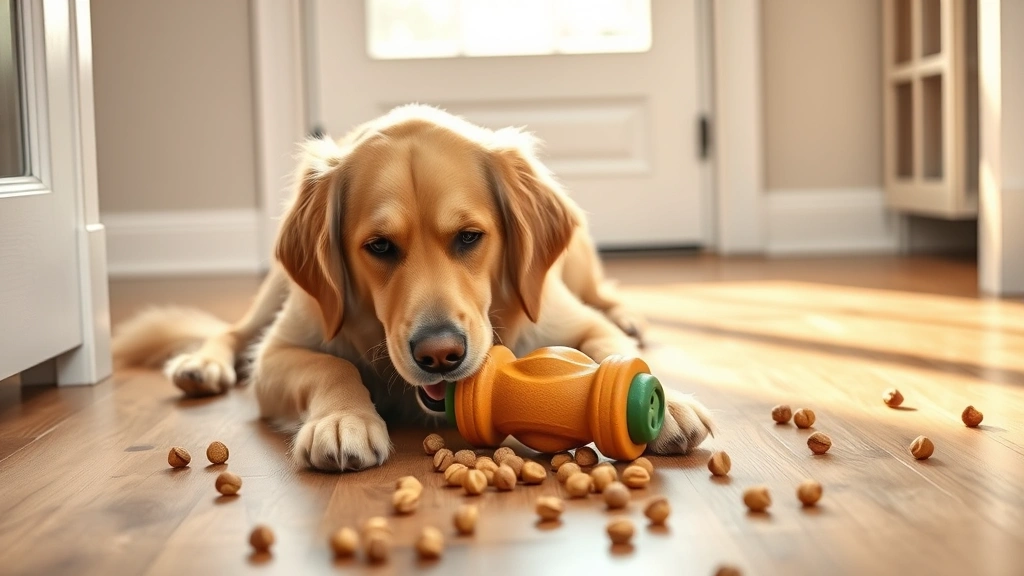
Feeding enrichment toys are game-changers for pet owners who want to transform mealtime from a boring five-second inhale into an engaging, mentally stimulating experience that actually makes your pet work for their food. Whether you’ve got a speed-eating golden retriever or a bored indoor cat, these toys slow down consumption, reduce digestive issues, and keep your furry friend entertained for hours. Let’s dive into why these toys matter and which ones deserve a spot in your pet’s toy box.
Table of Contents
- Why Feeding Enrichment Toys Matter More Than You Think
- The Science Behind Slow Feeding and Mental Stimulation
- Kong Wobbler: The OG of Feeding Enrichment Toys
- Puzzle Feeders for Cats: Because Felines Deserve Enrichment Too
- Snuffle Mats: Low-Tech, High-Reward Enrichment
- Treat-Dispensing Balls: Rolling Rewards and Entertainment
- Interactive Feeders with Multiple Difficulty Levels
- Lick Mats and Slow Feeders: The Wet Food Solution
- DIY Enrichment Toys: Budget-Friendly Alternatives
- Choosing the Right Feeding Enrichment Toys for Your Pet
- Safety Considerations and Supervision Tips
- Combining Enrichment Toys with Proper Nutrition
- Frequently Asked Questions
- Conclusion: Transform Mealtime Into Playtime
Why Feeding Enrichment Toys Matter More Than You Think
Here’s the thing: pets in the wild don’t just have kibble magically appear in a bowl. They hunt, forage, and problem-solve to get their meals. Our domesticated companions still have those instincts hardwired into their brains, and when we skip the enrichment part, we’re basically telling them to suppress millions of years of evolution. Feeding enrichment toys tap into natural behaviors, keeping pets mentally sharp and physically engaged. Plus, they’re incredibly effective at slowing down fast eaters—a benefit that can’t be overstated for preventing bloat and other digestive nightmares.
The Science Behind Slow Feeding and Mental Stimulation
Veterinarians and animal behaviorists consistently recommend puzzle feeders and enrichment toys because they reduce stress, anxiety, and destructive behavior. According to research from veterinary nutrition specialists, pets that engage with puzzle feeders show improved digestion and lower instances of gastric distress. When your pet has to think about getting their meal, their brain releases dopamine—the same feel-good chemical that makes them happy. It’s basically giving your pet a mini workout and a therapy session all at once. If you’re concerned about your pet’s overall wellness, pairing enrichment toys with quality nutrition (like professional grade pet supplements) creates a holistic approach to pet health.
Kong Wobbler: The OG of Feeding Enrichment Toys
The Kong Wobbler has been around forever because it actually works. This weighted toy wobbles and rolls when your pet nudges it, dispensing kibble gradually. It’s perfect for dogs of all sizes, nearly indestructible, and dishwasher safe. The wobbling action mimics the unpredictability of hunting, keeping your pup engaged way longer than a regular bowl. Dogs can’t just inhale their food—they have to strategize, push, and play to earn each bite. It’s the gateway drug to enrichment toys.
Puzzle Feeders for Cats: Because Felines Deserve Enrichment Too
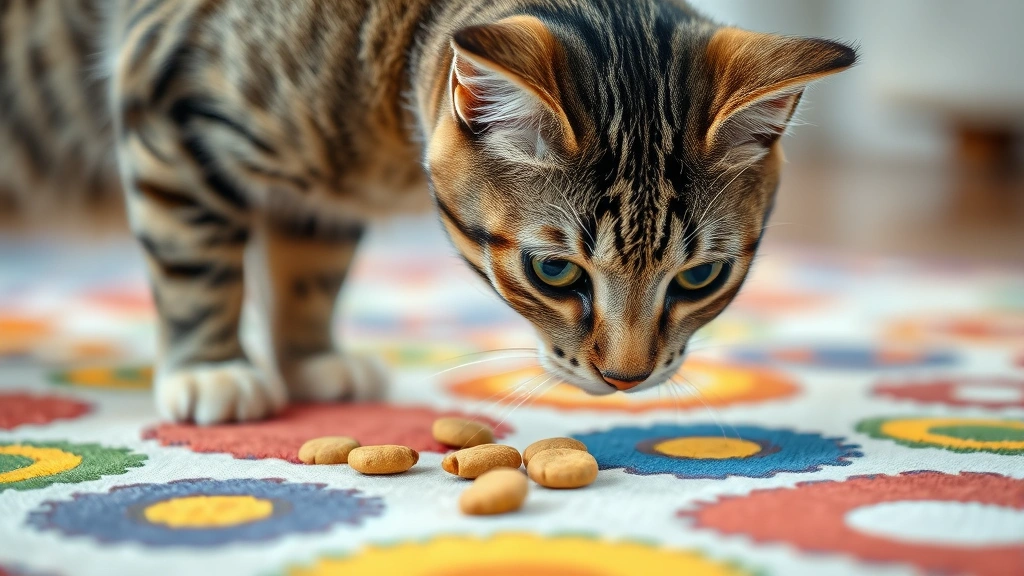
Cats often get overlooked in the enrichment conversation, but they’re just as capable of boredom-induced behavioral issues as dogs. Puzzle feeders designed for cats come in various difficulty levels, from simple sliding compartments to complex multi-step designs. These toys encourage stalking and hunting behaviors while slowing down consumption. Many cats who struggle with weight management benefit significantly from puzzle feeders because they’re burning calories while eating, not just inhaling and napping. If your cat has a sensitive stomach, combining puzzle feeders with sensitive stomach supplements can address both behavioral and nutritional needs simultaneously.
Snuffle Mats: Low-Tech, High-Reward Enrichment
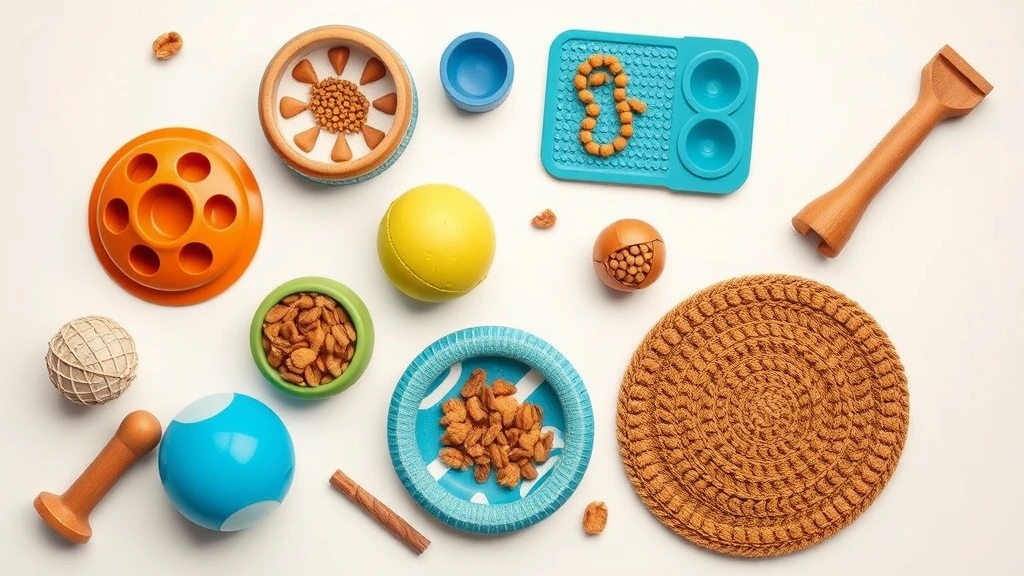
Don’t let the simplicity fool you—snuffle mats are incredibly effective. These fabric mats have pockets and hidden nooks where you scatter kibble or treats. Your dog has to use their nose and paws to find each piece, engaging their natural foraging instincts. They’re especially great for senior dogs who might struggle with complex puzzle toys, and they work for both dogs and cats. Plus, they’re washable and portable, making them perfect for travel or calming anxious pets during stressful situations.
Treat-Dispensing Balls: Rolling Rewards and Entertainment
Treat-dispensing balls are simple but brilliant. Your pet rolls the ball around, and treats fall out through small openings. These toys encourage physical activity and mental engagement simultaneously. They’re perfect for dogs who need extra exercise or pets that get bored easily. The unpredictability of when treats fall out keeps pets engaged longer than you’d expect. Some versions are adjustable, allowing you to control difficulty by changing the size of the openings.
Interactive Feeders with Multiple Difficulty Levels
Some of the best feeding enrichment toys come with adjustable difficulty settings, allowing you to increase the challenge as your pet figures out each level. These typically feature sliding compartments, rotating sections, or stacking pieces that require different problem-solving strategies. They’re fantastic for keeping even the smartest pets mentally stimulated. As your pet masters each level, you’re essentially giving them a cognitive workout that rivals IQ training for humans. For pets with specific dietary needs, combining these toys with pet supplement dosage guidance ensures they’re getting complete nutrition while having fun.
Lick Mats and Slow Feeders: The Wet Food Solution
Not all pets eat kibble, and that’s where lick mats and slow feeders come in. These silicone or rubber mats have textured surfaces that hold wet food, treats, or even frozen peanut butter. Your pet has to lick and work to extract the food, turning mealtime into an extended engagement session. Frozen lick mats are particularly great for hot days or anxious pets needing calming activities. They’re also excellent for dogs recovering from surgery or dealing with dental issues since they can eat soft foods while still getting enrichment benefits.
DIY Enrichment Toys: Budget-Friendly Alternatives
Not everything needs to be purchased. Some of the best feeding enrichment toys can be made at home. Muffin tins filled with kibble and tennis balls placed over each cup, toilet paper rolls stuffed with treats, or egg cartons with hidden goodies work surprisingly well. These DIY options are perfect for testing whether your pet enjoys enrichment toys before investing in premium versions. Plus, they’re great for rotating toys to maintain novelty and interest. Just ensure all materials are pet-safe and supervise use to prevent accidental ingestion of non-food items.
Choosing the Right Feeding Enrichment Toys for Your Pet
The best toy depends on your pet’s age, size, chewing intensity, and personality. Fast eaters benefit from toys with smaller openings or slower dispensing mechanisms. Anxious pets often prefer snuffle mats or lick mats that provide soothing, repetitive engagement. High-energy dogs might need multiple toy options rotated regularly to maintain interest. Consider your pet’s success with previous puzzle toys—if they’ve mastered simple toys, jump to intermediate or advanced versions. According to the American Kennel Club, enrichment toys should be sized appropriately for your pet to prevent choking hazards.
Safety Considerations and Supervision Tips
While feeding enrichment toys are generally safe, supervision is essential, especially with new toys. Check regularly for signs of wear, loose parts, or damage. Rotate toys to prevent boredom and reduce wear patterns. Never leave toys with small detachable pieces unattended with aggressive chewers. Some toys are better for unsupervised play while others should only be used when you’re watching. If your pet has a history of swallowing non-food items, stick with durable, well-constructed toys from reputable manufacturers. PetMD recommends inspecting enrichment toys weekly and replacing them when they show significant wear.
Combining Enrichment Toys with Proper Nutrition
Feeding enrichment toys are fantastic for mental stimulation, but they work best when paired with balanced, high-quality nutrition. Consider supplements that support joint health, digestion, or cognitive function alongside enrichment activities. Pet supplement combination packs can address multiple nutritional needs while your enrichment toys handle the behavioral and mental engagement side. This holistic approach creates optimal pet wellness—a sharp mind in a healthy body.
Frequently Asked Questions
How often should I use feeding enrichment toys?
Daily use is ideal, especially for the primary meal. You can use different toys on different days to maintain novelty and prevent boredom. Many pet owners use enrichment toys for breakfast and regular bowls for dinner, or vice versa.
Can senior pets use feeding enrichment toys?
Absolutely! Senior pets benefit greatly from enrichment toys, though you may need to choose simpler versions or slower-paced toys. Snuffle mats and basic puzzle feeders work well for older pets with reduced mobility or cognitive decline.
Are feeding enrichment toys suitable for all dog breeds?
Yes, but size and difficulty should match your dog’s abilities. Small breeds need appropriately-sized toys, while large breeds might need heavier-duty options. Always choose toys designed for your pet’s weight and size range.
How do I introduce my pet to feeding enrichment toys?
Start with simpler toys and make the openings larger initially. Show your pet how treats come out by demonstrating or partially filling the toy. Gradually increase difficulty as they become more proficient. Keep initial sessions short and positive.
Can cats and dogs use the same enrichment toys?
Some toys work for both, but many are species-specific. Cat puzzle feeders are usually smaller and have different mechanisms than dog toys. Check manufacturer recommendations before sharing toys between species.
What should I do if my pet ignores the enrichment toy?
Some pets need time to understand how toys work. Try using higher-value treats, demonstrating the toy yourself, or starting with simpler versions. If your pet consistently ignores enrichment toys, consult your veterinarian about their play drive and behavior.
Conclusion: Transform Mealtime Into Playtime
Feeding enrichment toys aren’t just accessories—they’re essential tools for creating happier, healthier, more mentally stimulated pets. Whether you choose the classic Kong Wobbler, a sophisticated multi-level puzzle feeder, or a simple snuffle mat, you’re investing in your pet’s physical and mental wellbeing. The beauty of enrichment toys is their versatility; there’s genuinely something for every pet, budget, and preference. Start with one toy that matches your pet’s personality, observe how they interact with it, and expand your collection based on what keeps them most engaged. Combined with quality nutrition and regular exercise, feeding enrichment toys create a comprehensive approach to pet wellness that goes far beyond just filling a bowl. Your pet will thank you with healthier digestion, reduced anxiety, and those adorable moments when they’re completely absorbed in the challenge of extracting their dinner.





