

Feeding for coat health isn’t just about making your dog look like they stepped out of a grooming salon—it’s about nourishing them from the inside out. A shiny, lustrous coat is basically the canine equivalent of glowing skin, and trust me, it all starts in the food bowl. Your pup’s fur quality is a direct reflection of their nutrition, so if you’re tired of seeing dull, flaky, or patchy fur, it’s time to talk about what’s actually going into those meals.
Table of Contents
- Why Nutrition Matters More Than You Think
- Tip 1: Prioritize High-Quality Protein Sources
- Tip 2: Add Omega Fatty Acids to the Mix
- Tip 3: Don’t Sleep on Micronutrients and Vitamins
- Tip 4: Manage Shedding Season with Strategic Feeding
- Tip 5: Hydration Is Part of the Nutrition Game
- Understanding Your Dog’s Individual Needs
- The Role of EPA and Essential Fatty Acids
- Choosing the Right Food: What to Look For
- Common Coat Health Mistakes to Avoid
- Frequently Asked Questions
- Summary: Your Action Plan for Coat Health
Why Nutrition Matters More Than You Think
Here’s the truth: you can brush your dog until your arms fall off, but if their diet sucks, their coat will still look like they’ve been through a tumble dryer. Your dog’s skin and coat require specific nutrients to thrive. Protein, omega fatty acids, vitamins, and minerals aren’t luxuries—they’re necessities. When these nutrients are lacking, your pup’s fur becomes brittle, dull, and prone to shedding like a golden retriever in summer.
The skin is the largest organ in your dog’s body, and it’s constantly regenerating. This process demands quality fuel. Think of it this way: you can’t build a Ferrari with bicycle parts, right? Same logic applies to your dog’s coat health and nutrition.
Tip 1: Prioritize High-Quality Protein Sources
Protein is the building block of hair, and not all proteins are created equal. Your dog needs complete proteins that contain all essential amino acids. Look for dog foods where the first ingredient is a named meat source—chicken, beef, fish, or lamb—not vague terms like “meat meal” or “animal by-products.”
When you’re evaluating your pup’s coat health feeding routine, aim for foods with at least 18-25% protein for adult dogs. High-quality protein supports keratin production, which is literally what your dog’s hair is made of. Your dog’s coat will thank you with a glossy shine that turns heads at the dog park.

Tip 2: Add Omega Fatty Acids to the Mix
Omega-3 and omega-6 fatty acids are like the moisturizer for your dog’s skin and coat. These essential fats reduce inflammation, support skin barrier function, and promote that coveted shine. Fish oil is a popular choice, but if you’re looking for alternatives, check out our guide on fish oil alternatives for pets.
The ideal omega-6 to omega-3 ratio should be around 5:1 to 10:1. Most commercial dog foods are heavy on omega-6, so supplementing with omega-3 sources like salmon, sardines, or flaxseed can rebalance things. You’ll notice improvements in coat texture within 4-6 weeks of consistent supplementation. It’s not magic—it’s just good nutrition doing its job.
Tip 3: Don’t Sleep on Micronutrients and Vitamins
While protein and fats get all the glory, micronutrients are the unsung heroes of coat health. Zinc, copper, vitamin A, vitamin E, and B vitamins all play crucial roles in maintaining healthy skin and fur. Deficiencies in these nutrients can lead to hair loss, discoloration, and poor coat quality.
If your dog’s current diet seems nutritionally incomplete, consider adding a quality pet multivitamin to their routine. However, always consult with your vet before adding supplements—more isn’t always better, and some vitamins can be toxic in excess. Your vet can recommend the right supplementation strategy based on your individual dog’s needs.

Tip 4: Manage Shedding Season with Strategic Feeding
Shedding season can make your home look like a fur factory exploded. While you can’t stop seasonal shedding entirely, you can minimize it with proper nutrition. During peak shedding months, your dog’s nutritional demands actually increase because they’re growing entirely new coats.
Learn more about optimizing nutrition during this time with our article on feeding during shedding season. Increasing protein and omega fatty acids during these periods can support the coat transition and reduce excessive fur loss around your house. It’s a simple adjustment that yields noticeable results.
Tip 5: Hydration Is Part of the Nutrition Game
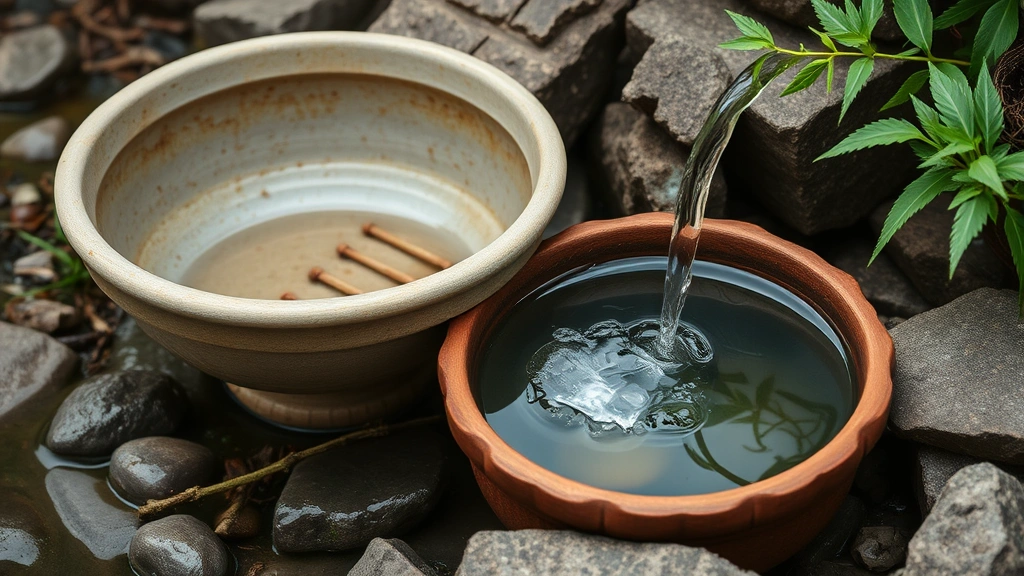
You can feed your dog the most expensive, nutrient-dense diet on the planet, but if they’re not drinking enough water, their coat will suffer. Proper hydration supports nutrient transport and skin cell turnover. Make sure your dog has constant access to fresh, clean water throughout the day.
Some dogs are lazy drinkers, so consider adding a dog water fountain or incorporating moisture-rich foods like bone broth or wet food into their diet. Hydrated skin is happy skin, and happy skin grows beautiful fur.
Understanding Your Dog’s Individual Needs
Not all dogs have the same nutritional requirements. A Chihuahua’s needs differ dramatically from a Great Dane’s, and a senior dog requires different nutrition than a young pup. Use our weight-based feeding guide to ensure you’re feeding appropriate portions and getting the right nutrient balance for your specific dog.
Age, activity level, metabolism, and any underlying health conditions all influence what your dog needs for optimal coat health. What works brilliantly for your neighbor’s dog might not be ideal for yours. This is where working with your vet becomes invaluable.
The Role of EPA and Essential Fatty Acids
EPA (eicosapentaenoic acid) is a specific omega-3 fatty acid that’s particularly beneficial for skin and coat health. It has anti-inflammatory properties that can help with itchy skin, which often leads to poor coat quality from excessive scratching. For a deeper dive into how EPA benefits your dog, check out our article on EPA for dogs.
Studies have shown that dogs receiving adequate EPA supplementation experience reduced itching, improved skin barrier function, and noticeably shinier coats. It’s one of those interventions where you’ll see and feel the difference.
Choosing the Right Food: What to Look For
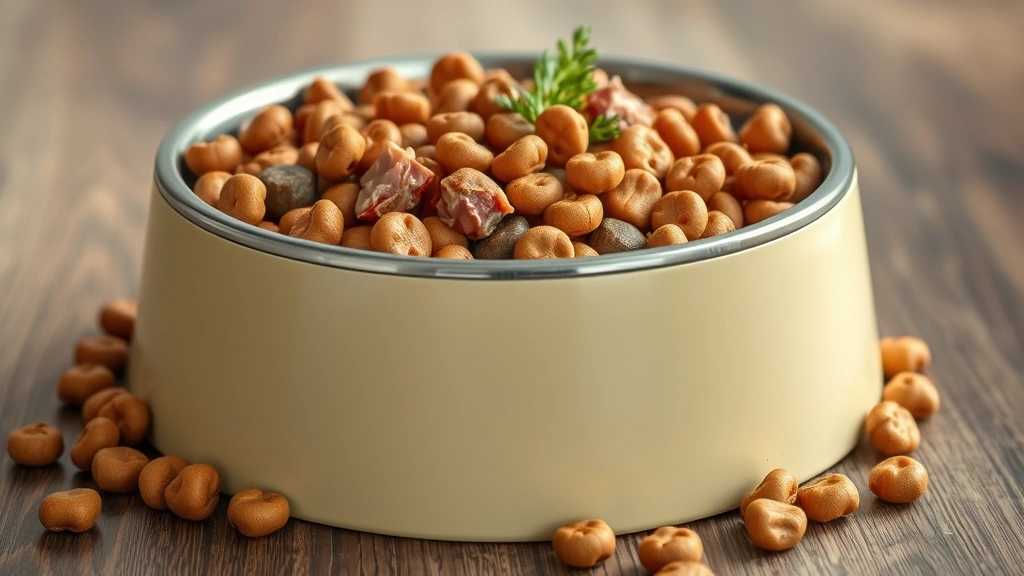
When shopping for dog food with coat health in mind, read those ingredient labels like you’re decoding ancient hieroglyphics. Look for:
- Named meat proteins as the first ingredients
- Whole grains or quality carbohydrate sources
- Visible fat sources (fish oil, chicken fat, flaxseed)
- Added vitamins and minerals, especially zinc and copper
- No artificial colors, flavors, or preservatives
Premium dog foods might cost more upfront, but you’ll spend less on vet visits for skin issues and see better results with your dog’s appearance. It’s an investment in your dog’s health that pays dividends.
Common Coat Health Mistakes to Avoid
Don’t sabotage your feeding efforts by making these mistakes. First, avoid frequent food switches—your dog’s digestive system and coat need consistency. Second, don’t rely solely on treats; they often lack the nutritional profile needed for coat health. Third, resist the urge to over-supplement without guidance; excessive vitamin A or D can actually harm your dog.
Finally, don’t ignore signs of food allergies or sensitivities. If your dog has itchy skin, ear issues, or a dull coat despite good nutrition, there might be an underlying food intolerance affecting their coat quality. Work with your vet to identify and eliminate problematic ingredients.

Frequently Asked Questions
How long does it take to see coat improvements from better feeding?
Most dogs show noticeable improvements in coat quality within 4-8 weeks of consistent, high-quality nutrition. However, since hair grows in cycles, more dramatic changes might take 3-6 months. Patience is key—you’re working with your dog’s natural growth cycles.
Can I use human supplements for my dog’s coat health?
Never give your dog human supplements without explicit veterinary approval. Some human supplements contain ingredients that are toxic to dogs, and dosages are calibrated for human body weight. Always use products specifically formulated for dogs or get your vet’s green light first.
Is grain-free food better for coat health?
Not necessarily. Grain-free diets have become trendy, but they’re not inherently superior for coat health. What matters is overall nutritional balance, protein quality, and fat content. Some dogs thrive on grain-inclusive diets; others do better grain-free. It’s individual.
What’s the best source of omega-3 for dogs?
Fish oil is excellent, but so are salmon, sardines, and flaxseed. The key is consistency and proper dosing. Most vets recommend fish oil at about 50-100 mg of EPA/DHA per pound of body weight daily, but always confirm dosing with your veterinarian.
Can probiotics improve coat health?
Absolutely. Gut health directly impacts skin and coat health. A healthy microbiome supports nutrient absorption and reduces inflammation. Quality dog probiotics can be a valuable addition to your feeding strategy, especially if your dog has digestive sensitivities.
Should I feed my dog differently during winter?
Winter doesn’t require a complete diet overhaul, but you might increase calories slightly if your dog spends time outdoors in cold weather. However, focus more on consistent, high-quality nutrition year-round rather than seasonal changes.
Summary: Your Action Plan for Coat Health
Feeding for coat health boils down to providing complete, balanced nutrition with emphasis on quality protein, omega fatty acids, and essential micronutrients. Start by evaluating your current feeding routine, then make gradual improvements. Upgrade to higher-quality protein sources, add omega supplementation, ensure adequate hydration, and work with your vet to address any individual needs.
Remember, your dog’s coat is a window into their overall health. A dull, flaky coat isn’t just a cosmetic issue—it’s your dog’s way of telling you something nutritionally isn’t quite right. By taking feeding for coat health seriously, you’re not just making your pup look fabulous (though that’s a nice bonus). You’re supporting their immune system, reducing inflammation, and promoting long-term health and vitality.
Your dog has been loyal to you since day one. Give them the nutrition they deserve, and they’ll reward you with a coat that shines as bright as their personality.





