

Feeding for immune support is one of the smartest investments you can make in your pet’s long-term wellness, and honestly, it’s way easier than you’d think. Your furry friend’s immune system is basically their superhero cape—and the right nutrition is what keeps that cape pristine and ready for action. Let’s dive into how you can transform mealtime into a powerful defense mechanism against illness and disease.
Table of Contents
- Why Your Pet’s Immune System Matters More Than You Think
- Protein: The Building Block Your Pet Can’t Live Without
- Omega Fatty Acids: The Inflammation Fighters
- Antioxidants: Your Pet’s Personal Bodyguards
- Probiotics and Prebiotics: The Gut Guardians
- Minerals and Vitamins: The Micronutrient MVPs
- The 5 Proven Ways to Boost Immune Support Through Feeding
- Special Feeding Considerations for Different Life Stages
- Common Feeding Mistakes That Sabotage Immune Health
- Monitoring Your Pet’s Immune Health Through Nutrition
- Frequently Asked Questions
- Summary: Making Feeding for Immune Support a Lifestyle
Why Your Pet’s Immune System Matters More Than You Think
Here’s the thing: your pet’s immune system is working overtime, 24/7. It’s fighting off bacteria, viruses, and all sorts of nasties that try to crash the party. When you’re feeding for immune support, you’re essentially giving your pet’s body the tools it needs to win those battles. A strong immune system means fewer vet visits, less stress, and a happier, healthier companion hanging out on your couch.
The gut is where about 70% of your pet’s immune action happens. Yep, that’s right—the intestinal tract is basically immune system headquarters. When you optimize nutrition for immune health, you’re setting up the perfect command center.
Protein: The Building Block Your Pet Can’t Live Without
Let’s talk protein, because this is non-negotiable when feeding for immune support. Antibodies, white blood cells, and immune system enzymes are all made from protein. If your pet isn’t getting enough high-quality protein, their immune system is basically trying to fight a war with no ammunition.

Look for pet foods with named meat sources as the first ingredient—chicken, beef, fish, or lamb. Avoid vague terms like “meat meal” or “animal by-products.” Your pet needs real, recognizable protein sources. Most adult dogs need about 18% protein minimum, while cats need at least 26%. Senior pets and those recovering from illness might need even more.
The quality matters just as much as the quantity. A diet rich in complete proteins with all essential amino acids will support antibody production and keep those immune cells firing on all cylinders.
Omega Fatty Acids: The Inflammation Fighters
Omega-3 and omega-6 fatty acids are like the peacekeepers of the immune system. They help regulate inflammation—which is crucial because too much inflammation actually suppresses immune function. It’s a delicate balance, and the right feeding strategy can nail it.

Fish-based diets, flaxseed, and fish oil supplements are excellent sources of omega-3s. These fatty acids support cell membrane integrity and help your pet’s immune cells communicate better. Think of them as the Wi-Fi for your pet’s immune network.
The ratio matters though. You want roughly 5-10 times more omega-6 to omega-3, but many commercial diets are way off. Adding a quality preventative care supplement with balanced fatty acids can help rebalance this equation.
Antioxidants: Your Pet’s Personal Bodyguards
Free radicals are basically the villains in your pet’s body—they damage cells and weaken immune response. Antioxidants are the heroes that neutralize these troublemakers. When feeding for immune support, antioxidants should be on your radar.
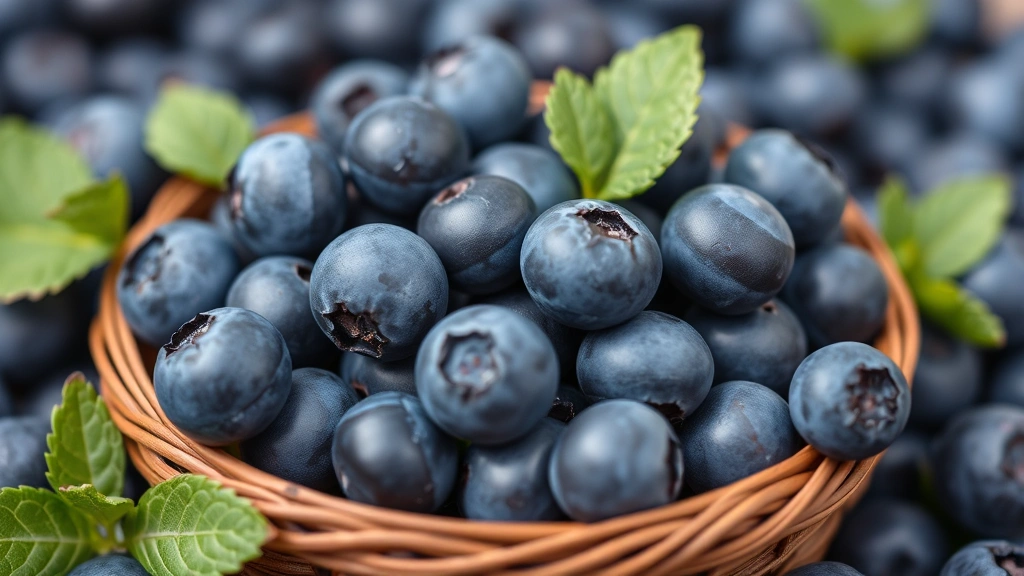
Vitamins C and E, beta-carotene, and selenium are powerful antioxidant players. You’ll find them in colorful vegetables like sweet potatoes, carrots, and blueberries. Some pets benefit from pet antioxidant supplements as well, especially senior pets or those with chronic conditions.
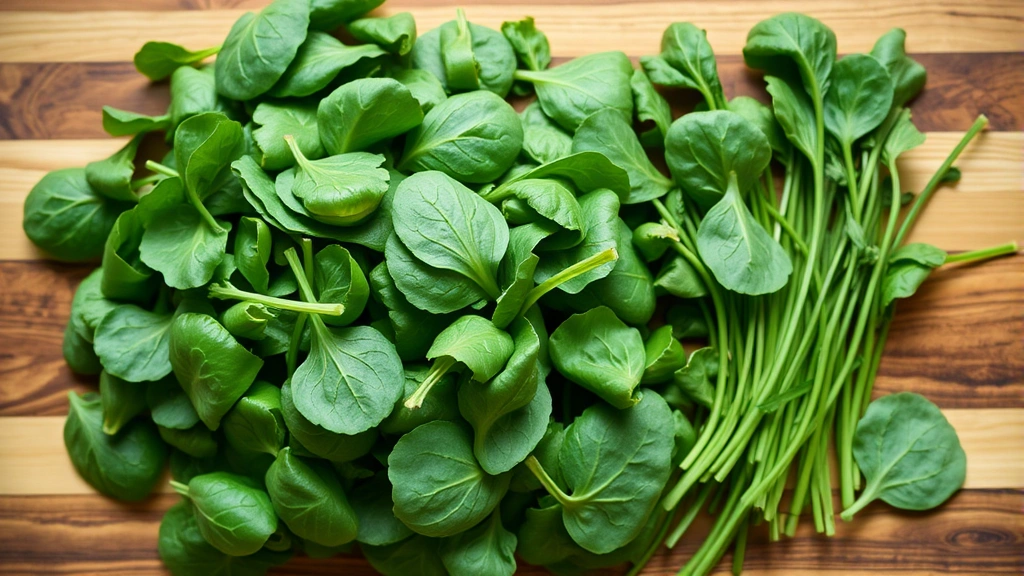
The cool part? Many premium pet foods are now formulated with antioxidant-rich ingredients specifically for immune support. Check labels for ingredients like spinach, blueberries, and pumpkin.
Probiotics and Prebiotics: The Gut Guardians
Remember that whole “70% of immune system in the gut” thing? Probiotics and prebiotics are how you keep that command center running smoothly. Probiotics are beneficial bacteria that live in your pet’s digestive tract and literally fight off bad bacteria.
Prebiotics are the food for those good bacteria—they’re non-digestible fibers that help probiotics thrive. Together, they create an environment where your pet’s immune system can flourish. Look for pet foods that include inulin, chicory root, or other prebiotic fibers alongside probiotic strains like Lactobacillus or Bifidobacterium.
If your pet has had antibiotics recently (which kill good bacteria along with bad), probiotic supplementation is basically mandatory for immune recovery.
Minerals and Vitamins: The Micronutrient MVPs
Zinc, copper, iron, and selenium are the unsung heroes of immune function. These minerals are cofactors in immune enzyme production. Without them, your pet’s immune system is like a car running on empty.
Vitamin A is crucial for maintaining healthy mucous membranes (your pet’s first line of defense). Vitamin D supports immune cell development. B vitamins power energy production for immune cells. When feeding for immune support, you need a complete and balanced diet that covers all these bases.
This is why generic, budget pet foods often fall short—they might hit minimum nutritional requirements but lack the micronutrient density needed for optimal immune function.
The 5 Proven Ways to Boost Immune Support Through Feeding
1. Choose High-Quality, Whole-Ingredient Diets
Invest in premium pet foods with recognizable whole ingredients. Look for AAFCO certification and consider brands that do third-party testing. Your wallet might hurt a little, but your vet visits will decrease.

2. Incorporate Immune-Boosting Whole Foods
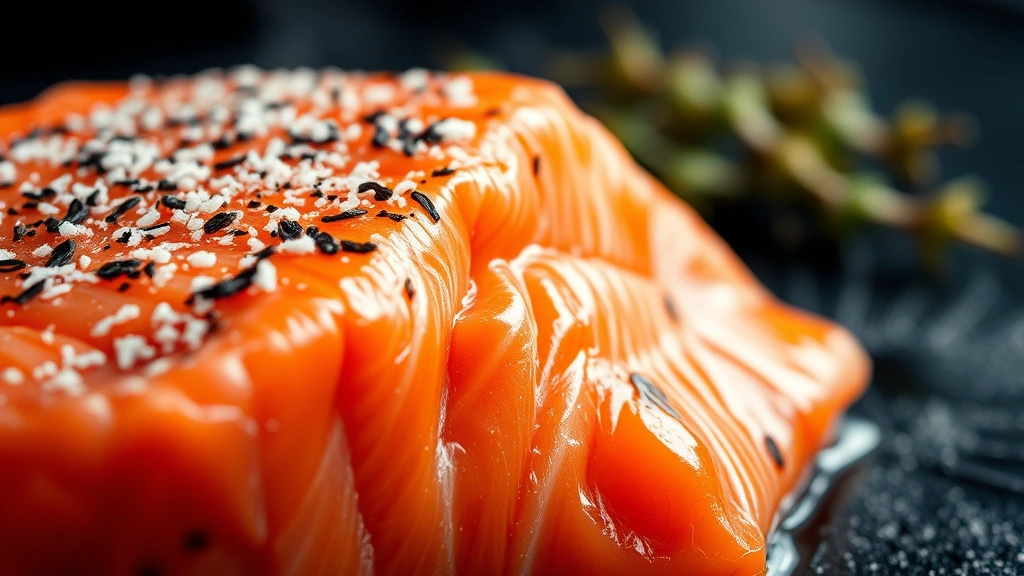
Add safe, pet-friendly whole foods to meals: cooked chicken, salmon, sweet potatoes, carrots, and blueberries. About 10% of daily calories can come from these toppers without throwing off nutrition.
3. Implement Proper Feeding Schedules
Consistency matters. Regular feeding schedules for pets help optimize digestion and nutrient absorption. A stable digestive system is an efficient immune system.
4. Add Strategic Supplements
Work with your vet to add targeted supplements. Omega-3s, probiotics, and antioxidants are the holy trinity of immune support supplementation.

5. Rotate Protein Sources Seasonally
Different proteins offer different nutrient profiles. Rotating between chicken, beef, fish, and lamb throughout the year provides varied micronutrients and prevents food sensitivities.
Special Feeding Considerations for Different Life Stages
Puppies and kittens have developing immune systems that need extra support. Senior pets have declining immune function that requires targeted nutrition. Feeding during illness requires completely different strategies than maintenance feeding.
Pregnant or nursing pets need increased calories and nutrients to support both themselves and their offspring’s immune development. Discuss life-stage appropriate feeding with your veterinarian.

Common Feeding Mistakes That Sabotage Immune Health
Feeding inconsistently disrupts gut bacteria balance. Switching foods too quickly causes digestive upset and immune stress. Overfeeding leads to obesity, which suppresses immune function. Underfeeding obviously starves the immune system of resources.
Using low-quality ingredients with excessive fillers provides calories but minimal immune support. Ignoring individual pet needs (allergies, sensitivities, breed-specific requirements) creates chronic inflammation that exhausts immune reserves.
Monitoring Your Pet’s Immune Health Through Nutrition
How do you know if your feeding strategy is working? Look for a shiny coat, healthy skin, consistent energy levels, and fewer infections or illness episodes. Pet health monitoring should include regular vet check-ups where bloodwork can reveal immune function markers.

Your pet should have stable weight, good digestion (normal stools, no excessive gas), and enthusiasm for life. These are all signs that feeding for immune support is paying off.
Frequently Asked Questions
How quickly will I see immune improvements from dietary changes?
Most pets show noticeable improvements in coat quality and energy within 4-6 weeks. Immune function improvements (fewer infections, better recovery) typically become apparent over 2-3 months. Patience is key—you’re building long-term health, not looking for overnight miracles.
Can I make homemade pet food for immune support?
You can, but it’s tricky. Homemade diets often lack proper mineral and vitamin balance unless formulated by a veterinary nutritionist. If you’re interested in home cooking, consult with a vet nutritionist to ensure you’re hitting all immune-supporting nutrients.

Are grain-free diets better for immune support?
Not necessarily. Grain-free doesn’t automatically equal better immune support. What matters is the overall nutritional profile, ingredient quality, and whether the diet is complete and balanced. Some pets thrive on grain-inclusive diets; others do better grain-free. Individual response matters more than trends.
How much should I spend on premium pet food?
Quality pet food typically costs 30-50% more than budget options, but you’ll likely save that in vet bills. Think of it as preventative healthcare spending rather than a luxury expense. Your pet’s health is worth it.
Can supplements alone boost immune support without diet changes?
Supplements are exactly that—supplemental. They work best alongside a high-quality base diet. No amount of supplements can compensate for poor nutrition. Start with feeding for immune support through diet first, then add targeted supplements.
What about prescription immune-support diets?
Prescription diets formulated for immune support can be excellent, especially for pets with specific health conditions. Your vet can recommend whether a prescription diet is appropriate for your pet’s individual needs.
Summary: Making Feeding for Immune Support a Lifestyle
Feeding for immune support isn’t complicated—it’s about choosing whole, nutrient-dense foods; maintaining consistency; and being intentional about what goes in your pet’s bowl. Your pet’s immune system is their greatest defense against disease, and nutrition is how you strengthen that defense.
Start by evaluating your current feeding strategy. Are you using high-quality proteins? Including healthy fats? Providing adequate micronutrients? Make one or two changes this week, monitor results over the next 6-8 weeks, and adjust as needed.
Your pet is counting on you to make smart nutrition choices. With feeding for immune support as your guiding principle, you’re not just extending your pet’s lifespan—you’re improving their quality of life. And that’s what pet parenthood is all about.
Ready to take the next step? Talk to your vet about whether coat health feeding routines or other specialized feeding strategies might benefit your specific pet. Every furry friend is unique, and their immune support nutrition should be too.





