
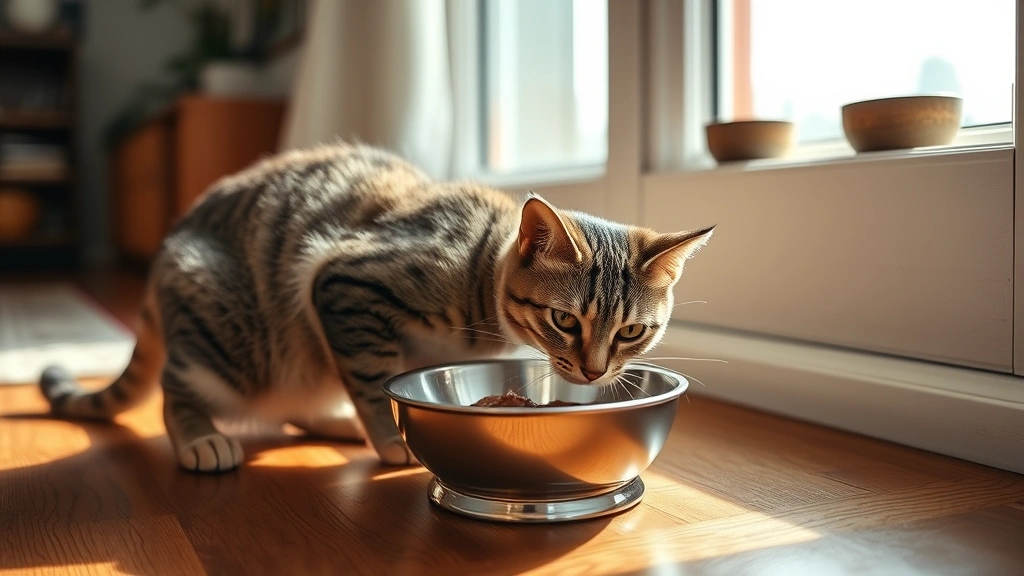
Feeding indoor vs outdoor cats isn’t just about dumping kibble in a bowl and calling it a day—these two lifestyles demand totally different nutritional approaches. Whether your feline friend is a couch potato or an adventurous explorer, their diet needs to match their energy levels, activity patterns, and environmental exposures. Let’s dig into what makes feeding these two groups so wildly different.
Table of Contents
- The Activity Level Game-Changer
- Caloric Needs and Weight Management
- Protein Requirements for Different Lifestyles
- Micronutrient Differences Between Indoor and Outdoor Felines
- Environmental Toxins and Dietary Adjustments
- Feeding Schedules: Free-Feeding vs. Portion Control
- Hydration Needs and Water Intake
- Seasonal Feeding Adjustments
- Disease Prevention Through Targeted Nutrition
- Quality Ingredients Matter Differently
- Practical Feeding Tips for Each Lifestyle
- Frequently Asked Questions
- Conclusion: Tailoring Nutrition to Lifestyle
The Activity Level Game-Changer
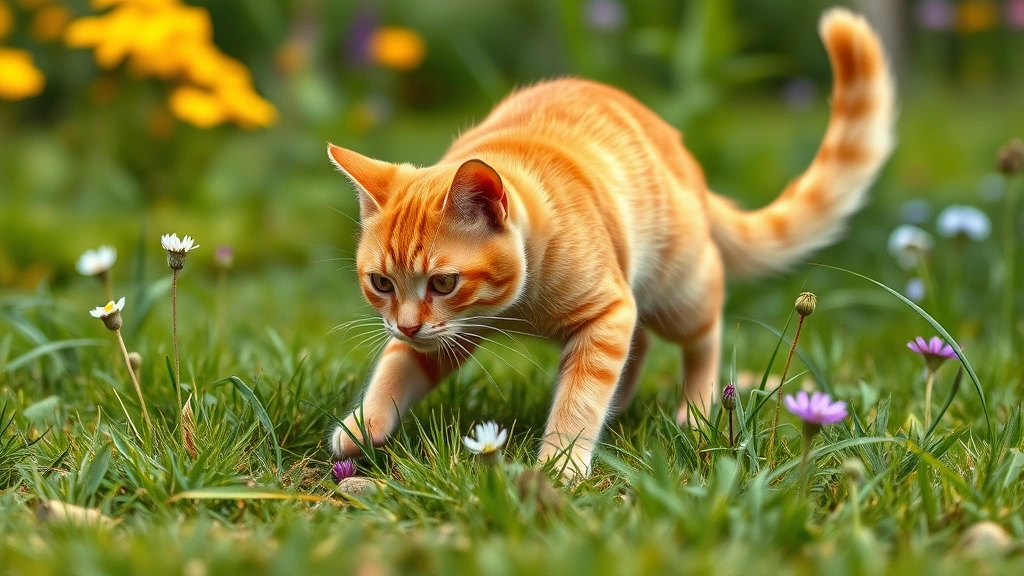
Here’s the biggest difference: outdoor cats burn calories like they’re running a 24/7 CrossFit gym. They’re climbing trees, hunting (or pretending to hunt), patrolling territory, and dealing with temperature fluctuations. Indoor cats? They’re basically professional nappers with occasional zoomies around 3 AM.
Outdoor and free-roaming cats typically need 20-30% more calories than their indoor counterparts because they’re actually using their bodies. An indoor cat might need around 200-250 calories per day, while an active outdoor cat could require 250-350 calories depending on size and season. This is why you can’t just feed them the same formula and expect the same results.
Caloric Needs and Weight Management
Indoor cats are obesity champions, and it’s not their fault—it’s ours. Without proper caloric management, indoor cats balloon up faster than a balloon animal at a kid’s birthday party. They need fewer calories but often get the same portions as outdoor cats, creating a perfect storm for weight gain.
Outdoor cats self-regulate better because they’re burning energy constantly. However, during harsh winters, outdoor cats might actually need MORE calories to maintain body temperature. This seasonal variation is something indoor cat owners rarely consider because their homes stay climate-controlled year-round.
Consider adding preventative care supplements to support metabolic health in indoor cats prone to weight issues.
Protein Requirements for Different Lifestyles
Cats are obligate carnivores, but their protein needs vary based on activity level. Active outdoor cats require higher protein intake (around 40% of diet) to maintain muscle mass and support their hunting instincts. Indoor cats still need protein, but slightly less—around 30-35% is typically sufficient for maintaining lean muscle without excess.
The type of protein matters too. Outdoor cats benefit from whole prey proteins and varied meat sources because they’d naturally hunt different animals. Indoor cats thrive on consistent, high-quality protein sources that support their less demanding lifestyle.
Micronutrient Differences Between Indoor and Outdoor Felines
Here’s where it gets interesting: outdoor cats get natural exposure to sunlight (vitamin D synthesis), potentially consume whole prey (providing minerals and vitamins), and face different parasitic pressures. Indoor cats miss these natural sources, making supplementation more critical.
Outdoor cats exposed to varied diets through hunting get natural micronutrient diversity. Indoor cats eating the same kibble daily need broader nutritional support. This is why pet multivitamins are particularly important for indoor cats—they’re essentially nutritional insurance against dietary gaps.
Indoor cats also benefit from specific supplements like omega-9 for cats to support skin and coat health, since they’re not naturally grooming themselves through hunting activities the same way outdoor cats do.
Environmental Toxins and Dietary Adjustments
Outdoor cats are exposed to pesticides, plants, and environmental contaminants that indoor cats avoid. This means outdoor cats need stronger liver and kidney support through their diet. Higher levels of antioxidants and detoxifying nutrients become more important for outdoor felines.
Indoor cats face different challenges—primarily from air quality, litter box dust, and household chemicals. Their dietary needs should support respiratory and urinary health, particularly for males prone to urinary blockages. This is where sensitive stomach supplements can help manage digestive issues common in indoor cats.
Feeding Schedules: Free-Feeding vs. Portion Control
Outdoor cats often need free-access feeding because they expend energy unpredictably. They might hunt successfully one day and come home hungry the next. Free-feeding works for outdoor cats because their activity naturally regulates intake.
Indoor cats? Free-feeding is basically asking for an obese cat. They need scheduled meals, typically 2-3 times daily, with portion control. This structured approach prevents overeating and helps maintain healthy weight. Indoor cats also benefit from meal-based feeding because it allows you to monitor their intake and catch health issues early.
Hydration Needs and Water Intake
Indoor cats often don’t drink enough water because they’re not as active and don’t feel the same thirst triggers. Outdoor cats, especially in warm months, naturally drink more. This hydration difference affects kidney health and urinary function significantly.
Indoor cats should have multiple water sources, elevated bowls, and ideally a cat water fountain to encourage drinking. Wet food becomes more important for indoor cats specifically because it increases water intake. Outdoor cats often supplement their water intake from natural sources, so they’re less dependent on dietary moisture.
Seasonal Feeding Adjustments
Outdoor cats experience dramatic seasonal changes requiring dietary adjustments. Winter means thicker coats, slower metabolism, and higher caloric needs. Summer brings increased activity and different prey availability. Outdoor cat owners should adjust portions seasonally—increasing calories in winter and potentially decreasing in summer.
Indoor cats experience minimal seasonal variation since their environment stays constant. However, they might show behavioral changes during seasonal transitions due to light exposure changes. Consistent feeding year-round is typically fine for indoor cats, though some benefit from pet supplement dosage guidance adjustments if they become less active during darker months.
Disease Prevention Through Targeted Nutrition
Indoor cats face specific health risks: obesity, diabetes, urinary issues, and dental disease from lack of natural chewing. Their diet should actively prevent these conditions through appropriate calorie density, moisture content, and dental-supporting kibble texture.
Outdoor cats face different risks: parasites, infections, and nutritional deficiencies from inconsistent hunting success. Their diet should support immune function and parasite resistance. Both groups benefit from preventative nutrition, but the focus differs dramatically.
Quality Ingredients Matter Differently
For indoor cats, ingredient quality is paramount because they’re eating the same food daily for years. Poor-quality ingredients accumulate in their systems. For outdoor cats, dietary variety naturally offsets ingredient quality issues somewhat—they’re getting different nutrients from hunting.
This doesn’t mean outdoor cats should eat low-quality food, but indoor cats absolutely need premium, digestible ingredients. They’re not getting the natural enzymatic support from whole prey, so their commercial food must be nutritionally complete and bioavailable.
Practical Feeding Tips for Each Lifestyle
For Indoor Cats:
- Measure portions carefully—typically 150-250 calories daily depending on weight
- Use scheduled meals rather than free-feeding
- Incorporate wet food for hydration and satiety
- Provide multiple water sources
- Adjust portions if they gain weight
- Consider supplements for nutritional gaps
For Outdoor Cats:
- Allow free-access feeding to accommodate variable activity
- Increase calories 15-20% during winter months
- Provide higher protein content (40%+)
- Offer varied protein sources when possible
- Ensure fresh water is always available
- Support immune function with quality nutrition
Frequently Asked Questions
Can I feed my indoor cat the same food as my outdoor cat?
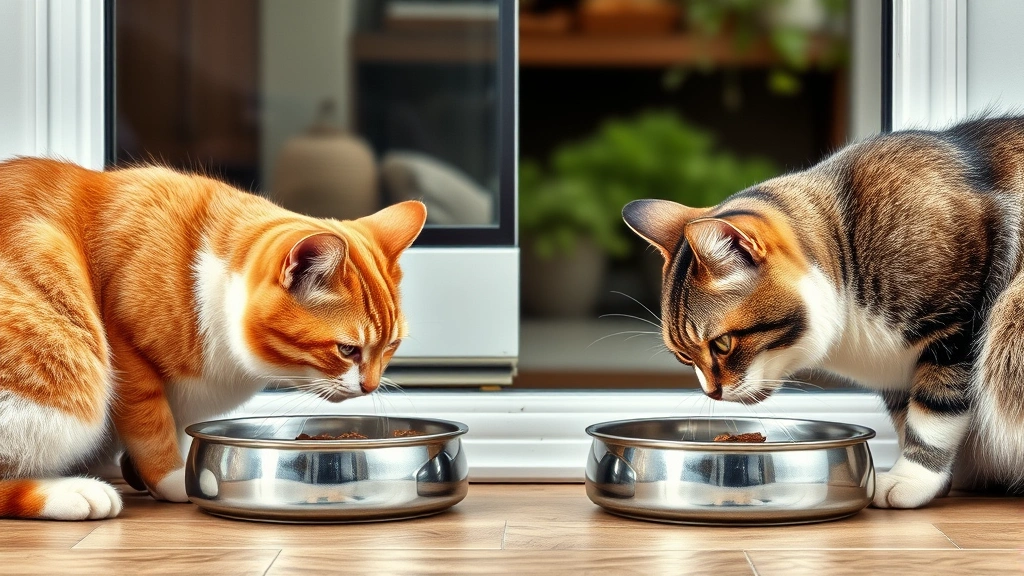
Not ideally. Outdoor cats need higher calories and protein. Feeding an indoor cat outdoor-cat food will likely lead to obesity. They’re designed for different activity levels and nutritional demands. If you have both, feeding them separately ensures each gets appropriate nutrition for their lifestyle.
How often should I feed indoor versus outdoor cats?
Indoor cats typically need 2-3 scheduled meals daily with portion control. Outdoor cats can handle free-feeding since they self-regulate through activity. Some outdoor cats do well with 1-2 larger meals if they hunt successfully, while others need constant access to supplemental food.
Do outdoor cats need supplements?
Not necessarily as much as indoor cats, since they get natural nutrients from hunting and environmental exposure. However, outdoor cats benefit from supplements supporting immune function and parasite resistance, especially during harsh seasons.
Why do indoor cats get fat so easily?
Indoor cats have lower energy expenditure but often eat the same portions as outdoor cats. They’re also prone to boredom-eating. Without intentional calorie management and portion control, indoor cats rapidly gain weight. Their sedentary lifestyle means excess calories convert to fat quickly.
Should indoor cats eat wet food or dry food?
Both have benefits. Wet food increases hydration and satiety, helping prevent overeating. Dry food supports dental health through natural abrasion. Ideally, feed a combination—primarily wet food with some dry kibble to maintain dental health and variety.
How do I know if my indoor cat is getting enough exercise and nutrition?
Monitor weight, energy levels, and coat condition. Ideal indoor cats maintain lean muscle, have shiny coats, and show playfulness. Adjust food portions if weight creeps up. Provide enrichment activities and toys to increase activity. Consider consulting a vet if your indoor cat seems lethargic or gains weight despite portion control.
Conclusion: Tailoring Nutrition to Lifestyle
Feeding indoor vs outdoor cats requires fundamentally different approaches because their lifestyles are fundamentally different. Indoor cats need careful calorie management, structured feeding schedules, and targeted supplementation to prevent common health issues. Outdoor cats need higher calories, varied proteins, and seasonal adjustments to support their active lifestyle and environmental exposures.
The key is recognizing that one-size-fits-all feeding doesn’t work. Your indoor cat lounging on the couch has completely different nutritional needs than your outdoor cat patrolling the neighborhood. By tailoring their diet to their lifestyle, you’re not just feeding them—you’re actively supporting their health, preventing disease, and giving them the best chance at a long, happy life.
Remember, when in doubt about specific dietary needs or supplementation, consult your veterinarian. They can assess your individual cat’s health status, activity level, and unique needs to recommend the perfect feeding strategy.





