
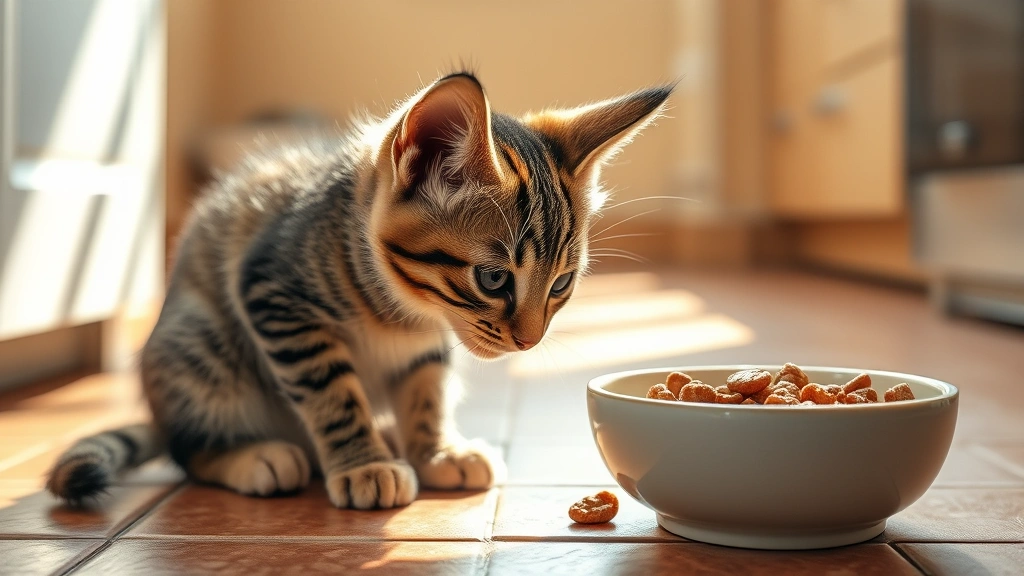
Feeding kittens frequently is one of the most critical aspects of raising a healthy, happy feline companion, and honestly, it’s way more important than most new cat parents realize. Unlike adult cats who can get by with one or two meals a day, kittens are basically tiny furry eating machines that require multiple meals throughout the day to fuel their rapid growth and development. If you’ve just brought home a kitten and you’re wondering how often to feed the little furball, you’re in the right place.
Table of Contents
- Why Frequent Feeding Matters for Kitten Development
- The Ideal Feeding Schedule for Young Kittens
- Portion Sizes and Caloric Needs
- Choosing the Right Kitten Food
- Wet Food vs. Dry Food for Frequent Feeding
- Hydration and Water Intake
- Signs Your Kitten Isn’t Getting Enough Food
- Nutritional Supplements for Growing Kittens
- Transitioning to Adult Feeding Schedules
- Common Feeding Mistakes to Avoid
- When to Consult Your Veterinarian
- Frequently Asked Questions
- Summary: Getting Kitten Feeding Right
Why Frequent Feeding Matters for Kitten Development
Here’s the thing: kittens grow at an absolutely bonkers rate. In their first year of life, they go from weighing just a few ounces to becoming full-sized cats. That kind of growth requires serious fuel. When you’re feeding kittens frequently, you’re not just filling their bellies—you’re providing the building blocks for healthy bones, muscles, organs, and brains. Young kittens have faster metabolisms than adult cats, which means they burn through calories quicker and need to eat more often to maintain steady energy levels and support proper development.
The Ideal Feeding Schedule for Young Kittens
The feeding schedule for kittens varies depending on their age, but here’s a general breakdown. Kittens aged 6-12 weeks old should eat four times per day. That’s roughly every four to six hours. Once they hit 3-6 months old, you can drop it down to three meals daily. From 6 months to one year, twice-daily feeding is typically sufficient. The key is consistency—your kitten’s digestive system thrives on a predictable routine. Think of it like this: you wouldn’t expect a human toddler to go all day on one meal, right? Same logic applies to your kitten.
Portion Sizes and Caloric Needs
Portion control is absolutely crucial when feeding kittens frequently. It’s easy to overfeed, especially when those adorable eyes are staring up at you begging for more. A general rule of thumb is to feed your kitten about 25 calories per pound of body weight daily. So if your kitten weighs 2 pounds, they need roughly 50 calories per day split across their meals. Most commercial kitten foods have feeding guidelines on the package based on weight and age, so start there and adjust as needed. Your vet can help you dial in the perfect amount during check-ups.
Choosing the Right Kitten Food
Not all cat foods are created equal, and feeding kittens frequently with the wrong food can actually do more harm than good. Look for kitten-specific formulas (not adult cat food—that’s a common mistake). Kittens need higher levels of protein and fat to support growth, plus they need essential amino acids like taurine. Quality kitten food should list meat as the first ingredient, not corn or by-products. Wet food, dry kibble, or a combination of both all work fine—just make sure whatever you choose is formulated specifically for kittens. If your kitten has a sensitive stomach, consider supplementing with sensitive stomach supplements to keep their digestive system happy.
Wet Food vs. Dry Food for Frequent Feeding
When feeding kittens frequently, you’ll need to decide between wet food, dry food, or a mix of both. Wet food has higher moisture content and can help keep your kitten hydrated, plus it’s often more palatable for picky eaters. Dry kibble is convenient, more affordable, and helps keep teeth clean through the chewing action. Many vets recommend a combination approach—maybe wet food for breakfast and dinner, with some dry kibble available throughout the day for snacking. Whatever you choose, consistency is key. Switching foods suddenly can cause digestive upset, so introduce any new food gradually over 7-10 days by mixing it with their current food.
Hydration and Water Intake
Here’s something people often overlook: when feeding kittens frequently with dry food, you need to ensure they’re drinking enough water. Kittens don’t always have a strong thirst drive, so they might not drink as much as they should. Wet food naturally provides more moisture, which is why many vets recommend including it in your kitten’s diet. Make sure fresh water is always available in multiple locations around your home. Some kittens prefer running water, so a cat water fountain might encourage them to drink more. Proper hydration supports kidney function and overall health.
Signs Your Kitten Isn’t Getting Enough Food
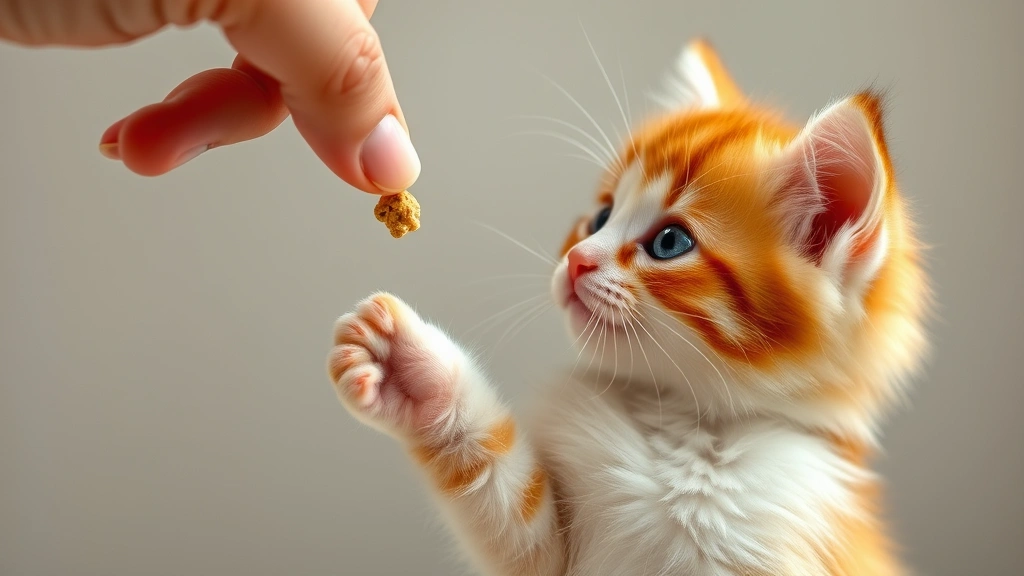
If you’re worried about whether you’re feeding kittens frequently enough, watch for these warning signs. A kitten that’s constantly crying or meowing, appears lethargic, has a dull coat, or isn’t gaining weight might not be eating enough. Conversely, if your kitten’s ribs aren’t visible when you gently feel their sides, or if they’re becoming overweight, you might be overfeeding. Growth should be steady and gradual. If you notice any concerns, schedule a remote vet consultation to get professional guidance tailored to your specific kitten.
Nutritional Supplements for Growing Kittens
While a quality kitten food should provide most nutrients your kitten needs, some supplements can support optimal growth and development. Pet multivitamins can fill any nutritional gaps, especially if your kitten has dietary restrictions. Liquid probiotics for pets support digestive health and can be particularly helpful if your kitten experiences any stomach issues. Always consult your vet before adding supplements, and follow pet supplement dosage guidance carefully to avoid giving too much.
Transitioning to Adult Feeding Schedules
Around one year of age, your kitten becomes an adult and can transition to a twice-daily feeding schedule. This transition should happen gradually—don’t suddenly cut meals in half. Start by extending the time between meals by 30 minutes to an hour, and watch your cat’s behavior. Some adult cats do fine with one meal a day, but most veterinarians recommend sticking with two meals to help maintain consistent energy and prevent overeating. The switch from kitten food to adult cat food should also happen gradually over 7-10 days to avoid digestive upset.
Common Feeding Mistakes to Avoid
When feeding kittens frequently, there are some common pitfalls to watch out for. First, don’t feed your kitten adult cat food—it doesn’t have the right nutrient balance for growing bodies. Second, avoid feeding table scraps or human food, which can cause digestive issues and bad eating habits. Third, don’t leave wet food out for more than a couple hours, as it can spoil and harbor bacteria. Fourth, resist the urge to free-feed (leaving food out all day) with wet food, though some people do this with dry kibble. Finally, never assume all kitten foods are equivalent—read labels and choose high-quality options.
When to Consult Your Veterinarian
Your vet is your best resource when it comes to feeding kittens frequently. They can assess your individual kitten’s growth rate, health status, and specific needs. Schedule a check-up at 6-8 weeks of age, then again at 12 weeks, 16 weeks, and around 6 months. These visits allow your vet to monitor growth, check for any health issues, and adjust feeding recommendations as needed. If your kitten shows signs of digestive problems, allergies, or isn’t growing as expected, don’t wait—reach out to your vet right away.
Frequently Asked Questions
How many times a day should I feed my 8-week-old kitten?
An 8-week-old kitten should eat four times per day, roughly every four to six hours. This frequent feeding supports their rapid growth and keeps their metabolism running smoothly. Make sure each meal is appropriately sized based on the kitten food’s feeding guidelines for their weight.
Can I overfeed my kitten?
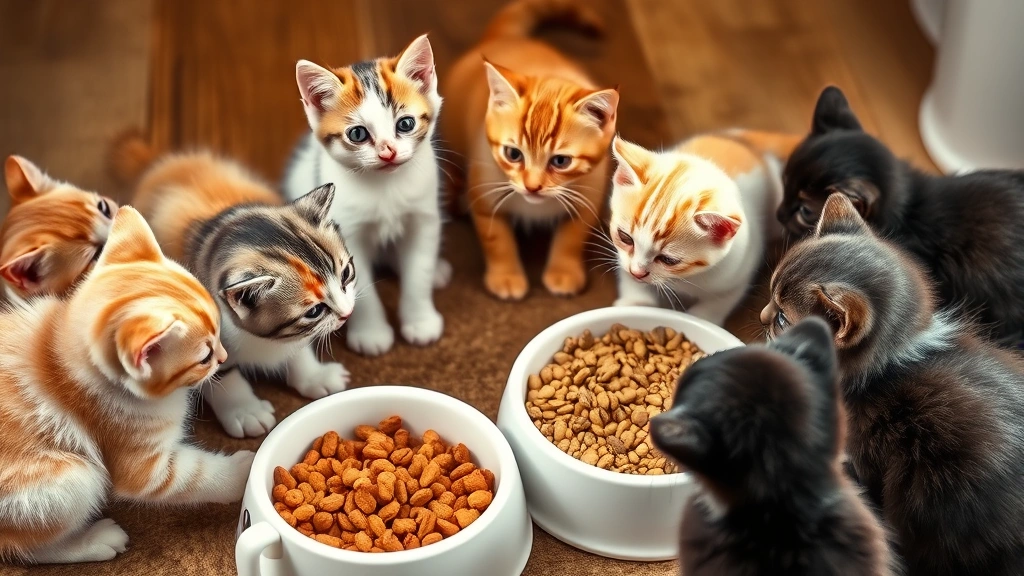
Yes, you can absolutely overfeed a kitten, which can lead to obesity and health problems down the road. Follow the feeding guidelines on your kitten food packaging and monitor your kitten’s body condition. You should be able to feel their ribs gently without seeing them prominently protruding.
Is it okay to feed my kitten only dry food?
While kittens can survive on dry food alone, a combination of wet and dry food is often better because wet food provides additional hydration. If you choose to feed only dry kibble, ensure your kitten has constant access to fresh water and monitor their water intake closely.
When should I switch from kitten food to adult cat food?
Most kittens are ready to transition to adult cat food around 12 months of age. However, some larger breeds might need kitten food a bit longer. Your vet can advise you on the best timing for your specific kitten. Always transition gradually over 7-10 days to avoid digestive upset.
What should I do if my kitten won’t eat?
Loss of appetite in kittens can indicate illness or stress. If your kitten refuses food for more than a few hours or shows other signs of illness, contact your veterinarian immediately. Sometimes a change in food, feeding location, or feeding schedule can help, but medical issues need to be ruled out first.
How do I know if my kitten is eating enough?
A kitten eating enough will have steady weight gain, a shiny coat, good energy levels, and regular bowel movements. You should be able to feel their ribs without pressing hard. If you have concerns about growth or appetite, discuss them with your vet during regular check-ups.
Summary: Getting Kitten Feeding Right
Feeding kittens frequently is absolutely essential for healthy growth and development. Young kittens need multiple meals throughout the day to fuel their rapid development and maintain consistent energy levels. Start with four meals daily for kittens under 12 weeks, gradually reducing to three meals, then two as they grow. Choose high-quality kitten-specific food, monitor portion sizes carefully, and ensure your kitten stays hydrated. Watch for signs of proper growth and development, and don’t hesitate to consult your veterinarian with any concerns. By getting the feeding routine right during these crucial early months, you’re setting your kitten up for a long, healthy, happy life as an adult cat.





