
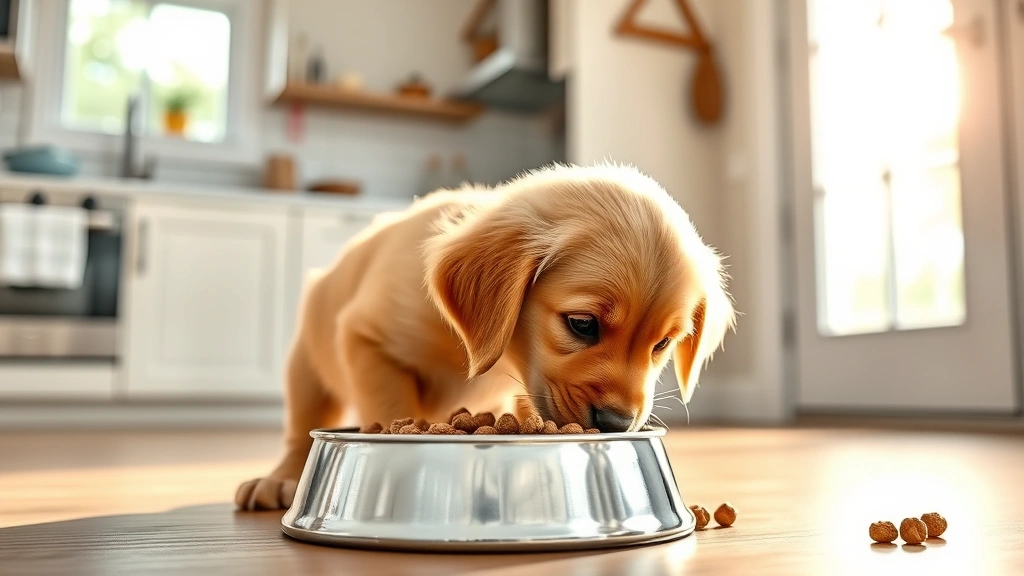
Feeding puppies multiple times throughout the day is one of the most critical responsibilities of new puppy parents, and honestly, it’s way more important than most people realize. Your adorable little furball isn’t just a tiny adult dog—their metabolism is turbo-charged, their energy levels are through the roof, and their developing bodies need consistent fuel to grow strong and healthy.
Table of Contents
- Why Feeding Puppies Multiple Times Matters for Growth
- The Ideal Puppy Feeding Schedule by Age
- Portion Control: How Much to Feed at Each Meal
- Choosing the Right Puppy Food for Multiple Daily Meals
- Establishing a Consistent Feeding Routine
- Transitioning Between Feeding Schedules
- Hydration: Don’t Forget the Water!
- Supplements and Nutritional Support for Growing Puppies
- Common Feeding Mistakes to Avoid
- Monitoring Your Puppy’s Health Through Feeding
- Frequently Asked Questions
- Summary: Your Puppy Feeding Roadmap
Why Feeding Puppies Multiple Times Matters for Growth
Here’s the thing: puppies burn calories like tiny furry furnaces. A growing pup’s metabolic rate is roughly double that of an adult dog, which means they need more frequent meals to maintain steady energy levels and support proper development. When you’re feeding puppies multiple times, you’re not just filling their bellies—you’re providing the building blocks for strong bones, healthy organs, and a sharp brain.
Young puppies have tiny stomachs that can’t hold enough food to sustain them through long periods without eating. Feeding them once or twice daily would be like asking a marathon runner to eat only at breakfast and dinner. It just doesn’t work. Their blood sugar crashes, they become irritable, and their growth can actually be compromised.
The Ideal Puppy Feeding Schedule by Age
The frequency of feeding puppies multiple times depends heavily on their age. Let’s break this down so you’re not left guessing:
8 to 12 Weeks Old: Your tiny pup needs four meals daily. Yes, four. Space them out roughly every 4-5 hours. This might mean breakfast at 7 AM, lunch at 11 AM, dinner at 3 PM, and a final meal at 7 PM. Your schedule will revolve around this, but it’s temporary and absolutely necessary.
3 to 6 Months Old: Now you can transition to three meals daily, spaced about 6-8 hours apart. This is usually when puppies start sleeping through the night without needing a midnight snack.
6 Months to 1 Year: Most puppies can handle twice-daily feeding at this stage. Morning and evening meals work great for most families.
After their first birthday, most dogs transition to adult feeding schedules, though some breeds benefit from continuing twice-daily meals. Always check breed-specific guidelines and consult your veterinarian.
Portion Control: How Much to Feed at Each Meal
Overfeeding is just as problematic as underfeeding, and it’s a mistake many well-meaning puppy parents make. When feeding puppies multiple times, you need to calculate the total daily calories your pup needs, then divide that by the number of meals.
Most commercial puppy foods have feeding guidelines on the package based on your puppy’s current weight and expected adult size. As a general rule, puppies need roughly 25-30 calories per pound of body weight daily. A 10-pound puppy would need about 250-300 calories per day, split across their meals.
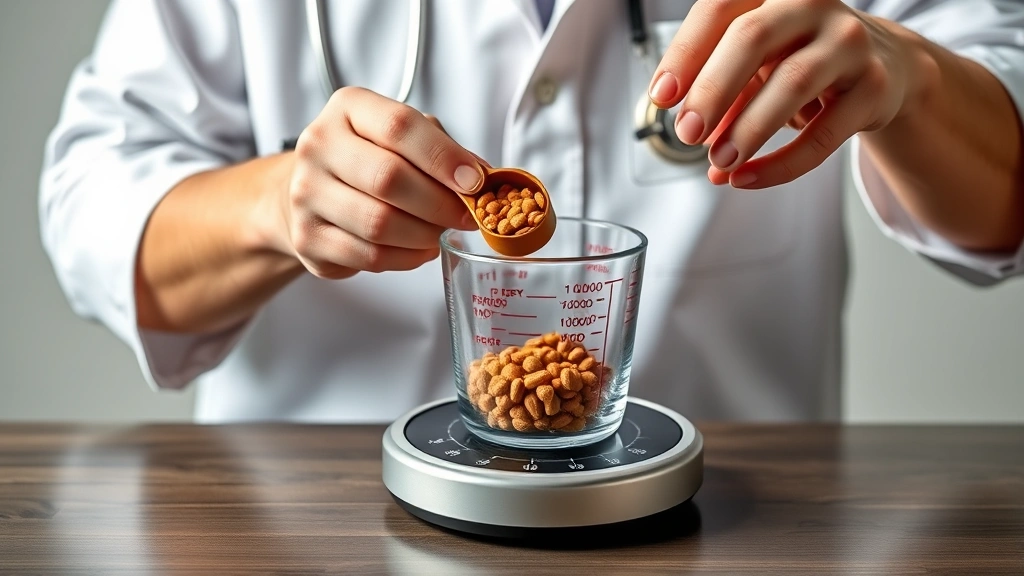
Don’t just eyeball portions—use a measuring cup. Obesity in puppies can lead to joint problems, metabolic issues, and a lifetime of weight struggles. Plus, overweight puppies grow too quickly, which stresses their developing bones and joints.
Choosing the Right Puppy Food for Multiple Daily Meals
Not all puppy foods are created equal, and when you’re feeding puppies multiple times daily, you want quality nutrition at every meal. Look for foods specifically formulated for puppies—they have the right balance of protein, fat, and essential nutrients like calcium and phosphorus that adult foods lack.
Check that the first ingredient is a quality protein source like chicken, beef, or fish—not by-products or meal. Your puppy’s developing brain and muscles need real protein. If your pup has a sensitive stomach, you might want to explore sensitive stomach supplements to support digestive health alongside their regular meals.
Consider whether you want to stick with one brand or rotate between quality options. Some puppies do better with limited ingredient diets, while others thrive on traditional formulas. This is where your vet becomes your best friend—they can recommend brands based on your pup’s specific needs.
Establishing a Consistent Feeding Routine
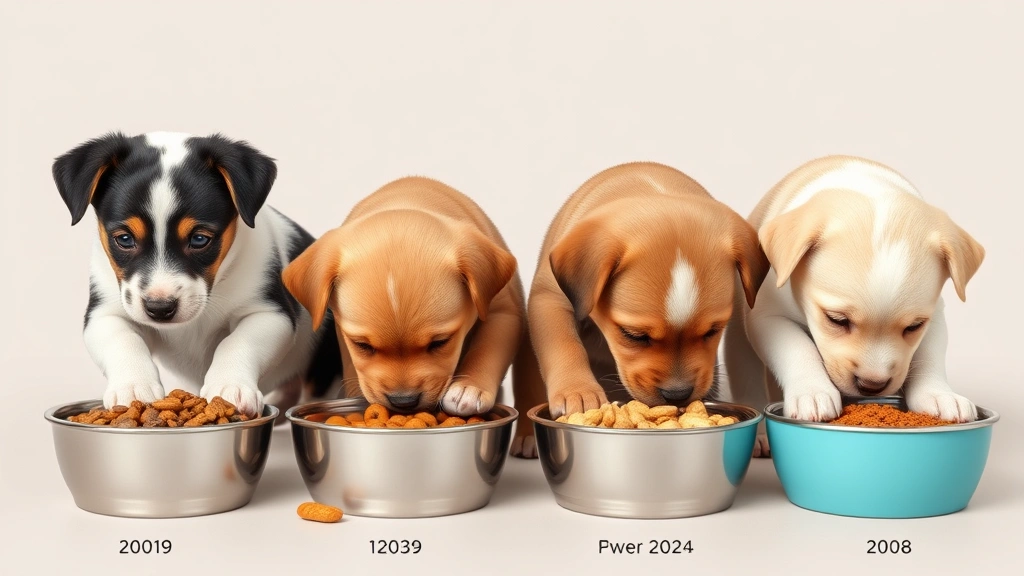
Puppies thrive on routine, and consistency is absolutely crucial when feeding puppies multiple times. Set specific times for meals and stick to them religiously. This predictability helps with house training, reduces anxiety, and teaches your pup that good things happen on schedule.
Feed your puppy in the same location each time, use the same bowl, and maintain the same pre-meal ritual. Some puppies benefit from a short walk before meals to stimulate their appetite and digestive system. Others do better with a calm period after eating to aid digestion and prevent bloat.
Pro tip: Feed your puppy about 15-20 minutes before you plan to take them outside. This creates a predictable bathroom schedule, which is a game-changer for house training. You’ll know almost exactly when your pup needs to go potty, making accidents far less likely.
Transitioning Between Feeding Schedules
As your puppy grows, you’ll need to gradually reduce the number of meals. Never make abrupt changes—this can cause digestive upset and confusion. When transitioning from four meals to three, gradually combine two of the meals over a week or two. Mix the food from the two meals you’re combining, then slowly shift to feeding at the new time.
The same principle applies when moving from three meals to two. Make the transition gradual, watching your pup’s energy levels and stool quality. If they seem hungry or their stools become loose, you might be transitioning too quickly.
Hydration: Don’t Forget the Water!
While we’re talking about feeding puppies multiple times, let’s not forget about water. Puppies need constant access to fresh, clean water throughout the day. Dehydration can happen quickly in young pups, especially during warm weather or if they’re particularly active.
A good rule of thumb is to provide water at every meal and between meals as well. Some puppies drink more than others, so monitor their water intake and adjust accordingly. If your puppy seems constantly thirsty or has changes in drinking habits, mention it to your vet—it could indicate a health issue.
Supplements and Nutritional Support for Growing Puppies
When feeding puppies multiple times with quality food, you might wonder if supplements are necessary. For most puppies eating a complete and balanced commercial diet, additional supplements aren’t needed. However, some situations warrant supplementation.
Large breed puppies sometimes benefit from joint support supplements to protect their rapidly growing bones and joints. Pet multivitamins can be helpful if your pup has dietary restrictions or if you’re feeding a homemade diet. If you’re considering supplementing your puppy’s diet, start with pet supplement dosage guidance to ensure you’re giving appropriate amounts for their age and size.
Always discuss supplementation with your veterinarian before starting anything new. They can recommend products that complement your feeding schedule and support your puppy’s specific developmental needs.
Common Feeding Mistakes to Avoid
Let’s talk about the pitfalls. First, don’t fall for the “free feeding” trap where you leave food out all day. When feeding puppies multiple times on a schedule, you have control and can monitor their intake. Free feeding makes it impossible to track how much they’re eating and can lead to overeating and obesity.
Second, resist the urge to give your puppy “people food” during your meals. It teaches them to beg, can cause digestive upset, and some human foods are actually toxic to dogs. Stick to their regular meals and appropriate treats.
Third, don’t switch foods too quickly. If you need to change brands, do it gradually over 7-10 days, mixing increasing amounts of the new food with the old. Abrupt food changes cause digestive issues that nobody wants to deal with.
Finally, avoid feeding your puppy immediately before or after vigorous exercise. This increases the risk of bloat, a potentially life-threatening condition. Wait at least 30-60 minutes after meals before intense play, and vice versa.
Monitoring Your Puppy’s Health Through Feeding
When you’re feeding puppies multiple times daily, you’re in the perfect position to monitor their health. Pay attention to their energy levels, coat quality, stool consistency, and growth rate. A healthy puppy should have shiny fur, good energy, firm stools, and steady growth.
If your puppy seems lethargic, has diarrhea or constipation, or isn’t growing as expected, it might be a feeding issue or something more serious. Don’t wait—contact your veterinarian. Regular puppy wellness checks are essential during this critical growth phase, and your vet can adjust feeding recommendations based on your pup’s individual needs.
Keep records of your puppy’s weight at each vet visit. This helps you and your vet track growth patterns and make sure your puppy is on track. Large breed puppies especially need to grow at the right pace—too fast and their joints suffer, too slow and they’re not getting adequate nutrition.
Frequently Asked Questions
Can I feed my puppy less frequently to save time?
Technically, you could, but it’s not ideal. Feeding puppies multiple times daily is based on their nutritional and developmental needs, not convenience. That said, if you’re struggling with the schedule, talk to your vet about options. They might suggest adjusting meal times to fit your life better, but reducing the total number of meals could impact your puppy’s growth and behavior.
What’s the best puppy food for frequent feeding schedules?
Look for AAFCO-certified puppy formulas from reputable brands. Quality matters more than frequency—feeding puppies multiple times with mediocre food is less beneficial than feeding fewer times with excellent nutrition. Consult your vet for breed-specific recommendations.
How do I know if my puppy is eating enough?
Your puppy should have a visible waist, you should be able to feel their ribs without pressing hard, and they should be growing steadily. They should have energy for play but not be hyperactive from hunger. Your vet can assess body condition and growth at each visit.
Should I use a puppy pad near the feeding area?
Many people do, especially when feeding puppies multiple times throughout the day. Since puppies need to go out shortly after eating, having a pad nearby can catch accidents. However, house training is easier with consistent outdoor bathroom breaks rather than relying on pads.
Can I mix wet and dry food when feeding puppies multiple times?
Absolutely. Many puppies thrive on a combination of wet and dry food. Wet food can be more palatable and easier to digest, while dry food is convenient and supports dental health. Just make sure the total calories still fit within your puppy’s daily needs.
What if my puppy refuses to eat at scheduled meal times?
Leave the food down for 15-20 minutes, then remove it. Don’t offer anything else until the next scheduled meal. This teaches your puppy to eat when food is available. If your pup consistently refuses meals or seems ill, contact your vet immediately.
Summary: Your Puppy Feeding Roadmap
Feeding puppies multiple times daily isn’t just a recommendation—it’s essential for proper growth, development, and behavior. Your young pup needs four meals until about 12 weeks old, then three meals until 6 months, then two meals until adulthood. Quality nutrition, consistent scheduling, and portion control are your keys to success.
Remember that every puppy is unique. What works perfectly for your friend’s Golden Retriever might need tweaking for your Chihuahua. Your veterinarian is your partner in this journey, so don’t hesitate to ask questions and adjust your feeding approach based on your individual puppy’s needs.
The effort you put into establishing good feeding habits now pays dividends throughout your dog’s life. You’re not just feeding a puppy—you’re building the foundation for a healthy, happy adult dog. That’s pretty amazing when you think about it.





