
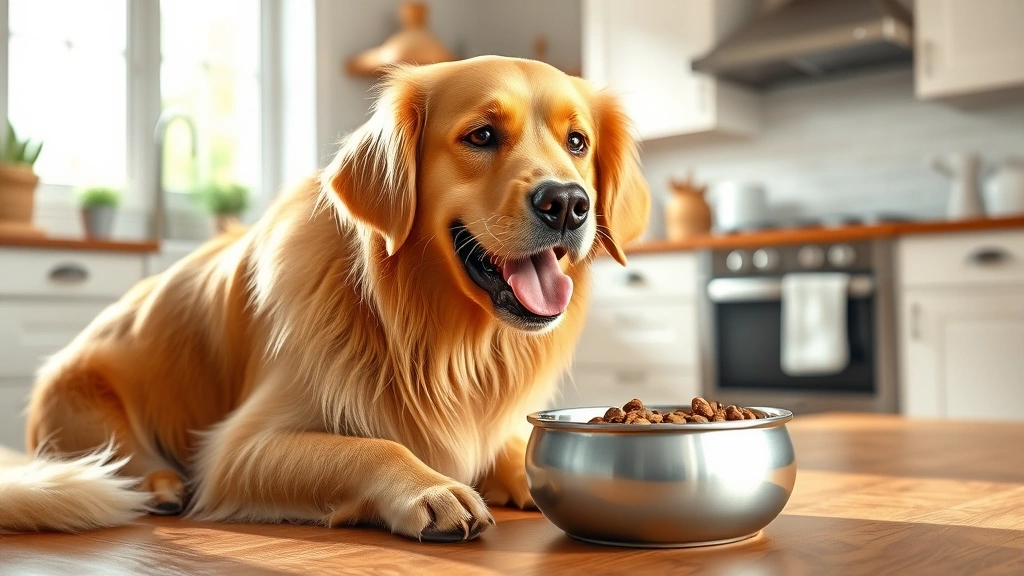
Feeding schedule apps have revolutionized how pet owners manage their furry friends’ nutrition, transforming what used to be a sticky note on the fridge into a sophisticated digital system that tracks everything from portion sizes to feeding times. If you’re tired of guessing whether Fluffy already ate breakfast or wondering if you’re overfeeding your pup, these apps are about to become your new best friend.
Table of Contents
- Why Feeding Schedule Apps Are Game-Changers for Pet Owners
- Top Features to Look For in Pet Feeding Apps
- Understanding Free Feeding vs. Scheduled Feeding Through Apps
- Portion Control Made Simple with Digital Tools
- Best Feeding Schedule Apps on the Market Today
- Integration with Other Pet Care Tools and Systems
- How Feeding Schedule Apps Help Prevent Obesity and Health Issues
- Setting Up Your First Feeding Schedule App
- Real-World Success Stories: How Feeding Apps Changed Pet Lives
- Common Mistakes to Avoid When Using Feeding Apps
- Frequently Asked Questions
- Conclusion: Making Feeding Schedule Apps Work for You
Why Feeding Schedule Apps Are Game-Changers for Pet Owners
Let’s be real: remembering to feed your pet at the exact same time every day is harder than it sounds, especially when life gets chaotic. Between work deadlines, social obligations, and the general madness of adulting, your pet’s feeding routine can slip through the cracks faster than a greased-up corgi.
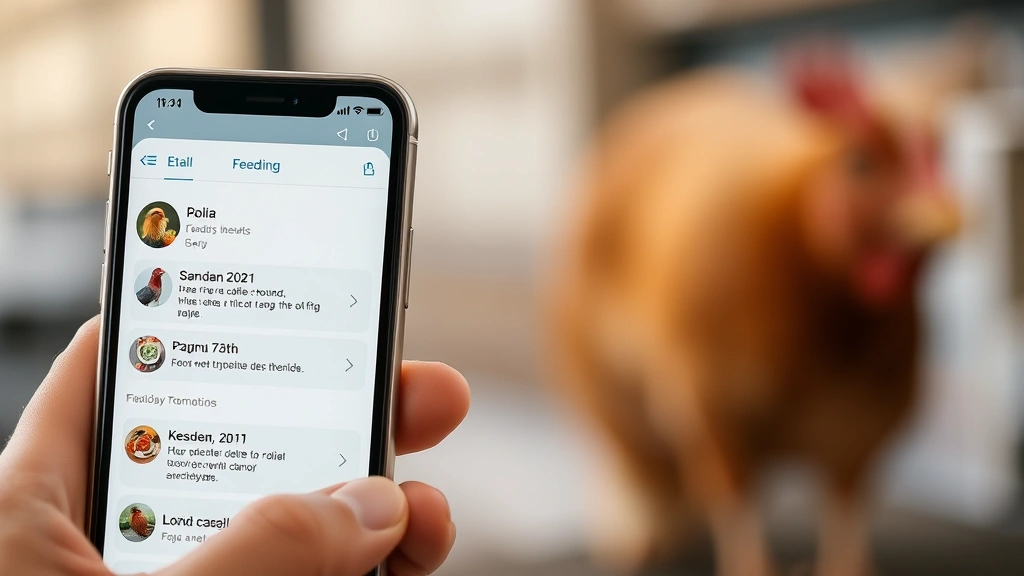
Feeding schedule apps solve this problem by sending you reminders, tracking feeding times automatically, and keeping a detailed log of your pet’s eating habits. They’re particularly useful if you have multiple pets with different dietary needs, or if you’re managing a pet with specific health conditions that require precise portion control. Establishing a consistent feeding schedule for pets is crucial for digestive health and behavioral stability, and these apps make consistency effortless.
Top Features to Look For in Pet Feeding Apps
Not all feeding schedule apps are created equal. When you’re shopping around, keep an eye out for these essential features:
Reminder Notifications: Push notifications that alert you when it’s feeding time—because let’s face it, your brain is already full of important stuff.
Portion Size Tracking: Apps that calculate recommended portions based on your pet’s weight, age, and activity level. This is where science meets convenience, and your pet’s waistline will thank you.
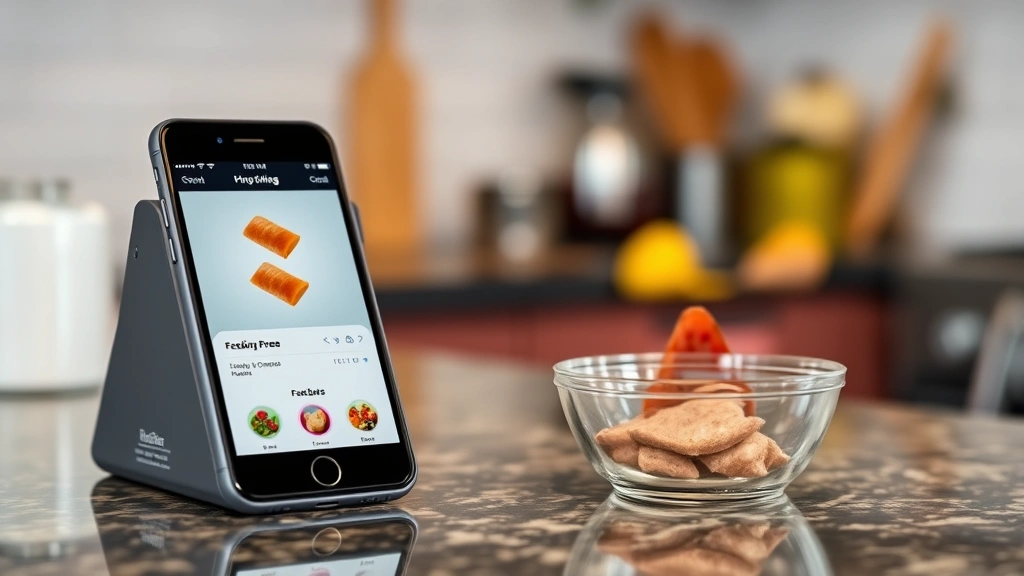
Multiple Pet Support: If you’re a multi-pet household, you need an app that can handle different feeding schedules for different animals without turning your phone into a notification nightmare.
Health Monitoring Integration: Some apps sync with veterinary records and track weight changes, helping you spot potential health issues before they become serious problems.
Dietary Preference Logging: The ability to note which foods your pet prefers, any allergies, and special dietary requirements. This is gold when you visit the vet or switch foods.
Understanding Free Feeding vs. Scheduled Feeding Through Apps
Here’s where feeding schedule apps really shine: they help you decide between free feeding and scheduled feeding, then actually stick to your choice. The debate between free feeding and scheduled feeding has raged in pet circles for years, but apps make it easy to implement whichever method your vet recommends.
Scheduled feeding (using an app to track it) is generally better for weight management, training, and monitoring your pet’s appetite. If your dog suddenly stops eating at their usual time, that’s a red flag that something might be wrong—something you’d miss with free feeding. Apps document these patterns, making it easier to discuss concerns with your veterinarian.
Portion Control Made Simple with Digital Tools
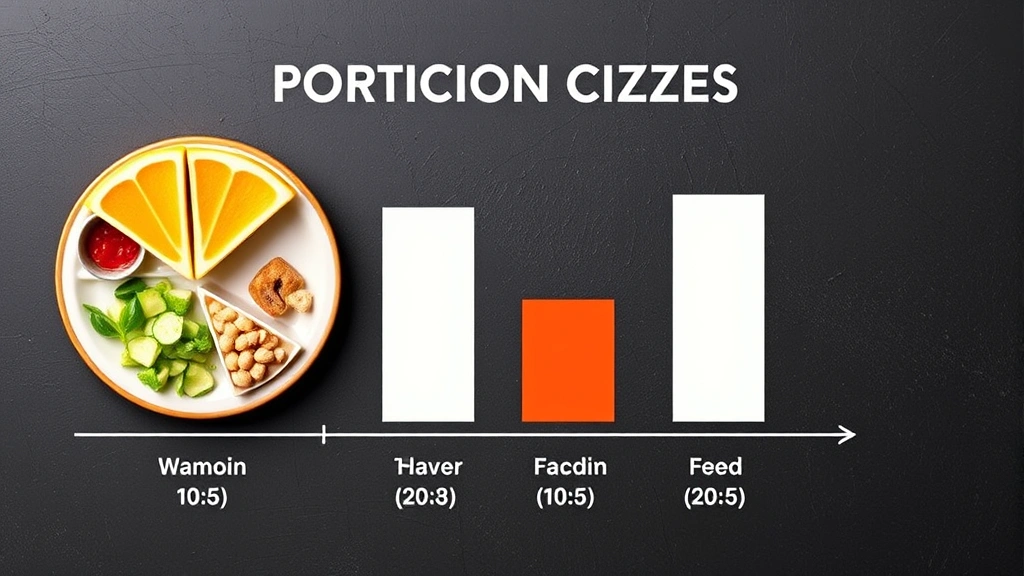
One of the biggest advantages of feeding schedule apps is their ability to calculate and track size-based portion control with precision. You input your pet’s weight, age, and activity level, and the app does the math for you.
This is especially important because overfeeding is one of the leading causes of obesity in pets, and obesity leads to a cascade of health problems including diabetes, joint issues, and heart disease. Apps take the guesswork out of “how much is too much?” and give you science-backed portion recommendations. Some even adjust portions seasonally or based on activity level changes.
Best Feeding Schedule Apps on the Market Today
Let’s talk about some actual apps that won’t disappoint you:
Pet Care Companion: This app is like having a veterinary assistant in your pocket. It tracks feeding times, medication schedules, vet appointments, and even vaccination records. The interface is intuitive enough that even your technologically-challenged Aunt Susan could figure it out.
Petly: Specifically designed for multiple pets, Petly lets you create individual profiles for each animal with custom feeding schedules. The app sends notifications to your whole family, so everyone knows who’s been fed and who’s still waiting.
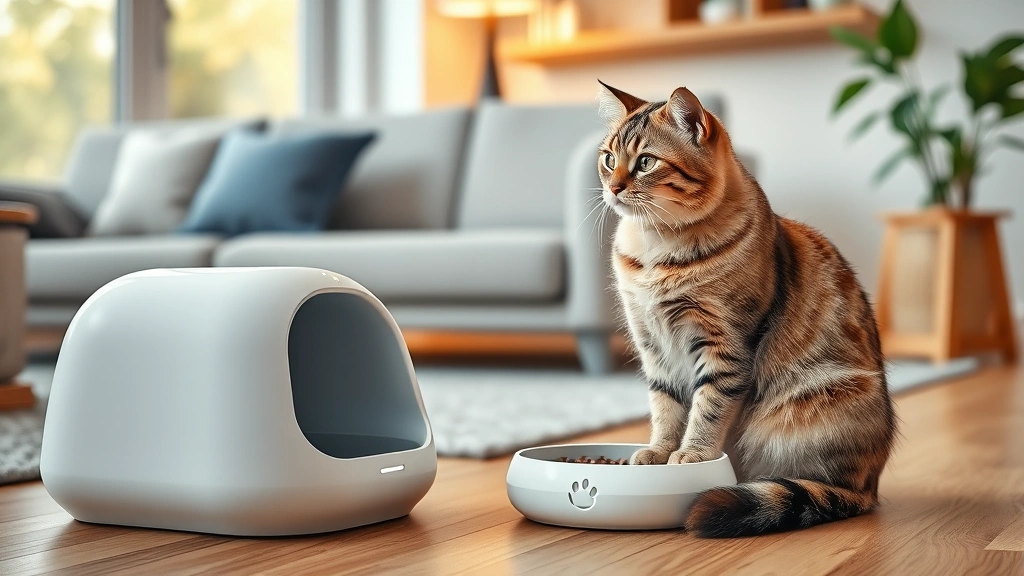
Feeding Time: This minimalist app does one thing and does it brilliantly: tracks feeding schedules. No bloat, no unnecessary features, just clean, simple feeding logs and reminders.
PetDesk: Beyond feeding schedules, this app connects you with your veterinarian directly, so you can ask questions about your pet’s nutrition without scheduling an office visit.
Integration with Other Pet Care Tools and Systems
Modern feeding schedule apps don’t exist in isolation. Many integrate with interactive feeding games and enrichment activities to make mealtime more engaging for your pet.
Some apps also connect with smart feeders—automated devices that dispense food at scheduled times. Imagine setting up a feeding schedule in your app, and the smart feeder automatically releases the exact portion at the exact time. It’s like having a robotic pet nanny.
Additionally, many apps work alongside water intake monitoring systems to ensure your pet stays properly hydrated. Hydration is just as important as food, and tracking both together gives you a complete picture of your pet’s nutritional health.
How Feeding Schedule Apps Help Prevent Obesity and Health Issues
Pet obesity is reaching epidemic proportions. According to veterinary associations, nearly 60% of cats and 56% of dogs are overweight or obese. Feeding schedule apps combat this by:
Creating accountability through logging and reminders, preventing accidental double-feeding (especially in multi-person households). Tracking weight trends over time so you can see if your pet is gaining or losing weight. Providing data to share with your vet, enabling informed decisions about diet and exercise. Helping you resist those puppy-dog eyes when your pet begs for extra treats—the app shows you exactly how much they’ve already consumed.
Setting Up Your First Feeding Schedule App
Getting started is usually straightforward. Here’s the typical process:
Download and Create an Account: Most apps require basic account information and email verification.
Input Pet Information: Enter your pet’s species, breed, weight, age, and any health conditions. The more accurate this information, the better the app’s recommendations.

Set Feeding Times: Choose how many times per day your pet should eat. Most apps suggest feeding twice daily for adult dogs and cats, but this varies by age and health status.
Choose Your Foods: Log the specific pet foods you’re using. Many apps have extensive food databases with nutritional information.
Enable Notifications: Turn on reminders and choose how you want to be notified (push notification, email, SMS).
Customize and Adjust: As you use the app, adjust portions based on your pet’s response and your vet’s recommendations.
Real-World Success Stories: How Feeding Apps Changed Pet Lives
Pet owners report remarkable transformations after implementing feeding schedule apps. One owner discovered her senior cat was being fed twice by different family members, leading to significant weight gain and joint problems. The app eliminated the confusion, and within six months, the cat lost weight and became more active.
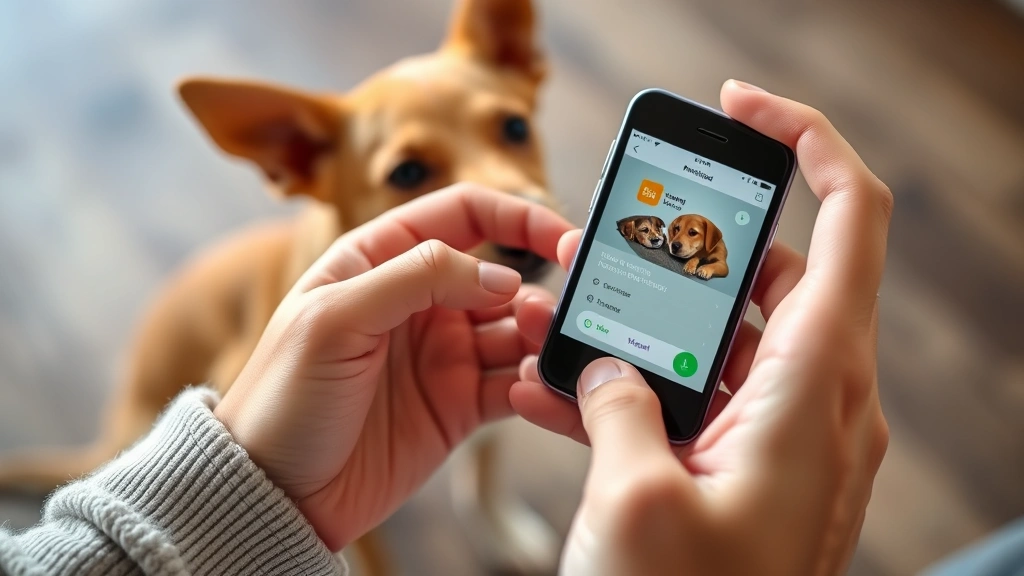
Another story involves a dog with diabetes whose owner used an app to track feeding times in relation to insulin injections. The precise timing helped stabilize blood sugar levels, reducing insulin requirements and improving the dog’s quality of life.
These aren’t isolated cases. Veterinarians increasingly recommend feeding schedule apps to clients struggling with portion control or consistency.
Common Mistakes to Avoid When Using Feeding Apps
Even with the best tools, people make mistakes. Here are the most common ones:
Ignoring the App’s Recommendations: If your app suggests 2 cups daily but you’re feeding 3 cups because your pet looks hungry, you’re defeating the purpose. Trust the science.
Forgetting to Update Pet Information: As your pet ages or their activity level changes, update their profile. An app’s recommendations are only as good as the information you provide.
Treating Treats Like They Don’t Count: Treats should constitute no more than 10% of your pet’s daily calories. Log them in your app just like regular meals.
Not Syncing with Family Members: If you’re the only one using the app but three other people live in your house, you’ll still have feeding chaos. Share access with everyone responsible for feeding.
Frequently Asked Questions
Can feeding schedule apps work for cats as well as dogs?
Absolutely. Cats actually benefit even more from scheduled feeding than dogs because they’re prone to obesity and weight-related health issues. Cats are also more particular about their feeding routines, so apps help maintain the consistency they prefer.
Are feeding schedule apps expensive?
Most basic feeding apps are free or cost just a few dollars. Premium versions with advanced features like vet integration might run $5-10 per month, which is cheaper than a single emergency vet visit caused by feeding-related health problems.
Do I need a smart feeder to use a feeding schedule app?
No. Feeding schedule apps work perfectly well with manual feeding. Smart feeders are optional add-ons that automate the process, but the app alone provides tremendous value through reminders and tracking.
What if my pet has special dietary needs?
Most feeding apps allow you to create custom feeding profiles with specific foods, portion sizes, and feeding times. Many have extensive food databases including prescription diets. If your app doesn’t support your pet’s specific diet, contact the developer—they often add foods upon request.
How accurate are the app’s portion recommendations?
App recommendations are based on veterinary guidelines and are generally accurate for healthy pets. However, individual pets vary. Use the app’s recommendations as a starting point, then adjust based on your pet’s body condition score and your vet’s feedback.
Can feeding apps help with training?
Yes. Many pet trainers recommend using scheduled feeding with apps because it establishes routine and gives you control over meal-based rewards, which are powerful training tools.
Conclusion: Making Feeding Schedule Apps Work for You
Feeding schedule apps represent a simple but powerful shift in how we care for our pets. They transform feeding from a haphazard daily task into a data-driven, consistent practice that directly impacts your pet’s health and longevity.
Whether you’re managing a multi-pet household, helping a pet lose weight, or simply trying to establish better routines, there’s a feeding schedule app that fits your needs. The best part? Most are affordable, easy to use, and backed by solid veterinary science.
Start with a free app, commit to using it consistently for at least a month, and watch as your pet’s health improves and your stress about feeding schedules disappears. Your pet will thank you with better health, more energy, and hopefully fewer begging sessions at the dinner table.





