
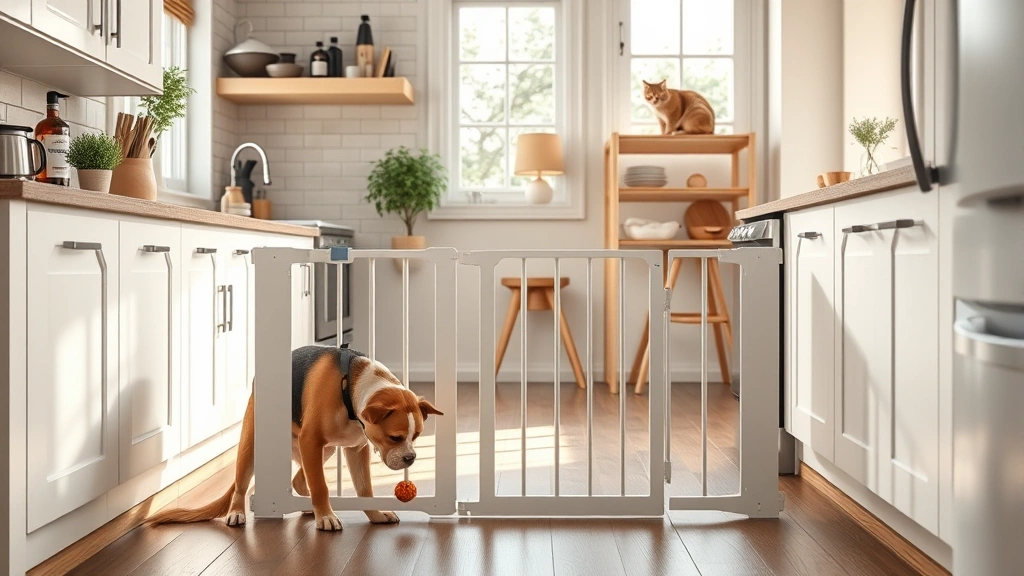
Feeding station separation might just be the most underrated solution to one of the most chaotic moments in multi-pet households: mealtime. You know the scene—your dog bolts toward the cat’s food bowl, your cat hisses in protest, and suddenly your kitchen looks like a WWE wrestling ring. Sound familiar? Let’s fix that.
Table of Contents
- Why Feeding Station Separation Matters for Multi-Pet Harmony
- Understanding Pet Feeding Dynamics and Territory
- Solution #1: The Physical Barrier Method
- Solution #2: Microchip Technology and Smart Feeders
- Solution #3: Elevated Feeding Stations for Cats
- Solution #4: Scheduled Feeding with Designated Spaces
- Solution #5: Crate Training and Separate Room Feeding
- Combining Multiple Strategies for Maximum Success
- Common Mistakes to Avoid
- Health Benefits Beyond Peace and Quiet
- Frequently Asked Questions
- Summary: Creating Your Ideal Feeding Station Separation Setup
Why Feeding Station Separation Matters for Multi-Pet Harmony
When you have multiple pets under one roof, feeding time can turn into absolute pandemonium. Dogs naturally have a “scavenger” mentality and see a cat’s food as fair game. Cats, meanwhile, are territorial creatures who stress when their dining space gets invaded. This isn’t just annoying—it’s actually harmful. When pets compete for food, they may eat too fast, experience digestive issues, or develop anxiety around mealtimes. Proper cat feeding stations and dog feeding areas can prevent resource guarding, reduce stress, and ensure each pet gets their appropriate nutrition. According to the American Kennel Club, feeding station management is crucial for preventing behavioral problems in multi-pet households.
Understanding Pet Feeding Dynamics and Territory
Before diving into solutions, let’s understand what’s actually happening during mealtime. Dogs see food as a limited resource—a leftover instinct from their wild ancestors. Cats, being solitary hunters, expect to eat alone in peace. When these two instincts collide in your kitchen, chaos erupts. The solution isn’t punishment; it’s smart design. By establishing separate feeding zones, you’re acknowledging each pet’s natural needs and creating an environment where everyone feels safe. This is the foundation of successful multi-pet feeding management.
Solution #1: The Physical Barrier Method
The simplest approach to feeding station separation is creating a physical barrier between your pets’ eating areas. A baby gate works wonders here—it keeps your dog out of the cat’s food while allowing the cat to jump over if needed. Install the gate in a doorway or hallway leading to a quiet room where your cat can eat undisturbed. For larger dogs, you might need a more robust barrier. Some pet owners use expandable gates or even create dedicated feeding rooms. The beauty of this method? It requires zero training and works immediately. Your cat gets their private dining experience, and your dog learns the boundaries without any confrontation. Free feeding versus scheduled feeding approaches both work well with physical barriers.
Solution #2: Microchip Technology and Smart Feeders
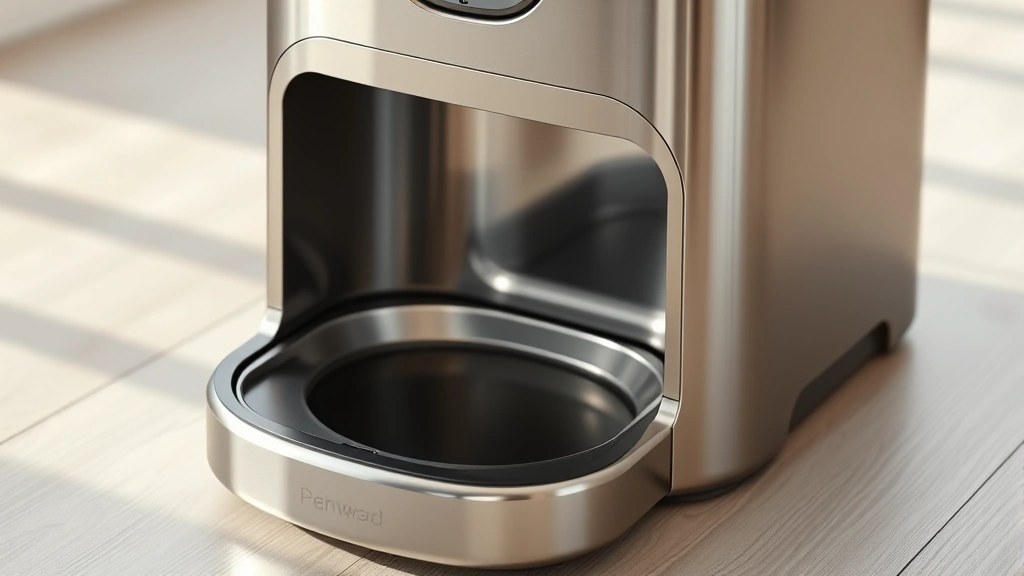
Welcome to the future of feeding station separation. Microchip pet feeders are absolute game-changers for households with cats and dogs. These high-tech bowls only open when they detect your cat’s microchip, completely blocking your dog’s access. Some models even allow you to program feeding times and portion sizes through a smartphone app. Yes, they’re pricier than traditional bowls—typically $100-300—but if you’ve got a persistent food thief of a dog, it’s worth every penny. PetMD recommends these feeders for pets with dietary restrictions or overfeeding concerns. The technology has improved dramatically over the past five years, with faster recognition times and better reliability.
Solution #3: Elevated Feeding Stations for Cats
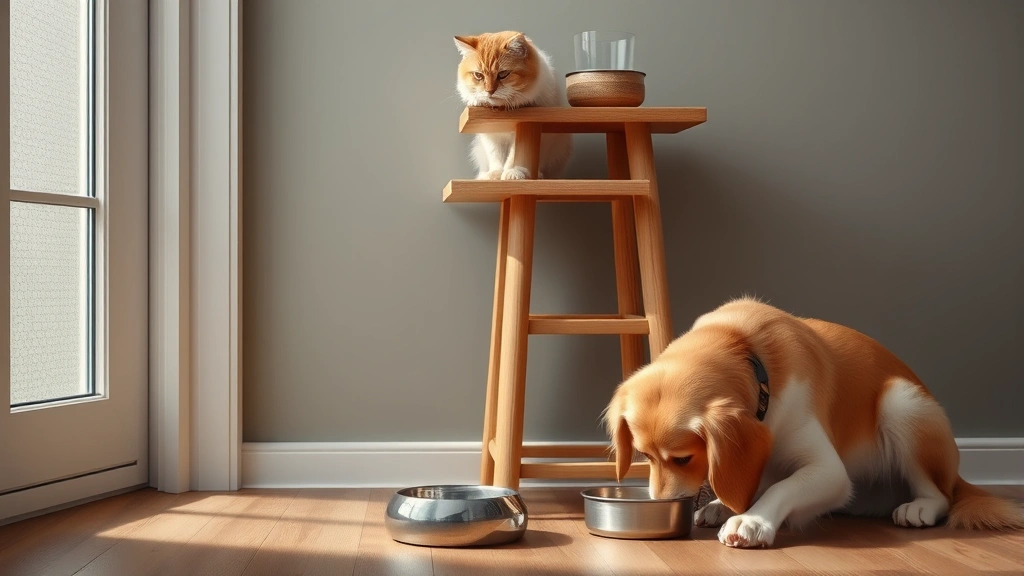
Cats are climbers; dogs are ground-dwellers. Use this natural difference to your advantage by placing your cat’s food and water on an elevated surface. Wall-mounted shelves, cat trees with built-in feeders, or even simple raised platforms work brilliantly. Your cat gets to eat at a comfortable height (which is actually better for their digestion), and your dog physically cannot reach the food without significant effort. This solution is particularly effective for older cats who appreciate easier access to their meals. Elevated feeding also reduces neck strain and promotes better eating posture. Many veterinarians recommend elevated feeding stations as part of overall digestive health management.
Solution #4: Scheduled Feeding with Designated Spaces
Abandon free-feeding chaos and embrace the power of scheduled meals. Instead of leaving food out all day, feed your pets at specific times in separate locations. Your dog eats in the kitchen for 15 minutes, then the bowl goes away. Your cat eats in the bedroom for the same duration. This approach accomplishes multiple things: it prevents overeating, creates predictability for anxious pets, and eliminates the temptation for your dog to raid the cat’s bowl between meals. Feeding schedules for pets also make it easier to monitor each animal’s appetite and catch health issues early. If your cat suddenly stops eating during their scheduled meal, you’ll notice immediately rather than wondering why the bowl is empty.
Solution #5: Crate Training and Separate Room Feeding
For households with particularly aggressive food competition, crate training offers a clean solution. Feed your dog in their crate with the door closed—they get a safe, den-like space, and your cat gets undisturbed access to their bowl elsewhere. This method also works beautifully for boarding facility feeding instructions scenarios where pets need to be managed separately. Some pet owners dedicate an entire room as a cat-only feeding zone, complete with litter box, water, and toys. This creates a sanctuary where your cat can eat without stress. The key is making crate feeding positive—never use it as punishment, and reward your dog for calm behavior inside the crate during meals.
Combining Multiple Strategies for Maximum Success
The most effective feeding station separation plans often combine multiple methods. You might use a physical barrier AND scheduled feeding times. Or elevated stations WITH microchip feeders. The combination approach accounts for different scenarios—what works during your busy weekday mornings might differ from weekend routines. Start with the simplest solution (physical barriers) and upgrade to more sophisticated methods if needed. Most pet owners find that once they implement feeding station separation, they never go back to the chaos of free-for-all mealtime.
Common Mistakes to Avoid
Don’t place your cat’s food near their litter box—cats are fastidious creatures and won’t eat where they eliminate. Don’t forget to refresh water bowls regularly; dehydration is serious in cats. Don’t punish your dog for eating cat food; instead, redesign the environment to prevent the behavior. Don’t assume one solution works forever; as your pets age or your household changes, feeding station separation strategies may need adjustment. Finally, don’t ignore signs of stress during mealtimes—if your cat is hiding or your dog is obsessing over the cat’s bowl, it’s time to implement or upgrade your feeding station separation system.
Health Benefits Beyond Peace and Quiet
Proper feeding station separation delivers genuine health advantages. When dogs eat cat food (which is higher in fat and protein), they often gain weight and experience digestive upset. When cats eat in peace without stress, their digestion improves and they’re less likely to develop stress-related behaviors like inappropriate elimination. Separated feeding also prevents choking incidents and allows you to monitor each pet’s appetite and health status individually. You’ll notice dietary changes, energy levels, and overall wellness more easily when you’re feeding separately and intentionally.
Frequently Asked Questions
How long does it take for pets to adjust to feeding station separation?
Most pets adjust within 3-7 days. Dogs are particularly adaptable and quickly learn that their designated feeding area is where meals happen. Cats may take slightly longer if they’re stressed about change, but elevated or separate-room feeding usually feels natural to them since they prefer solitude anyway.
Can I use feeding station separation with more than two pets?
Absolutely. With three or more pets, feeding station separation becomes even more important. You might need multiple barriers, several elevated stations, or a combination of methods. Some households with large multi-pet families dedicate different rooms or areas to different animals’ feeding schedules.
Is microchip feeding technology reliable for all cats?
Most modern microchip feeders work well, but some cats’ microchips may not be read reliably if they’re older or positioned awkwardly. Test the feeder with your cat before fully committing. Also ensure your cat is actually microchipped—not all are, and the feeder won’t function without it.
What if my dog can jump over baby gates?
For athletic dogs, you’ll need taller barriers or different solutions. Consider microchip feeders, crate feeding, or dedicated room feeding instead. Some pet owners use expandable gates or install double gates for extra height.
Should I feed my pets at the same time or different times?
Simultaneous feeding in separate locations often works best—it creates predictability and ensures neither pet feels left out. However, if your dog becomes anxious when the cat eats, staggered feeding times might reduce tension. Experiment to find what works for your household.
Can feeding station separation help with food aggression?
Yes, it’s often the first step. By removing the competition and stress, many cases of food-related aggression improve significantly. However, severe food aggression may require professional behavioral training in addition to environmental management.
Summary: Creating Your Ideal Feeding Station Separation Setup
Feeding station separation transforms mealtime from a battleground into a peaceful routine where every pet gets proper nutrition without stress. Whether you choose physical barriers, microchip technology, elevated stations, scheduled feeding, or a combination approach, the key is matching the solution to your specific household dynamics. Start simple, observe your pets’ behavior, and adjust as needed. Your cat will eat in peace, your dog will maintain a healthy weight, and you’ll reclaim your sanity during mealtimes. That’s the power of thoughtful feeding station separation—it’s not just about preventing food wars; it’s about creating a harmonious multi-pet home where everyone thrives.





