
So you’ve heard about feist dogs and you’re wondering if one of these scrappy little hunters might be your next best friend. Here’s the real talk: a feist dog is not your typical lap dog, but if you want a loyal, energetic companion with serious personality packed into a small frame, you’ve found something special. These dogs have been working alongside rural families and hunters for generations, and they bring that no-nonsense work ethic into modern homes.
The feist dog breed—sometimes spelled “fyce” or “fist”—is a small to medium hunting dog with deep roots in American history. They’re descended from European terriers and Native American dogs, creating a unique mix of tenacity, intelligence, and heart. If you’re considering bringing a feist dog into your life, this guide will walk you through everything you need to know, from temperament to training to health concerns.
What Exactly Is a Feist Dog?
A feist dog is a small hunting dog that typically weighs between 10 and 30 pounds, depending on the type. They’re not recognized by the American Kennel Club as a standardized breed—instead, they fall into a category of working dogs that were developed through practical breeding rather than formal breed standards. Think of them as the working-class cousin at the family reunion: they don’t have fancy papers, but they get the job done.
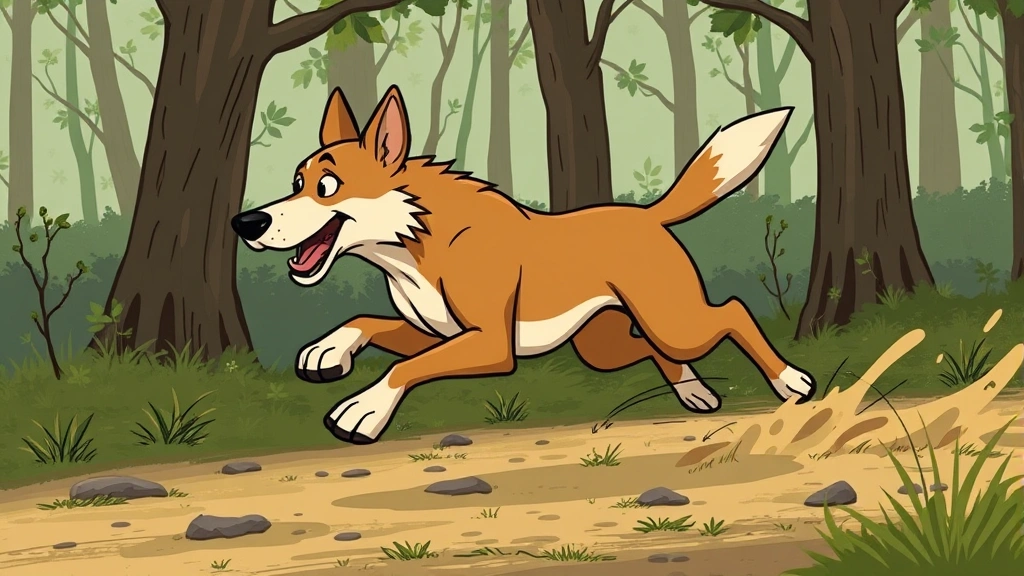
The feist dog was bred specifically for hunting small game like squirrels, rabbits, and rats. Their size makes them perfect for traversing rough terrain and dense brush where larger hunting dogs can’t go. What they lack in size, they make up for in speed, agility, and determination. A feist dog will chase prey with the focus of a laser-guided missile.
There are several types of feist dogs, including the Treeing Feist (known for their ability to tree squirrels), the Mountain Feist, and the Rat Feist. Each type has slightly different characteristics, but they all share that core hunting DNA and stubborn, loyal personality that makes them so appealing to families who understand their nature.
Unlike many designer breeds that are trendy one year and forgotten the next, feist dogs have maintained their working purpose for centuries. They’re still actively used for hunting in rural areas, and they’re increasingly popular as family pets for people who want something different from the typical golden retriever or labrador.
History and Origins of the Feist Dog
The history of the feist dog is genuinely fascinating. These dogs didn’t emerge from some Victorian breeding program or kennel club—they evolved organically from the needs of frontier settlers. When European colonists arrived in North America, they brought small hunting terriers and hounds with them. These dogs interbred with Native American dogs and local dog populations, creating a new type of dog perfectly suited to the American wilderness.
The name “feist” likely comes from the German word “Fiest” or the Old English “fist,” meaning a small dog. Rural families in the Appalachian Mountains and the American South developed and refined the feist dog through selective breeding based on hunting ability and temperament, not appearance. This is why feist dogs today can vary quite a bit in looks while maintaining consistent working traits.
These dogs were essential to survival in frontier communities. They hunted small game that provided protein for families, controlled rodent populations around homes and grain stores, and offered companionship during long, isolated winters. The feist dog became embedded in rural American culture, and they remain deeply connected to hunting traditions in the South and Appalachia.
What’s remarkable is that feist dogs have maintained their working purpose without the breed becoming diluted or lost. Unlike some heritage breeds that have become primarily show dogs, the feist dog is still actively hunted with and still bred for working ability. This means when you get a feist dog, you’re getting a dog with generations of working instinct in their DNA.
Temperament and Personality Traits
Here’s where feist dogs really shine, and also where potential owners need to be realistic. These are not dogs for everyone, and that’s okay. A feist dog has a personality that’s best described as “fearless and independent with a side of stubborn.”
Feist dogs are intensely loyal to their families. Once they bond with you, they’re your dog—completely and totally. They’ll follow you from room to room, alert you to any stranger approaching your property, and defend you with surprising ferocity for their size. This loyalty makes them excellent watchdogs despite their small stature. Many owners report that their feist dog seems to think they’re a 90-pound German Shepherd.
The hunting instinct in a feist dog is not something you can train away—it’s hardwired. These dogs will chase squirrels, birds, rabbits, and small rodents with single-minded focus. If you have a cat, introducing a feist dog requires careful management and socialization from puppyhood. Even then, some feist dogs have such a strong prey drive that cohabitation with small animals is risky.
Feist dogs are intelligent and quick learners, but they’re not the “eager to please” type like border collies or poodles. They think for themselves. When you ask a feist dog to sit, they’re evaluating whether sitting is actually in their best interest. This independent streak means training requires consistency, patience, and a good sense of humor. If you’re the type of owner who needs a dog that obeys without question, a feist dog might frustrate you.
That said, feist dogs are playful, affectionate, and genuinely fun to live with. They have big personalities in small bodies. They’re typically good with children and other dogs (especially if socialized early), though their play style can be rough and tumble. They’re not the gentle, patient family dog that will tolerate a toddler pulling their ears—they’ll play hard and expect you to keep up.
Feist dogs can have a strong prey drive, so it’s important to understand this before bringing one home. If you want to learn more about managing prey drive in small breeds, check out our guide on why beagles are the worst dogs, which covers similar challenges with hunting-oriented breeds.
Physical Characteristics and Size
Physically, feist dogs are small but muscular. They typically stand 10-18 inches tall at the shoulder and weigh between 10 and 30 pounds, though size varies depending on the type of feist dog. Their build is lean and athletic—they look like they could run all day, because they can.
Feist dogs have several coat variations. Some have short, smooth coats that are easy to maintain. Others have slightly longer coats or even rough, wiry coats. Common colors include black and tan, red, brindle, or solid colors. Their ears are typically medium-sized and can be erect or slightly floppy. Their tails are often docked or naturally short, though this varies.
One of the appealing things about feist dogs is that they don’t have the extreme physical exaggerations of some modern breeds. They’re built for function, not fashion. Their body structure reflects their hunting heritage—everything about them is designed for agility, speed, and endurance.
Regarding shedding, feist dogs are moderate shedders. If you’re concerned about dog hair around your home, this is something to consider. For tips on managing shedding, you might find our article on how to reduce shedding on dogs helpful. Additionally, understanding shedding patterns in small breeds like dachshunds (covered in our do weiner dogs shed guide) can provide insights applicable to feist dogs as well.
Training and Socialization for Feist Dogs

Training a feist dog requires understanding their mindset. These dogs were bred to work independently, make their own decisions, and pursue prey with single-minded determination. This means traditional obedience training needs to be adapted.
Start socialization early. Expose your feist dog puppy to different people, environments, and situations. This helps prevent the prey drive from becoming an obsession and helps them understand the difference between appropriate hunting targets (rodents in the yard) and inappropriate ones (the neighbor’s cat or rabbit).
Use positive reinforcement. Feist dogs respond well to rewards, especially food rewards. They’re motivated by treats and praise, though they’re also motivated by the opportunity to hunt. Never use harsh corrections or punishment—these dogs will shut down or become defensive.
Teach a solid recall command. This is critical for a feist dog because their prey drive can override their listening skills. Practice recall in low-distraction environments first, then gradually increase difficulty. Use high-value treats as rewards. A feist dog that won’t come when called is a feist dog that can’t be safely off-leash.
Crate training is important for feist dogs. These dogs have high energy and can become destructive if bored. A crate provides a safe space and helps with housebreaking. Most feist dogs take to crate training quickly if introduced properly.
For specific training techniques, check out our guide on how to teach a dog to lay down, which covers positive reinforcement methods that work well for independent-minded breeds like feist dogs.
Consistency is key. Everyone in your household needs to enforce the same rules and use the same commands. Feist dogs are smart enough to exploit inconsistency. If Mom says jumping on the couch is okay but Dad says it’s not, your feist dog will test the boundaries constantly.
Unsure if a feist dog is right for you? Take our what dog breed am I quiz to explore whether a feist dog‘s personality aligns with your lifestyle.
Health and Care Requirements
Feist dogs are generally healthy dogs with few breed-specific health issues. This is one of the advantages of a dog breed that developed through natural selection rather than selective breeding for specific traits that might compromise health.
Common health concerns in feist dogs include:
- Dental disease: Small dogs are prone to dental issues. Brush your feist dog‘s teeth regularly and have professional cleanings as recommended by your vet.
- Ear infections: Depending on ear shape, some feist dogs are prone to ear infections. Clean ears regularly and dry them thoroughly after swimming or bathing.
- Patellar luxation: This is a knee condition where the kneecap dislocates. It’s relatively uncommon in feist dogs but can occur. Avoid excessive jumping and maintain a healthy weight.
- Parasites: Feist dogs that hunt or spend time outdoors are at higher risk for parasites. Use preventative medications year-round.
Regular veterinary care is essential. Your feist dog should have annual check-ups, stay current on vaccinations, and receive appropriate parasite prevention. According to the American Association of Feed Control Officials, proper nutrition is foundational to health, and your vet can recommend appropriate food based on your individual dog’s needs.
Spaying or neutering is recommended unless you’re actively breeding. This reduces the risk of certain cancers and behavioral issues. Most vets recommend spaying or neutering around 6 months of age, though this can vary based on individual health factors.
Exercise is part of health care. Feist dogs need daily activity to stay physically and mentally healthy. Without adequate exercise, they can develop destructive behaviors or anxiety.
Living Environment and Exercise Needs
This is where potential feist dog owners often underestimate what they’re getting into. These are not couch potatoes. A feist dog needs significant daily exercise and mental stimulation.
Ideally, a feist dog has access to a securely fenced yard. Their prey drive means they’ll chase rabbits, squirrels, or other small animals and potentially escape the yard. A fence should be at least 4-5 feet high and secure at the bottom—feist dogs are escape artists who can dig and climb.
Daily exercise should include:
- At least 30-60 minutes of active play or walking
- Opportunities to run and explore safely
- Mental stimulation through training, puzzle toys, or games
- Ideally, some hunting-like activity (even if it’s just tracking scents in the yard)
A feist dog that doesn’t get enough exercise becomes a destructive feist dog. They’ll chew furniture, dig holes, bark excessively, and generally drive you crazy. This is not a behavior problem—it’s a boredom problem. These dogs need a job.
Apartment living is possible with a feist dog, but it requires commitment. You’ll need to provide multiple walks daily, potentially visit dog parks, and engage in active play sessions. An apartment-dwelling feist dog owner needs to be realistic about the time commitment.
Feist dogs generally do well in rural or suburban environments where they have space to run and explore. They’re equally happy in a small town as they are in the country. What matters is that they have adequate exercise and mental stimulation.
These dogs are also surprisingly adaptable to different climates, though extreme heat can be challenging for any dog. Provide shade, fresh water, and avoid strenuous exercise during the hottest parts of the day.
Nutrition and Feeding Guidelines
Feeding a feist dog is straightforward. These are not dogs with sensitive stomachs or complicated dietary needs. However, proper nutrition is important for maintaining their health and energy levels.
Most feist dogs thrive on high-quality dog food appropriate for their size and activity level. Because feist dogs are active, they often do well on food with moderate to high protein content (18-25% protein for adults). Look for foods where meat is the primary ingredient.
Feeding frequency depends on age:
- Puppies (8 weeks to 6 months): 3-4 meals per day
- Puppies (6 months to 1 year): 2-3 meals per day
- Adults (1 year and older): 1-2 meals per day
Portion sizes depend on the individual dog, activity level, and the specific food. A typical adult feist dog eats about 1-1.5 cups of dry food daily, but this varies. Your veterinarian can recommend appropriate portion sizes based on your dog’s weight and body condition.
For guidance on evaluating dog foods, check out our article on is Diamond Naturals a good dog food, which covers how to assess dog food quality and nutrition.
Treats should make up no more than 10% of daily calories. Use healthy treats like carrots, green beans, or small pieces of cooked chicken. Avoid chocolate, grapes, raisins, and xylitol, which are toxic to dogs.
Fresh water should be available at all times. Feist dogs that are active need consistent access to water, especially during and after exercise.
Some owners feed raw diets or home-cooked diets to their feist dogs. If you’re considering this, work with your veterinarian to ensure the diet is nutritionally balanced. According to the American Animal Hospital Association, any diet change should be gradual and monitored by a veterinary professional.
Monitor your feist dog‘s weight and body condition. These active dogs can become overweight if overfed, especially as they age. Obesity in dogs leads to joint problems, diabetes, and reduced lifespan. If your feist dog is gaining weight despite normal feeding, consult your vet.
Frequently Asked Questions
Are feist dogs good family pets?
– Yes, feist dogs can be excellent family pets for the right family. They’re loyal, playful, and affectionate. However, they’re best suited for active families with older children. Their play style can be rough, and their prey drive means they’re not ideal for families with small pets like cats or rabbits. They require significant exercise and mental stimulation, so families need to be committed to daily activity.
How much do feist dogs cost?
– Since feist dogs aren’t recognized by the AKC and are primarily found through working breeders or rural communities, they’re typically less expensive than purebred dogs from formal breeders. You might find a feist dog for $200-$500, or sometimes even free from someone looking to rehome one. Adoption from rescue organizations is another option. Avoid extremely cheap puppies, as this often indicates poor breeding practices.
Do feist dogs get along with other dogs?
– Most feist dogs are social with other dogs, especially if socialized from puppyhood. Their prey drive is typically directed toward small animals rather than other dogs. However, individual personality varies. Some feist dogs are pack animals that love other dogs, while others prefer being the only dog. Introduce your feist dog to other dogs gradually and supervise interactions initially.
Can feist dogs live in apartments?
– Technically yes, but it requires commitment. Feist dogs are small enough for apartment living, but they’re active and need significant daily exercise. An apartment-dwelling feist dog owner must provide multiple walks daily, visits to dog parks, and active play sessions. Without adequate exercise, a feist dog in an apartment will become destructive and unhappy.
How long do feist dogs live?
– Feist dogs typically live 12-15 years, with some living into their late teens. Their lifespan is generally longer than larger dog breeds, and their lack of extreme physical traits means they tend to have fewer age-related health problems. Proper nutrition, exercise, and veterinary care can help maximize your feist dog‘s lifespan.
Are feist dogs easy to train?
– Feist dogs are intelligent but independent-minded. They’re not as eager to please as some breeds, so they require consistent, patient training. They respond well to positive reinforcement and food rewards. Training requires understanding their hunting-driven nature and working with it rather than against it. They’re trainable, but not “easy” in the traditional sense.
What’s the difference between a feist dog and a terrier?
– While feist dogs have terrier ancestry, they’re distinct. Feist dogs were developed in America specifically for hunting small game, while terriers have European origins and were bred for different purposes. Feist dogs tend to be more versatile hunters and are generally less aggressive than some terrier breeds. The American Kennel Club recognizes many terrier breeds, but not the feist dog.
Do feist dogs shed a lot?
– Feist dogs are moderate shedders. They shed year-round, with increased shedding during spring and fall when they blow their coat. Regular brushing helps manage shedding. If you have severe allergies, a feist dog might not be the best choice, though no dog is truly hypoallergenic.