
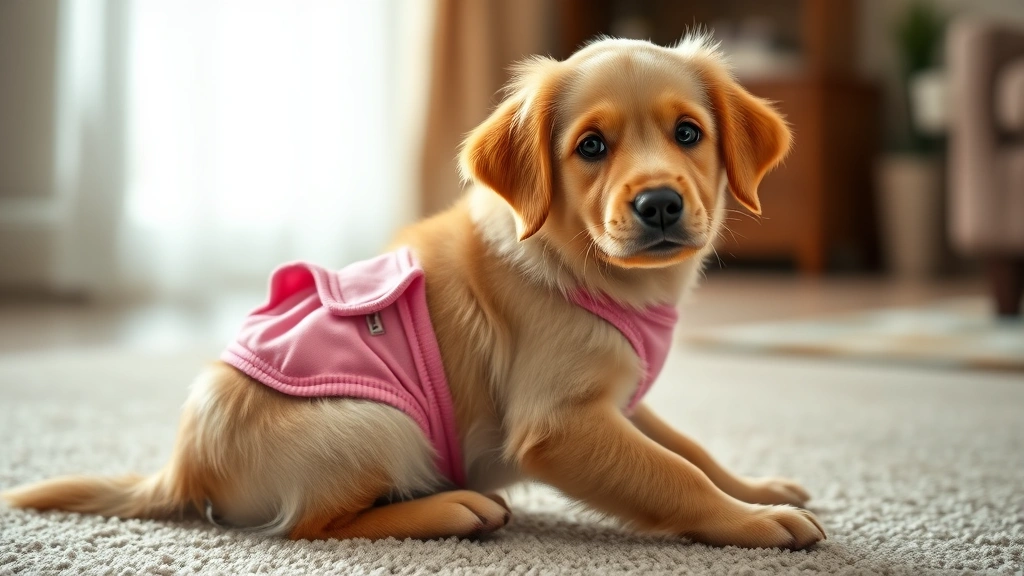
Let’s be real—female dog diapers might not be the most glamorous topic, but they’re absolutely life-changing for pet parents dealing with incontinence, heat cycles, or post-surgery recovery. If your furry girl has been leaving surprise puddles around the house, you’re not alone, and there’s a solution that actually works.
Table of Contents
- Why Your Female Dog Might Need Diapers
- Understanding Female Dog Incontinence Issues
- Top Features to Look for in Female Dog Diapers
- Best Reusable Female Dog Diapers
- Disposable Options for Maximum Convenience
- Sizing Your Dog Correctly
- Dealing with Skin Health and Diaper Rash
- Training Your Dog to Wear Diapers
- Cost Comparison: What You’ll Actually Spend
- When to Contact Your Vet About Incontinence
- Frequently Asked Questions
- Final Thoughts: Managing Your Dog’s Comfort
Why Your Female Dog Might Need Diapers
Before we dive into the best products, let’s talk about why your pup might need them in the first place. Female dogs experience incontinence for several reasons—some medical, some just part of aging. Spayed females are particularly prone to urinary incontinence because the surgery affects hormone levels that control bladder function. It’s not her fault, and it’s definitely not uncommon.
Heat cycles are another biggie. During estrus, your unspayed female dog will discharge fluids that can stain furniture and create a mess. Then there’s post-surgery recovery, urinary tract infections, diabetes, and kidney issues. Some senior female dogs simply lose bladder control as they age, and that’s where dog diapers for females become a game-changer.
Understanding Female Dog Incontinence Issues
The difference between male and female dog incontinence is crucial. Female dogs have a shorter urethra and different anatomy, making them more susceptible to leaks. Spay incontinence—the fancy term for post-spay urinary issues—affects roughly 5-20% of spayed females. It’s treatable with medication, but while you’re waiting for those meds to kick in or if they don’t work completely, diapers provide dignity for your pup and sanity for you.
According to the American Kennel Club, incontinence in female dogs is one of the most common reasons pet parents seek veterinary care. The good news? There are tons of solutions available now.
Top Features to Look for in Female Dog Diapers
Not all diapers are created equal. When shopping for the best option for your girl, consider these must-haves:
Absorbency Level: Look for super-absorbent cores that can handle multiple leaks throughout the day. You don’t want to change diapers every hour.
Fit and Comfort: A proper fit is everything. Too tight and you’re cutting off circulation; too loose and you’re dealing with leaks anyway. Adjustable tabs are your friend.
Material Quality: Soft, breathable materials prevent skin irritation and infections. Your dog’s skin is sensitive, especially in that area.
Leak Guards: Double or triple leak guards around the legs keep accidents contained and your floors clean.
Wetness Indicators: Some premium diapers include color-changing indicators so you know exactly when it’s time for a change.
Best Reusable Female Dog Diapers
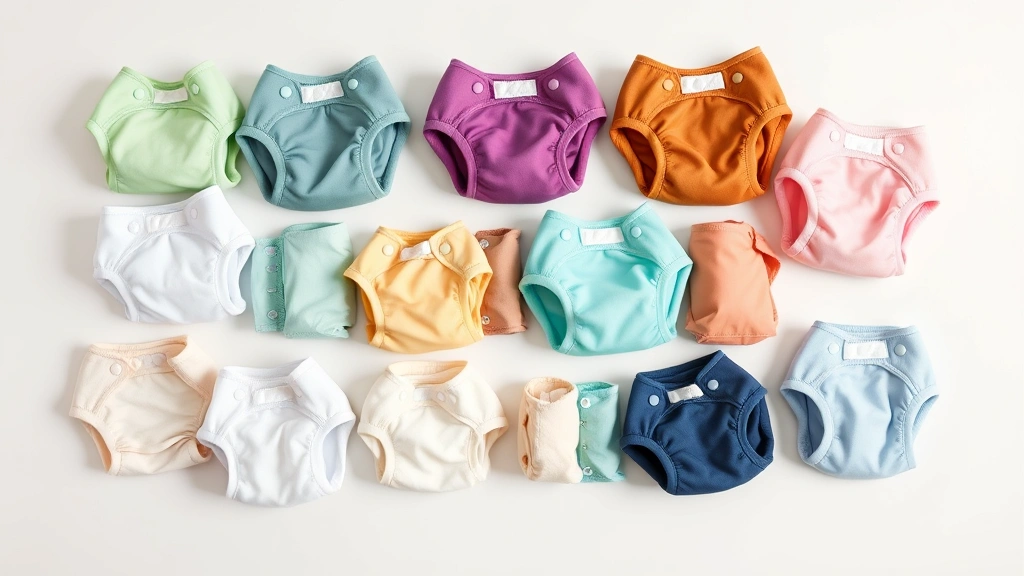
If you’re environmentally conscious or just tired of constantly buying disposables, reusable female dog diapers are worth the investment. These washable options are made from soft fabric with waterproof liners and absorbent inserts that you can swap out and wash.
The upfront cost is higher, but you’ll save money long-term. Plus, they’re gentler on your dog’s skin since they’re made from natural materials like cotton and bamboo. Brands like Wegreeco and Ruffwear make solid reusable options that come in various sizes and fun patterns.
Pro tip: Buy at least 3-4 pairs so you always have clean ones available while others are in the wash. Your laundry schedule will thank you.
Disposable Options for Maximum Convenience
Sometimes you need the grab-and-go simplicity of disposable diapers. These are perfect for travel, vet visits, or when you’re just overwhelmed with laundry (no judgment here).
Disposable female dog diapers come with adhesive tabs and are designed specifically for female anatomy. They’re more absorbent than reusables and require zero cleanup beyond tossing them in the trash. The downside? Environmental impact and ongoing costs add up faster than you’d think.
Many pet parents use a hybrid approach—reusables at home and disposables when they’re out and about. That’s totally valid and honestly the most practical solution for most households.
Sizing Your Dog Correctly
Getting the right size is non-negotiable. Too small and they’re uncomfortable and ineffective; too large and leaks happen constantly. Most brands offer sizing based on weight, but measure your dog’s waist and rear end to be sure.
Here’s a quick guide: Small (5-15 lbs), Medium (15-30 lbs), Large (30-50 lbs), and XL (50+ lbs). But honestly, check each brand’s specific sizing chart because they vary. When in doubt, go slightly larger—you can always adjust with the tabs.
Dealing with Skin Health and Diaper Rash
Extended diaper use can lead to skin irritation if you’re not careful. Change diapers frequently—at minimum every 4-6 hours, more often if they’re wet. Leaving a wet diaper on your dog is like leaving a wet bathing suit on yourself all day. Uncomfortable and unhygienic.
Keep the area clean and dry. Gently wipe with pet-safe wipes or warm water between changes. Some vets recommend applying a thin layer of pet-safe barrier cream to prevent diaper rash, especially if your dog will be wearing them long-term. PetMD has great resources on managing diaper dermatitis in dogs.
Watch for signs of irritation like redness, excessive licking, or discharge. If you notice anything concerning, contact your vet. Infections can develop quickly in moist environments.
Training Your Dog to Wear Diapers
Here’s the thing—most dogs don’t immediately love wearing diapers. It’s a weird sensation, and they need time to adjust. Start by letting your pup wear one for short periods while you’re home and can supervise.
Use positive reinforcement. Treats, praise, and attention go a long way. Some dogs figure it out in a day or two; others take a week or more. Be patient. Once they realize they can still move around and play, most dogs stop fighting it.
Pro tip: Put the diaper on right before a walk or playtime so your dog associates it with something fun. Distraction is your best friend during the adjustment period.
Cost Comparison: What You’ll Actually Spend
Let’s talk money because this matters. Disposable diapers run about $0.50-$1.50 per diaper depending on the brand. If your dog needs 4-6 per day, that’s $60-$270 monthly. Yikes.
Reusable diapers cost $15-$30 per pair upfront, but you only need 3-4 sets. That’s roughly $60-$120 initial investment with minimal ongoing costs beyond laundry. Do the math for your situation, but reusables usually win financially after 2-3 months.
Some pet parents use a combination approach or look into bulk disposable purchases for better pricing. Check out UC Davis School of Veterinary Medicine for research-backed information on managing canine incontinence costs.
When to Contact Your Vet About Incontinence
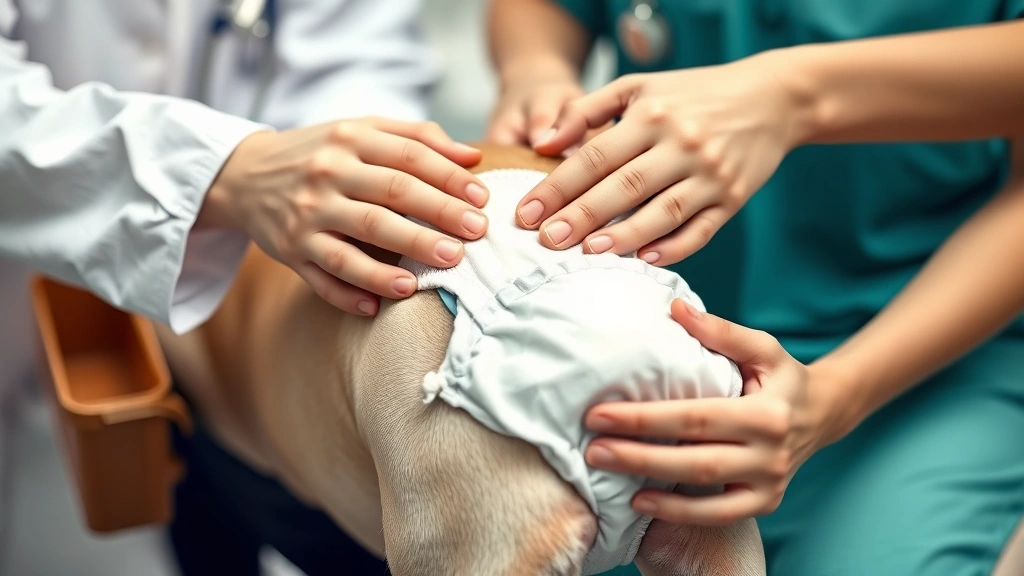
If your female dog suddenly develops incontinence, that’s a vet visit, not just a diaper situation. Sudden onset can indicate UTIs, hormonal imbalances, or other medical issues that need treatment. Diapers are a management tool, not a cure.
Work with your vet to identify the underlying cause. Sometimes medication works. Sometimes it takes time. Sometimes you need a combination of approaches. Your vet can also recommend whether pet telehealth consultations might help monitor your dog’s progress without constant office visits.
Also, if your dog is wearing diapers long-term, periodic vet check-ups ensure the skin underneath stays healthy and infections don’t develop.
Frequently Asked Questions
Can male dogs wear female dog diapers?
Technically yes, but they’re not designed for male anatomy. Male diapers have a different opening to accommodate the penis. Using female diapers on males often results in leaks and discomfort. Stick with products designed for your dog’s sex.
How often should I change my dog’s diaper?
Change diapers every 4-6 hours minimum, or whenever they’re wet or soiled. Some dogs need more frequent changes depending on their incontinence severity. Set a schedule and stick to it to prevent skin issues.
Are dog diapers safe for long-term use?
Yes, with proper care. Change them frequently, keep the area clean and dry, and monitor for skin irritation. Long-term diaper use is safe and necessary for many dogs managing incontinence or other conditions.
What’s the difference between heat diapers and incontinence diapers?
Heat diapers are designed for unspayed females in estrus and focus on containing discharge. Incontinence diapers are more absorbent and designed for urine leakage. Some diapers work for both purposes, but they’re technically different products.
Can I use human diapers on my dog?
No. Human diapers don’t fit dog anatomy properly, have different absorbency levels, and can be dangerous if your dog chews and swallows pieces. Always use products specifically designed for dogs.
Final Thoughts: Managing Your Dog’s Comfort
Female dog diapers aren’t a failure on your part—they’re a compassionate solution for a common problem. Whether your girl is dealing with spay incontinence, heat cycles, or age-related issues, the right diaper can restore her quality of life and your sanity.
Start by identifying your needs: reusable versus disposable, sizing, and budget. Try a few options to see what works best for your pup. Keep the area clean and dry, change frequently, and monitor for any skin issues. Most importantly, work with your vet to address the underlying cause while managing symptoms with diapers.
Your dog doesn’t feel embarrassed about needing them—she just wants to be comfortable and feel loved. And honestly, that’s what you’re giving her. Keep being the amazing pet parent you are.





