
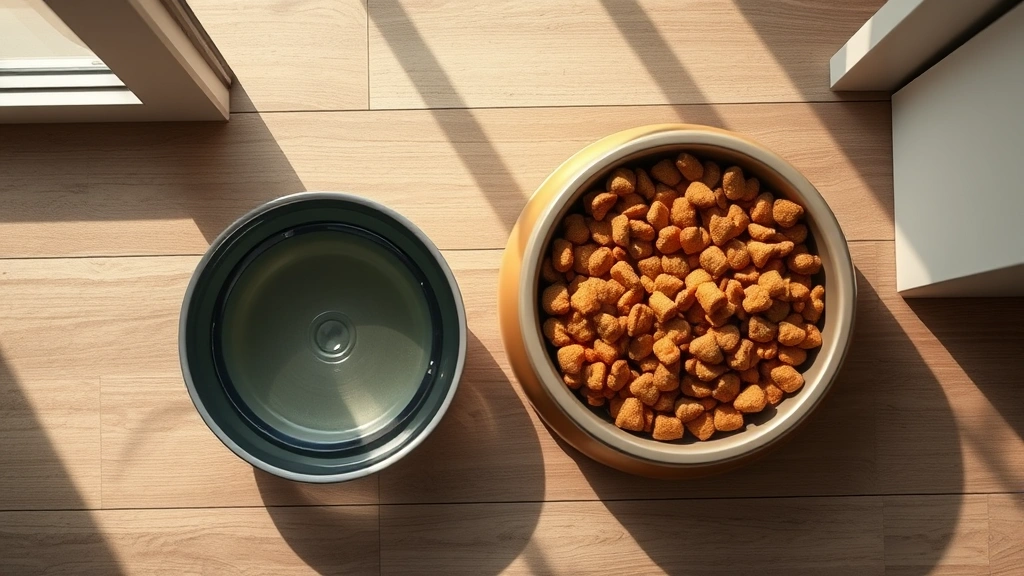
A proper food safety feeding timeline is the backbone of keeping your furry friend healthy, happy, and thriving. Whether you’re a first-time pet parent or a seasoned veteran, understanding when, how, and what to feed your pet can mean the difference between a bouncing pup and a trip to the emergency vet. Let’s dive into the nitty-gritty of creating a feeding schedule that keeps both your pet and your peace of mind intact.
Table of Contents
- Why Food Safety and Feeding Schedules Matter More Than You Think
- Understanding the Basics of Pet Feeding Frequency
- The Critical First 24 Hours: Fresh Food Safety Protocol
- Transitioning to New Foods: The 7-10 Day Rule
- Medication and Food: Timing Is Everything
- Special Circumstances: Surgery, Illness, and Recovery
- Storage and Shelf Life: The Numbers You Need to Know
- Creating Your Personalized Feeding Timeline
- Temperature Matters: Serving Your Pet’s Food Right
- Monitoring and Adjusting Your Feeding Schedule
- Common Food Safety Mistakes to Avoid
- Frequently Asked Questions
- The Bottom Line: Making Food Safety Your Priority
Why Food Safety and Feeding Schedules Matter More Than You Think
Here’s the thing: pets aren’t like humans who can raid the fridge whenever they feel peckish. They need structure, consistency, and safety protocols to thrive. A solid food safety feeding timeline prevents bacterial contamination, reduces digestive upset, and helps you monitor your pet’s health like a pro. When you establish a routine, you’ll notice changes in appetite, energy levels, and bathroom habits immediately—basically becoming a pet detective.
Feeding schedules also prevent overeating, which is a massive problem in our chubby-cheeked companion population. Plus, knowing exactly when Fido ate last means you won’t accidentally double-feed them when your spouse thinks they haven’t eaten yet. (Yes, this happens more often than you’d think.)
Understanding the Basics of Pet Feeding Frequency
The frequency of feeding depends on your pet’s age, size, and health status. Puppies and kittens need more frequent meals because their tiny bellies can’t hold much food at once. Adult pets typically do well with one or two meals daily, while senior pets might benefit from smaller, more frequent meals to aid digestion.
As a general rule: puppies (under 6 months) need 3-4 meals daily, adolescents (6-12 months) need 2 meals, and adult dogs thrive on 1-2 meals per day. Cats are obligate carnivores and often prefer multiple small meals throughout the day, mimicking their natural hunting patterns.
The Critical First 24 Hours: Fresh Food Safety Protocol
When you open a can or bag of pet food, the clock starts ticking. Opened wet food should never sit out longer than 2 hours at room temperature—bacteria love a warm buffet. If your pet doesn’t finish their meal, toss it after that window closes. Refrigerate uneaten portions in an airtight container for up to 3 days maximum.
Dry kibble is more forgiving but still demands respect. An opened bag stays fresh for about 2-4 weeks if stored in a cool, dry place in an airtight container. Pro tip: transfer kibble to a food-grade storage container and write the expiration date with a permanent marker. Your future self will thank you when you’re not playing ingredient roulette.
Transitioning to New Foods: The 7-10 Day Rule
Never—and we mean NEVER—switch your pet’s food cold turkey. This is where many well-intentioned owners accidentally trigger digestive disasters. The proper feeding timeline for food transitions spans 7-10 days, gradually mixing increasing amounts of new food with the old stuff.
Here’s the timeline: Days 1-2 (25% new, 75% old), Days 3-4 (50% new, 50% old), Days 5-6 (75% new, 25% old), and Days 7-10 (100% new). If your pet has a sensitive stomach feeding schedule, extend this timeline to 10-14 days. Watch for vomiting, diarrhea, or decreased appetite—these are red flags to slow down the transition.
Medication and Food: Timing Is Everything
If your pet takes medications, the food safety feeding timeline becomes even more critical. Some medications require an empty stomach (give 1-2 hours before food), while others need food to prevent nausea and improve absorption. Your vet should always clarify this, but double-check the medication label or call to confirm.
For pets requiring medication with food schedule coordination, set phone reminders to avoid missed doses or accidental double-dosing. Consistency here prevents medication failures and keeps your pet’s condition under control.
Special Circumstances: Surgery, Illness, and Recovery
After surgery or during illness, your pet’s feeding needs change dramatically. Most vets recommend withholding food for 6-12 hours pre-surgery (water usually stays available until 2 hours before). Post-surgery, reintroduce food gradually—often starting with small amounts of bland food like boiled chicken and rice.
Check out our post-surgery feeding schedule guide for detailed recovery timelines. Similarly, pets with joint issues or those on joint support feeding schedule may benefit from specific meal timing to maximize nutrient absorption and reduce inflammation.
Storage and Shelf Life: The Numbers You Need to Know
Understanding expiration dates and proper storage prevents foodborne illness in pets. Dry kibble lasts longest—typically 12-18 months from manufacture date if unopened. Wet food cans are good for 2-5 years unopened, but only 3 days refrigerated after opening. Frozen raw diets last 6-12 months in the freezer but must thaw properly (refrigerator, not countertop).
Always check for signs of spoilage: off odors, mold, discoloration, or bulging cans. When in doubt, throw it out. Your pet’s health isn’t worth the risk of food poisoning.
Creating Your Personalized Feeding Timeline
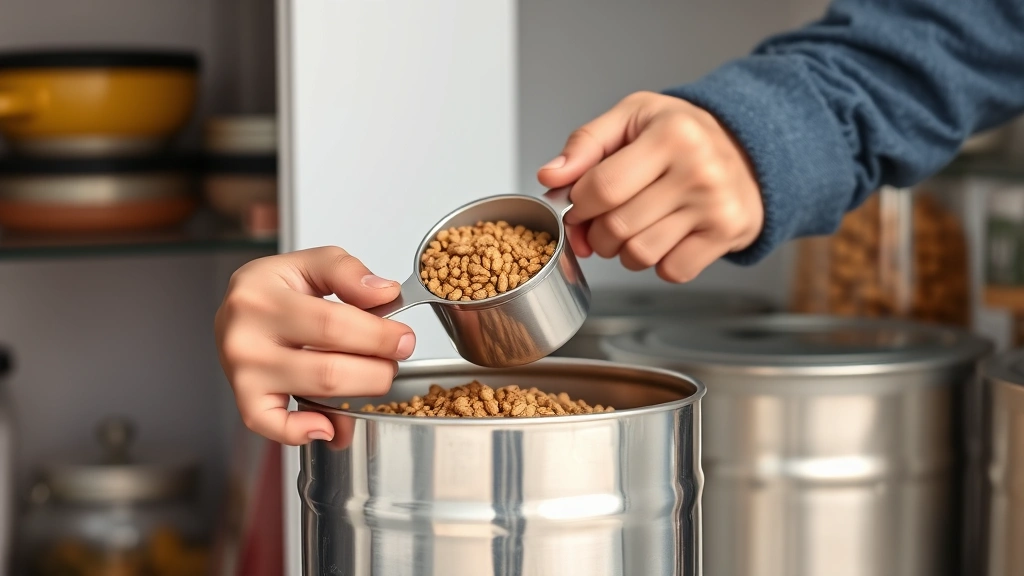
Start by measuring pet food portions accurately using a kitchen scale or measuring cup. Write down feeding times, portions, and any observations about your pet’s response. This log becomes invaluable during vet visits and helps identify patterns.
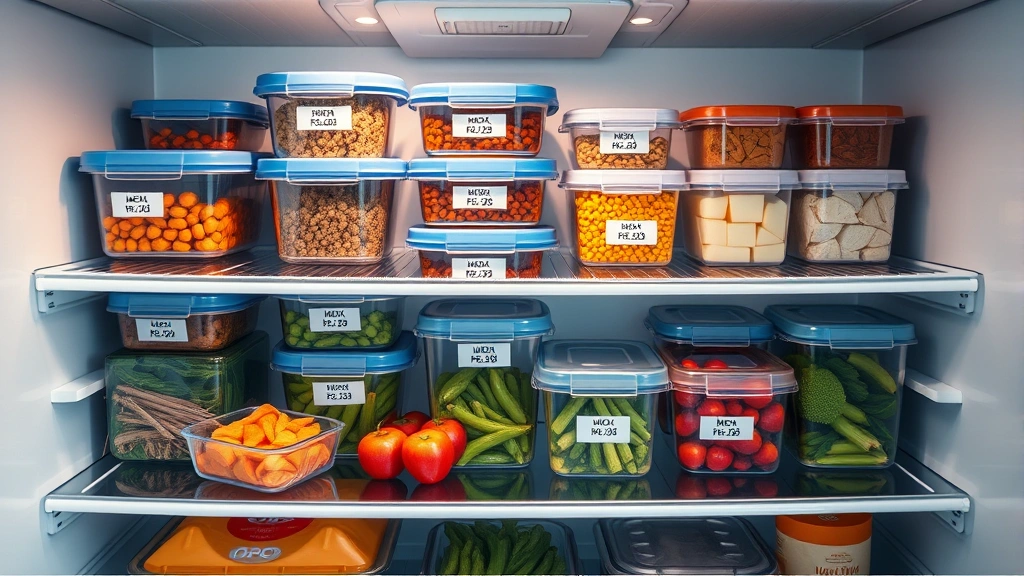
For households with multiple pets or when using pet sitter feeding guide instructions, post a laminated feeding schedule on your fridge or pantry. Include pet names, portion sizes, feeding times, and any special instructions. This prevents confusion and ensures consistency even when you’re not home.
Temperature Matters: Serving Your Pet’s Food Right
Room temperature is ideal for most pets—it enhances palatability and digestion. Wet food straight from the fridge can be less appealing and might upset sensitive stomachs. Let canned food sit for 15-20 minutes before serving, or warm it slightly under running water. Never use the microwave, as it creates hot spots that can burn your pet’s mouth.
For raw diets, thaw in the refrigerator (24 hours for most portions) rather than on the counter, where harmful bacteria multiply rapidly. Once thawed, use within 24-48 hours.
Monitoring and Adjusting Your Feeding Schedule
Your pet’s needs change with age, activity level, and health status. Reassess your food safety feeding timeline every 6-12 months or whenever you notice changes. Is your dog gaining weight? Reduce portions or increase exercise. Is your senior cat eating less? Offer smaller, more frequent meals.
Keep your vet in the loop about any feeding changes. They can recommend portion adjustments based on body condition scores and ensure your pet’s nutritional needs are met.
Common Food Safety Mistakes to Avoid
Don’t leave food out all day (free feeding). This prevents portion control, attracts pests, and makes it impossible to monitor consumption. Don’t store pet food in the garage or shed where temperature fluctuations and pests are concerns. Don’t mix old kibble with new kibble without tracking what’s what. Don’t ignore expiration dates on treats or supplements.
And please, never feed your pet human food without checking if it’s safe first. Chocolate, grapes, onions, and xylitol are toxic. Even “safe” human foods should be treats, not meal components.
Frequently Asked Questions
How long can I leave wet food out for my pet?
Wet food should not sit out longer than 2 hours at room temperature. After that, bacteria multiply to unsafe levels. Refrigerate uneaten portions immediately and use within 3 days.
Can I feed my pet once a day?
Adult dogs and cats can typically thrive on once-daily feeding, though twice-daily is often preferred for better digestion and appetite monitoring. Puppies, seniors, and pets with health conditions may need more frequent meals. Consult your vet for personalized recommendations.
What’s the safest way to thaw frozen pet food?
Always thaw in the refrigerator over 24 hours. Never thaw at room temperature or in hot water, as this promotes bacterial growth. Use thawed food within 24-48 hours.
How do I know if pet food has gone bad?
Look for off odors, visible mold, discoloration, or bulging cans. Trust your nose—if something smells wrong, it probably is. Discard immediately.
Should I adjust feeding amounts as my pet ages?
Yes. Senior pets often need fewer calories but may benefit from more frequent, smaller meals. Discuss age-appropriate portions with your vet during annual checkups.
The Bottom Line: Making Food Safety Your Priority
A solid food safety feeding timeline isn’t complicated—it’s just about being intentional and consistent. Write down your schedule, measure portions accurately, store food properly, and monitor your pet’s response. When you nail these basics, you’re preventing digestive issues, avoiding foodborne illness, and giving your pet the nutritional foundation they deserve.
Your pet depends on you to make smart feeding decisions. By following proper food safety protocols and maintaining a consistent feeding timeline, you’re investing in their long-term health and happiness. That’s the kind of pet parent move that deserves a high-five and maybe a celebratory treat (for you, not the dog—they already got theirs).





