
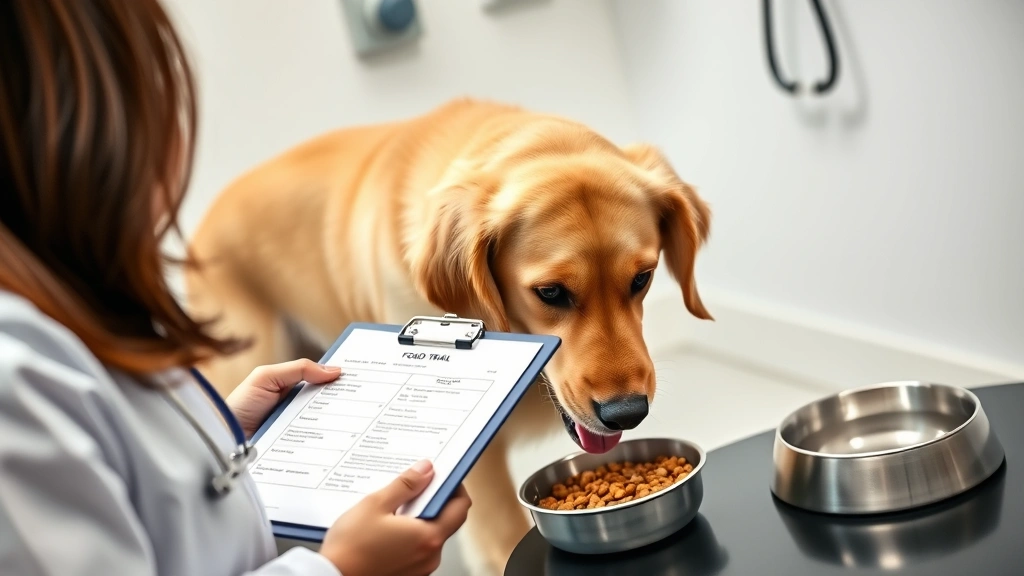
A food trial feeding schedule is your secret weapon for identifying what’s making your furry friend itch, scratch, and generally act like they’ve lost their mind. If your pet has been diagnosed with a food allergy or intolerance, you’re about to embark on a detective mission that requires patience, precision, and a whole lot of treat-free willpower.
Table of Contents
- What Exactly Is a Food Trial and Why Does It Matter?
- How Long Should Your Food Trial Actually Take?
- The Ultimate Food Trial Feeding Schedule Breakdown
- Choosing the Right Trial Diet for Your Pet
- The Critical Rules of Food Trial Success
- What to Feed During Your Trial: Portion Guidelines
- Reading the Signs: How to Know If the Trial Is Working
- The Challenge Phase: Confirming Your Results
- After the Trial: Long-Term Management and Prevention
- Common Mistakes That Derail Food Trials
- Special Considerations for Multi-Pet Households
- When to Contact Your Vet During the Trial
- Frequently Asked Questions
- Summary: Your Food Trial Feeding Schedule Success Plan
Unlike a casual “let’s try this new kibble” approach, a proper food trial is a structured, weeks-long process designed to pinpoint the exact ingredient causing your pet’s misery. Whether your dog is scratching themselves bald or your cat is experiencing mysterious digestive drama, this guide will walk you through everything you need to know about executing a successful elimination diet.
What Exactly Is a Food Trial and Why Does It Matter?
A food trial is essentially a controlled experiment where you feed your pet a limited diet of novel or hydrolyzed proteins to see if their symptoms improve. Think of it as the veterinary equivalent of detective work—you’re systematically removing suspects (ingredients) until you find the culprit.
Your vet might recommend a food trial if your pet shows signs of food allergies like chronic ear infections, itchy skin, vomiting, diarrhea, or that classic “butt-scooting” move that makes you want to hide in embarrassment at the dog park. The American Kennel Club notes that true food allergies account for about 10% of all allergies in dogs, making proper diagnosis through a structured food trial feeding schedule absolutely essential.
The beauty of a food trial is that it’s non-invasive, doesn’t require expensive blood tests (though those exist), and gives you concrete answers. No more guessing games. No more throwing spaghetti at the wall.
How Long Should Your Food Trial Actually Take?
Here’s where patience becomes your greatest virtue: a proper food trial typically lasts 8-12 weeks. Yes, you read that right. Nearly three months of feeding the same boring diet to your pet while resisting the urge to sneak them a pizza crust.
Why so long? Your pet’s immune system is slow to respond. It can take 4-6 weeks for inflammatory responses to calm down, and another 2-4 weeks to confirm that symptoms have genuinely improved. If you cut corners and only do a 3-week trial, you might miss the window where your pet’s symptoms actually resolve.
Some pets show improvement within 2-4 weeks, while others need the full 12-week commitment. This is why working with your veterinarian on your food trial feeding schedule is crucial—they can help you interpret what’s happening and adjust timelines if needed.
The Ultimate Food Trial Feeding Schedule Breakdown
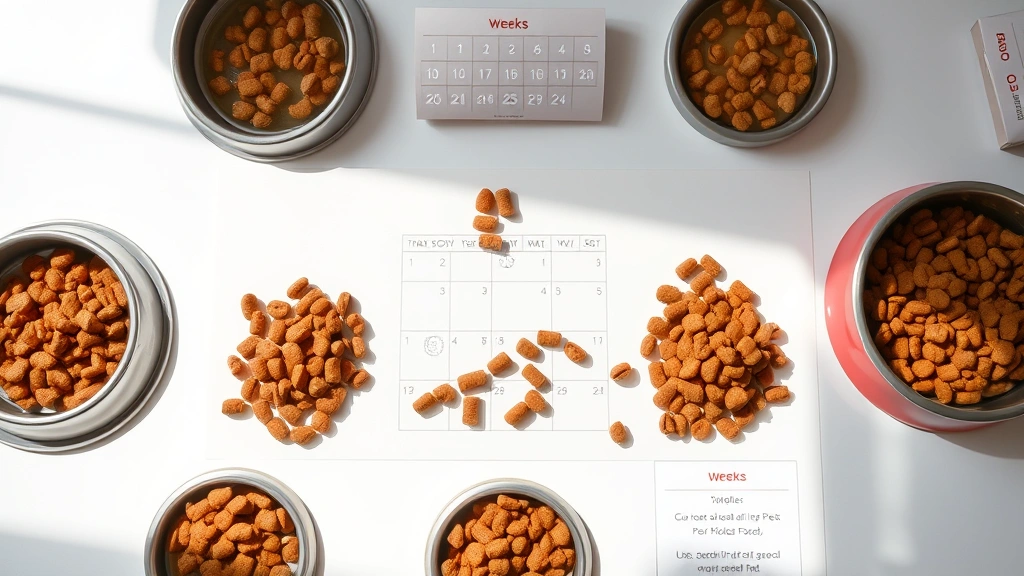
Let’s get into the nitty-gritty of what your daily and weekly schedule should look like:
Weeks 1-2: The Preparation Phase
Before you even introduce the trial diet, spend two weeks gathering all the information. Document your pet’s current symptoms daily. Take photos of any skin issues. Note how many times they scratch, whether they’re licking their paws excessively, and any digestive issues. This baseline data is your control group.
Weeks 3-6: The Elimination Phase
Introduce the new limited-ingredient or hydrolyzed protein diet. Feed it exclusively—and we mean exclusively. No treats, no table scraps, no “just a little bite” of your sandwich. Every single calorie must come from your trial food. This is where most people fail, so set yourself up for success by removing temptation from your kitchen.
Weeks 7-10: The Observation Phase
By now, you should be seeing some changes. Many pets show 50% improvement by week 6, and 90% improvement by week 8. Continue documenting symptoms. If your pet is improving dramatically, you’re on the right track. If nothing’s changed, discuss with your vet about whether the trial diet itself might be causing issues or if the problem isn’t food-related at all.
Weeks 11-12: The Confirmation Phase
Your pet should be noticeably better. The itching should be reduced, ears should look cleaner, and digestive issues should be resolved. This is when you know your trial diet is working and you’ve likely found the culprit ingredient in their old food.
Choosing the Right Trial Diet for Your Pet
Not all trial diets are created equal. Your veterinarian will likely recommend one of two types:
Novel Protein Diets
These contain protein sources your pet has never eaten before. If your dog has always eaten chicken and beef, a novel protein diet might include venison, duck, or kangaroo. The theory is that if your pet has never been exposed to this protein, they can’t be allergic to it. Novel protein diets work best when you know your pet’s complete dietary history.
Hydrolyzed Protein Diets
These contain proteins that have been broken down into such tiny molecules that your pet’s immune system can’t recognize them as allergens. Hydrolyzed diets are prescription-only and often more expensive, but they’re incredibly effective because they work regardless of which specific protein your pet is allergic to. Brands like Royal Canin and Hill’s Science Diet offer excellent hydrolyzed options.
Your vet might also recommend a sensitive stomach feeding schedule if digestive issues are prominent, or they might suggest rotating protein sources after the trial is complete to prevent future allergies from developing.
The Critical Rules of Food Trial Success
This is where most pet parents sabotage their own efforts. Follow these rules religiously:
Rule #1: No Treats (Seriously, None)
That cute little training treat? It contains ingredients. That dental chew? Yep, ingredients. Even flavored medications can derail your trial. Work with your vet to find approved treats made from your trial diet’s ingredients, or use the trial kibble itself as treats.
Rule #2: Check Every Label
Some supplements, medications, and even toothpaste contain allergens. Read every single label. If you’re uncertain, ask your vet or call the manufacturer.
Rule #3: Prevent Cross-Contamination
If you have multiple pets, separate them during meals if possible. One pet eating the trial diet while another eats regular food is a recipe for disaster. If they share a bowl or eat from the same area, you’ve just contaminated your trial.
Rule #4: Use Filtered Water
Some pets are sensitive to minerals or chlorine in tap water. Switching to filtered water during your food trial feeding schedule eliminates this variable.
Rule #5: Document Everything
Keep a detailed log. Note the date, time, what you fed, any symptoms, and your pet’s behavior. This information is gold when discussing results with your vet.
What to Feed During Your Trial: Portion Guidelines
Your trial diet feeding amount depends on your pet’s age, weight, and activity level. Most commercial trial diets include feeding guidelines on the package, but here’s a general framework:
For dogs, feed approximately 2-3% of their body weight daily, split into two meals. A 50-pound dog would eat roughly 1-1.5 pounds of food daily. For cats, the math is trickier because they’re obligate carnivores with different metabolic needs—typically 40-60 calories per pound of body weight daily, which works out to about 1/2 to 3/4 cup of quality food daily for an average cat.
Weigh your pet at the start of the trial and weekly thereafter. Weight loss during a food trial is normal as inflammation decreases, but dramatic weight loss indicates you need to increase portions or switch foods. If your pet gains weight, reduce portions slightly.
Reading the Signs: How to Know If the Trial Is Working
By week 4-6, you should start seeing improvements if the food is the issue. What does improvement look like?
Skin symptoms improve in this order: itching decreases first (often within 2-3 weeks), then redness fades, then hair starts regrowing. Ear infections become less frequent and less severe. Digestive issues—diarrhea, vomiting, gas—typically improve within 2-4 weeks.
If you see zero improvement by week 8, the food likely isn’t the culprit. Your pet’s issues might be environmental allergies, parasites, or something else entirely. This is valuable information! It means you can stop the trial and explore other avenues with your vet.
The Challenge Phase: Confirming Your Results
Once your pet has improved dramatically on the trial diet (usually by week 10-12), your vet might recommend a “challenge phase.” This is where you intentionally reintroduce the suspected allergen to confirm it was actually the problem.
You’ll feed the old food for 1-2 weeks while monitoring for symptom return. If symptoms come roaring back, you’ve confirmed the allergen. If nothing happens, the original food might not have been the issue, or your pet might have improved for another reason.
This step feels counterintuitive—why make your poor pet itchy again?—but it provides scientific proof that you’ve identified the problem correctly. This information guides your long-term feeding strategy.
After the Trial: Long-Term Management and Prevention
Once you’ve identified the problematic ingredient, you’ll need a long-term feeding plan. Some people continue with the trial diet indefinitely, while others work with their vet to identify which specific ingredients to avoid and find regular foods that don’t contain them.
Some vets recommend rotating protein sources even after identifying the allergen, to prevent your pet from developing new allergies. Others suggest homemade pet food schedule options for complete control over ingredients.
If your pet has multiple allergies or complex health issues like diabetes, you might need to coordinate with diabetic pet feeding schedule requirements or sensitive stomach supplements to address all their needs simultaneously.
Common Mistakes That Derail Food Trials
After years of vet tech experience, I’ve seen these mistakes tank food trials repeatedly:
Mistake #1: Starting the trial without vet guidance. Your vet needs to rule out other conditions first (parasites, infections, environmental allergies) and recommend the appropriate trial diet.
Mistake #2: Not committing to the full timeline. Stopping at week 6 because you’re impatient means you might miss the improvement window. Commit to 8-12 weeks.
Mistake #3: Giving treats or table scraps. “Just one bite” ruins everything. Your pet will hate you temporarily, but they’ll thank you when their itching stops.
Mistake #4: Switching foods mid-trial. If you don’t like the trial diet, don’t switch brands or formulations. Talk to your vet about alternatives.
Mistake #5: Not keeping detailed records. You’ll forget details by week 8. Write everything down.
Mistake #6: Assuming food is the only issue. Environmental allergies, parasites, and infections can coexist with food allergies. Your vet might need to treat multiple problems simultaneously.
Special Considerations for Multi-Pet Households
If you have multiple pets, a food trial becomes logistically complicated. Here’s how to manage it:
Ideally, feed your trial pet separately from other pets. Use a closed door, separate room, or timed feeders that only allow one pet access. After meals, remove bowls immediately so other pets can’t snack.
If complete separation is impossible, consider feeding your other pets a diet compatible with the trial diet—or feed them the trial diet too if they don’t have allergies. It’s not harmful for non-allergic pets to eat limited-ingredient or hydrolyzed diets.

For cats in particular, this is tricky because cats are notoriously finicky. You might need to feed them separately and at different times, or use microchip feeders that only allow specific pets to eat.
When to Contact Your Vet During the Trial
Your vet should be your partner throughout this process. Contact them immediately if:
Your pet refuses to eat the trial diet for more than a day or two. Your pet experiences new or worsening symptoms. Your pet loses more than 10% of their body weight. You notice signs of nutritional deficiency (lethargy, coat changes, weakness). You’re uncertain about whether something is allowed during the trial.
Even if everything seems fine, schedule a check-in around week 4-6 to discuss progress and get professional interpretation of your observations.
Frequently Asked Questions
How much does a food trial cost?
The trial diet itself costs $30-100+ monthly depending on the brand and whether it’s prescription. Your vet visits add $100-300 for initial consultation and follow-ups. Total cost typically ranges from $300-800 for a complete 8-12 week trial, which is significantly less than ongoing vet visits for uncontrolled allergies.
Can I do a food trial at home without prescription food?
Technically yes, but it’s less reliable. You could try a limited-ingredient commercial diet or homemade diet, but prescription hydrolyzed diets are formulated specifically for elimination trials and are more likely to succeed. Always discuss home trial options with your vet first.
What if my pet won’t eat the trial diet?
Some pets are incredibly picky. Try warming the food, mixing in a small amount of low-sodium broth, or gradually transitioning from their old food over 7-10 days. If they still refuse after 2 weeks, discuss alternatives with your vet. A pet that won’t eat isn’t getting the trial they need.
Can environmental allergies mimic food allergies?
Absolutely. Environmental allergies cause similar symptoms (itching, ear infections, paw licking) and often occur alongside food allergies. If your pet doesn’t improve on the trial diet, environmental allergies might be the primary issue. Your vet can help distinguish between them.
How do I reintroduce foods after the trial?
Slowly and one at a time. After confirming the trial diet works, introduce one new ingredient every 1-2 weeks while monitoring for symptom return. This helps identify which specific ingredients your pet can tolerate and which ones to avoid permanently.
Is a food trial the same as an elimination diet?
Yes, they’re essentially the same thing. Both involve feeding a restricted diet to identify problem ingredients. The terms are used interchangeably in veterinary medicine.
What if my pet has multiple food allergies?
The trial diet should eliminate all suspected allergens. Once you’ve confirmed improvement, you’ll reintroduce foods one at a time to identify which specific ingredients cause problems. Some pets tolerate multiple proteins fine but react to grains, for example.
Can puppies and kittens do food trials?
Yes, but they need special consideration because they require more calories and specific nutrients for growth. Work closely with your vet to ensure the trial diet supports their developmental needs. Hydrolyzed diets specifically formulated for puppies or kittens are available.
Should I give supplements during a food trial?
Only if your vet recommends them. Most supplements contain ingredients that could contaminate your trial. Stick to the trial diet alone unless your vet specifically approves a supplement and verifies its ingredients.
What happens if the trial diet causes new problems?
Some pets react to the trial diet itself, which is valuable information. Contact your vet immediately. You might need to switch to a different trial diet or investigate whether your pet has sensitivities beyond simple food allergies.
Can I use treats as training rewards during the trial?
Not treats made from regular ingredients. However, you can use small pieces of the trial kibble as training rewards, or ask your vet about treats made exclusively from the trial diet’s ingredients. Some companies make allergen-free treats specifically for food trials.
How accurate is a food trial for diagnosing allergies?
When done properly with a veterinarian’s guidance, a food trial is one of the most reliable ways to diagnose food allergies. It’s more accurate than blood tests for food allergies because it measures actual immune response rather than antibody presence. The key is following the protocol correctly.
Summary: Your Food Trial Feeding Schedule Success Plan
A successful food trial feeding schedule requires commitment, precision, and patience—but it’s absolutely worth it when you finally discover what’s been making your pet miserable. The 8-12 week timeline isn’t negotiable; your pet’s immune system needs that time to respond. The elimination of all treats and supplements isn’t optional; one contaminated bite ruins everything. The detailed documentation isn’t busywork; it’s the evidence your vet needs to make accurate recommendations.
Start by scheduling a vet appointment to discuss whether a food trial is appropriate for your pet and which trial diet to use. Prepare your household by removing temptation and planning how you’ll manage other pets. Commit to the full timeline even when you’re tired of the boring diet. Keep meticulous records of symptoms and improvements. And most importantly, follow your vet’s guidance throughout the process.
Once you’ve completed your trial and identified the problem, you’ll have concrete answers about your pet’s dietary needs. No more guessing. No more wasted money on foods your pet can’t eat. Just a happy, healthy pet with clear guidance on what to feed them for the rest of their life.
Your pet is counting on you to solve this mystery. Now you have the roadmap to do it.





