
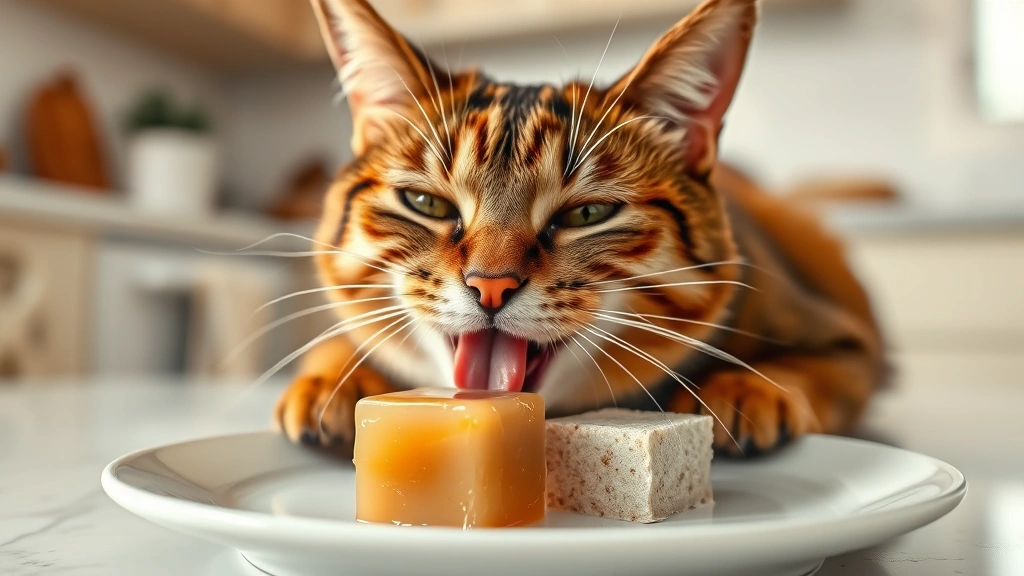
When the mercury climbs and your feline friend is sprawled out on the kitchen tile looking absolutely miserable, frozen treat recipes for cats might just be your secret weapon for keeping them cool, happy, and entertained. Forget those expensive commercial frozen treats—you can whip up purrfect summer snacks right in your own kitchen that your cat will absolutely lose their mind over.
Table of Contents
- Why Your Cat Needs Frozen Treats (And Why You Should Care)
- The Golden Rules of Cat Frozen Treats
- Recipe #1: Tuna and Broth Popsicles
- Recipe #2: Chicken and Catnip Frozen Cubes
- Recipe #3: Salmon and Pumpkin Power Pops
- Recipe #4: Bone Broth Freeze Treats
- Recipe #5: Tuna Juice Ice Lollies
- Serving Tips and Tricks
- Storage and Safety Considerations
- Making Treat Time Interactive and Fun
- Frequently Asked Questions
- Conclusion: Keep Your Cat Cool and Happy
Why Your Cat Needs Frozen Treats (And Why You Should Care)
Cats are notorious for being dramatic about heat. While dogs pant and seek shade like reasonable creatures, cats act like they’re auditioning for a Victorian fainting couch commercial. But here’s the thing: frozen treats aren’t just about keeping your kitty entertained. They actually serve a legitimate purpose. These icy delights help maintain hydration during hot months, provide mental stimulation, and give your cat something to do besides knock your water glass off the nightstand at 3 AM. Plus, homemade options mean you know exactly what’s going into your cat’s mouth—no mystery ingredients or artificial flavors.
The Golden Rules of Cat Frozen Treats
Before you start freezing everything in sight, let’s talk safety. Not all human frozen treats are cat-friendly, and some ingredients that seem innocent can actually be problematic for our whiskered companions. According to PetMD, certain artificial sweeteners and dairy products can upset a cat’s digestive system. The basic rule: stick to cat-safe ingredients, keep portions small, and always supervise your feline during treat time. Think of it like you’re creating tiny, frozen gifts of love—not full desserts.
Recipe #1: Tuna and Broth Popsicles
This is the gateway drug of frozen cat treats. It’s stupid simple, and cats go absolutely bonkers for it. Mix low-sodium chicken or fish broth with a tiny bit of finely shredded tuna (the kind in water, not oil). Pour the mixture into ice cube trays and freeze overnight. Pop one out when your cat needs cooling down. The broth provides hydration, the tuna adds that irresistible fishy flavor, and the ice cube size is perfect for portion control. Your cat will treat these like they’re caviar-filled jewels.
Recipe #2: Chicken and Catnip Frozen Cubes
Want to see your cat actually vibrate with excitement? Combine pureed cooked chicken (no seasoning, no salt) with a small amount of unsalted, low-sodium chicken broth. Add a pinch of dried catnip if your cat is into it (some cats couldn’t care less, which is totally normal). Freeze in ice cube trays. These are perfect for cats who are obsessed with poultry and need that extra mental stimulation. Watching your cat attack a frozen chicken cube is basically free entertainment. It’s like kitty CrossFit.
Recipe #3: Salmon and Pumpkin Power Pops
This one’s a bit fancier and actually has some nutritional benefits. Mix cooked, flaked salmon (no bones, no skin) with a tablespoon of plain pumpkin puree and a small amount of fish broth. The pumpkin adds fiber and digestive support, while the salmon provides omega-3 fatty acids that keep your cat’s coat looking magazine-worthy. Freeze in ice cube trays or small silicone molds. Your vet will be impressed at the next checkup when your cat’s coat is gleaming. Alternatively, check out our Homemade Diet Supplements for Pets guide for more nutritional ideas.
Recipe #4: Bone Broth Freeze Treats
Bone broth is basically cat crack—it’s packed with collagen, amino acids, and minerals that are actually good for your feline. Pour unsalted, cat-safe bone broth into ice cube trays or small paper cups (which you can peel away as your cat licks). You can add a few tiny pieces of cooked chicken or a sprinkle of freeze-dried salmon if you want to get fancy. The gelatin in bone broth also supports joint health, so you’re basically giving your cat a spa treatment. According to research from AAFCO standards, bone broth is a legitimate nutritional addition to feline diets when prepared correctly.
Recipe #5: Tuna Juice Ice Lollies
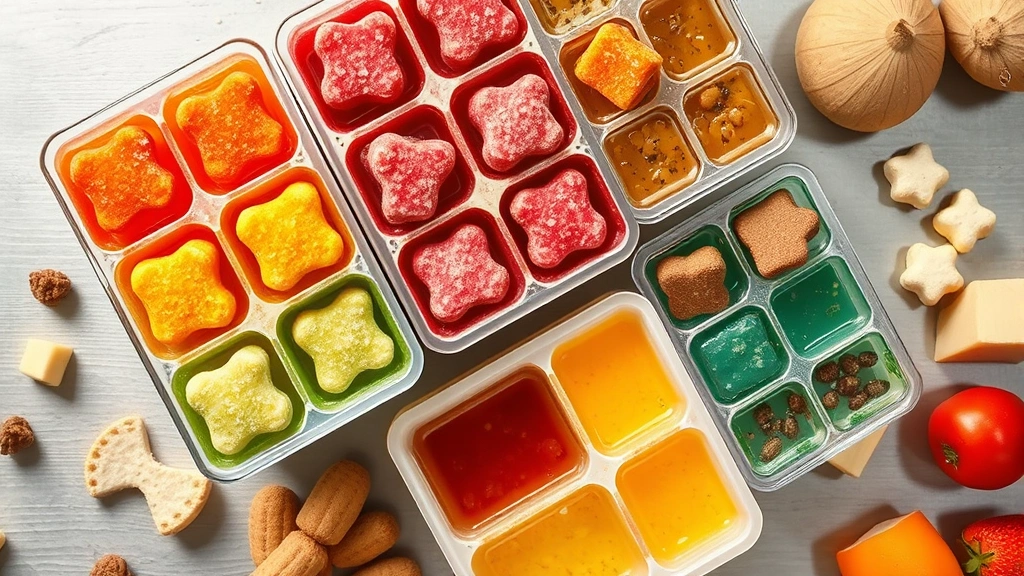
This is the minimalist approach, and honestly, sometimes simplicity wins. Drain a can of tuna packed in water (no salt added), and freeze the liquid in ice cube trays. That’s it. That’s the whole recipe. Some cats will absolutely demolish these, while others will look at you like you’ve lost your mind. The beauty is that you’re giving your cat pure hydration with a hint of flavor they already love. During summer heat waves, these are clutch.
Serving Tips and Tricks
Now that you’ve got your frozen creations ready, let’s talk presentation. Never give your cat a frozen treat straight from the freezer—let it sit for a minute or two so it’s not painfully cold. You can also pop it in a shallow bowl or on a plate to catch any drips. If your cat is a speed eater, you might want to use a lick mat or freeze the mixture on a silicone mat instead of cubes for a longer-lasting treat. And here’s a pro tip: freeze treats in the evening so they’re ready for those hot afternoon slumps. Check out our Cat Feeding Schedule to figure out the best times to incorporate treats into your cat’s daily routine.
Storage and Safety Considerations
Store your frozen treats in a dedicated container in the freezer, clearly labeled so nobody accidentally eats your cat’s snacks (yes, this happens). Most homemade frozen cat treats will keep for about three months. Always check that the ingredients are still good before freezing—you’re not trying to give your cat food poisoning. Also, remember that treats should only make up about 10% of your cat’s daily caloric intake. These frozen goodies are supplements, not meal replacements. If your cat has any health issues—kidney disease, diabetes, or digestive problems—chat with your vet before introducing new treats. Your Adult Cat Feeding Guide can help you understand your cat’s nutritional needs better.
Making Treat Time Interactive and Fun
Frozen treats aren’t just about cooling down; they’re an opportunity for enrichment. You can turn treat time into playtime by hiding frozen cubes in puzzle feeders or using them with Foraging Toys for Cats. Some cats love batting frozen treats around before eating them—it’s like kitty hockey. Others prefer to settle down in a cool spot and slowly lick their treat. Either way, you’re providing mental stimulation and physical activity, which are crucial for indoor cats during the summer months.
Frequently Asked Questions
Can I give my kitten frozen treats?
Yes, but with modifications. Kittens have smaller stomachs and different nutritional needs than adult cats. Stick to tiny portions and ensure the treats are made from kitten-safe ingredients. Check our Kitten Feeding Schedule for age-appropriate feeding guidelines before introducing frozen treats.
What ingredients should I absolutely avoid?
Never use chocolate, xylitol, onions, garlic, grapes, raisins, or anything with artificial sweeteners. These are toxic to cats. Avoid high-sodium broths and anything with excessive dairy. Stick to simple, cat-appropriate ingredients: meat, fish, safe broths, and the occasional safe vegetable like pumpkin.
How often can my cat have frozen treats?
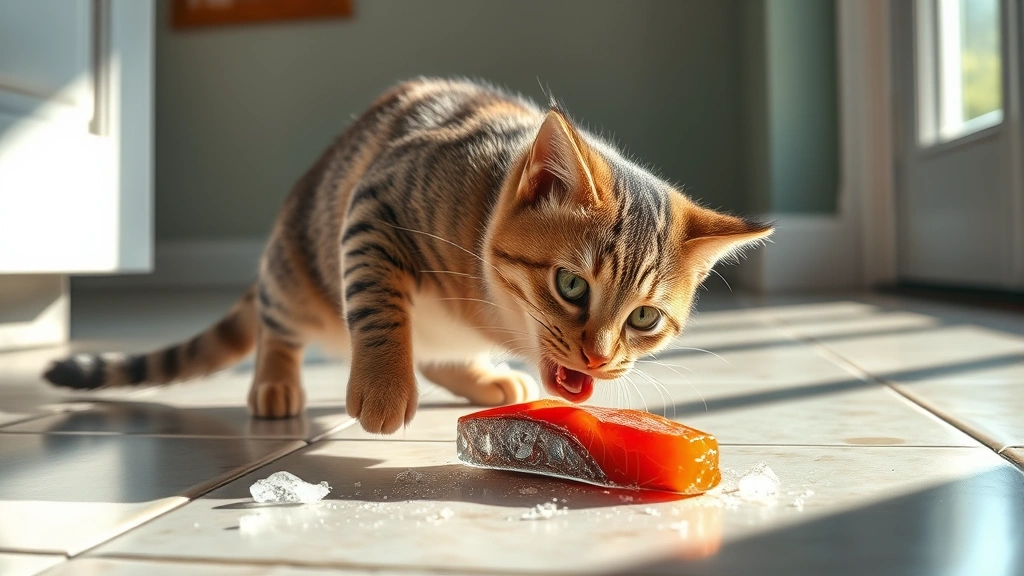
Once daily during hot weather is fine, but these should be treats, not staples. They should comprise no more than 10% of your cat’s daily caloric intake. Use them strategically during the hottest parts of the day.
My cat won’t eat frozen treats—is that normal?
Absolutely. Some cats are texture snobs and hate cold food. Try letting the treat thaw slightly, or stick to room-temperature alternatives. Every cat has preferences, and that’s totally okay.
Can I use regular ice cubes?
Plain ice is fine in small amounts, but it’s boring and lacks nutritional value. Your cat will appreciate the flavor and hydration benefits of broth-based or protein-based frozen treats way more than plain ice.
Conclusion: Keep Your Cat Cool and Happy
Frozen treat recipes for cats are a game-changer during summer months. They’re easy to make, budget-friendly, and give your feline friend something exciting to look forward to when the heat is unbearable. Whether you go with simple tuna juice popsicles or fancy salmon and pumpkin power pops, you’re providing hydration, enrichment, and love in frozen form. Your cat might not say thank you (because, let’s be honest, cats rarely do), but you’ll see it in their purrs and their contentment. So grab some ice cube trays, raid your freezer for cat-safe ingredients, and get ready to become the coolest cat parent on the block—literally.





