
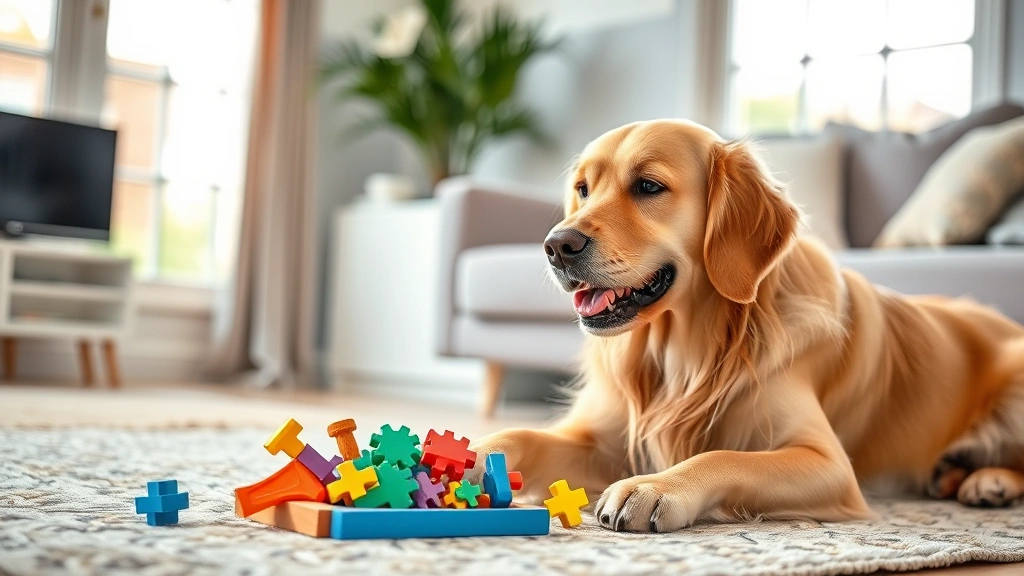
Games for dogs aren’t just fun—they’re absolutely essential for keeping your furry friend from turning your couch into a chew toy or your shoes into squeaky toys. A bored dog is basically a furry wrecking ball waiting to happen, so let’s talk about how to keep those tails wagging and those brains engaged.
Table of Contents
- Why Your Dog Needs Mental Stimulation (Beyond Just Exercise)
- Interactive Puzzle Games for Dogs That Actually Work
- Fetch and Retrieve Games: Classics Never Die
- Hide and Seek: Tap Into Your Dog’s Natural Instincts
- Tug of War: Building Bonding and Burn Energy
- Sniff Games and Nose Work: The Ultimate Brain Workout
- Agility and Obstacle Course Games
- Flirt Poles and Chase Games
- Nose Target and Touch Games: Building Commands Through Play
- Water Games: Cooling Off While Having Fun
- DIY Toy Games and Enrichment Activities
- Training Games: Making Learning Fun
- Safety Tips for Games and Play Sessions
- Frequently Asked Questions
- Conclusion: A Bored Dog is a Problem Dog
Why Your Dog Needs Mental Stimulation (Beyond Just Exercise)
Sure, your pup gets their daily walk, but here’s the thing: physical exercise alone isn’t cutting it. Dogs are smart creatures with problem-solving abilities that rival a toddler’s. When they don’t get proper mental stimulation, they develop behavioral issues like excessive barking, destructive chewing, and anxiety. Think of it like this—your dog’s brain is a muscle that needs a workout too. Interactive games for dogs provide the cognitive challenge they desperately crave, preventing boredom-related mischief before it starts.
Interactive Puzzle Games for Dogs That Actually Work
Puzzle toys are the MVP of dog entertainment. These aren’t your grandma’s squeaky toys—modern puzzle games for dogs require actual problem-solving. Your pup has to figure out how to move pieces, flip compartments, or slide drawers to access treats. Start with easy difficulty levels and gradually increase the challenge. Pro tip: rotate puzzle toys weekly to maintain novelty and keep your dog engaged. Check out our Energy-Boosting Foods for Active Pets guide to fuel those active play sessions.
Fetch and Retrieve Games: Classics Never Die
Fetch isn’t just for the park—it’s one of the most effective games for dogs that combines physical and mental exercise. The anticipation of the throw, the chase, the catch, and the return all engage different parts of your dog’s brain. Vary the game by throwing in different directions, using different objects (tennis balls, frisbees, rope toys), or playing in new environments. Some dogs get bored with the same old routine, so switching it up keeps them mentally sharp. Try fetch games on different surfaces like grass, sand, or snow for added sensory stimulation.
Hide and Seek: Tap Into Your Dog’s Natural Instincts
Hide and seek games for dogs activate their natural hunting and tracking instincts. Start simple by hiding treats around your living room while your pup watches, then gradually increase difficulty by hiding them in more challenging spots or in a different room. You can also hide yourself and let your dog find you—they absolutely love this game. This type of scent-work play is incredibly enriching and can tire out even high-energy dogs faster than a straight walk. The American Kennel Club recognizes scent work as one of the most mentally stimulating activities for dogs.
Tug of War: Building Bonding and Burn Energy
Tug of war gets a bad rap, but it’s actually an excellent game for dogs when done correctly. It builds trust, provides physical exercise, and satisfies your dog’s natural pulling instincts. The key is establishing rules: your dog should only tug when you initiate, and the game stops when you say so. This teaches impulse control while still providing that satisfying resistance they crave. Use sturdy rope toys designed for tug, and make sure your dog has good dental health before playing. Pair this activity with proper nutrition from our Pet Nutrition Advice to keep them in peak condition.
Sniff Games and Nose Work: The Ultimate Brain Workout
Dogs experience the world through their noses, so sniff games for dogs are like giving them a PhD in entertainment. Hide treats in a muffin tin covered with tennis balls, scatter kibble in tall grass, or create a sniff mat by hiding treats in a rolled-up towel. These nose-work games engage your dog’s most powerful sense and provide mental stimulation that physical exercise alone can’t match. Professional scent work competitions exist because dogs find this activity so rewarding. Even 10-15 minutes of sniff games can exhaust a dog mentally more than an hour of walking.
Agility and Obstacle Course Games
Set up a mini agility course in your backyard using household items—pool noodles for jumping, cones for weaving, and blankets for crawling under. Agility games for dogs combine physical exercise with mental problem-solving. Your pup has to figure out how to navigate the obstacles while following your commands. Start with simple setups and gradually increase difficulty. This type of training also strengthens your bond and improves your dog’s confidence. You don’t need fancy equipment; creativity is your best tool here.

Flirt Poles and Chase Games
A flirt pole is basically a fishing rod with a toy at the end. As you move the toy around, your dog chases and tries to catch it. This game taps into predatory instincts and provides incredible physical exercise. Flirt pole games for dogs are especially great for high-energy breeds that need to burn serious calories. The beauty of this game is that it’s controlled—your dog gets that chase satisfaction without actually running away from you. Just monitor your pup for overexertion, especially on hot days. Consider investing in a Cooling Dog Bed for post-play recovery.
Nose Target and Touch Games: Building Commands Through Play
Teach your dog to touch their nose to your hand or a target stick. This simple game can evolve into complex games for dogs that combine obedience with entertainment. You can hide targets around the house and have your pup find them, or create sequences of touches that require problem-solving. These games build focus, strengthen your training foundation, and provide mental engagement. Plus, they’re perfect for rainy days when outdoor play isn’t an option.
Water Games: Cooling Off While Having Fun
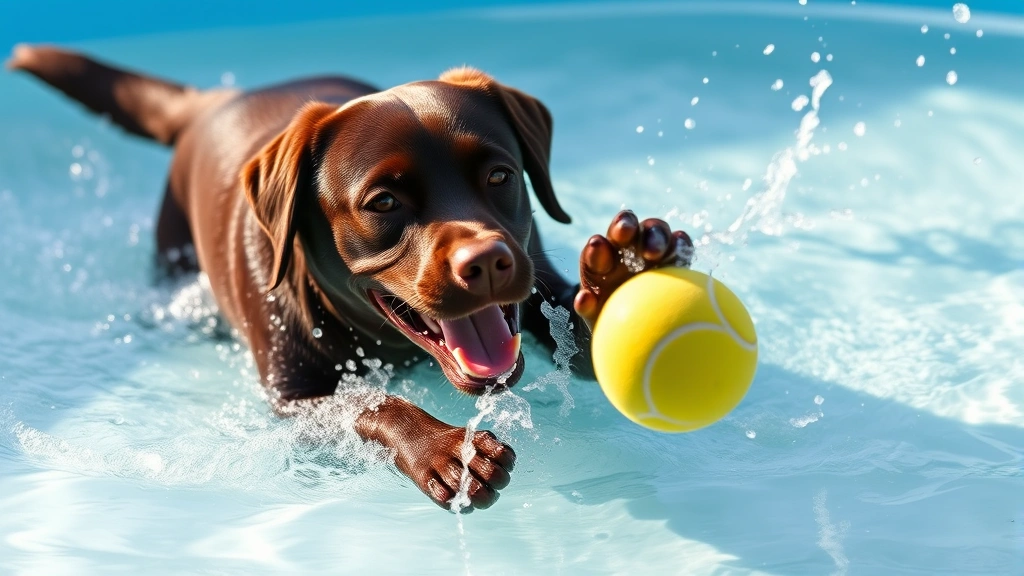
If your dog loves water, water-based games for dogs are pure joy. Set up a kiddie pool, create a sprinkler course, or play fetch in shallow water. Water games provide unique sensory experiences and excellent physical exercise. They’re especially valuable during hot weather. Not all dogs love water initially, but many can be gradually introduced to water play with patience and positive reinforcement. Always supervise water play and ensure your dog can safely exit the water.
DIY Toy Games and Enrichment Activities
You don’t need expensive toys to create engaging games for dogs. Stuff a Kong with treats and freeze it, create a sniff box with crumpled paper and hidden treats, or make a puzzle feeder from a toilet paper roll. DIY enrichment games cost pennies but provide hours of entertainment. Your dog doesn’t care about fancy branding—they care about the challenge and reward. Rotate DIY toys regularly to keep things fresh. Pro tip: involve your dog in setting up the games when possible, as the anticipation itself is enriching.
Training Games: Making Learning Fun
Combine obedience training with games for dogs by turning commands into play. Play “sit-stay-release” games where your dog must hold a position before getting rewarded, or create “find it” games where your dog searches for hidden toys after hearing a specific command. Training games keep your dog’s brain sharp while reinforcing good behavior. They’re also excellent for dogs that need mental stimulation due to physical limitations. Even older dogs benefit from these cognitive games. Make sure your dog has a comfortable space to rest afterward—a Collapsible Dog Crate can serve as a cozy recovery spot.
Safety Tips for Games and Play Sessions
Not all games work for all dogs. Consider your dog’s age, size, health status, and energy level when selecting games. Puppies need low-impact games to protect developing joints. Senior dogs might prefer sniff games over high-impact activities. Always supervise play, especially with new toys or games. Watch for signs of overexertion like excessive panting, limping, or loss of interest. Rotate games regularly to prevent repetitive strain injuries and maintain engagement. Ensure all toys are appropriately sized and in good condition—no small pieces that could be choking hazards.
Frequently Asked Questions
How long should I play games with my dog daily?
Most dogs need 30-60 minutes of combined physical and mental stimulation daily, though high-energy breeds might need more. Break this into multiple sessions throughout the day rather than one marathon play session. Even 15 minutes of focused, engaging games can be more beneficial than an hour of casual walking.
What are the best games for dogs with anxiety?
Sniff games, puzzle toys, and training games work best for anxious dogs because they provide controlled mental stimulation. Avoid overly exciting chase games that might amp them up. Consistency and routine are key—anxious dogs thrive when they know what to expect.
Can games for dogs help with destructive behavior?
Absolutely. Most destructive behavior stems from boredom and excess energy. Implementing regular games for dogs can dramatically reduce chewing, digging, and other destructive habits. The key is consistency—make games a daily habit, not an occasional activity.
Are there games for dogs that don’t require much space?
Yes! Sniff games, puzzle toys, nose target games, and training games all work in small apartments. Even flirt poles don’t require much space. The mental stimulation matters more than physical space.
How do I know which games my dog will enjoy most?
Observe your dog’s natural behaviors. Dogs that love to dig might enjoy sniff games. Dogs with high prey drive might prefer flirt poles or fetch. Try different games and watch which ones keep your dog most engaged. Every dog has unique preferences.
Conclusion: A Bored Dog is a Problem Dog
Games for dogs aren’t a luxury—they’re a necessity for a happy, well-adjusted pet. Whether you choose puzzle toys, fetch games, sniff work, or training activities, the important thing is providing regular mental and physical stimulation. Your dog’s behavior, health, and happiness depend on it. Start with one or two games from this list, observe what your pup loves most, and build from there. A tired dog is a good dog, and the best way to tire them out is through engaging games that satisfy both their physical and mental needs. Your couch (and your sanity) will thank you.





