
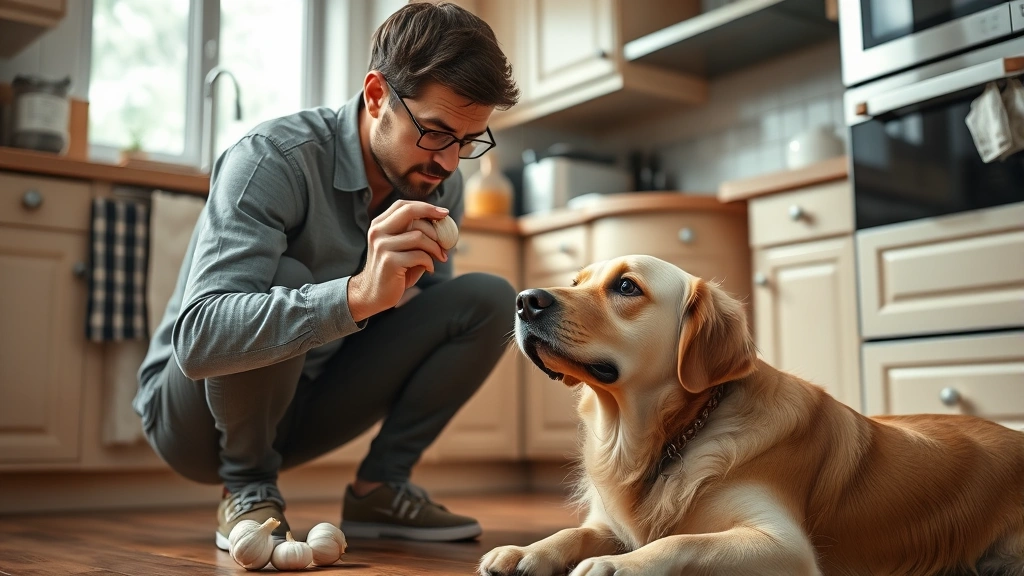
If you’ve ever wondered whether garlic toxicity in pets is a real concern or just another pet parent myth, buckle up—because it’s absolutely real, and your furry friend’s safety might depend on what you learn today.
Table of Contents
- What Is Garlic and Why Is It Toxic to Pets?
- How Much Garlic Is Dangerous for Dogs and Cats?
- Common Sources of Garlic Poisoning in Household Pets
- Early Warning Signs of Garlic Toxicity in Pets
- Severe Symptoms Requiring Immediate Veterinary Care
- Diagnosis: How Vets Confirm Garlic Poisoning
- Treatment Options for Garlic Toxicity in Pets
- Prevention: Keeping Your Pet Safe From Garlic
- Special Considerations for Different Pet Types
- When to Contact Your Veterinarian
- Frequently Asked Questions
- Summary: Your Pet’s Safety Starts With Knowledge
What Is Garlic and Why Is It Toxic to Pets?
Garlic belongs to the Allium family, which also includes onions, leeks, and chives. These plants contain compounds called thiosulfates that can damage your pet’s red blood cells and cause hemolytic anemia. When your dog or cat ingests garlic, these thiosulfates break down the protective membranes of red blood cells, leading to their destruction—a process called hemolysis.
The tricky part? Garlic toxicity affects different pets differently. Cats are significantly more sensitive to garlic than dogs, and some dog breeds show heightened vulnerability. Even small amounts can trigger problems in felines, making this a serious concern for multi-pet households.
How Much Garlic Is Dangerous for Dogs and Cats?
Here’s where it gets specific: the toxic dose of garlic for dogs is approximately 15-30 grams per kilogram of body weight. For a 10-pound dog, that’s roughly 1.5-3 ounces of raw garlic. For cats, the threshold is even lower—just 5 grams per kilogram of body weight can trigger problems.
But don’t get comfortable thinking “well, my dog would never eat that much.” Garlic toxicity in pets accumulates over time. A pet eating small amounts of garlic regularly can develop chronic poisoning, which is sometimes harder to diagnose than acute poisoning from a single large dose. Cooked garlic is slightly less toxic than raw garlic, but it’s still dangerous—cooking only reduces the thiosulfate concentration by about 30%.
Common Sources of Garlic Poisoning in Household Pets
You might think your pet would never encounter garlic, but it’s hiding everywhere. Human foods are the obvious culprit: pasta sauce, pizza, garlic bread, and seasoned meats. But here’s what catches most pet owners off guard:
Supplements and “natural” pet products often contain garlic as an ingredient. Some dog owners give garlic supplements thinking they’ll improve coat health or repel fleas. Wrong move. Always check the Pet Supplement Interaction Checker before adding anything to your pet’s diet.
Garlic powder in commercial pet treats, homemade pet food recipes, and even some commercial dog foods can contain problematic amounts. Baby food, seasoning mixes, and Chinese takeout containers left on counters are also common sources. If you’re making homemade pet food, avoid any recipes that include garlic—it’s not worth the risk.
Early Warning Signs of Garlic Toxicity in Pets
The symptoms of garlic toxicity appear gradually, which is why many pet owners miss them initially. Early signs include:
- Lethargy and unusual tiredness
- Vomiting and diarrhea
- Loss of appetite
- Pale gums or mucous membranes
- Weakness and exercise intolerance
- Abdominal pain and discomfort
- Bad breath with a garlic odor
In cats, these symptoms often appear more severe and progress faster. Some cats develop hemolytic anemia symptoms within 24-72 hours of ingestion, while dogs might show signs over several days. If your pet has a sensitive stomach or existing digestive issues, they may be more prone to showing gastrointestinal symptoms first.
Severe Symptoms Requiring Immediate Veterinary Care
As garlic toxicity progresses, you’ll notice more alarming signs that demand immediate action:
- Severe lethargy or collapse
- Rapid or irregular heartbeat (tachycardia)
- Difficulty breathing
- Jaundice (yellowing of skin and eyes)
- Dark-colored urine
- Extreme weakness or inability to stand
- Seizures in severe cases
If you notice any combination of these symptoms, don’t wait for your regular vet appointment. Use Urgent Care Telehealth for Pets to get immediate professional guidance, or head straight to an emergency veterinary clinic. Hemolytic anemia can become life-threatening quickly.
Diagnosis: How Vets Confirm Garlic Poisoning
Your veterinarian will start with a thorough history—when your pet might have eaten garlic, how much, and what symptoms you’ve observed. Blood work is essential for diagnosis, including:
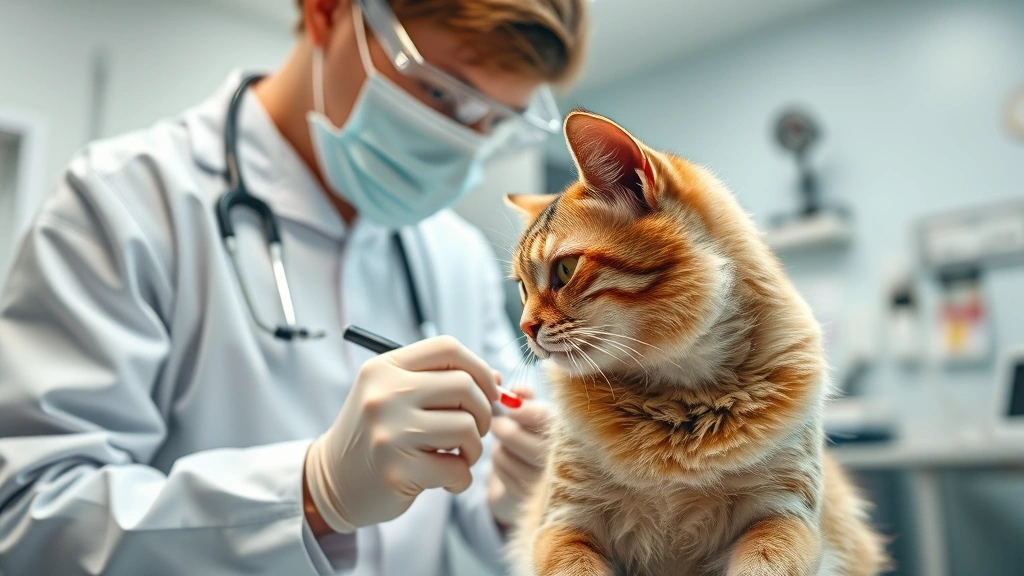
- Complete blood count (CBC) to check red blood cell levels
- Biochemistry panel to assess organ function
- Urinalysis to check for hemoglobin in urine
- Reticulocyte count to measure bone marrow response
Your vet might also perform a fecal exam to rule out other causes of gastrointestinal symptoms. Vets experienced with toxicology might test for Heinz bodies (damaged red blood cells) under a microscope. The diagnosis is usually straightforward once blood work reveals anemia paired with a history of garlic exposure.
Treatment Options for Garlic Toxicity in Pets
Unfortunately, there’s no antidote for garlic toxicity. Treatment is supportive care focused on managing symptoms and helping your pet’s body recover:
Immediate interventions: If your pet ingested garlic within the last 2-4 hours, your vet might induce vomiting to remove undigested material. Activated charcoal might be administered to absorb remaining toxins in the stomach.
Hospitalization: Severely affected pets often need IV fluids to maintain hydration and support kidney function. Blood transfusions might be necessary if anemia is severe and life-threatening.
Supportive care: Rest, a bland diet (similar to what you’d use for a Sensitive Stomach Feeding Schedule), and monitoring are crucial. Your vet will recheck blood work regularly to track recovery.
Recovery time varies. Mild cases might resolve within a week, while severe cases can take several weeks. Your pet’s age, overall health, and how quickly treatment began all affect recovery prospects.
Prevention: Keeping Your Pet Safe From Garlic
The best medicine is prevention. Here’s your action plan:
Kitchen management: Keep garlic, onions, and related plants away from your pet’s reach. Train family members not to feed table scraps. Store garlic powder and supplements in high cabinets. Check all packaged foods for garlic before giving them to your pet.
Recipe awareness: If you make homemade pet food, use vet-approved recipes that explicitly exclude garlic and other Allium plants. Never assume a recipe is safe—verify with your veterinarian.
Supplement scrutiny: Before giving any supplement, check the ingredient list. Look for Pet Supplement Certifications from reputable organizations. When in doubt, ask your vet.
According to the American Kennel Club, garlic and onions are among the top household toxins for dogs. The PetMD toxicity database confirms that even small, repeated exposures can accumulate to dangerous levels.
Special Considerations for Different Pet Types
Cats face significantly higher risk than dogs due to their metabolism and inability to break down thiosulfates as efficiently. A dose that might cause mild symptoms in a dog could be life-threatening in a cat.
Senior pets and those with pre-existing anemia, heart disease, or kidney problems are at elevated risk. Puppies and kittens have less developed detoxification systems, making them vulnerable to lower doses.
Certain dog breeds, including Japanese Akitas and Shiba Inus, show increased sensitivity to hemolytic toxins. If you own one of these breeds, be extra vigilant about garlic exposure.
When to Contact Your Veterinarian
Contact your vet immediately if:
- Your pet ate garlic within the last 6 hours
- You notice any symptoms listed above
- Your pet has a known sensitivity to toxins
- You’re unsure whether a food contains garlic
For non-emergency questions about garlic toxicity, consider using Remote Vet Consultation services to get professional advice without the wait.
Frequently Asked Questions
Can a small amount of garlic kill my pet?
A single small amount of garlic is unlikely to kill your pet, but it depends on their size and sensitivity. However, repeated small exposures accumulate over time and can cause serious illness. It’s always better to avoid garlic entirely rather than risk it.
Is garlic powder safer than fresh garlic?
No. While cooking reduces thiosulfate concentration by about 30%, garlic powder is actually more concentrated than fresh garlic by weight. A teaspoon of garlic powder contains more thiosulfates than a clove of fresh garlic, making it potentially more dangerous.
What should I do if my pet ate garlic?
Call your veterinarian or poison control immediately, even if your pet seems fine. Provide details about the amount, type (raw, cooked, powder), and time of ingestion. Your vet can advise whether you need to bring your pet in or monitor at home.
Are all Allium plants equally toxic?
Onions and leeks are slightly more toxic than garlic, while chives are somewhat less toxic. However, all Allium plants should be avoided completely. The safest approach is to assume nothing in this plant family is safe for pets.
Can my pet develop tolerance to garlic?
No. Garlic toxicity doesn’t work like an allergen that pets can develop tolerance to. Instead, repeated exposures cause cumulative damage. Your pet’s risk actually increases with repeated exposure.
How long does it take for garlic toxicity symptoms to appear?
Symptoms can appear within 24 hours of ingestion, but they often develop gradually over several days. This delayed onset is why many pet owners miss early warning signs and don’t seek treatment until the condition is more severe.
Summary: Your Pet’s Safety Starts With Knowledge
Garlic toxicity in pets is a preventable emergency. By understanding what causes it, recognizing early symptoms, and taking preventive measures, you can keep your furry family members safe. Remember that garlic hides in unexpected places—from supplements to commercial pet foods to human leftovers—so stay vigilant.
If you suspect your pet has been exposed to garlic, don’t hesitate to contact your veterinarian. Early intervention dramatically improves outcomes. And when in doubt about ingredients or safety, consult with a professional before feeding anything to your pet. Your pet depends on you to keep them safe, and now you have the knowledge to do exactly that.





