
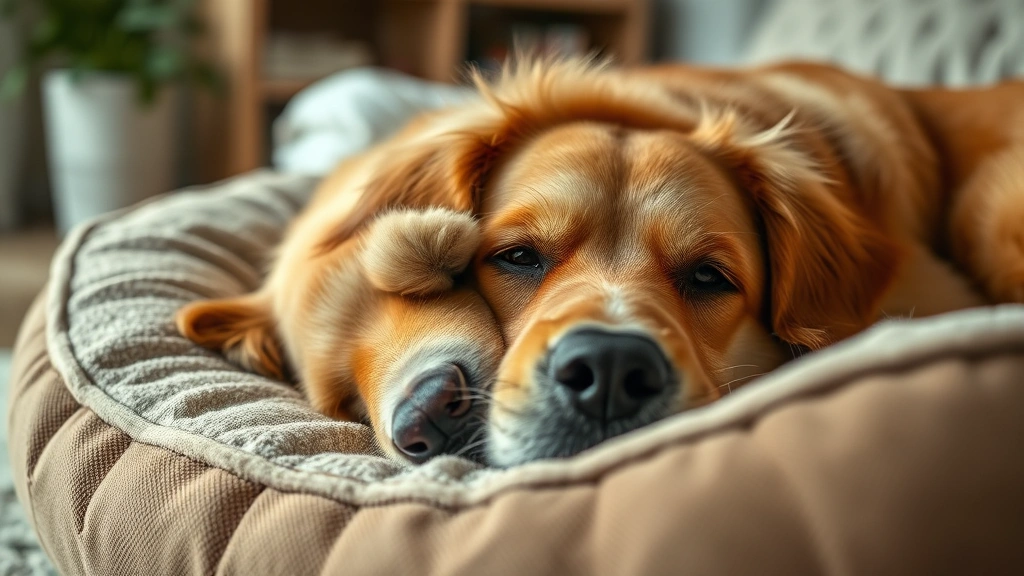
If your dog suddenly decides that your carpet is their personal bathroom or won’t stop yakking up their kibble, you might be dealing with gastroenteritis in dogs—basically, their stomach and intestines throwing a full-blown tantrum. This common condition affects countless pups every year, and while it’s rarely life-threatening, it’s definitely uncomfortable for your furry friend (and your cleaning supplies budget).
Table of Contents
- What Exactly Is Gastroenteritis in Dogs?
- Sign #1: Vomiting and Regurgitation
- Sign #2: Diarrhea and Changes in Bowel Movements
- Sign #3: Loss of Appetite and Lethargy
- Sign #4: Abdominal Pain and Discomfort
- Sign #5: Dehydration Indicators
- Common Causes of Canine Gastroenteritis
- Fast Relief: At-Home Care Strategies
- When to Call Your Vet (Or a Telehealth Service)
- Preventing Future Episodes of Gastroenteritis
- The Role of Diet in Recovery
- Frequently Asked Questions
- Final Thoughts: Your Dog Will Feel Better Soon
The good news? Most cases of canine gastroenteritis resolve on their own with proper care, and you can often manage it at home. Let’s dive into what’s actually happening in your dog’s gut and how to get them feeling better fast.
What Exactly Is Gastroenteritis in Dogs?
Gastroenteritis is inflammation of the stomach and intestines—think of it as your dog’s digestive system having a complete meltdown. It’s not a disease itself but rather a symptom of something else going wrong. Your pup’s gut lining gets irritated, and suddenly they’re dealing with vomiting, diarrhea, or both. Fun times.
The condition can be acute (sudden onset) or chronic (sticking around like an unwelcome houseguest). Acute gastroenteritis usually appears out of nowhere and resolves within a few days. Chronic gastroenteritis? That’s the annoying friend who keeps coming back.
Sign #1: Vomiting and Regurgitation
This is probably the most obvious red flag that something’s wrong. Your dog might vomit once or multiple times throughout the day. Pay attention to what comes up—is it undigested food, bile (yellowish liquid), or something else? The color and consistency actually tell your vet a lot about what’s happening.
Some dogs will eat and immediately throw it back up. Others might seem fine for hours, then suddenly lose their lunch. If vomiting persists for more than 24 hours, that’s your cue to contact your veterinarian.
Sign #2: Diarrhea and Changes in Bowel Movements
Loose, watery stools are gastroenteritis’s calling card. Your dog might need to go outside more frequently than usual, and the urgency can be real. Sometimes you’ll notice mucus or blood in their stool—gross, yes, but important information for your vet.
The frequency matters too. One loose stool isn’t necessarily alarming, but if your dog is making five trips outside before breakfast, something’s definitely off. This is where online vet advice for food reactions can help you determine if dietary issues are the culprit.
Sign #3: Loss of Appetite and Lethargy
A dog with gastroenteritis often becomes a picky eater—or won’t eat at all. Your normally food-obsessed pup might turn their nose up at their favorite treats. They’ll also seem less interested in playtime, walks, or basically anything that requires energy.
This lethargy happens because their body is working overtime trying to fight off whatever’s causing the inflammation. If your dog refuses food for more than 24 hours, especially combined with other symptoms, get them checked out.
Sign #4: Abdominal Pain and Discomfort
Dogs with gastroenteritis often show signs of belly pain. You might notice them adopting a “play bow” position—front legs stretched out, rear end up in the air. This is their way of stretching out their uncomfortable abdomen. Some dogs will whine, pant excessively, or seem anxious.
They might also be sensitive to touch around their belly area. If you gently press their stomach and they yelp or pull away, that’s a sign of pain.
Sign #5: Dehydration Indicators
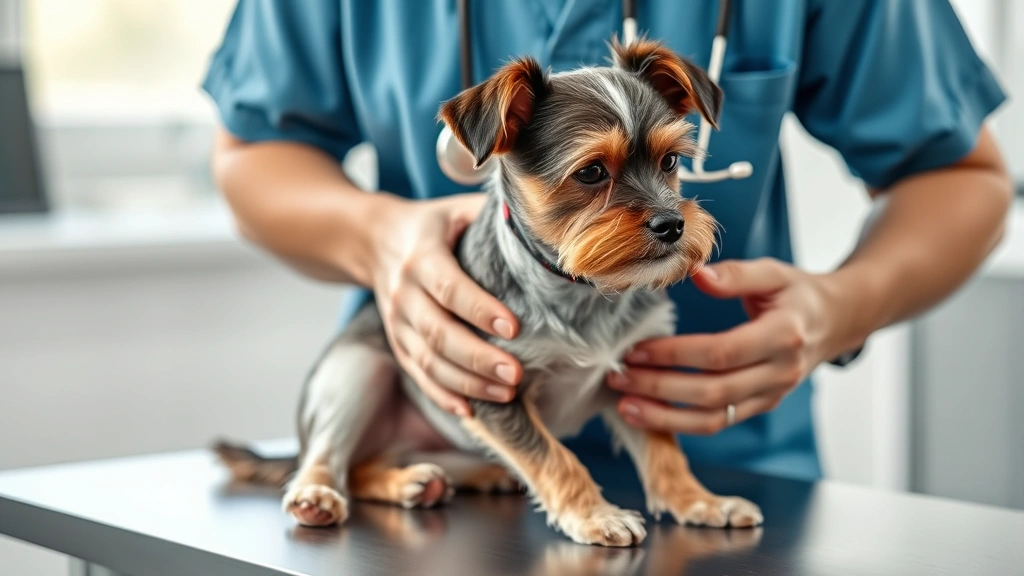
When your dog is vomiting and having diarrhea simultaneously, they’re losing fluids fast. Dehydration is serious business and can escalate a simple case of gastroenteritis into something requiring IV fluids at the vet clinic.
Look for dry gums, sunken eyes, or skin that doesn’t bounce back when you gently pull it. If your dog is panting heavily or seems unusually thirsty but can’t keep water down, that’s an emergency situation.
Common Causes of Canine Gastroenteritis
Understanding what triggered your dog’s gastroenteritis helps prevent future episodes. The usual suspects include dietary indiscretions (fancy term for “ate something they shouldn’t have”), food allergies, bacterial or viral infections, parasites, and sudden diet changes.
Some dogs have sensitive stomachs and react to new foods, treats, or even stress. Others might have eaten something toxic or contaminated. Identifying the cause is half the battle in preventing a repeat performance. Check out our guide on human foods for pets with liver disease to understand which foods might be problematic.
Fast Relief: At-Home Care Strategies
For mild to moderate gastroenteritis, you can often manage symptoms at home. Start by giving your dog’s digestive system a break—withhold food for 12-24 hours (yes, really). Offer small amounts of water frequently to prevent dehydration. Some vets recommend bone broth as a gentle way to reintroduce nutrition; our bone broth recipes for pets are perfect for this.
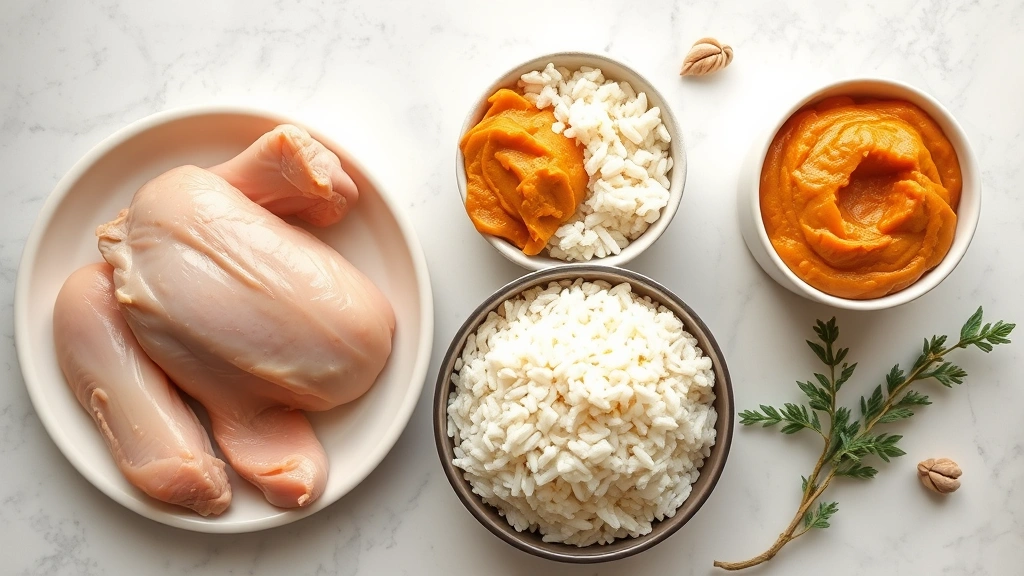
After the fasting period, introduce bland foods in small portions. Plain boiled chicken, white rice, or pumpkin puree are gentle options. Feed small amounts frequently rather than one big meal. Gradually mix in their regular food over several days as their symptoms improve.
Keep your dog calm and limit exercise. Stress can aggravate gastroenteritis, so create a quiet, comfortable space for recovery. Make sure they have constant access to fresh water, and consider using hydrating human foods for pets to boost their fluid intake.
When to Call Your Vet (Or a Telehealth Service)
Most cases resolve within a few days, but some situations warrant professional help. If vomiting or diarrhea persists beyond 48 hours, your dog shows signs of severe dehydration, or there’s blood in their stool or vomit, contact your veterinarian immediately.
Puppies, senior dogs, and dogs with pre-existing health conditions are more vulnerable and should be seen sooner. You don’t always need an in-person visit either—telehealth vet appointments can be a quick way to get professional advice without leaving your house.
Preventing Future Episodes of Gastroenteritis
Prevention is way easier than treatment. Keep your dog on a consistent diet and avoid sudden food changes. Introduce new foods gradually over 7-10 days. Keep garbage and toxic substances out of reach, and supervise outdoor time to prevent them from eating random stuff.
Regular parasite prevention is crucial—intestinal parasites are a common cause of gastroenteritis. Feed high-quality food appropriate for your dog’s age and health status. Consider probiotics to support gut health, and maintain proper hydration by ensuring fresh water is always available.
The Role of Diet in Recovery
What your dog eats during and after gastroenteritis matters tremendously. The bland diet approach works because it’s easy to digest and less likely to irritate the inflamed stomach and intestines. Once they’re recovering, you can try limited ingredient treat recipes to keep them interested in food without overwhelming their system.
Some dogs benefit from permanently switching to limited ingredient diets or foods with novel proteins if they have recurring gastroenteritis. Work with your vet to identify potential food triggers and find a diet that keeps your pup’s digestive system happy.
Frequently Asked Questions
How long does gastroenteritis last in dogs?
Most acute cases resolve within 24-72 hours with proper care. However, some dogs might take up to a week to fully recover. If symptoms persist beyond a week, contact your vet to rule out more serious conditions.
Can I give my dog over-the-counter medication for gastroenteritis?
Don’t give your dog medications without veterinary approval. Some over-the-counter remedies can actually make things worse. Your vet might recommend probiotics or prescription medications depending on the cause.
Is gastroenteritis contagious between dogs?
It depends on the cause. If it’s viral or bacterial, it can spread to other dogs. If it’s from eating something bad or a food allergy, it’s not contagious. Keep your sick dog separated from others until you know the cause.
What should I feed my dog after gastroenteritis?
Start with bland foods like boiled chicken and white rice. Gradually reintroduce their regular food over several days. Some dogs do better on limited ingredient or prescription diets long-term.
When is gastroenteritis an emergency?
Seek emergency care if your dog shows severe dehydration, bloody vomit or stool, abdominal pain, lethargy, or if symptoms don’t improve within 48 hours. Puppies and senior dogs should be seen sooner.
Final Thoughts: Your Dog Will Feel Better Soon
Gastroenteritis in dogs is uncomfortable and messy, but it’s usually manageable with patience and proper care. Most cases resolve quickly with rest, fasting, and a bland diet. The key is monitoring your dog closely, staying hydrated, and knowing when professional help is needed.
Remember, every dog’s digestive system is unique. What works for one pup might not work for another. If your dog has recurring gastroenteritis, work with your vet to identify underlying causes and find a long-term solution. In the meantime, keep that carpet cleaner handy and know that this too shall pass—literally.





