
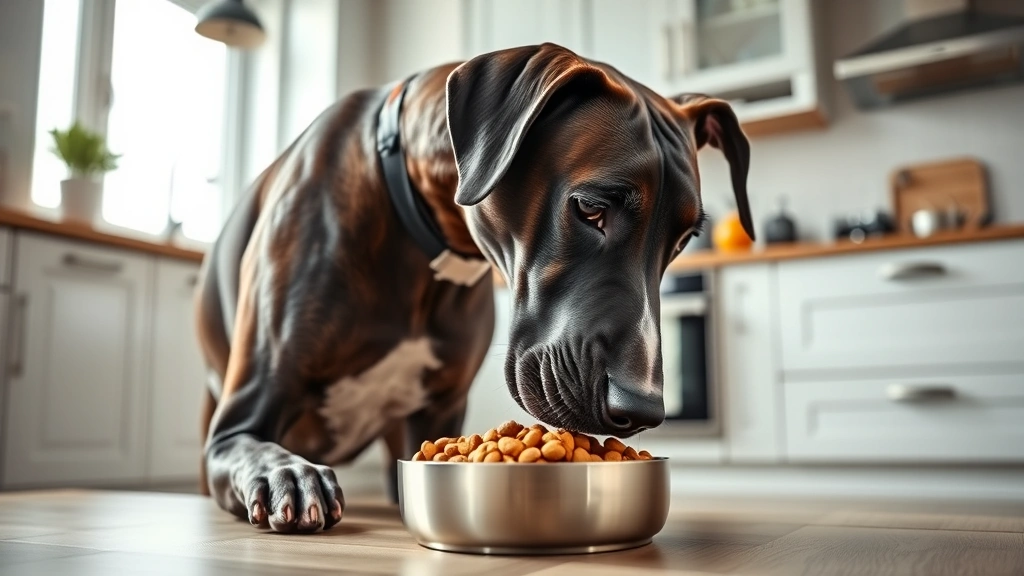
If you’ve got a massive furball lounging on your couch, then gentle giant dog food might be exactly what your large breed pup needs to thrive. Large dogs come with their own special nutritional requirements, and finding the right kibble can feel like searching for a needle in a haystack. Let’s break down what makes this formula tick and why it’s become a go-to choice for owners of Great Danes, Saint Bernards, Mastiffs, and other gentle giants.
Table of Contents
- What Makes Gentle Giant Dog Food Different?
- Key Ingredients Your Large Breed Needs
- Caloric Content and Weight Management
- Large Breed Puppy vs. Adult Formulas
- Digestive Health Considerations
- Comparing Top Gentle Giant Dog Food Brands
- Transitioning to a New Gentle Giant Dog Food
- Special Considerations for Senior Gentle Giants
- Cost vs. Quality: Finding the Sweet Spot
- Red Flags in Gentle Giant Dog Food Labels
- Supplementing Your Gentle Giant’s Diet
- Portion Control and Feeding Schedules
- Frequently Asked Questions
- Final Thoughts: Choosing the Best Option for Your Gentle Giant
What Makes Gentle Giant Dog Food Different?
Gentle giant dog food isn’t just regular kibble in a bigger bag. These formulas are specifically engineered for large and extra-large breed dogs, which have unique digestive systems and growth patterns. The calorie content is carefully balanced to prevent rapid growth that could stress developing bones and joints. Unlike standard formulas, gentle giant options typically feature controlled calcium and phosphorus levels—critical nutrients that can literally make or break your dog’s skeletal health.
The protein sources in quality gentle giant formulas prioritize digestibility. Large breeds need muscle support, but their digestive systems can be sensitive. Look for named meat sources like chicken, beef, or fish rather than vague “meat by-products.”
Key Ingredients Your Large Breed Needs
When evaluating gentle giant dog food, pay attention to the ingredient list. Premium formulas should list whole proteins as the first ingredients. Real chicken, beef, or fish should appear before any grains or fillers. Protein sources from human food can give you a benchmark for quality—if it’s good enough for your dinner table, it’s probably good enough for your dog’s bowl.
Fiber content matters too. Gentle giants need adequate fiber to support digestive health, but not so much that they’re constantly running to the yard. Sweet potatoes, pumpkin, and brown rice are excellent fiber sources that also provide antioxidants.
Don’t overlook joint support ingredients. Glucosamine, chondroitin, and omega fatty acids are non-negotiable for large breeds prone to hip dysplasia and arthritis. Foods for joint health in pets often include these compounds, and they should be present in your dog’s main diet too.
Caloric Content and Weight Management
Here’s where many owners mess up: they overfeed their gentle giants thinking more food equals a healthier dog. Wrong. Large breeds are prone to obesity, which accelerates joint problems and shortens lifespan. Quality gentle giant dog food typically contains 350-400 calories per cup, which is lower than standard adult formulas.
The goal is steady, controlled growth. Rapid growth in puppies of giant breeds can cause developmental orthopedic disease (DOD). Your vet can recommend appropriate feeding amounts based on your dog’s age, weight, and activity level. Always follow the feeding guidelines on the package, then adjust based on your individual dog’s metabolism.
Large Breed Puppy vs. Adult Formulas
Don’t make the mistake of feeding your Great Dane puppy regular adult dog food. Gentle giant puppy formulas have even more carefully controlled calcium and phosphorus ratios—typically around 1.2% calcium and 1% phosphorus. Adult formulas can be introduced around 12-18 months depending on the breed’s maturity rate.
Giant breed puppies grow so rapidly that they need specialized nutrition to prevent skeletal deformities. The wrong formula during those critical growth months can cause permanent damage. This is one area where skimping on quality is genuinely dangerous.
Digestive Health Considerations
Large breeds often have sensitive stomachs. Gentle giant dog food formulas typically avoid common allergens like wheat, corn, and soy. Grain-free options are popular, though recent studies have raised concerns about certain grain-free diets and heart health. Talk to your vet before switching to grain-free.

Probiotics and digestive enzymes in premium gentle giant formulas help break down food efficiently. This means better nutrient absorption and, frankly, less explosive poop in your yard. Everyone wins.
Anti-inflammatory foods for pets can be particularly beneficial for large breeds dealing with chronic inflammation from joint stress.
Comparing Top Gentle Giant Dog Food Brands
The market is flooded with options claiming to be the best gentle giant dog food. Look for brands that invest in research and development specifically for large breeds. Reputable manufacturers conduct feeding trials and work with veterinary nutritionists. Check if the brand has AAFCO certification—this ensures the formula meets minimum nutritional standards.
Third-party testing is another green flag. Brands like Purina Pro Plan and Royal Canin have dedicated large breed lines backed by veterinary research. Hill’s Science Diet also offers excellent large breed formulas. These aren’t cheap, but they’re formulated with precision.
Budget brands might seem appealing, but they often use lower-quality protein sources and lack the specialized nutrient ratios your giant needs. Think of it as an investment in preventing expensive vet bills down the road.

Transitioning to a New Gentle Giant Dog Food
Never switch foods abruptly. Large breeds with sensitive digestive systems can develop serious GI upset from sudden dietary changes. Transition over 7-10 days, gradually mixing the new gentle giant dog food with the old formula. Start with 25% new food, 75% old food, then adjust the ratio every few days until you’re feeding 100% new food.
Watch for signs of digestive distress like diarrhea, vomiting, or loss of appetite. If problems persist beyond the transition period, consult your vet.
Special Considerations for Senior Gentle Giants
As your giant ages, nutritional needs shift. Senior gentle giant dog food should have slightly lower calories but higher quality protein to maintain muscle mass. Joint support becomes even more critical. Senior pet friendly human foods can supplement commercial diets, but check with your vet first.
Omega-3 fatty acids become increasingly important for cognitive function and joint health in aging giants. Some senior formulas include added antioxidants to support brain health.
Cost vs. Quality: Finding the Sweet Spot
Premium gentle giant dog food costs more, but the difference in quality is substantial. A 90-pound dog eating premium food might cost $60-100 monthly, while budget brands might be half that. However, premium formulas often have better digestibility, meaning you feed less food overall. Plus, preventing health issues is cheaper than treating them.
Check the feeding guidelines carefully. A premium formula with higher caloric density might actually cost less per day than a budget option requiring larger portions.
Red Flags in Gentle Giant Dog Food Labels
Avoid formulas listing “meat by-products” or “animal fat” as primary ingredients. These are low-quality fillers. Watch for artificial colors, flavors, and preservatives. BHA, BHT, and ethoxyquin are outdated preservatives that have no place in modern pet food.
Be wary of vague protein sources like “poultry meal” without specifying the type. Named meat meals (chicken meal, beef meal) are acceptable, but whole named meats are superior. If the ingredient list reads like a chemistry experiment, keep looking.
Supplementing Your Gentle Giant’s Diet
Even with quality gentle giant dog food, some owners add supplements. Fish oil for omega-3s, glucosamine for joints, and probiotics for digestion are popular additions. However, check with your vet before supplementing—some nutrients can interfere with others if overdosed.
Immune boosting foods for pets can complement your dog’s diet, but they shouldn’t replace a balanced commercial formula. Proper nutrition is the foundation; supplements are the cherry on top.
Portion Control and Feeding Schedules
Large breed dogs should typically eat twice daily rather than once. This helps prevent bloat, a life-threatening emergency common in deep-chested giants. Human food portion sizes for pets can help you understand appropriate serving amounts, though commercial dog food portions are typically larger.
Use a measuring cup, not guesswork. Obesity sneaks up gradually, and most owners don’t realize their dog is overweight until the vet mentions it. Regular weigh-ins help catch weight gain early.
Frequently Asked Questions
Is grain-free gentle giant dog food better?
Not necessarily. While grain-free options help dogs with specific grain allergies, recent research has raised concerns about grain-free diets and dilated cardiomyopathy (DCM) in some breeds. Unless your vet recommends grain-free, traditional formulas with quality grains are perfectly fine and potentially safer.
How much should I feed my large breed dog?
This depends on age, weight, activity level, and the specific formula’s caloric content. Follow the package guidelines as a starting point, then adjust based on your dog’s body condition. Your vet can provide personalized feeding recommendations. Generally, adult large breeds eat 2-3 cups daily, divided into two meals.
Can I feed my gentle giant human food?
Some human foods are safe and beneficial in small amounts. Lean proteins, vegetables, and fruits can supplement commercial food. However, human food shouldn’t exceed 10% of daily calories. Avoid chocolate, grapes, onions, and xylitol-containing products, which are toxic to dogs.
When should I switch from puppy to adult gentle giant dog food?
This varies by breed. Giant breeds typically transition around 12-18 months. Your vet can advise based on your specific dog’s growth rate. Switching too early or too late can impact skeletal development.
What’s the difference between gentle giant dog food and regular large breed formulas?
Gentle giant formulas are specifically engineered for extra-large breeds (80+ pounds) with even more careful nutrient ratios, particularly for calcium and phosphorus. They often include additional joint support and are formulated for dogs prone to specific health issues common in giant breeds.
How do I know if gentle giant dog food is working for my dog?
Look for a shiny coat, healthy skin, consistent energy levels, and good digestion (no diarrhea or excessive gas). Your dog should maintain a healthy weight with visible ribs but not a protruding ribcage. Regular vet checkups help monitor overall health and nutrient absorption.
Final Thoughts: Choosing the Best Option for Your Gentle Giant
Finding the right gentle giant dog food requires balancing quality, cost, and your individual dog’s needs. There’s no single “best” brand—the best formula is the one that keeps your specific dog healthy, energetic, and comfortable. Pay attention to ingredients, nutritional balance, and your dog’s response to the food.
Work closely with your veterinarian, especially during puppyhood and as your dog ages. Regular vet checkups catch nutritional issues early. Your gentle giant depends on you to make informed feeding decisions that support their long-term health and happiness. With the right nutrition, your massive companion can enjoy years of joyful couch-hogging.
Remember, investing in quality gentle giant dog food now prevents expensive health problems later. Your giant’s wagging tail is worth it.





