
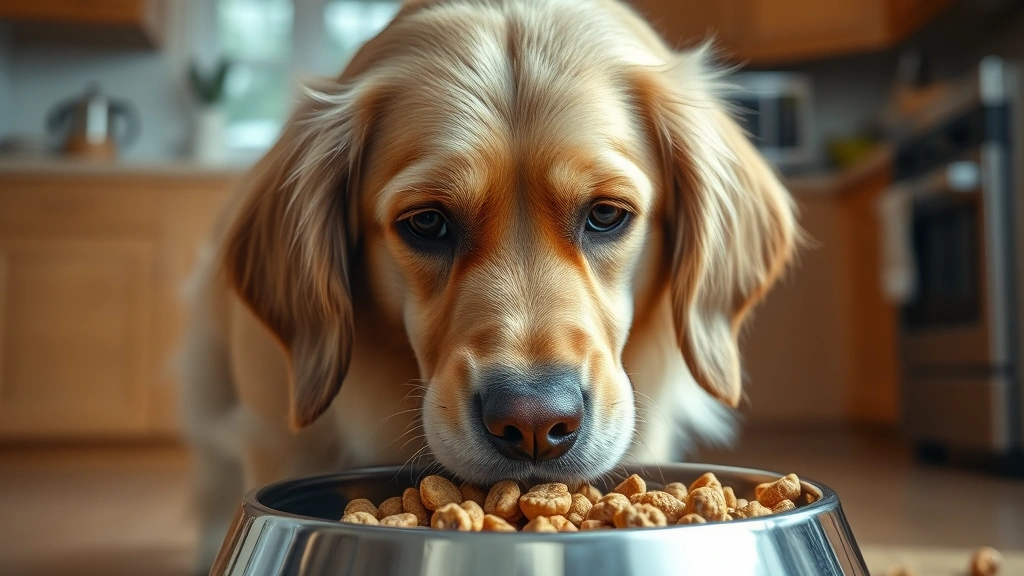
Getting geriatric pet feeding tips right can literally add years to your furry friend’s life—and honestly, watching your senior pup or cat thrive in their golden years is one of the best feelings in the world. As pets age, their nutritional needs shift dramatically, their metabolism slows down, and their digestive systems become pickier than a toddler at a vegetable buffet. The good news? With the right feeding strategy, you can keep your aging companion healthy, energetic, and happy well into their twilight years.
Table of Contents
- Why Senior Pets Need Different Nutrition
- Transition to Senior-Specific Formulas Gradually
- Adjust Portion Sizes to Match Slower Metabolism
- Incorporate Soft Foods and Wet Options
- Enhance Digestive Health with Probiotics and Fiber
- Boost Joint Health with Omega-3 Fatty Acids
- Consider Glucosamine and Chondroitin for Joint Support
- Monitor Protein Intake Carefully
- Add Antioxidants to Combat Aging
- Schedule Regular Vet Check-ups and Adjust as Needed
- Use Supplements Strategically for Targeted Support
- Create a Feeding Routine Your Senior Will Love
- Frequently Asked Questions
- Summary: Feeding Your Senior Pet for Success
Why Senior Pets Need Different Nutrition
Your 12-year-old Labrador isn’t the same powerhouse who used to sprint after tennis balls. Senior pets experience decreased muscle mass, slower metabolism, and reduced ability to absorb certain nutrients. Their kidneys and liver work harder, their joints ache, and their taste buds change. This is where proper senior pet nutrition becomes non-negotiable. According to the Association of American Feed Control Officials (AAFCO), senior formulas should contain adjusted protein and fat ratios specifically designed for aging animals. The right diet isn’t just about keeping them fed—it’s about maintaining quality of life.
Transition to Senior-Specific Formulas Gradually
Don’t just dump a new bag of senior kibble into your pet’s bowl and hope for the best. Senior pets have sensitive digestive systems, and sudden food changes can cause upset stomachs faster than you can say “vet bill.” Transition over 7-10 days by gradually mixing increasing amounts of the new food with their current diet. Start with 25% new food, then 50%, then 75%, before going full senior mode. This slow approach prevents digestive drama and gives your pet’s gut bacteria time to adjust. Look for formulas specifically labeled for “senior,” “mature,” or “aging” pets—these are formulated with your old friend’s needs in mind.
Adjust Portion Sizes to Match Slower Metabolism
Here’s the harsh truth: your senior pet burns fewer calories than they used to. A 10-year-old cat needs roughly 20% fewer calories than a young adult cat, and senior dogs aren’t far behind. Overfeeding leads to obesity, which exacerbates joint problems, increases diabetes risk, and puts strain on the heart. Work with your vet to determine the right caloric intake based on your pet’s current weight, activity level, and health status. Many seniors benefit from smaller, more frequent meals—think four small meals instead of two large ones. This approach aids digestion and prevents blood sugar crashes that can make aging pets lethargic.
Incorporate Soft Foods and Wet Options
Senior pets often struggle with dental issues, and dry kibble can be tough on aging teeth and gums. Wet food, canned options, and softened kibble are game-changers. You can soak dry food in warm water or broth for 5-10 minutes to create a softer consistency that’s easier to chew and digest. Wet foods are also higher in moisture, which is crucial for senior pets who don’t drink enough water—a common issue that can lead to kidney problems. PetMD recommends that senior pets consume adequate moisture through their diet to support kidney and urinary tract health. Mix wet and dry food together for the best of both worlds: nutrition and palatability.
Enhance Digestive Health with Probiotics and Fiber
Aging guts need support. Multi-strain probiotics for pets can dramatically improve digestive efficiency, nutrient absorption, and overall gut health. Probiotics help restore the beneficial bacteria that naturally decline with age, reducing gas, bloating, and irregular bowel movements. Additionally, appropriate fiber levels support healthy digestion without causing constipation—a surprisingly common issue in senior pets. Look for foods with moderate fiber content (around 3-5%) and consider adding pumpkin puree (plain, not pie filling) to meals for natural fiber. Your senior’s digestive system will thank you, and so will your nose.
Boost Joint Health with Omega-3 Fatty Acids
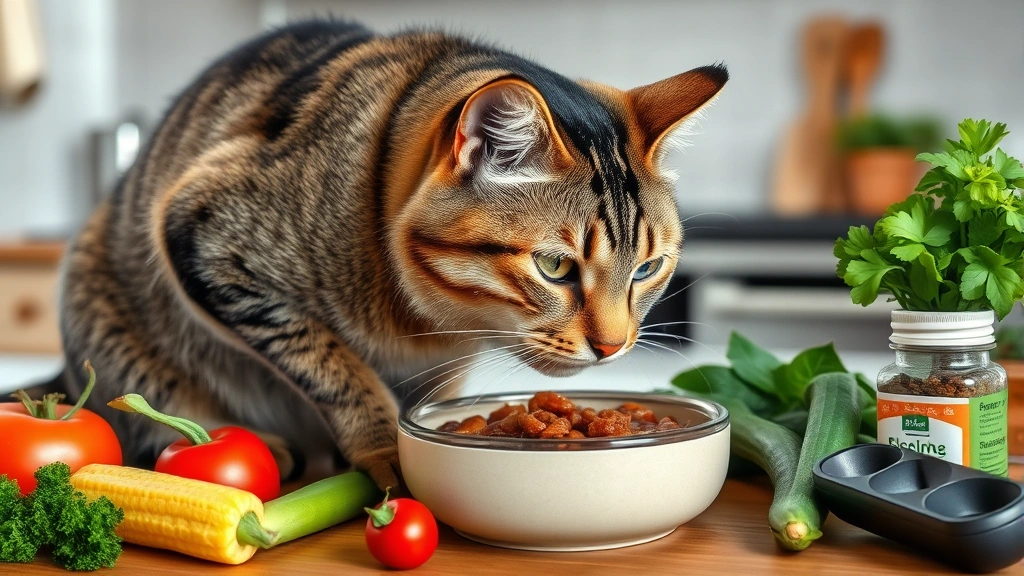
Arthritis and joint stiffness plague aging pets, but omega-3 fatty acids are nature’s anti-inflammatory powerhouse. Senior pet foods should contain fish oil or flaxseed to support joint health and reduce inflammation. These essential fatty acids also promote cognitive function, supporting brain health in aging pets. Many vets recommend stiffness relief for older pets through dietary omega-3s combined with supplements. The combination of proper nutrition and targeted supplementation can noticeably improve mobility and comfort. Look for senior formulas that list fish meal or fish oil among the first ingredients.
Consider Glucosamine and Chondroitin for Joint Support
These compounds are like insurance for aging joints. Glucosamine helps rebuild cartilage, while chondroitin helps retain water in cartilage to keep it cushioned and flexible. Many senior pet foods include these ingredients, but you may need additional supplementation depending on your pet’s joint health. Joint pain relief for senior pets often starts with dietary support before escalating to medications. Studies show that early intervention with these compounds can slow cartilage degradation and improve comfort. If your senior is limping or reluctant to jump on furniture, talk to your vet about adding these supplements to their feeding regimen.
Monitor Protein Intake Carefully
Contrary to old myths, senior pets actually need adequate protein to maintain muscle mass—not less. However, the protein should be high-quality and easily digestible. Senior formulas typically contain 18-25% protein for dogs and 26-30% for cats, with highly digestible sources like chicken, fish, and eggs. The key is balancing protein with kidney health; pets with kidney disease need lower protein, but healthy seniors should get plenty. Work with your vet to assess your pet’s kidney function through bloodwork before making drastic protein changes. Quality matters more than quantity—a senior thrives on premium proteins, not fillers.
Add Antioxidants to Combat Aging
Free radicals accelerate aging in pets just like they do in humans. Pet antioxidant supplements containing vitamins E and C, beta-carotene, and selenium can help protect aging cells and support cognitive function. Many senior formulas include these nutrients, but supplementation can provide an extra boost. Antioxidants support brain health, vision, and immune function—all crucial for quality of life in golden years. Look for senior foods that emphasize antioxidant-rich ingredients like blueberries, sweet potatoes, and carrots.
Schedule Regular Vet Check-ups and Adjust as Needed
Your senior pet’s nutritional needs aren’t static—they change as health conditions develop and age progresses. Schedule vet visits every 6 months (not annually) for seniors over 10 years old. Blood work, urinalysis, and physical exams help catch issues like kidney disease, diabetes, or thyroid problems early. These conditions often require dietary adjustments, and your vet can recommend specific foods or preventative care supplements tailored to your pet’s evolving needs. Regular monitoring ensures you’re feeding for your pet’s current health status, not just their age.
Use Supplements Strategically for Targeted Support
Beyond probiotics and joint support, consider whether your senior needs additional help. Bone health supplements containing calcium and phosphorus support skeletal integrity, while supplements for cognitive function (containing DHA and phosphatidylserine) can help aging brains stay sharp. Don’t go supplement-crazy, though—work with your vet to identify specific gaps in your pet’s diet and address them strategically. A well-formulated senior food combined with 2-3 targeted supplements is usually sufficient. More isn’t always better; balance is key.
Create a Feeding Routine Your Senior Will Love
Consistency matters enormously for aging pets. Establish regular feeding times (ideally the same times each day) and stick to them religiously. Senior pets thrive on routine, and predictable meal times can even help with house-training issues that sometimes resurface in old age. Keep food and water bowls in easily accessible locations—elevated bowls can reduce strain on arthritic necks and backs. Make mealtime pleasant by removing distractions and offering encouragement. If your senior has lost interest in food (a common aging issue), warming wet food slightly can enhance aroma and palatability, making meals more enticing.

Frequently Asked Questions
At what age should I switch to senior pet food?
Most vets recommend transitioning to senior formulas around age 7-8 for dogs and 10-11 for cats, though this varies by breed and individual health status. Large breed dogs age faster and may benefit from senior formulas as early as age 5-6. Your vet can advise based on your specific pet’s health trajectory and breed characteristics.
Can I make homemade food for my senior pet?
You can, but it requires careful planning to ensure balanced nutrition. Homemade senior diets must include appropriate ratios of protein, fat, vitamins, and minerals—deficiencies can develop quickly. Work with a veterinary nutritionist to formulate recipes that meet your pet’s specific needs. Many owners find commercial senior formulas more convenient and reliable for consistent nutrition.
How much water should senior pets drink?
Senior pets should drink approximately 0.5-1 ounce of water per pound of body weight daily, though this varies by diet and health status. Pets eating primarily wet food consume more moisture through food. Ensure fresh water is always available, and monitor intake—excessive thirst can indicate diabetes or kidney disease and warrants a vet visit.
What if my senior pet refuses to eat?
Loss of appetite in seniors is never normal and always warrants a vet visit. It can indicate dental disease, organ dysfunction, medication side effects, or other serious conditions. Don’t assume your pet is just being picky—get it checked out. Meanwhile, try warming food, adding low-sodium broth, or offering different textures to encourage eating.
Are grain-free diets good for senior pets?
Grain-free diets aren’t inherently better for seniors and may actually increase heart disease risk in some cases. Focus on digestibility and nutrient quality rather than grain-free status. Many senior pets thrive on grain-inclusive formulas that are easier to digest and more affordable. Discuss grain options with your vet based on your pet’s specific needs.
Summary: Feeding Your Senior Pet for Success
Getting geriatric pet feeding tips right transforms your senior’s quality of life. Start by transitioning to age-appropriate formulas, adjust portions for slower metabolism, and incorporate soft foods that are easy on aging teeth. Support digestive health with probiotics, boost joint function with omega-3s and glucosamine, and ensure adequate high-quality protein. Add antioxidants, schedule regular vet check-ups, and use supplements strategically for targeted support. Create a consistent feeding routine that your senior loves, and monitor their response carefully. Every senior pet is unique, so work closely with your veterinarian to tailor nutrition to your individual companion’s needs. With the right feeding strategy, your aging friend can enjoy their golden years with vitality, comfort, and happiness. Your senior deserves nothing less than the best nutrition you can provide—and the payoff in extra quality time together is absolutely priceless.





