
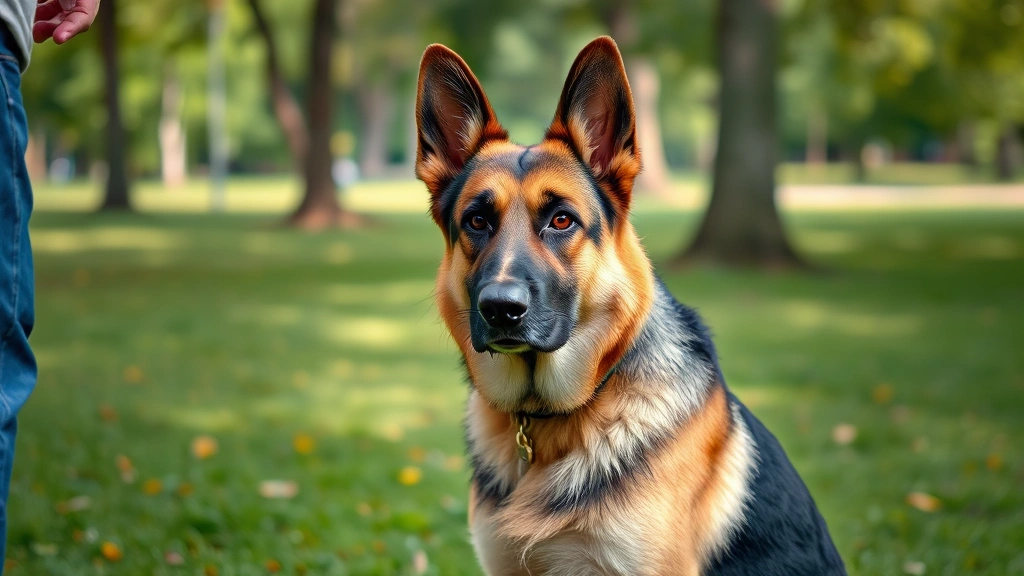
Learning German dog commands isn’t just for fancy dog shows or military K-9 units—it’s actually one of the coolest ways to bond with your furry friend while giving them mental stimulation they’ll absolutely love. Whether you’ve got a German Shepherd, a Dachshund, or even a mixed breed with German heritage, teaching these commands can transform your pup into the most well-behaved canine on the block.
Table of Contents
- Why German Dog Commands Are Worth Learning
- Essential German Dog Commands Every Owner Should Know
- Advanced German Dog Training Commands
- The Science Behind German Dog Commands
- How to Teach German Dog Commands Effectively
- Common Mistakes When Teaching German Dog Commands
- German Dog Commands for Specific Situations
- Building a Training Space for Success
- German Shepherd Training vs. Other Breeds
- Combining German Commands with Treats and Positive Reinforcement
- Troubleshooting Common Training Challenges
- Frequently Asked Questions
- Summary: Mastering German Dog Commands
Why German Dog Commands Are Worth Learning
You might be wondering: why German? Well, these commands have been refined over centuries of German dog training philosophy, and they’re incredibly effective. German dog training terminology is used worldwide by professional trainers, military handlers, and competitive dog sport enthusiasts. Plus, there’s something undeniably cool about barking commands in German—your dog will respond with precision, and your friends will be seriously impressed. The beauty of German dog commands is their clarity and the way dogs seem to respond with almost robotic obedience.
Beyond the wow factor, these commands are phonetically distinct, making them less likely to confuse your dog. When you’re training any breed, clarity is everything. Check out some cool dog names to pair with your new training routine!
Essential German Dog Commands Every Owner Should Know
Let’s dive into the bread and butter of German dog training. These are the commands that will actually change your daily life with your pet.
Sitz (Sit) – This is the foundation. It’s pronounced “zits” and it’s your gateway command. Once your dog masters this, everything else becomes easier. The command works for any dog, regardless of breed or size.
Platz (Down) – Pronounced “plahts,” this command gets your dog to lie down. It’s incredibly useful when you need your pup to chill out, whether you’re having dinner guests or trying to keep them calm during a stressful situation.
Fuss (Heel) – Pronounced “foos,” this is the holy grail of walking commands. Your dog will walk directly beside you without pulling, lunging, or getting distracted by every squirrel in sight. This single command can revolutionize your walks.
Komm (Come) – Pronounced “kohm,” this recall command could literally save your dog’s life. It’s non-negotiable for any responsible dog owner.
Advanced German Dog Training Commands
Once your pup has mastered the basics, it’s time to get fancy. These commands separate the obedient from the exceptionally obedient.
Bleib (Stay) – Pronounced “blibe,” this teaches your dog to remain in position until released. It’s perfect for those moments when you need them to hold their ground.
Such (Search/Find) – Pronounced “zooch,” this command taps into your dog’s natural hunting instincts. You can use it for scent work, finding toys, or even search and rescue training.
Apport (Fetch/Retrieve) – Pronounced “ah-PORT,” this transforms fetch from a chaotic free-for-all into a controlled, obedient activity. Your dog will bring items back to you reliably.
Fang (Catch) – Pronounced “fahng,” this is the fun command that gets your dog to catch treats or toys mid-air. It’s more for entertainment, but it’s incredibly impressive at parties.
The Science Behind German Dog Commands
According to research from the American Kennel Club (AKC), dogs respond better to short, distinct sounds. German commands fit this requirement perfectly because they’re crisp and phonetically different from everyday English words. Your dog won’t confuse “Sitz” with something you might casually say in conversation.
The consistency of German dog training methodology has been proven effective across all breeds. Whether you’re working with a high-energy Border Collie or a laid-back Basset Hound, these commands work. The key is understanding that dogs respond to tone, clarity, and consistency—not the language itself.
How to Teach German Dog Commands Effectively
Teaching German dog commands requires patience, consistency, and positive reinforcement. Here’s the breakdown:
Start with one command – Don’t overwhelm your dog by introducing five commands simultaneously. Master “Sitz” first, then move to the next.
Use high-value rewards – Whether it’s treats, toys, or praise, figure out what motivates your individual dog. Some pups are food-driven; others prefer play. Healthy snack alternatives for dogs make excellent training rewards.
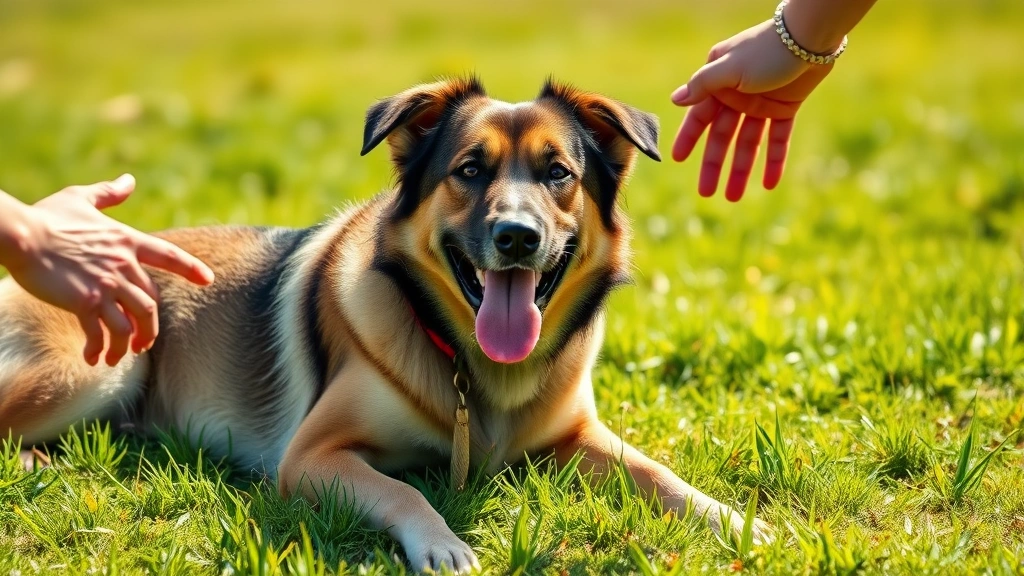
Practice in short sessions – Dogs have limited attention spans. Five to ten minutes of focused training beats thirty minutes of distracted chaos.
Maintain consistency – Everyone in your household needs to use the same commands and reward system. If Mom says “Sitz” and Dad says “Sit,” your dog will be confused.
Use clear hand signals – Combine verbal commands with hand signals. This gives your dog multiple ways to understand what you want.
Common Mistakes When Teaching German Dog Commands
Even well-intentioned dog owners make mistakes. Here are the biggest ones to avoid:
Repeating commands – If your dog doesn’t respond to “Sitz” the first time, saying it three more times won’t help. Your dog either doesn’t understand yet or is choosing not to obey. Either way, repetition teaches them they don’t have to listen immediately.
Mixing languages – Don’t switch between English and German commands. Pick one system and stick with it.
Punishing instead of rewarding – Positive reinforcement works exponentially better than punishment. Your dog should want to obey because good things happen when they do.
Training when frustrated – Dogs pick up on your energy. If you’re frustrated, they’ll be anxious, and learning stops. Take a break and come back when you’re calm.
German Dog Commands for Specific Situations
Different situations call for different commands. Let’s talk about practical applications.
At the vet’s office – Commands like “Platz” (Down) and “Bleib” (Stay) keep your dog calm during examinations. A calm dog is easier to examine and less likely to accidentally bite out of fear. According to PetMD, behavioral training reduces stress during veterinary visits.
During walks – “Fuss” (Heel) is your MVP here. It prevents pulling, keeps your dog safe from traffic, and makes the experience enjoyable for both of you.
At home with guests – “Sitz,” “Platz,” and “Bleib” keep your dog from jumping on visitors or begging at the dinner table.
Off-leash scenarios – “Komm” (Come) is absolutely essential. This command could prevent your dog from running into traffic or getting lost.
Building a Training Space for Success
Your training environment matters more than you’d think. Start in a quiet, distraction-free area like your living room or backyard. Once your dog masters commands there, gradually introduce more distracting environments. This progression—from simple to complex—is called generalization, and it’s crucial for reliable obedience.
A collapsible dog crate can serve as a designated training area, creating a focused space where your dog knows it’s time to work.
German Shepherd Training vs. Other Breeds
While German Shepherds are naturally inclined to respond to German dog commands—it’s literally in their breeding history—any dog can learn them. German Shepherds, Dobermans, and other working breeds might pick up these commands faster, but breeds like Catahoula Leopard Dogs and even smaller breeds like Cavachon dogs can absolutely master them too. The difference is often in motivation and consistency, not breed capability.
Stubborn breeds might require higher-value rewards, but they’re not incapable. It’s about finding what works for your individual dog’s personality and learning style.

Combining German Commands with Treats and Positive Reinforcement
The most effective training combines clear commands with immediate rewards. When your dog executes “Sitz” perfectly, they should get rewarded within seconds. This creates a neural pathway: command → action → reward. Your dog’s brain loves this sequence.
For homemade training rewards, check out DIY pet treats that you can customize for your dog’s preferences and dietary needs.
Troubleshooting Common Training Challenges
Your dog knows “Sitz” at home but ignores you at the dog park? That’s normal. Environmental factors affect obedience. Here’s how to troubleshoot:
Distraction issues – Your dog isn’t being stubborn; they’re just overwhelmed. Practice in less distracting environments first, then gradually increase difficulty.
Selective hearing – If your dog obeys sometimes but not always, they haven’t fully learned the command yet. Go back to basics and practice more.
Motivation problems – Your reward might not be valuable enough. Experiment with different treats, toys, or types of praise.
Age-related issues – Puppies have shorter attention spans than adult dogs. Senior dogs might have hearing loss. Adjust your training accordingly.
Frequently Asked Questions
How long does it take to teach German dog commands?
Most dogs can learn basic commands like “Sitz” and “Platz” within 2-4 weeks of consistent daily practice. Advanced commands might take 2-3 months. Every dog learns at their own pace, so don’t compare your progress to others.
Can older dogs learn German dog commands?
Absolutely! The saying “you can’t teach an old dog new tricks” is completely false. Older dogs can learn German commands just as well as younger dogs. They might learn slightly slower, but their maturity often means they’re more focused during training sessions. Check with your vet if your senior dog has hearing loss, as you might need to rely more heavily on hand signals.
Do I need a professional trainer to teach German dog commands?
Not necessarily. With patience, consistency, and the right resources, most dog owners can teach these commands themselves. However, if you’re struggling or have a particularly stubborn dog, a professional trainer who specializes in German dog training can accelerate the process and correct mistakes you might not realize you’re making.
Are German dog commands better than English commands?
They’re not inherently “better,” but they are distinctly different from everyday English words, which reduces confusion. Dogs don’t inherently understand any language—they learn associations between sounds and actions. German commands work well because they’re crisp, distinct, and less likely to be accidentally used in casual conversation.
What if my dog doesn’t respond to German dog commands?
First, ensure your dog actually understands the command—they might not have learned it properly yet. Second, verify your reward system is motivating enough. Third, check that everyone in your household is using the same commands consistently. If problems persist, consult a professional trainer to identify what’s going wrong.
Can I teach both German and English commands?
Yes, but it’s not ideal. Dogs can learn multiple commands for the same action, but it creates unnecessary confusion during training. Pick one system and master it before introducing alternatives.
Summary: Mastering German Dog Commands
Learning German dog commands is one of the most rewarding investments you can make in your relationship with your dog. These commands provide structure, mental stimulation, and can literally save your dog’s life in dangerous situations. From basic commands like “Sitz” and “Platz” to advanced training like “Such” and “Apport,” there’s a whole world of German dog training waiting for you.
The key to success is consistency, patience, and positive reinforcement. Start with one command, master it completely, then move to the next. Use high-value rewards that genuinely motivate your individual dog. Practice in short, focused sessions rather than long, exhausting marathons. Most importantly, remember that your dog wants to please you—sometimes they just need clear communication to understand what you’re asking.
Whether you have a purebred German Shepherd or a mixed breed mutt, German dog commands work. The results speak for themselves: a better-behaved dog, a stronger bond between you and your pet, and the incredible satisfaction of watching your dog respond with precision to your commands. So grab some treats, find a quiet space, and start teaching. Your dog is ready to learn, and you’re about to become an amazing dog trainer.





