

If you’ve ever noticed your dog scooting across the carpet like they’re ice skating on hardwood floors, you’ve probably wondered what the heck is going on down there. Well, chances are your furry friend is dealing with anal gland problems, and Glandex for dogs might just be the game-changer you’ve been looking for. Let’s dive into everything you need to know about this popular supplement and how it can help your pup feel more comfortable.
Table of Contents
- What Are Anal Glands and Why Do They Matter?
- Understanding Anal Gland Impaction in Dogs
- Introducing Glandex: How This Supplement Works
- Key Ingredients in Glandex
- How to Use Glandex for Your Dog
- Combining Glandex with Proper Nutrition
- Real Results: What Dog Owners Are Saying
- When to See Your Vet About Anal Gland Issues
- Prevention: Keeping Anal Glands Healthy Long-Term
- Glandex vs. Other Solutions: What’s Best?
- Potential Side Effects and Safety Considerations
- Frequently Asked Questions
- Final Thoughts: Is Glandex Right for Your Dog?
What Are Anal Glands and Why Do They Matter?
Before we talk about solutions, let’s understand the problem. Dogs have two small glands located on either side of their anus that produce a smelly fluid. Gross? Yeah, pretty much. But here’s the thing—these glands serve an important purpose. They help dogs mark their territory and communicate with other dogs. When everything’s working properly, these glands empty naturally during bowel movements. But sometimes, things go sideways.
When anal glands don’t empty correctly, they can become impacted, inflamed, or infected. This is when your dog starts doing that awkward scooting thing, licking their rear excessively, or acting generally uncomfortable. It’s not just annoying to watch—it’s genuinely painful for your pup.
Understanding Anal Gland Impaction in Dogs
Anal gland impaction happens more often than you’d think, especially in smaller dog breeds. Several factors can contribute to this issue, including diet, lack of fiber, obesity, allergies, and even anxiety. Some dogs are just prone to it, while others might only experience it occasionally.
The symptoms are pretty unmistakable. Besides the classic scooting behavior, you might notice your dog constantly licking or biting at their rear end, sitting down suddenly and looking uncomfortable, or even leaving a brownish residue on your furniture (sorry for that mental image). Some dogs might also show signs of constipation or have difficulty defecating.
Introducing Glandex: How This Supplement Works
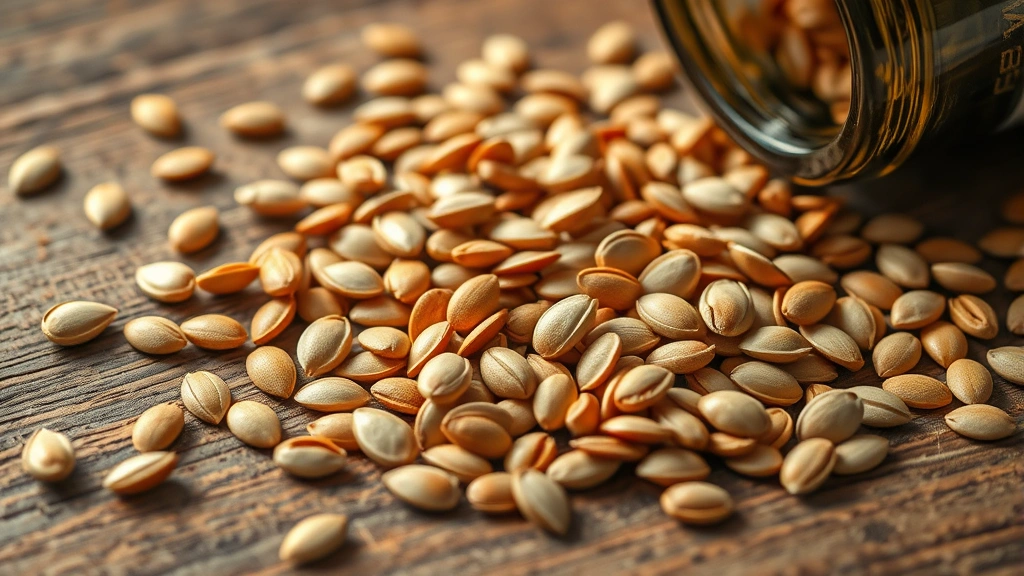
Glandex for dogs is a dietary supplement specifically formulated to support healthy anal gland function. The supplement contains a blend of natural ingredients, most notably pumpkin seed meal, which is rich in fiber and omega-3 and omega-6 fatty acids. These components work together to promote better digestive health and more consistent bowel movements, which naturally helps the anal glands empty properly.
The beauty of Glandex is that it’s not a medication—it’s a supplement that works preventatively and therapeutically. Many veterinarians recommend it as a first-line approach before resorting to manual expression or more invasive treatments. The supplement comes in both powder and capsule forms, making it easy to incorporate into your dog’s daily routine.
Key Ingredients in Glandex
The star ingredient in Glandex is pumpkin seed meal, which is packed with fiber that helps bulk up your dog’s stool. When stools are the right consistency, they naturally put pressure on the anal glands during defecation, encouraging them to empty completely. Beyond pumpkin, the formula typically includes other beneficial ingredients like zinc, omega fatty acids, and various plant-based compounds that support digestive health and reduce inflammation.
What makes Glandex stand out is that it doesn’t just mask the problem—it addresses the root cause by improving overall digestive function. This is why many pet owners see results within a few weeks of starting their dog on the supplement.
How to Use Glandex for Your Dog
Using Glandex is straightforward. The powder form can be mixed directly into your dog’s food once or twice daily, depending on their size and the severity of their anal gland issues. The capsules can be given whole or opened and mixed with food. Most dogs don’t mind the taste, though some pickier eaters might need a little incentive.
Dosage typically depends on your dog’s weight, so it’s important to follow the manufacturer’s instructions or consult with your vet about the right amount for your specific pup. You should start seeing improvements within 2-4 weeks, though some dogs respond faster than others.
Combining Glandex with Proper Nutrition
While Glandex is excellent for supporting anal gland health, it works best as part of a comprehensive approach to your dog’s wellness. This is where pet nutrition advice becomes crucial. A high-quality diet with adequate fiber content is essential for preventing anal gland issues from recurring.
Consider incorporating superfoods for pets that naturally support digestive health. Many dogs also benefit from addressing underlying food allergies in pets, which can contribute to anal gland problems. If your dog has sensitive skin or coat issues, exploring skin and coat health foods might help address the root cause of inflammation that affects anal gland function.
Real Results: What Dog Owners Are Saying
The testimonials from dog owners who’ve used Glandex are pretty compelling. Most report that their dogs stopped scooting within a few weeks of starting the supplement. Pet parents appreciate that it’s a natural solution that doesn’t require trips to the vet for manual expression or prescription medications. Many have described it as a “game-changer” for their dogs’ comfort and their own sanity.
Of course, results vary from dog to dog. Some see improvement almost immediately, while others need a full month or two before noticing significant changes. Consistency is key—you need to give the supplement regularly for it to work effectively.
When to See Your Vet About Anal Gland Issues
While Glandex is effective for many dogs, it’s not a cure-all. If your dog’s anal gland problems persist despite using the supplement, or if you notice signs of infection (like blood, pus, or a foul odor), it’s time to call your vet. Chronic anal gland issues might indicate underlying health problems like allergies, inflammatory bowel disease, or other digestive disorders.
Your veterinarian can manually express the glands if needed and rule out any serious complications. They can also recommend additional treatments or dietary changes specific to your dog’s situation. According to the American Kennel Club, persistent anal gland problems should always be evaluated by a professional.
Prevention: Keeping Anal Glands Healthy Long-Term
The best approach to anal gland health is prevention. Beyond using Glandex, here are some strategies to keep your dog’s anal glands functioning properly:
Maintain a high-fiber diet: Adequate fiber helps create the right stool consistency for natural gland expression. Keep your dog at a healthy weight: Obesity can contribute to anal gland issues. Ensure regular exercise: Physical activity promotes healthy digestion. Stay hydrated: Proper water intake supports overall digestive health. Address allergies promptly: Allergies often trigger inflammation that leads to anal gland problems.
Regular grooming and hygiene around your dog’s rear end can also help prevent secondary infections if gland issues do occur.
Glandex vs. Other Solutions: What’s Best?
You might be wondering how Glandex stacks up against other anal gland solutions. Manual expression by a vet is effective but temporary—the glands can become impacted again within weeks. Medications and antibiotics are necessary for infections but don’t prevent future problems. Dietary changes take time and require careful management.
Glandex fits nicely into this landscape as a preventative supplement that addresses the underlying cause rather than just treating symptoms. Many vets recommend it as a first-line approach, often in combination with dietary adjustments. According to PetMD, supplements like Glandex that increase fiber intake are among the most recommended non-medical interventions for anal gland health.
Potential Side Effects and Safety Considerations
Glandex is generally well-tolerated by dogs, but like any supplement, it’s not without considerations. Some dogs might experience mild digestive upset when first starting the supplement, including loose stools or increased gas. This usually resolves within a few days as their system adjusts.

If your dog has a history of pancreatitis or other serious digestive conditions, consult your vet before starting Glandex. Additionally, if your dog is on other medications or supplements, make sure there are no interactions. Pregnant or nursing dogs should also be cleared by a vet before starting any new supplement.
Frequently Asked Questions
How long does it take for Glandex to work?
Most dogs show improvement within 2-4 weeks of starting Glandex, though some respond faster. Consistency is important—give the supplement daily for best results. If you don’t see any improvement after 6-8 weeks, consult your vet about other underlying issues.
Can I use Glandex as a preventative even if my dog doesn’t have anal gland problems?
Absolutely! Many vets recommend using Glandex preventatively, especially for breeds prone to anal gland issues. It’s a safe, natural way to support digestive health and prevent problems before they start.
Is Glandex safe for puppies?
Glandex is generally safe for puppies, but dosing should be adjusted for their smaller size. It’s best to consult with your vet about appropriate dosing for young dogs.
Will Glandex help if my dog has a yeast infection causing anal gland problems?
Glandex can help support overall anal gland health, but if yeast infection is the underlying cause, you’ll likely need additional treatment. Your vet can recommend antifungal medications or other interventions to address the yeast issue directly.
What’s the difference between Glandex powder and capsules?
Both forms contain the same active ingredients and are equally effective. The choice comes down to convenience and your dog’s preferences. Some dogs prefer the powder mixed into food, while others do better with capsules.
Can I give my dog Glandex long-term?
Yes, Glandex is safe for long-term use. In fact, many dog owners keep their pups on it indefinitely as a preventative measure, especially if their dog is prone to anal gland issues.
Final Thoughts: Is Glandex Right for Your Dog?
If your dog is dealing with anal gland issues, Glandex for dogs is definitely worth considering. It’s a natural, safe, and effective supplement that addresses the root cause of the problem rather than just treating symptoms. With its blend of fiber-rich ingredients and omega fatty acids, it supports healthy digestion and promotes natural anal gland expression.
The combination of Glandex with proper nutrition, adequate fiber intake, and regular exercise creates a comprehensive approach to anal gland health. Most dog owners who’ve tried it report significant improvements in their dog’s comfort and behavior. While it’s not a miracle cure for every anal gland problem, it’s a solid first step that many veterinarians recommend before pursuing more invasive treatments.
Remember, every dog is unique, and what works for one might need tweaking for another. If you’re considering Glandex for your pup, chat with your vet about whether it’s the right choice for your specific situation. Your vet can also help you determine if there are underlying issues contributing to the anal gland problems that need additional attention.
Your dog deserves to be comfortable and happy, and dealing with anal gland issues is definitely not fun for anyone involved. With Glandex and a solid approach to nutrition and health, you can help your furry friend feel better and get back to enjoying life without all that awkward scooting.





