
If your pup has been scratching like they’re auditioning for a flea circus or sporting digestive issues that would make a scientist weep, gluten-free pet treats might be your golden ticket to a happier, healthier furry friend. Let’s face it—not all dogs can handle the standard treat aisle at your local pet store, and that’s totally okay. Some of our four-legged companions have sensitivities that make gluten about as welcome as a vacuum cleaner at a dog park.
Table of Contents
- Why Gluten-Free Pet Treats Matter for Your Dog
- Understanding Gluten Sensitivity vs. Grain Allergies
- Top 5 Best Gluten-Free Pet Treats for Sensitive Dogs
- Reading Labels Like a Pro: What to Avoid
- Making Your Own Gluten-Free Pet Treats at Home
- Transitioning Your Dog to Gluten-Free Treats
- Cost Considerations and Budget-Friendly Options
- Supplements That Complement Gluten-Free Treats
- Vet Recommendations and Professional Guidance
- Frequently Asked Questions
- Conclusion: Making the Switch to Gluten-Free Pet Treats
Why Gluten-Free Pet Treats Matter for Your Dog
Here’s the thing: gluten sensitivity in dogs isn’t just some trendy health fad invented by anxious pet parents. It’s real, it’s uncomfortable, and it affects more dogs than you’d think. When dogs with gluten sensitivity consume treats containing wheat, barley, or rye, their immune systems throw a tantrum. We’re talking itchy skin, chronic ear infections, vomiting, diarrhea, and general grumpiness that would make any dog owner lose sleep.
The digestive system of a sensitive dog is like a temperamental artist—it needs the right conditions to perform. Feeding pets with IBD requires careful consideration, and the same principle applies to dogs with milder gluten sensitivities. By switching to grain-free or gluten-free pet treats, you’re essentially removing a major irritant from their diet and giving their gut a fighting chance.
Understanding Gluten Sensitivity vs. Grain Allergies
Before you go full-on gluten-free crusader, let’s clear up some confusion. Gluten sensitivity and grain allergies aren’t the same thing—shocking, I know. Gluten is a specific protein found in wheat, barley, and rye. A dog can be sensitive to gluten without being allergic to all grains. Some pups tolerate rice, oats, or sweet potatoes just fine but lose their minds over wheat-based treats.
True grain allergies are less common in dogs than most people think. According to veterinary research, protein allergies (chicken, beef, dairy) are way more prevalent than grain allergies. However, if your dog has been diagnosed with a grain allergy or gluten sensitivity by your vet, then gluten-free pet treats are absolutely the way to go.

Top 5 Best Gluten-Free Pet Treats for Sensitive Dogs
Now for the fun part—the treats themselves. These five options have earned their stripes through countless happy tail wags and reduced scratching sessions.
1. Sweet Potato Chews
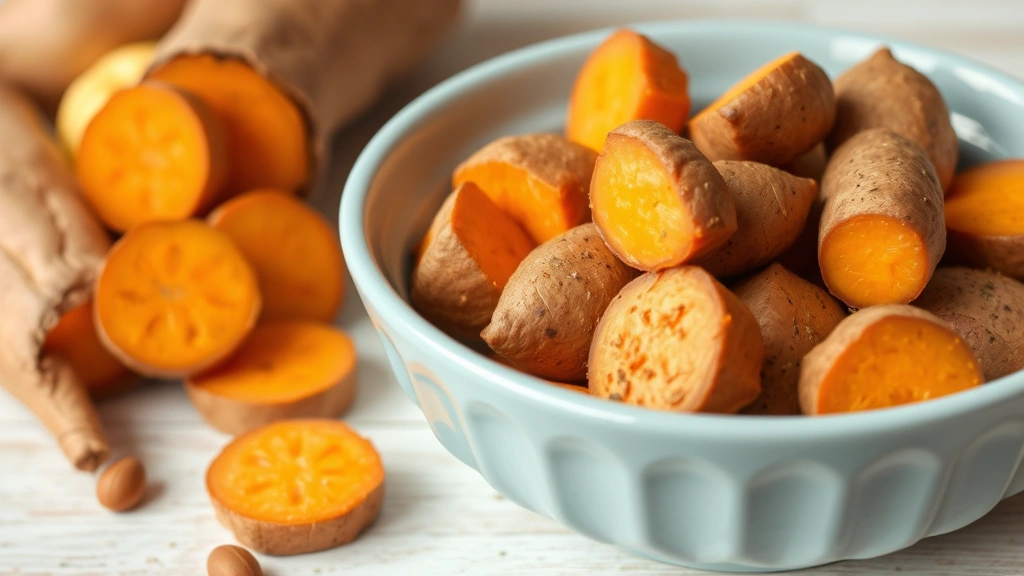
Sweet potato treats are like the golden child of the gluten-free world. They’re naturally gluten-free, packed with fiber, and dogs lose their minds over them. These chewy delights are also rich in vitamins A and C, making them a nutritious option that doesn’t feel like you’re medicating your pet. Look for single-ingredient sweet potato chews—just dehydrated sweet potato, nothing fancy needed.

2. Pumpkin and Peanut Butter Bites
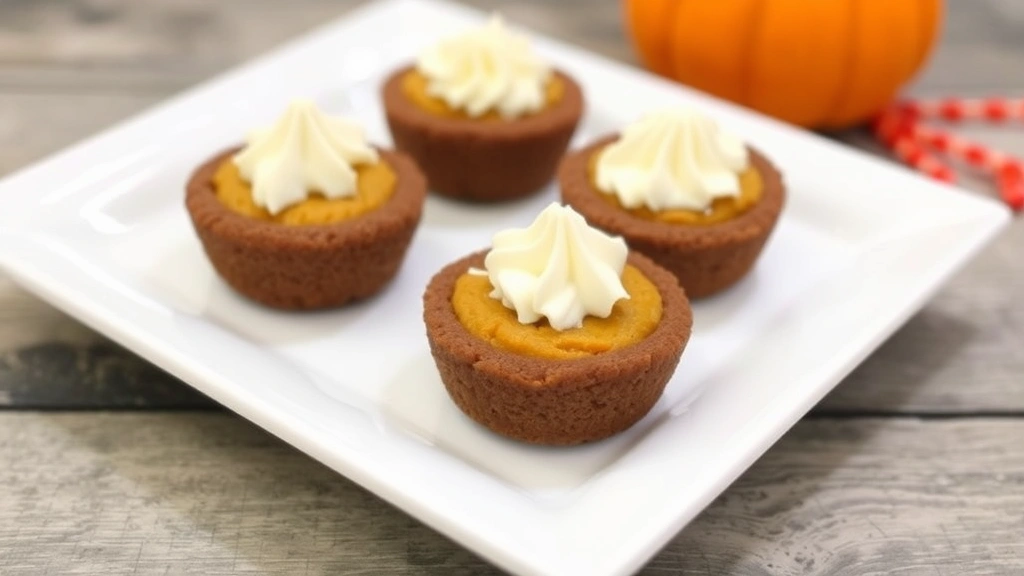
This combo is basically the peanut butter cup of the dog treat world. Pumpkin is incredibly gentle on sensitive stomachs and aids digestion, while natural peanut butter (xylitol-free, obviously) provides protein and that irresistible flavor dogs crave. These treats are often baked rather than processed, which means fewer weird additives lurking in the ingredient list.
3. Turkey and Sweet Potato Jerky
If your sensitive pup needs a protein boost, turkey-based jerky treats are your answer. Turkey is a leaner protein than chicken or beef, making it easier on sensitive digestive systems. Combined with sweet potato, you’ve got a treat that’s both delicious and digestively friendly. Rotating protein sources keeps your dog’s system from becoming too accustomed to one ingredient, and turkey jerky is perfect for this strategy.

4. Coconut and Banana Treats
These tropical-inspired treats are becoming increasingly popular, and for good reason. Coconut provides healthy fats that support coat health, while bananas offer natural sweetness without the sugar crash. This combination is particularly great for dogs with multiple sensitivities because both ingredients are rarely problematic. Check out our guide on coat health feeding routine to understand how treats contribute to overall wellness.
5. Bone Broth Biscuits
Bone broth is basically liquid gold for sensitive dogs. These biscuits are made with bone broth as the primary ingredient, creating treats that support gut health while being incredibly flavorful. The collagen and amino acids in bone broth can help heal a damaged gut lining—a common issue in dogs with sensitivities. Plus, they’re typically made with gluten-free flours like coconut flour or almond flour.

Reading Labels Like a Pro: What to Avoid
Just because a package says “natural” or “wholesome” doesn’t mean it’s gluten-free. Manufacturers are sneaky little devils sometimes. Here’s what to watch for:
Hidden Gluten Culprits: Wheat flour, barley malt, regular oats (cross-contaminated), and anything labeled “grain” without specification. Some treats use wheat starch as a binder—total gluten trap.

Suspicious Additives: BHA, BHT, ethoxyquin, and artificial colors have no place in quality gluten-free pet treats. Your dog doesn’t need neon-colored snacks to be happy.
Allergen Concerns: If your dog has multiple sensitivities, avoid treats with chicken by-products, corn, soy, or dairy. Stick with whole, recognizable ingredients you could theoretically eat yourself (though please don’t).
Making Your Own Gluten-Free Pet Treats at Home
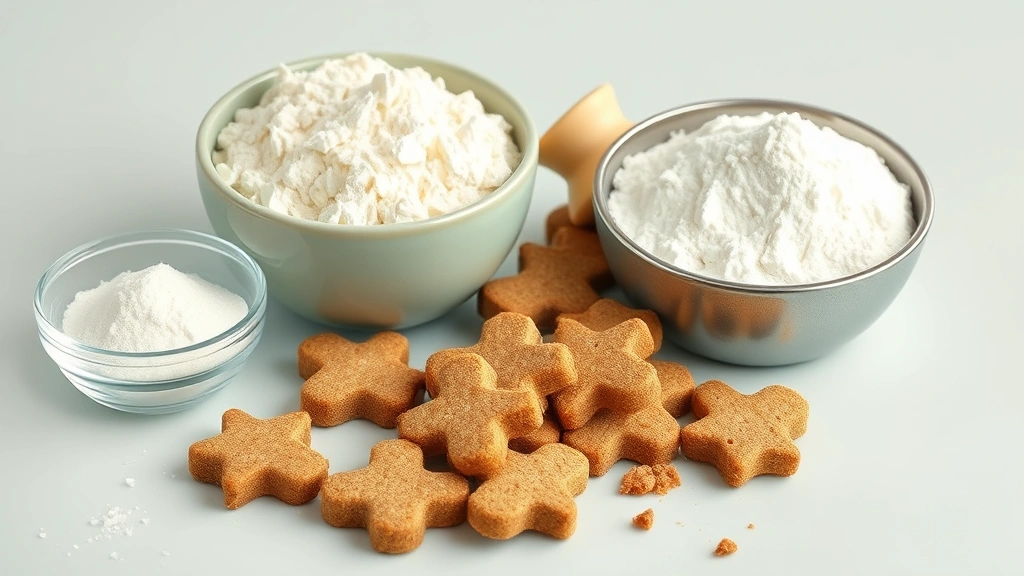
If you’re the DIY type (or just paranoid about what’s in commercial treats—valid), making your own is easier than you’d think. The basic formula is simple: one protein source, one binding ingredient, and optional flavor boosters.
Simple Homemade Recipe: Mix two cups of gluten-free flour (coconut or almond), one cup of natural peanut butter, one egg, and a splash of water. Roll, cut into shapes, and bake at 350°F for 15 minutes. Your dog will think you’re a culinary genius.
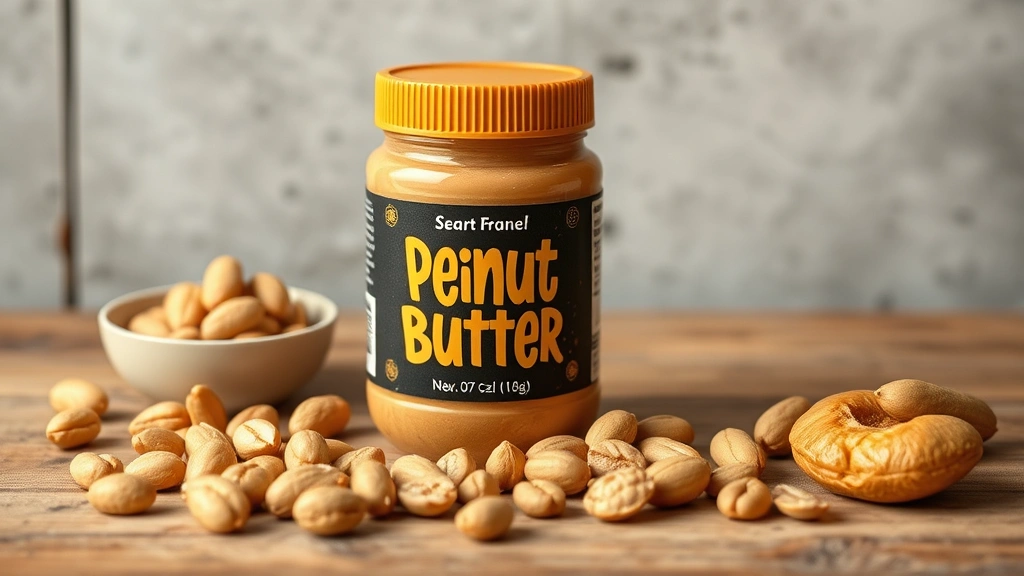
The beauty of homemade treats is complete ingredient control. You know exactly what’s going into your pup’s mouth, and you can adjust for their specific sensitivities. Plus, they’re usually cheaper than premium commercial options.
Transitioning Your Dog to Gluten-Free Treats
Don’t just swap treats overnight like you’re performing a magic trick. Dogs have sensitive digestive systems (the irony isn’t lost on us), and sudden changes can cause upset stomachs. Instead, introduce new gluten-free pet treats gradually over 7-10 days, mixing them with their regular treats in increasing ratios.

Watch for improvements in skin condition, energy levels, and digestive health. Many owners report seeing results within 2-4 weeks—clearer skin, shinier coat, and significantly less scratching. Some dogs show improvement even faster.
Cost Considerations and Budget-Friendly Options
Quality gluten-free treats typically cost more than conventional options, but consider it an investment in your dog’s health. A dog with chronic digestive issues or skin problems costs way more in vet bills than premium treats ever will.
To save money, buy in bulk, make treats at home, or look for sales on reputable brands. Check out Made in USA pet supplements for quality options that don’t break the bank. Many small pet treat companies offer subscription discounts if you commit to regular orders.
Supplements That Complement Gluten-Free Treats
While gluten-free pet treats remove a major irritant, pairing them with proper supplements can accelerate healing. Omega-3 fatty acids support skin health, probiotics promote digestive wellness, and digestive enzymes help break down food more efficiently. Tasty pet supplements can work synergistically with a gluten-free diet to create a comprehensive wellness approach.

Vet Recommendations and Professional Guidance
Before making any dietary changes, chat with your vet. I know, I know—you came here to avoid the vet, but they’re actually pretty useful sometimes. A veterinarian can confirm whether your dog truly has a gluten sensitivity or if something else is causing their symptoms. They might recommend an elimination diet or specific treat brands that align with your dog’s health profile.
Some vets specialize in nutritional medicine and can provide detailed guidance on creating balanced, gluten-free diets. It’s worth asking if your vet offers this service.
Frequently Asked Questions
Are all grain-free treats gluten-free?
Not necessarily. Grain-free doesn’t automatically mean gluten-free. Some grain-free treats still contain gluten from other sources. Always check the label specifically for gluten-free certification or ingredient lists that exclude wheat, barley, and rye.
Can gluten-free treats help with itching?
For dogs with gluten sensitivity, yes. Removing gluten can significantly reduce itching caused by inflammatory responses. However, if your dog itches for other reasons (allergies to chicken, environmental factors, fleas), gluten-free treats alone won’t solve the problem.
How much should I feed my dog in treats?
Treats should make up no more than 10% of your dog’s daily caloric intake. The rest should come from balanced meals. Even healthy gluten-free pet treats can contribute to weight gain if overfeeding happens.
Are expensive brands always better?
Not always. Price doesn’t guarantee quality. What matters is ingredient transparency, sourcing, and whether the treats work for your specific dog. A mid-range brand with excellent ingredients beats an expensive brand with questionable additives every time.
Can puppies eat gluten-free treats?
Yes, but in moderation. Puppies need balanced nutrition for proper growth and development. Gluten-free treats are fine as occasional rewards, but they shouldn’t replace proper puppy food. Consult your vet about appropriate treat portions for growing dogs.
Conclusion: Making the Switch to Gluten-Free Pet Treats
Switching to gluten-free pet treats is a straightforward way to improve your sensitive dog’s quality of life. Whether your pup has diagnosed gluten sensitivity or you’re just trying to eliminate potential irritants, gluten-free options provide peace of mind and, more importantly, relief from uncomfortable symptoms.
Start by identifying your dog’s specific sensitivities, choose treats with clean ingredient lists, introduce them gradually, and monitor improvements. Combine gluten-free treats with proper supplements and vet guidance for optimal results. Your dog will reward your efforts with fewer scratches, better energy, and that tail-wagging enthusiasm that makes dog ownership worthwhile.
The treat aisle doesn’t have to be a minefield anymore. With these five best options and the knowledge to read labels like a pro, you’re equipped to keep your sensitive pup happy, healthy, and thoroughly treat-satisfied.





