

A golden weiner dog is one of the most adorable designer dog breeds you’ll ever lay eyes on, combining the long, low body of a Dachshund with the golden, silky coat of a Golden Retriever. If you’ve just brought one of these pint-sized pups home or you’re thinking about it, congratulations—you’re in for a treat. But before you get lost in those floppy ears and soulful eyes, let’s talk about what it really takes to care for this unique crossbreed.
Table of Contents
- What Exactly Is a Golden Weiner Dog?
- Temperament and Personality Traits
- Exercise Needs and Activity Levels
- Grooming and Coat Care
- Nutrition and Diet Requirements
- Training and Socialization
- Health Concerns and Genetic Predispositions
- Common Behavioral Issues and Solutions
- Living Space and Environment Considerations
- Choosing a Breeder and Adoption Options
- Cost of Ownership
- Fun Activities and Enrichment
- Frequently Asked Questions
- Conclusion
What Exactly Is a Golden Weiner Dog?
The golden weiner dog is a hybrid breed that crosses a Golden Retriever with a Dachshund. Yes, you read that right. It’s a real thing, and honestly, whoever came up with this combo deserves a medal. These dogs typically inherit the elongated body of the Dachshund and the gorgeous golden coat from the Retriever parent. They’re compact, charming, and packed with personality that would make a stand-up comedian jealous.
These pups usually weigh between 25-50 pounds and stand about 10-12 inches tall, making them perfect for apartment living or homes with limited space. But don’t let their size fool you—they’ve got the heart of a much larger dog and the stubbornness of, well, a Dachshund.
Temperament and Personality Traits
Golden Retriever mixes are known for being friendly and sociable, and your golden weiner dog will likely inherit these traits in spades. These dogs are typically affectionate, loyal, and love being around their humans. They’re the type to follow you from room to room, convinced that whatever you’re doing is infinitely more interesting than their favorite toy.

However, Dachshunds can be a bit stubborn and independent, so expect some sass mixed in with the sweetness. Your golden weiner dog might occasionally decide that your command to “sit” is merely a suggestion rather than a requirement. Training requires patience, consistency, and probably a sense of humor.
Exercise Needs and Activity Levels
These dogs have moderate to high energy levels, so they’re not couch potatoes—despite their short legs. A dachshund golden retriever mix needs at least 30-60 minutes of exercise daily to stay happy and healthy. This could include walks, playtime in the yard, or interactive games that keep their minds engaged.
One important note: because of their elongated spine inherited from the Dachshund side, avoid activities that involve jumping from heights or rough play that could stress their back. Stick to low-impact exercises like swimming, which is fantastic for their joints and muscles without putting strain on that long body.

Grooming and Coat Care
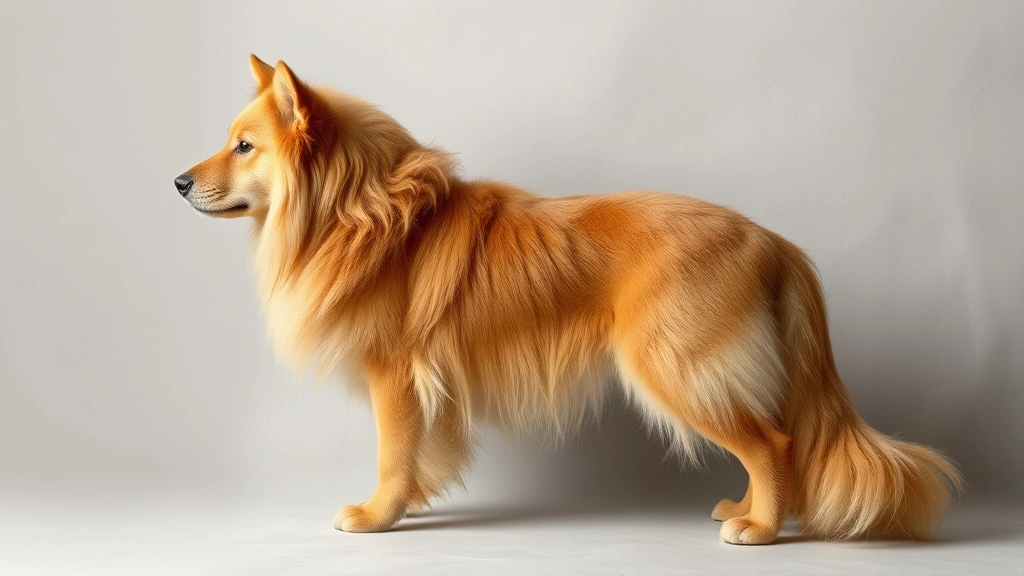
Your golden weiner dog will likely have a medium to long, silky coat that requires regular maintenance. Brush their coat at least 3-4 times per week to prevent matting and reduce shedding (and trust us, these dogs shed). During shedding season, you might want to invest in a good de-shedding tool because you’ll be finding golden hairs everywhere—on your clothes, your furniture, your dignity.
Bathe your pup every 4-6 weeks using a gentle dog shampoo, and don’t forget about those floppy ears. Dachshund ears combined with a Retriever’s activity level means you need to check and clean their ears weekly to prevent infections. Trim their nails every 3-4 weeks, and brush their teeth daily if you want to avoid expensive dental bills down the road.
Nutrition and Diet Requirements
Golden weiner dogs need high-quality dog food that supports their energy levels and keeps their coat shiny and healthy. Look for food with adequate protein (at least 18-22%) and healthy fats. Feed them 1-2 cups of food per day, split into two meals, depending on their size and activity level.

Because these dogs can be prone to weight gain, especially if they inherit the Dachshund’s love of snacking, monitor their calorie intake carefully. Obesity puts extra stress on their already vulnerable back, so keeping them at a healthy weight is crucial. When it comes to treats, check out our guide on healthy pet treats to make sure you’re giving them nutritious options.
If you’re wondering about specific human foods, we’ve got you covered. Learn more about can dogs eat cheese and other common questions. For holiday meals, check out dog-friendly Thanksgiving foods to keep your pup safe during celebrations.
Training and Socialization
Training a golden weiner dog requires patience, positive reinforcement, and an understanding that they might occasionally ignore you just because they can. Start training early and use high-value rewards—treats, toys, or praise. These dogs respond well to consistency but will test your boundaries if given the chance.

Socialization is equally important. Expose your pup to different people, animals, and environments during their first few months. This helps prevent behavioral issues and ensures they grow into well-adjusted, friendly adults. Puppy classes are a great way to accomplish this while also getting some expert guidance.
Health Concerns and Genetic Predispositions
Like all hybrid dogs, golden weiner dogs can inherit health issues from both parent breeds. The biggest concern is intervertebral disc disease (IVDD), common in Dachshunds due to their long spine. This condition can cause pain, mobility issues, or even paralysis if severe.
Other potential health concerns include hip dysplasia, ear infections, and obesity-related issues. Regular vet checkups are essential—aim for at least once yearly, or twice yearly once they hit their senior years. Keep their weight in check, provide low-impact exercise, and avoid letting them jump on and off furniture.

According to the American Kennel Club, mixed breeds can sometimes have fewer genetic health issues than purebreds, but it’s not guaranteed. Always ask breeders about health testing for both parent breeds.
Common Behavioral Issues and Solutions
Golden weiner dogs can be prone to separation anxiety, especially if they inherit the Retriever’s need for constant companionship. They may bark excessively, become destructive, or have accidents in the house when left alone. Crate training, gradual desensitization to alone time, and providing puzzle toys can help.
Stubbornness is another common trait. If your dog decides they don’t want to obey a command, redirect their attention to something positive rather than engaging in a battle of wills. Positive reinforcement works far better than punishment with these clever little pups.
Living Space and Environment Considerations
Golden weiner dogs adapt well to various living situations, from apartments to houses with yards. However, because of their back sensitivity, ensure they have easy access to food, water, and sleeping areas without requiring them to jump or climb stairs constantly. Use ramps or pet stairs if your home has elevated furniture or decks.
They enjoy having a comfortable bed in a quiet corner where they can retreat when they need downtime. Keep your home at a comfortable temperature—these dogs can be sensitive to extreme heat due to their coat, and they’re not great swimmers despite their Retriever heritage, so supervise water activities closely.
Choosing a Breeder and Adoption Options
If you’re looking to add a golden weiner dog to your family, do your homework. Reputable breeders conduct health testing on parent dogs and can provide documentation of genetic screening. Be wary of breeders who can’t or won’t provide health histories.

Alternatively, check rescue organizations and shelters for mixed breeds. Many wonderful dogs are waiting for homes, and adoption fees are typically lower than purchasing from a breeder. Plus, you’ll be giving a deserving pup a second chance.
Cost of Ownership
Initial costs for a golden weiner dog include the purchase price (if buying from a breeder), initial vet checkups, vaccinations, and supplies. Expect to spend $500-$2,000 initially. Annual costs for food, vet care, grooming, and unexpected medical expenses typically run $1,500-$3,000 depending on your location and the dog’s health.
Budget for potential back issues, which can require expensive treatments like surgery. Pet insurance might be worth considering, especially for designer breeds with known genetic concerns.

Fun Activities and Enrichment
Golden weiner dogs love being involved in family activities. They enjoy walks, hiking (on flat terrain), swimming, and interactive games like fetch. Puzzle toys and treat-dispensing toys keep their minds engaged on rainy days when outdoor exercise isn’t possible.
These dogs also excel at learning tricks and can participate in obedience competitions or agility courses (modified for their back). The mental stimulation keeps them happy and tired, which means fewer behavioral problems at home.
Frequently Asked Questions
How long do golden weiner dogs live?
Golden weiner dogs typically live 12-15 years with proper care, diet, and regular veterinary checkups. Some may live even longer if they avoid major health issues.
Are golden weiner dogs good with children?
Yes, they generally are. Golden Retrievers are known for their patience with kids, and most golden weiner dogs inherit this trait. However, always supervise interactions between young children and dogs, and teach kids to respect the dog’s space and not pull on their ears or tail.
Do golden weiner dogs shed a lot?
Yes, they shed moderately to heavily, especially during spring and fall shedding seasons. Regular brushing helps manage the fur, but you should expect to find golden hairs around your home.
Can golden weiner dogs be left alone?
They can be, but they don’t prefer it. These dogs are social and may develop separation anxiety if left alone for long periods. Gradually acclimate them to alone time and provide enrichment activities.
What’s the best diet for a golden weiner dog?
Look for high-quality dog food with adequate protein and healthy fats. Avoid overfeeding to prevent obesity, which stresses their back. Consult your vet for personalized recommendations based on your dog’s age and activity level. For treat ideas, check out our article on high-value treats from kitchen ingredients.
Are there any food recalls I should know about?
Stay informed about pet food recalls by checking the FDA website regularly. If you’re concerned about specific products, review our corn dog recall information for details on recent safety issues.
How often should I take my golden weiner dog to the vet?
Annual checkups are recommended for healthy adult dogs. Puppies need more frequent visits (every 3-4 weeks until 16 weeks old), and senior dogs (7+ years) should visit twice yearly. According to PetMD, regular preventive care can catch health issues early.
What’s the difference between a golden weiner dog and a goldendoodle?
A golden weiner dog is a Dachshund-Golden Retriever mix, while a Goldendoodle is a Poodle-Golden Retriever mix. They have different temperaments, grooming needs, and physical characteristics.
Conclusion
The golden weiner dog is a delightful companion that combines the best traits of two beloved breeds. These charming pups are loyal, affectionate, and entertaining, making them wonderful family pets. However, they require dedicated care, regular exercise, proper nutrition, and attentive health management—especially regarding their vulnerable spine.
Before bringing a golden weiner dog home, make sure you’re prepared for the grooming, training, and potential health challenges that come with this breed. With the right care, patience, and love, your golden weiner dog will reward you with years of companionship, laughter, and unconditional devotion. Just be prepared for the constant shedding and the occasional bout of stubbornness—it’s all part of the charm.





