
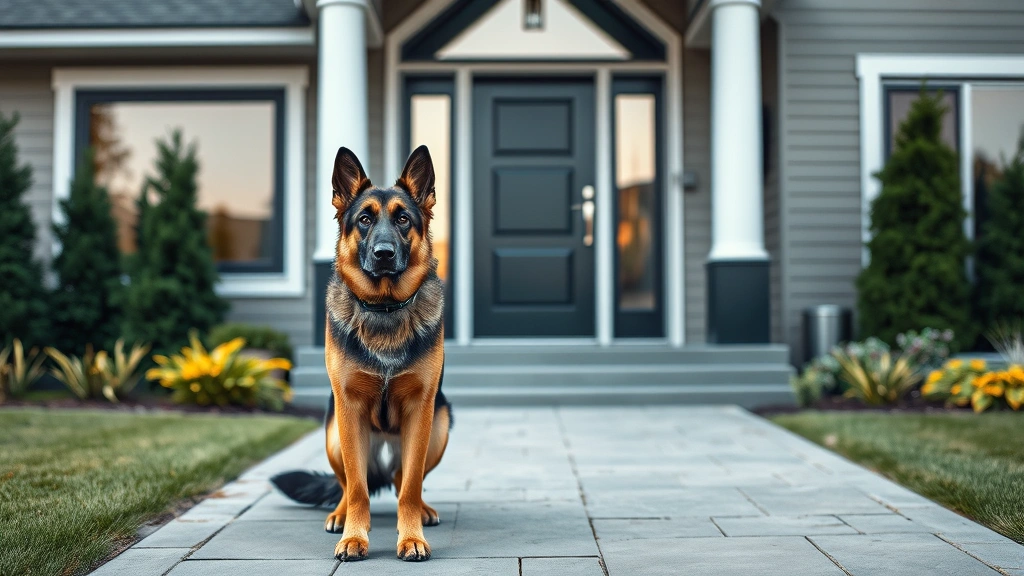
When it comes to home security, good guard dogs are one of the most effective—and adorable—investments you can make. Unlike fancy alarm systems that require monthly monitoring fees, a well-trained protective pup offers 24/7 vigilance, unconditional loyalty, and the added bonus of being an amazing family companion. But not all dogs are created equal when it comes to guarding your castle. Some breeds are naturally wired to protect their territory, while others would probably help a burglar carry out your TV.
Table of Contents
- What Makes a Good Guard Dog?
- German Shepherd: The Gold Standard of Guard Dogs
- Doberman Pinscher: The Sleek Protector
- Rottweiler: Misunderstood Guardians
- Boxer: The Energetic Defender
- Bullmastiff: The Gentle Giant Guardian
- Akita: The Independent Protector
- Great Dane: The Gentle Colossus
- Rhodesian Ridgeback: The African Warrior
- Belgian Malinois: The Working Dog
- Cane Corso: The Italian Protector
- Siberian Husky: The Surprising Guardian
- Training Your Guard Dog: Making It All Work
- Health and Care Considerations for Large Breed Guard Dogs
- Choosing the Right Guard Dog for Your Family
- Frequently Asked Questions
- Conclusion: Your Perfect Protective Companion Awaits
In this guide, we’ll explore the best guard dog breeds that combine protective instincts, intelligence, trainability, and temperament. Whether you’re looking for a massive deterrent or a medium-sized sentinel, there’s a perfect protective pup out there for your home.
What Makes a Good Guard Dog?
Before we dive into the top breeds, let’s clarify what separates a good guard dog from just any dog. A quality protective canine should possess:
- Territorial instinct: A natural desire to protect their home and family
- Alertness: Quick to notice unusual activity or strangers
- Courage: Willing to confront threats without backing down
- Trainability: Able to distinguish between normal visitors and actual threats
- Loyalty: Bonded deeply to their family unit
- Physical presence: Size and appearance that deters potential intruders
The best guard dogs combine these traits without being overly aggressive or unpredictable. You want a dog that’s protective, not a liability.
German Shepherd: The Gold Standard of Guard Dogs
If there’s a poster child for good guard dogs, it’s the German Shepherd. These intelligent, athletic dogs have been protecting homes and working alongside law enforcement for over a century. German Shepherds are incredibly versatile—they excel as family pets while maintaining strong protective instincts.

What makes German Shepherds exceptional guardians is their combination of intelligence and loyalty. They’re easy to train, naturally suspicious of strangers, and possess the physical capability to back up their warnings. These large breed dogs typically weigh 50-90 pounds and have the imposing presence that makes potential intruders think twice.
The downside? They require significant exercise and mental stimulation. A bored German Shepherd can develop behavioral problems, so they’re best suited for active families. If you’re considering this breed, check out our guide on puppy-safe human foods to ensure proper nutrition during their growth phases.
Doberman Pinscher: The Sleek Protector
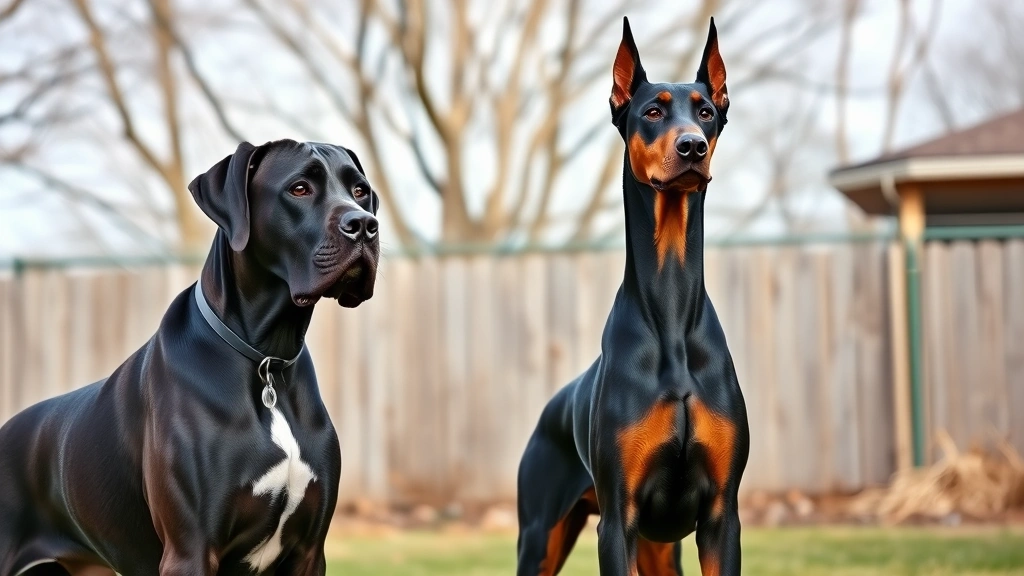
Don’t let their lean physique fool you—Doberman Pinschers are absolute powerhouses when it comes to protection. These elegant dogs are incredibly loyal to their families and naturally wary of strangers. They’re faster and more agile than many larger breeds, making them excellent for both deterrence and actual protection.
Dobermans are highly intelligent and respond well to training, which is essential since they have strong protective instincts that need proper channeling. They form intense bonds with their families and will go to great lengths to protect them. At 60-80 pounds, they have the size to be intimidating without being unwieldy.
One thing to note: Dobermans can be sensitive dogs that thrive on human companionship. They don’t do well being left alone for extended periods, so they’re ideal for families that spend considerable time at home.
Rottweiler: Misunderstood Guardians
Rottweilers have gotten a bad rap over the years, but those familiar with the breed know they’re actually gentle giants with families while being formidable protectors. These muscular dogs (80-135 pounds) have an intimidating appearance that alone deters many potential threats.
What people often don’t realize is that Rottweilers are naturally calm and confident. They don’t need to be aggressive to be effective guard dogs—their presence alone is usually sufficient. They’re loyal, intelligent, and respond well to training when handled by experienced owners.
Rottweilers do require socialization from puppyhood and consistent training to ensure they understand the difference between normal situations and genuine threats. The breed’s protective nature can be channeled positively with proper guidance, making them excellent family protectors for those willing to invest in their training.
Boxer: The Energetic Defender
Boxers are often overlooked in discussions about good guard dogs, but these muscular, energetic pups are excellent protectors. They’re medium-to-large dogs (60-70 pounds) with boundless energy and a playful nature that makes them wonderful family companions.
What makes Boxers effective guardians is their natural suspicion of strangers combined with their protective instinct toward family. They’re alert, intelligent, and possess surprising speed and agility for their size. Boxers are also incredibly loyal and will stand their ground when protecting their family.
These dogs thrive on activity and interaction, so they’re perfect for families with active lifestyles. If you’re looking to keep your Boxer healthy and happy, consider preparing homemade dog biscuits as training rewards and nutritious snacks.
Bullmastiff: The Gentle Giant Guardian
If you want a large breed dog that combines size with a surprisingly gentle temperament, the Bullmastiff is your answer. These massive dogs (100-130 pounds) look absolutely intimidating, which is often enough to deter potential intruders without any actual confrontation.
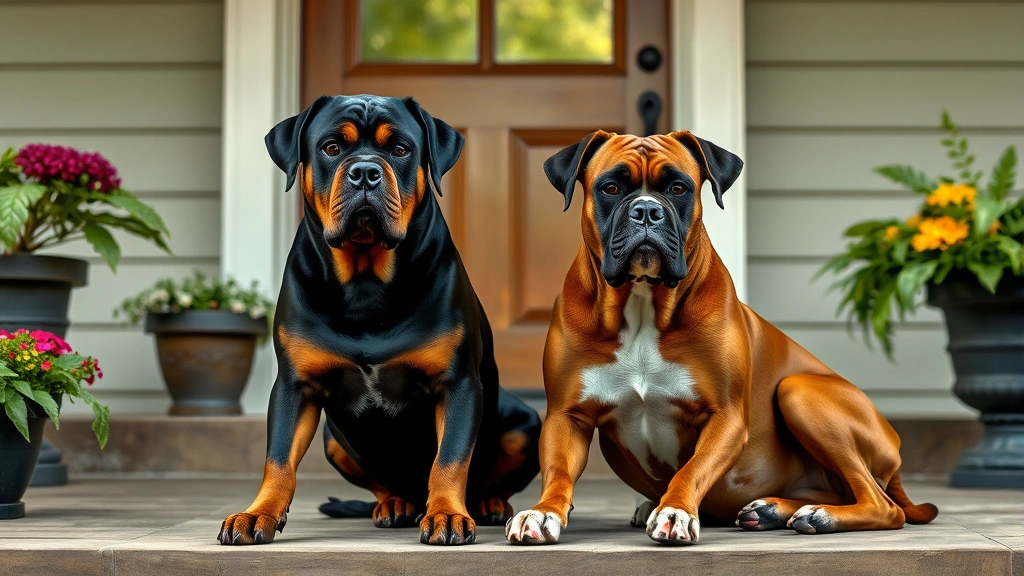
Bullmastiffs are naturally protective of their families but aren’t aggressive by nature. They’re calm, intelligent, and respond well to training. These dogs form strong bonds with their families and are particularly gentle with children, making them excellent for families with young kids.
The breed’s size does require proper training and socialization from an early age. Bullmastiffs also need adequate space and shouldn’t be confined to small apartments. Their protective nature is more about presence and deterrence than active aggression, which appeals to many homeowners.
Akita: The Independent Protector
Akitas are large, powerful dogs (70-130 pounds) with a strong protective instinct and independent streak. Originally bred in Japan for guarding and hunting, these dogs have protection literally in their DNA. They’re naturally suspicious of strangers and deeply loyal to their families.
What sets Akitas apart is their calm confidence. They don’t bark excessively or act aggressively without cause, but when a genuine threat arises, they’re ready to respond. Akitas are intelligent but can be stubborn, so they require experienced owners who can establish clear leadership.
These dogs have a strong prey drive and same-sex aggression tendencies, so early socialization is crucial. They thrive in homes with experienced dog owners who understand their independent nature and can provide proper training and boundaries.
Great Dane: The Gentle Colossus
Great Danes are often called “gentle giants,” but don’t mistake their friendly nature for a lack of protective ability. These massive dogs (100-200 pounds) are naturally protective of their families and have the physical presence to back it up.
What makes Great Danes excellent guard dogs is their calm demeanor combined with their imposing size. Most potential intruders will think twice before approaching a house guarded by a 150-pound dog, even if that dog is a softie at heart. Great Danes are intelligent, trainable, and form strong bonds with their families.
These dogs are surprisingly low-energy for their size, making them suitable for families with less active lifestyles. However, they do require proper training and socialization to ensure they understand their protective role. Consider investing in a collapsible dog crate for safe containment and training purposes.
Rhodesian Ridgeback: The African Warrior
Rhodesian Ridgebacks are medium-to-large dogs (70-85 pounds) with a fascinating history of protecting African homesteads from lions and intruders. These dogs have an incredible combination of independence, intelligence, and protective instinct.
Ridgebacks are naturally alert and suspicious of strangers, making them excellent guard dogs. They’re athletic, intelligent, and respond well to training when handled by experienced owners. These dogs have a strong prey drive and independent nature, so they require consistent training and socialization.
What sets Ridgebacks apart is their calm confidence and natural protective ability. They don’t need to be aggressive to be effective; their presence and alertness are usually sufficient. They’re excellent for families that appreciate their independent nature and can provide proper leadership.
Belgian Malinois: The Working Dog
Belgian Malinois are often confused with German Shepherds, but these dogs have their own distinct characteristics that make them exceptional guard dogs. These medium-to-large dogs (40-80 pounds) are incredibly intelligent, athletic, and naturally protective.

Malinois are used extensively by military and law enforcement agencies, which speaks to their protective capabilities and trainability. They’re alert, responsive, and possess strong protective instincts toward their families. These dogs are also incredibly versatile and excel in various protection roles.
The main consideration with Malinois is their high energy level and need for mental stimulation. These dogs require experienced owners who can provide proper training, exercise, and engagement. They’re not ideal for first-time dog owners or families with limited time for training and exercise.
Cane Corso: The Italian Protector
Cane Corsos are large, powerful dogs (90-120 pounds) with a long history of protecting Italian estates. These muscular canines have an imposing appearance and a natural protective instinct that makes them excellent guard dogs for experienced owners.
What makes Cane Corsos effective protectors is their combination of size, strength, and intelligence. They’re alert, responsive to their families, and naturally suspicious of strangers. These dogs form strong bonds with their families and are particularly protective of children.
Cane Corsos require experienced owners who can provide proper training, socialization, and leadership. Their protective nature needs to be channeled appropriately, and they should never be left unsupervised with strangers. When properly trained and socialized, they’re loyal, intelligent, and effective guardians.
Siberian Husky: The Surprising Guardian
While Huskies might not be the first breed that comes to mind when thinking about good guard dogs, these intelligent, alert dogs can be surprisingly effective protectors. These medium-to-large dogs (35-60 pounds) are naturally pack-oriented and fiercely loyal to their families.
Huskies are alert and will bark to warn of strangers, though they’re generally too friendly to be truly aggressive protectors. What makes them valuable guard dogs is their intelligence, athleticism, and strong family bonds. They’re excellent for families that want an active companion with protective instincts.
The main consideration with Huskies is their high energy level and prey drive. These dogs require significant exercise and mental stimulation, making them ideal for active families. For healthy snack alternatives, consider their high metabolism and energy needs.
Training Your Guard Dog: Making It All Work
Having a good guard dog is only half the battle—proper training is essential to ensure your protective pup knows when to be alert and when to relax. The best guard dogs understand the difference between normal situations and genuine threats, which requires consistent training and socialization.
Start training early, establish clear leadership, and use positive reinforcement methods. Socialization is crucial to ensure your dog is comfortable with family, friends, and normal household activities while remaining protective of your home. Consider working with a professional trainer who specializes in protection training if you want your dog to be more than just a deterrent.
Remember that proper training and socialization are just as important as breed selection. Even the most naturally protective dog needs guidance to become a well-adjusted family member and effective guardian.
Health and Care Considerations for Large Breed Guard Dogs
Most good guard dogs are large or giant breeds, which come with specific health and care considerations. These dogs require:
- Proper nutrition: High-quality food formulated for large breeds
- Regular exercise: Daily activity to maintain muscle and joint health
- Veterinary care: Regular check-ups to monitor for breed-specific issues
- Joint support: Supplements and proper rest to protect hips and elbows
- Temperature management: Careful monitoring in hot weather, especially for large breeds
Investing in your guard dog’s health ensures they can protect your home for many years to come. Regular veterinary visits and proper nutrition are essential for these dogs.
Choosing the Right Guard Dog for Your Family
The best guard dog for your home depends on your lifestyle, experience level, and specific needs. Consider factors like:
- Your living situation (apartment vs. house with yard)
- Your activity level and time availability
- Your experience with dog training and handling
- Your family composition (children, other pets)
- Your climate and weather conditions
- Your budget for training and veterinary care
Take time to research each breed thoroughly and meet dogs in person before making a decision. A good guard dog should be a fit for your entire family, not just a security solution.
Frequently Asked Questions
What’s the best guard dog for families with children?
Breeds like Boxers, Bullmastiffs, and Great Danes are excellent choices for families with children. They’re protective of their families while generally being gentle and patient with kids. German Shepherds are also great if you have the time for training and exercise. Always supervise interactions between dogs and children, regardless of breed.
Can small dogs be good guard dogs?
While small dogs can be alert and bark to warn of strangers, they lack the physical presence and ability to actually protect your home from threats. Good guard dogs typically need to be at least medium-sized to be effective deterrents. Small dogs are better suited as alert dogs rather than true protection dogs.
How much training do guard dogs need?
All guard dogs benefit from basic obedience training and socialization, which typically takes several months of consistent work. If you want a dog trained in protection work, expect to invest 6-12 months and several thousand dollars with a professional trainer. Even naturally protective dogs need guidance to be reliable guardians.
Are guard dogs dangerous to have around the house?
A well-trained, properly socialized guard dog is no more dangerous than any other dog. The key is establishing clear leadership, providing proper training, and ensuring your dog understands when to be protective and when to relax. Good guard dogs are confident and calm, not aggressive or unpredictable.
What’s the difference between guard dogs and attack dogs?
Guard dogs are protective of their territory and family but don’t actively attack without provocation. Attack dogs are specifically trained to bite on command, which is illegal in many jurisdictions and requires specialized training. Most families want guard dogs, not attack dogs.
How long do guard dogs typically live?
Large breed guard dogs typically live 8-12 years, depending on the specific breed and individual health factors. Some giant breeds like Great Danes may have shorter lifespans (7-10 years), while some medium-sized breeds may live longer. Proper nutrition, exercise, and veterinary care can help maximize your dog’s lifespan.
Conclusion: Your Perfect Protective Companion Awaits
Good guard dogs offer more than just home security—they provide companionship, loyalty, and peace of mind. Whether you choose a German Shepherd, Doberman, Rottweiler, or any of the other excellent breeds on this list, you’re investing in a family member who will protect your home and love your family unconditionally.
Remember that the best guard dog is one that fits your lifestyle and receives proper training, socialization, and care. Take time to research breeds, meet individual dogs, and work with trainers if needed. Your perfect protective companion is out there, ready to become an integral part of your family while keeping your home secure. For more insights on dog care and training, check out our article on dogs in protective roles.





