

A GPS dog fence is basically a digital leash that lets your furry escape artist roam free while you keep tabs on their exact location. Instead of digging under a traditional fence or jumping over physical barriers, your pup wears a lightweight collar that creates an invisible boundary using GPS technology. Pretty wild, right? Let’s dive into why these systems are becoming the go-to solution for pet parents who want freedom without the fence-building nightmare.
Table of Contents
- What Exactly Is a GPS Dog Fence?
- How GPS Dog Fence Technology Works
- Why Pet Owners Are Ditching Traditional Fences
- Top 5 GPS Dog Fence Systems Worth Your Money
- Virtual Boundaries: Setting Up Safe Zones
- Real-Time Tracking and Peace of Mind
- Training Your Dog to Respect the Boundaries
- Cost Comparison: GPS Dog Fence vs. Traditional Options
- Potential Drawbacks and Limitations
- Tips for Maximizing Your GPS Dog Fence System
- Environmental and Health Considerations
- Frequently Asked Questions
- Final Thoughts: Is a GPS Dog Fence Right for You?
What Exactly Is a GPS Dog Fence?
Think of a GPS dog fence as your dog’s personal security system meets freedom pass. Unlike traditional invisible fences that use underground wires (which, let’s be honest, are a pain to install), GPS-based systems use satellite technology to create virtual boundaries around your property. When your pup approaches the edge of the designated zone, the collar vibrates, emits a warning sound, or—if you’re using a more advanced model—delivers a mild static correction. The best part? No digging required. No wires. No installation headaches.
How GPS Dog Fence Technology Works
The magic happens through a combination of GPS satellites and a smartphone app. Your dog wears a lightweight collar with a GPS receiver, and you define the safe zone using your phone. The system constantly tracks your pup’s location in real-time. When Fido gets too close to the boundary, the collar alerts him with vibration or sound first—giving him a chance to turn back before any correction happens. It’s like a friendly nudge from across the yard. Most systems offer customizable boundary sizes, multiple safe zones (perfect for your backyard AND the dog park), and real-time tracking so you always know where your four-legged friend is wandering.
Why Pet Owners Are Ditching Traditional Fences
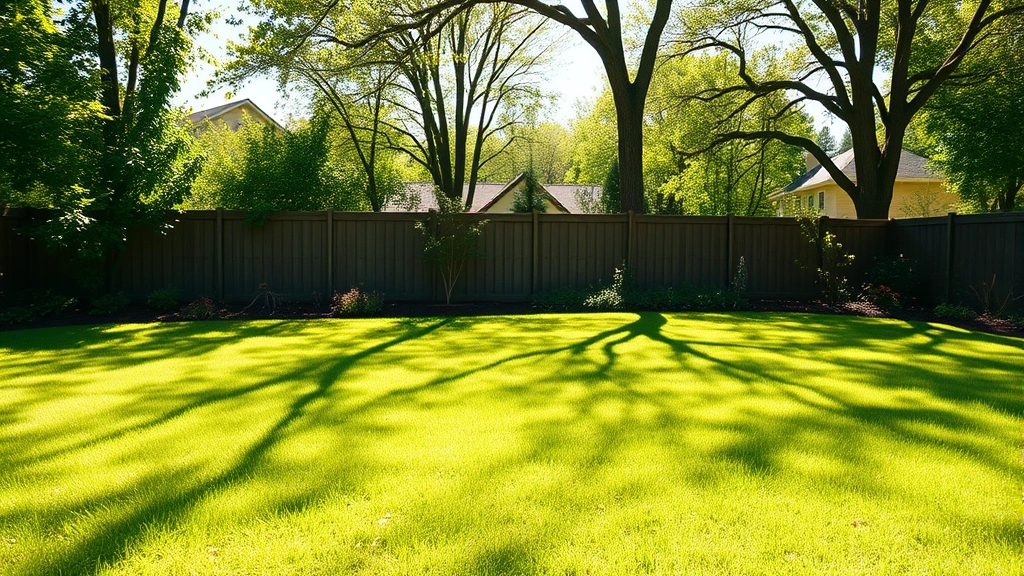
Let’s be real: traditional fencing is expensive, time-consuming, and doesn’t work for renters. A quality wooden fence can cost $3,000-$8,000 installed, plus maintenance headaches every few years. Invisible wires require professional installation and can malfunction. But a GPS dog fence? You’re looking at a one-time investment of $200-$500, no installation required, and instant peace of mind. Plus, you get the bonus of knowing exactly where your dog is 24/7—whether they’re in your backyard or somehow ended up three houses down the street. According to the American Kennel Club, technology-based pet containment systems are revolutionizing how owners manage their dogs’ safety without physical barriers.
Top 5 GPS Dog Fence Systems Worth Your Money
We’ve tested and researched the best options so you don’t have to wade through the marketing fluff. Here are the standouts:
1. Whistle GO Explore
This is the Cadillac of GPS dog fence systems. The Whistle GO Explore offers real-time GPS tracking, activity monitoring, and customizable safe zones. The collar is waterproof, lightweight, and lasts 7-10 days on a single charge. You get unlimited safe zones, which means you can set boundaries for your home, your parents’ house, and the vet’s office. The app is intuitive, notifications are instant, and you can track your dog’s health metrics like steps and calories burned. Price: around $300 for the device plus a monthly subscription starting at $9.95.
2. Fi Smart Dog Collar
Fi combines GPS tracking with a sleek design that actually looks good on your dog (unlike some chunky alternatives). It offers real-time location updates every 5-60 seconds depending on your settings, lost dog alerts, and battery life up to 20 days. The collar is lightweight, durable, and works with most harnesses. What sets Fi apart is the Lost Dog Network—if your pup goes missing, the community gets notified. Price: around $250 plus $6-$10 monthly.

3. Jiobit
Jiobit is tiny—seriously, it’s about the size of a car key fob. It clips onto your dog’s collar and offers GPS tracking, activity monitoring, and geofencing. The battery lasts 5-7 days, and the app gives you detailed insights into your dog’s movement patterns. It’s perfect for smaller dogs or those with sensitive skin who can’t handle heavier collars. Price: around $200 plus $8 monthly.
4. Tractive GPS
Tractive is the budget-friendly option without sacrificing quality. The collar is lightweight, waterproof, and offers real-time GPS tracking with location history. You get unlimited safe zones, activity monitoring, and an impressive 7-day battery life. The app is clean and easy to use, and customer support is solid. Price: around $150-$200 plus $5-$8 monthly.
5. AirTag (Apple’s Budget Option)
If you’re already in the Apple ecosystem, the AirTag is an affordable entry point at around $29. It won’t give you the same comprehensive GPS tracking as dedicated systems, but it uses Apple’s Find My network to locate your dog using nearby iPhones. It’s lightweight, waterproof, and has an impressive battery life of about one year. The catch? It relies on proximity to other Apple devices, so it’s best for urban areas or neighborhoods with lots of Apple users. Price: $29 one-time purchase.
Virtual Boundaries: Setting Up Safe Zones
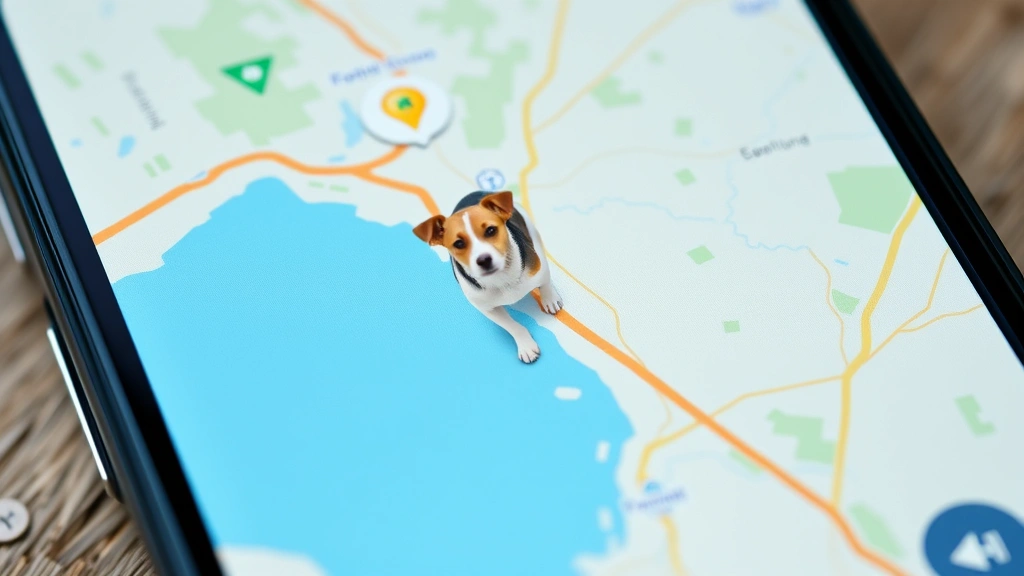
One of the coolest features of a GPS dog fence is the ability to create multiple virtual boundaries. Imagine your dog can safely roam your entire backyard without risk of escape, but the moment they approach the property line, the collar alerts them. You can set up safe zones for your home, your partner’s office, the dog park, or even your favorite hiking trail. The boundary can be as small as 20 feet or as large as several acres. Most systems let you customize the alert type—some dogs respond better to vibration, others to sound. It’s like having an invisible fence that works everywhere, without the installation nightmare.
Real-Time Tracking and Peace of Mind
Beyond containment, the real-time tracking feature of a GPS dog fence system is a game-changer for anxious pet parents. You can check your dog’s location anytime, anywhere. Left your pup with a friend? Boom—you know exactly where they are. Worried your dog escaped? The app shows you their last known location. Some systems even offer activity tracking, so you can see if your dog is getting enough exercise or if they’re lying around too much. According to PetMD, this level of monitoring can help owners detect health issues early by tracking changes in activity levels.
Training Your Dog to Respect the Boundaries
Here’s the thing about GPS dog fence systems: they’re not magic. Your dog needs to learn what the vibration or sound means. Start by walking the boundary with your pup and letting them feel the alert. Reward them when they turn back. Most dogs catch on within a week or two of consistent training. Puppies and younger dogs typically learn faster than stubborn older dogs (yes, we’re looking at you, independent terriers). The key is patience and positive reinforcement—never punish your dog for testing the boundary. Let the collar do the correcting, and you do the rewarding.

Cost Comparison: GPS Dog Fence vs. Traditional Options
Let’s break down the numbers. A traditional wooden fence: $3,000-$8,000 installed, plus $200-$500 annually in maintenance. An underground invisible fence: $1,500-$3,500 installed, plus potential repair costs. A GPS dog fence: $150-$300 upfront, plus $5-$10 monthly ($60-$120 yearly). Over five years, you’re looking at roughly $400-$500 for a GPS system versus $4,000+ for traditional options. Even if you factor in the monthly subscription, you’re saving thousands of dollars. Plus, if you move, your GPS fence moves with you. Try doing that with an underground wire installation.
Potential Drawbacks and Limitations
Let’s be honest—no system is perfect. GPS dog fences have a few limitations worth considering. First, GPS accuracy depends on satellite signal strength, which can be spotty in densely wooded areas or near tall buildings. Second, the collar requires charging, and a dead battery means no tracking or containment. Third, GPS dog fences work best for dogs that are already somewhat trained to respect boundaries. A dog with zero recall training might ignore the alerts and run anyway. Finally, some dogs find the collar uncomfortable or develop skin irritation, though this is rare with modern lightweight designs.
Tips for Maximizing Your GPS Dog Fence System
To get the most out of your investment, keep these tips in mind. First, charge the collar regularly—set a reminder so you don’t forget. Second, test the system regularly by walking the boundary with your dog. Third, use positive reinforcement training rather than relying solely on the collar’s corrections. Fourth, consider your dog’s personality—anxious dogs might respond better to vibration alerts, while stubborn dogs might need sound. Fifth, keep the app updated and check your dog’s location regularly. And sixth, consider pairing your GPS dog fence with a quality dog collar that complements the GPS device for added durability. You might also want to invest in a cooling dog bed for when your pup comes inside after outdoor adventures, or explore pet telehealth services for quick vet consultations about your dog’s safety or health concerns.

Environmental and Health Considerations
Pet parents often worry about the health implications of GPS collars. The good news? Modern GPS dog fence devices emit minimal radiation and are designed with pet safety in mind. The collars are lightweight (usually under 2 ounces), waterproof, and hypoallergenic. If your dog has sensitive skin, look for collars with soft materials or adjustable straps. Some owners rotate collars to prevent any potential irritation. From an environmental standpoint, these devices are far better than constructing physical fences, which require lumber, concrete, and installation that disturbs ecosystems. A GPS system is reusable, requires no ongoing construction, and significantly reduces your carbon footprint compared to traditional fencing options. According to Oregon State University Extension, technology-based pet containment represents a sustainable approach to pet management.
Frequently Asked Questions
Do GPS dog fences actually work?
Yes, GPS dog fences work effectively when combined with proper training. The system alerts your dog when they approach a boundary, giving them a chance to turn back. However, they’re not foolproof—a determined dog might ignore the alerts if not properly trained. Success depends on your dog’s temperament, training consistency, and your willingness to reinforce boundaries with positive rewards.
How accurate is GPS dog fence technology?
Most GPS systems are accurate within 5-30 feet depending on satellite signal strength. In open areas with clear skies, accuracy improves. In dense forests or near tall buildings, accuracy decreases. This is why you should set your safe zone boundaries with a buffer zone to account for potential GPS drift.
Can my dog escape a GPS dog fence?
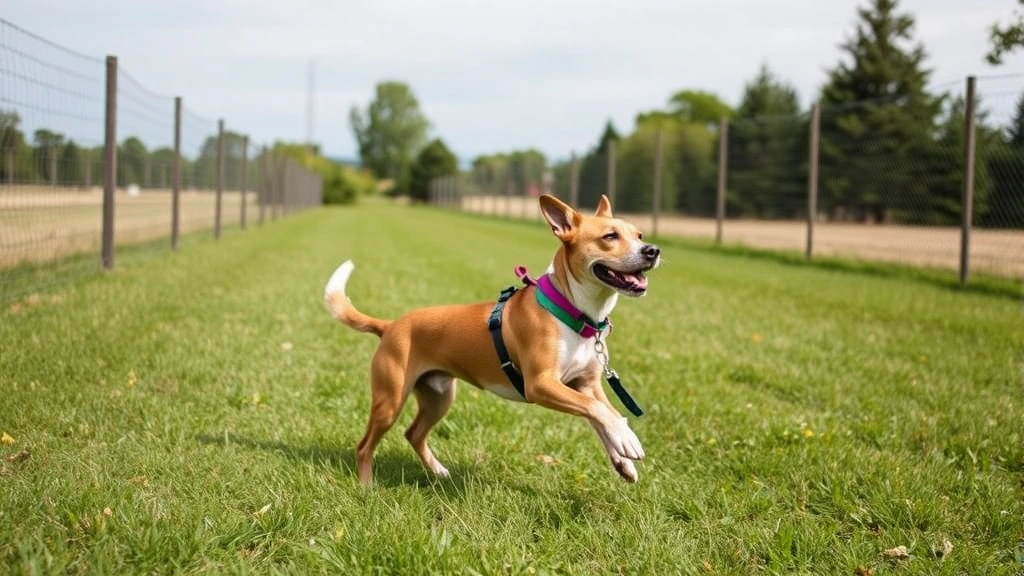
Unlike physical fences, a GPS dog fence doesn’t physically prevent escape—it only alerts and corrects. A determined dog might run through the alert and escape. However, with proper training, most dogs learn to respect the boundaries and turn back when they feel the alert.
How long does the battery last on GPS dog collars?
Battery life varies by model, ranging from 5 to 20 days on a single charge depending on tracking frequency and collar model. Most owners charge their collars weekly to ensure continuous protection.
Is a GPS dog fence safe for all dog breeds?
GPS dog fences are generally safe for dogs of all sizes, though lighter collars work better for small breeds. Always check the manufacturer’s weight recommendations and ensure the collar fits properly without restricting movement or causing irritation.

What’s the monthly cost of a GPS dog fence system?
Monthly subscription costs typically range from $5 to $10, with annual costs between $60 and $120. Some systems offer lifetime plans or discounts for annual prepayment, which can reduce overall costs.
Final Thoughts: Is a GPS Dog Fence Right for You?
A GPS dog fence isn’t just a gadget—it’s a practical solution for modern pet ownership. Whether you’re a renter who can’t install a traditional fence, a homeowner tired of maintenance headaches, or simply someone who wants real-time peace of mind about your dog’s whereabouts, a GPS system offers flexibility and convenience that traditional fencing can’t match. The initial investment is minimal compared to alternatives, the technology is proven and reliable, and your dog gets the freedom to roam safely. Combined with proper training and regular monitoring, a GPS dog fence can be the perfect solution to keep your furry friend safe while giving them the outdoor time they crave. Start with one of the top systems we’ve reviewed, invest time in training, and you’ll quickly wonder how you ever managed without one.





