
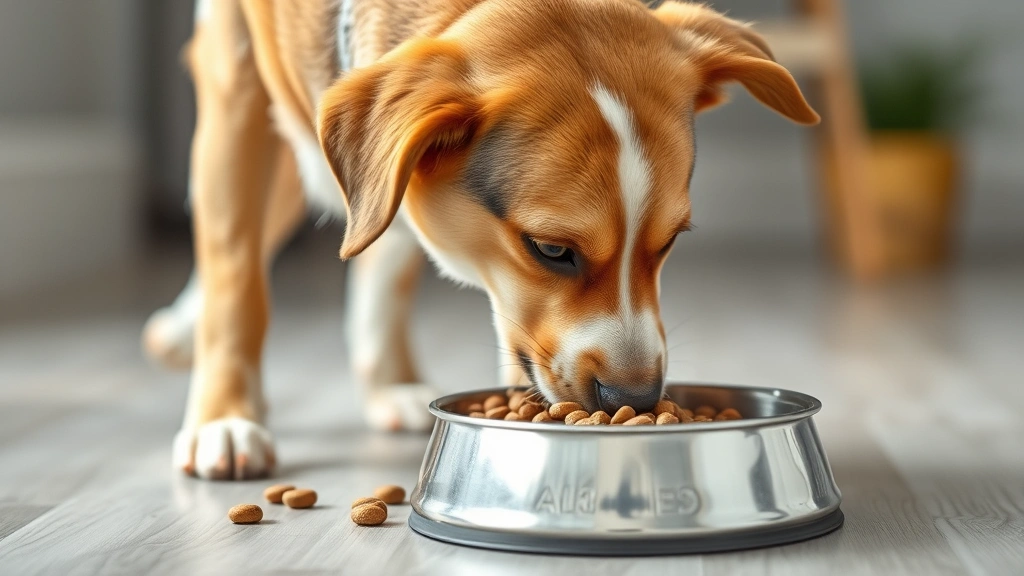
A grain-free feeding schedule has become one of the most debated topics in pet nutrition, and honestly, it’s time we cut through the marketing noise and talk real facts. Whether you’re switching your furry friend to grain-free kibble or considering it, understanding how to structure their meals properly can make all the difference between a thriving pet and one dealing with digestive drama.
Table of Contents
- What Exactly Is Grain-Free Feeding?
- Understanding Your Pet’s Nutritional Needs Before Scheduling
- The Ideal Grain-Free Feeding Schedule for Dogs
- Grain-Free Feeding Schedule for Cats: A Different Beast Entirely
- Transitioning to a Grain-Free Feeding Schedule
- Portion Control and Caloric Intake in Grain-Free Diets
- Monitoring Health on a Grain-Free Feeding Schedule
- The Controversial Heart Health Concern
- Combining Grain-Free with Supplementation
- Cost Considerations for Grain-Free Feeding Schedules
- Common Mistakes in Grain-Free Feeding Schedules
- When Grain-Free Isn’t the Answer
- Creating Your Custom Grain-Free Feeding Schedule
- Frequently Asked Questions
- Summary: Making Grain-Free Work for Your Pet
What Exactly Is Grain-Free Feeding?
Let’s start with the basics. Grain-free feeding means removing traditional grains like wheat, corn, barley, and oats from your pet’s diet. Instead, these formulas rely on alternative carbohydrate sources like potatoes, peas, legumes, and tapioca. It sounds straightforward, but the devil’s in the details—literally and figuratively.
Many pet owners jump on the grain-free bandwagon thinking it’s automatically healthier. Here’s the thing: grain-free doesn’t automatically equal better nutrition. Some dogs and cats genuinely benefit from avoiding grains due to sensitivities, while others do perfectly fine with traditional grain-inclusive diets. The key is finding what works for YOUR pet’s unique digestive system.
Understanding Your Pet’s Nutritional Needs Before Scheduling
Before you implement any grain-free feeding schedule, you need to understand your pet’s baseline nutritional requirements. Dogs need protein (around 18-25% for adults), healthy fats, vitamins, minerals, and yes—carbohydrates for energy. Cats are obligate carnivores and need significantly higher protein levels (25-40%).
The problem with many grain-free formulas? They often replace grains with excessive legumes and peas, which can actually increase carbohydrate content while reducing digestible protein quality. It’s like swapping out whole wheat bread for potato chips—technically grain-free, but not exactly a nutritional upgrade.
Check with your veterinarian about your pet’s specific needs. Some pets with allergies or sensitivities genuinely benefit from grain-free options, while others might be better served by limited-ingredient diets that still include grains.

The Ideal Grain-Free Feeding Schedule for Dogs
If you’ve decided grain-free is right for your dog, let’s talk timing. Most adult dogs thrive on a consistent grain-free feeding schedule of two meals per day—morning and evening, roughly 12 hours apart. This consistency helps regulate digestion, maintain stable blood sugar, and keeps your pup’s bathroom habits predictable (which your carpet will appreciate).
For puppies, you’ll need to adjust this schedule. Growing dogs typically need three to four meals daily until around six months old, then you can transition to twice-daily feeding. Grain-free puppy formulas should be specifically formulated for growth—they need higher calories and appropriate calcium-to-phosphorus ratios for proper bone development.
Senior dogs (7+ years) can usually stick with twice-daily feeding, but some benefit from smaller, more frequent meals if they have digestive sensitivities. You might also consider adding multi-strain probiotics for pets to support aging digestive systems.
Grain-Free Feeding Schedule for Cats: A Different Beast Entirely
Cats are obligate carnivores, which means they need meat—lots of it. A grain-free feeding schedule for cats should ideally feature multiple small meals throughout the day, mimicking their natural hunting patterns. Many feline nutritionists recommend three to four smaller meals rather than one or two large ones.
Cats with grain sensitivities often show improvement on grain-free diets, but here’s the critical part: the formula must still be high-protein and low-carb. Many commercial grain-free cat foods are still too carb-heavy. Look for options with meat as the first ingredient and protein levels above 30%.
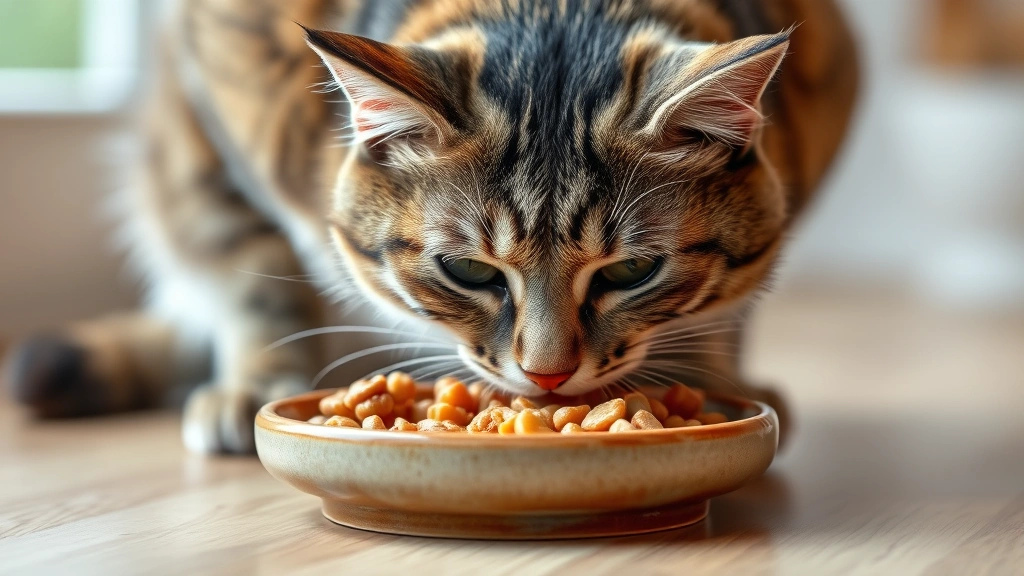
The tricky part? Getting cats to cooperate with your schedule. Cats are notorious for being picky eaters and demanding meals on their own timeline. Consistency matters, but flexibility sometimes matters more when you’re dealing with a feline overlord.
Transitioning to a Grain-Free Feeding Schedule
Here’s where most people mess up: they switch foods cold turkey and then act shocked when their pet develops digestive upset. Your pet’s digestive system needs time to adjust to new foods, whether grain-free or not.
The ideal transition takes 7-10 days:
- Days 1-2: Mix 25% new grain-free food with 75% old food
- Days 3-4: 50% new food, 50% old food
- Days 5-6: 75% new food, 25% old food
- Days 7-10: 100% new grain-free food
If your pet shows signs of digestive upset (loose stools, vomiting, reduced appetite), slow down the transition. Some sensitive pets need two to three weeks. There’s no medal for speed here—patience wins.
During this transition period, pet supplement dosage guidance becomes important if you’re adding supplements to support digestive health.

Portion Control and Caloric Intake in Grain-Free Diets
Here’s a sneaky truth about grain-free feeding: these foods are often more calorie-dense than grain-inclusive options. Because they’re higher in fat and protein, you might actually need to feed LESS volume to maintain your pet’s ideal body weight.
Check the feeding guidelines on your specific food—they’re usually based on your pet’s weight. But here’s the thing: those guidelines are often overestimated. Most pets in developed countries are overweight, and grain-free diets can accelerate weight gain if you’re not careful with portions.
A simple rule: you should be able to feel your pet’s ribs without pressing hard, and they should have a visible waist when viewed from above. If you can’t feel their ribs, it’s time to reduce portions regardless of what the bag says.
Monitoring Health on a Grain-Free Feeding Schedule
Once you’ve established your grain-free feeding schedule, you need to actually monitor whether it’s working. Track these indicators:
- Coat quality: Should be shiny and healthy, not dull or flaky
- Energy levels: Your pet should be active and alert
- Digestive health: Regular, firm stools (not loose or constipated)
- Body weight: Stable and ideal for their breed and age
- Skin condition: No excessive itching or hot spots
- Breath: Should smell like… well, pet breath (not great, but not offensive)
If you notice improvements in allergies, digestive issues, or coat quality within 4-6 weeks, you’ve probably made the right choice. If nothing changes or things get worse, it might be time to reconsider.

The Controversial Heart Health Concern
We can’t talk about grain-free feeding without addressing the elephant in the room: the FDA’s investigation into a potential link between grain-free diets and dilated cardiomyopathy (DCM) in dogs. This is serious stuff, folks.
The research isn’t conclusive, but some grain-free diets—particularly those high in legumes and peas—may be associated with taurine deficiency in certain dogs. Taurine is crucial for heart health, especially in breeds like Golden Retrievers, Labrador Retrievers, and some others.
If you’re feeding grain-free, ask your vet about taurine supplementation. Many vets now recommend veterinarian recommended supplements for pets on grain-free diets to ensure adequate taurine levels. Some grain-free formulas now include added taurine, so check labels carefully.
Combining Grain-Free with Supplementation
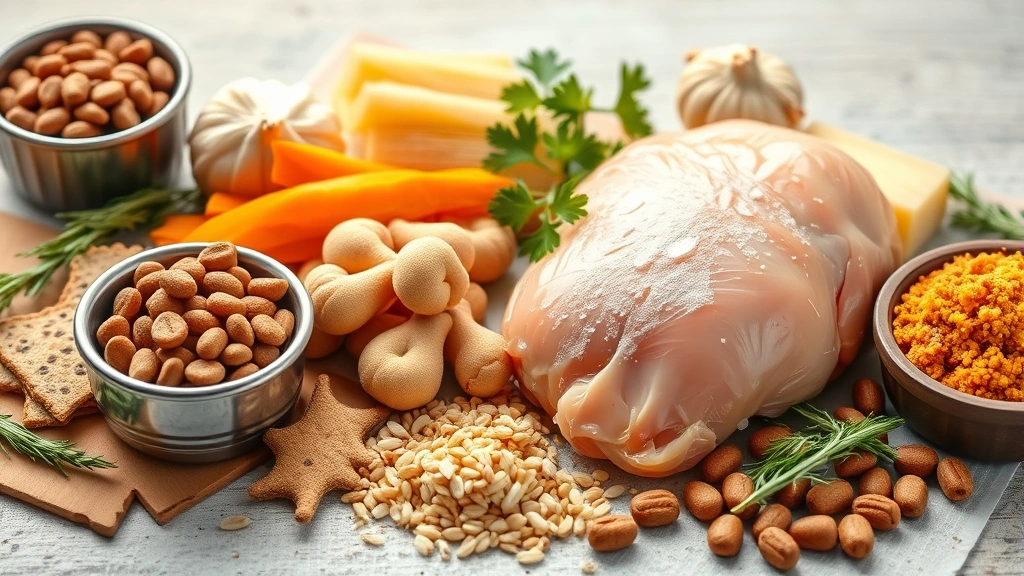
If you’re committed to grain-free feeding, supplementation can fill nutritional gaps. This is especially true if you’re feeding a homemade grain-free diet. Pet supplement starter kits can provide a foundation of essential vitamins and minerals.
Consider adding:
- Omega-3 fatty acids for skin and coat health
- Probiotics for digestive support
- Taurine for cardiac health (especially for cats and certain dog breeds)
- Glucosamine and chondroitin for joint health in senior pets
Work with your vet to determine what your specific pet needs. Generic supplementation isn’t always better—targeted supplementation based on your pet’s health status is what actually makes a difference.
Cost Considerations for Grain-Free Feeding Schedules
Let’s be real: grain-free pet food costs more. Sometimes significantly more. A premium grain-free formula can cost 50-100% more than standard grain-inclusive options.
If budget is a concern, you don’t have to completely abandon grain-free principles. Some pets do fine with limited-ingredient diets that include grains but avoid other potential allergens. You could also explore budget-friendly pet supplements to support a mid-range diet rather than going premium on everything.
The most expensive food means nothing if you can’t sustain it long-term. A consistent, affordable diet that your pet tolerates well beats an expensive grain-free food you can only afford for three months.
Common Mistakes in Grain-Free Feeding Schedules
After years of vet tech experience, I’ve seen these mistakes repeatedly:
- Switching too quickly: Digestive upset city. Slow transitions are non-negotiable.
- Ignoring portion sizes: Grain-free doesn’t mean unlimited. Your pet can still get fat.
- Choosing by marketing hype: “Natural,” “ancestral,” and “premium” don’t mean anything nutritionally. Check ingredient quality instead.
- Neglecting vet input: Your vet knows your pet’s health history. Their opinion matters more than internet strangers (including me).
- Assuming grain-free = healthy: A grain-free diet filled with by-products and fillers is worse than a quality grain-inclusive diet.
- Not monitoring health changes: Set a timeline (4-6 weeks) to evaluate whether the change is actually beneficial.
When Grain-Free Isn’t the Answer
Here’s the uncomfortable truth: grain-free isn’t right for every pet. Some dogs and cats do better with grains included. Signs that grain-free might not be working include:
- No improvement in allergy symptoms after 6 weeks
- Increased digestive issues
- Weight gain despite portion control
- Lethargy or reduced appetite
- Dull coat or skin problems
If you’re not seeing benefits, it’s okay to switch back. There’s no shame in admitting that grain-free wasn’t the right choice for your pet. Different pets have different needs, and what works for your neighbor’s Golden Retriever might be terrible for yours.
Creating Your Custom Grain-Free Feeding Schedule
Here’s how to build a grain-free feeding schedule tailored to your specific pet:
- Determine meal frequency: Adult dogs typically do well with 2 meals daily; puppies need 3-4; cats often benefit from 3-4 smaller meals
- Choose appropriate timing: Pick times you can stick to consistently (e.g., 7 AM and 6 PM)
- Calculate portions: Use feeding guidelines as a starting point, then adjust based on your pet’s body condition
- Select quality food: Look for meat as the first ingredient and avoid excessive legumes
- Plan supplementation: Identify any gaps and address them with targeted supplements
- Schedule monitoring: Set reminders to assess your pet’s health every 4-6 weeks
- Consult your vet: Get professional input before making major dietary changes
The pet longevity supplements you choose should complement your grain-free feeding schedule, not replace good nutrition.
Frequently Asked Questions
Is grain-free feeding better for all dogs?
No. While some dogs benefit from grain-free diets due to sensitivities or allergies, many dogs do perfectly fine with grains included. The best diet is one that keeps your specific dog healthy, maintains ideal body weight, and produces good digestive results. There’s no universal “best” option.

How long does it take to see results from a grain-free feeding schedule?
Most pets show noticeable changes within 4-6 weeks. Improvements in coat quality might take 8-12 weeks. If you’re not seeing any benefits after 6-8 weeks, the grain-free diet probably isn’t the right choice for your pet.
Can I mix grain-free and grain-inclusive foods?
You can, but it defeats the purpose if you’re feeding grain-free to address allergies or sensitivities. For general feeding, consistency matters more than mixing. Stick with one quality food rather than rotating constantly, as this can cause digestive upset.
What should I do if my pet has digestive issues on grain-free food?
First, ensure you transitioned slowly (7-10 days minimum). If issues persist after a proper transition, the food might not be right for your pet. Consider switching to a limited-ingredient grain-inclusive diet or consulting your vet about potential food allergies. Adding probiotics might also help during the transition.
Do cats need grain-free diets?
Cats are obligate carnivores and naturally eat very little carbohydrate. A high-protein, low-carb diet is ideal, whether it’s grain-free or not. Some grain-free cat foods are actually higher in carbs than quality grain-inclusive options, so focus on protein content rather than grain-free labels.
Is grain-free food more expensive?
Generally, yes. Premium grain-free formulas cost significantly more than standard options. However, you don’t necessarily need the most expensive food. A mid-range grain-free option that your pet tolerates well beats an expensive formula you can’t sustain long-term.
Can grain-free diets cause heart problems?
The research is ongoing, but some studies suggest a potential link between certain grain-free diets (particularly those very high in legumes) and taurine deficiency in some dog breeds. If you’re feeding grain-free, discuss taurine supplementation with your vet, especially if you have breeds prone to heart issues.
How do I know if my pet is thriving on their grain-free feeding schedule?
Look for a shiny coat, healthy energy levels, firm stools, ideal body weight, and no excessive itching or skin issues. If you can feel your pet’s ribs without pressing hard and they have a visible waist, they’re likely at a good weight. Trust these physical signs more than feeding guidelines on the bag.
Summary: Making Grain-Free Work for Your Pet
A grain-free feeding schedule can be excellent for some pets and unnecessary for others. The key is approaching it thoughtfully rather than jumping on trends. Start with a conversation with your vet, choose a quality food with meat as the primary ingredient, transition slowly, monitor your pet’s health closely, and be willing to adjust if things aren’t working.
Remember: the best diet is the one that keeps YOUR pet healthy, maintains ideal body weight, supports good digestion, and fits your budget long-term. Whether that’s grain-free or grain-inclusive doesn’t matter nearly as much as consistency, quality, and your pet’s individual response.
If you do choose grain-free feeding, consider supplementing strategically to fill any nutritional gaps. Your vet can help you identify what your specific pet needs and create a truly optimized nutrition plan that goes beyond just choosing a different kibble.





