
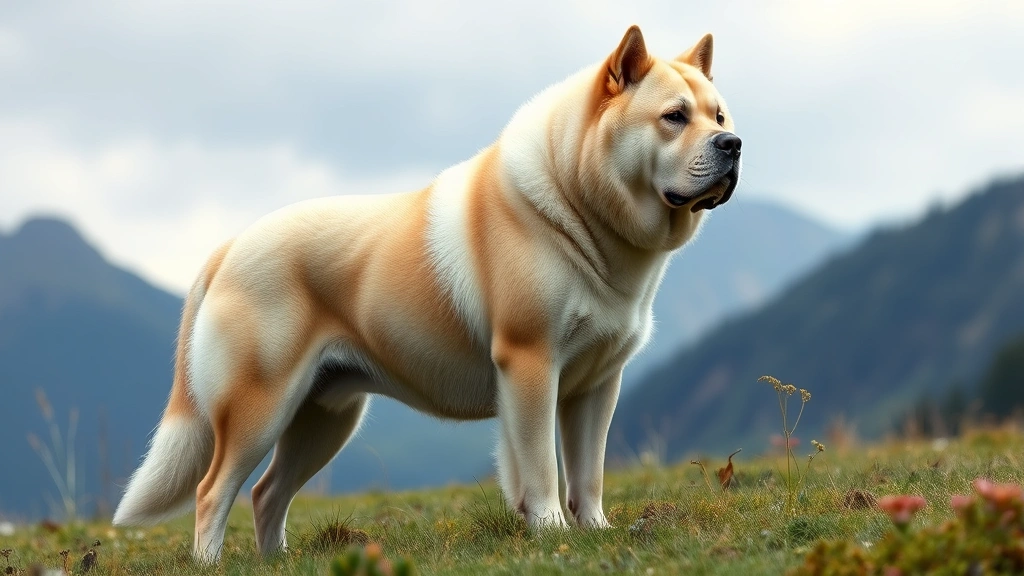
If you’re considering a great pyrenees anatolian shepherd dog mix, buckle up—you’re about to enter the world of one seriously impressive canine. This isn’t your average designer dog situation. You’re looking at a hybrid that combines two of the most powerful livestock guardian breeds on the planet, and the result is basically a furry mountain with a protective streak wider than a football field.
Table of Contents
- What Exactly Is a Great Pyrenees Anatolian Shepherd Mix?
- Size and Physical Characteristics You Need to Know
- Temperament: Guardian Instincts and Independent Thinking
- Training: The Challenge and the Reality Check
- Exercise and Activity Needs for Guardian Breeds
- Nutritional Needs and Energy Boosting Foods for Active Pets
- Health Concerns Specific to This Mix
- Grooming: The Commitment You Need to Understand
- Is This Mix Right for Your Living Situation?
- Cost Considerations: Financial Reality Check
- Frequently Asked Questions
- Final Thoughts: Is This the Right Dog for You?
What Exactly Is a Great Pyrenees Anatolian Shepherd Mix?
A great pyrenees anatolian shepherd dog mix is the offspring of two ancient guardian breeds that have been protecting flocks for literally thousands of years. The Great Pyrenees hails from the Pyrenees Mountains between France and Spain, while the Anatolian Shepherd comes from Turkey. When you mix these two, you get a dog that’s essentially bred to take on wolves, coyotes, and anything else that threatens the flock.
Both parent breeds are massive—we’re talking 80-150 pounds of pure muscle and loyalty. Your mix will likely fall somewhere in that range, though genetics can be wonderfully unpredictable. These dogs have independent minds, strong prey drives, and an almost supernatural ability to assess threats. They’re not lap dogs. They’re not even “regular” dogs, honestly.
Size and Physical Characteristics You Need to Know
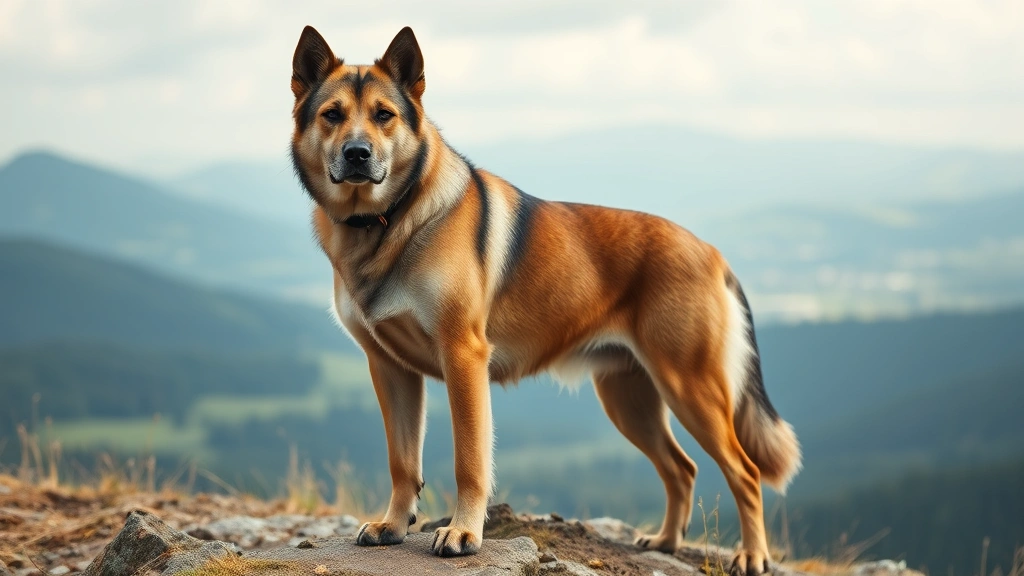
Expect your great pyrenees anatolian shepherd dog mix to be a genuinely large breed. Most will stand 24-32 inches at the shoulder and weigh anywhere from 80-150 pounds when fully grown. Some can even exceed that, depending on which parent breed genes dominate.
Physically, you’re looking at a dog with a broad, muscular build, a thick double coat (prepare for shedding that rivals a snowstorm), and often a lighter coloring inherited from the Pyrenees side mixed with the Anatolian’s fawn or brindle patterns. Their heads are substantial, their chests are barrel-like, and their paws are legitimately the size of small tennis balls.
The coat is typically medium to long, incredibly dense, and requires serious grooming commitment. These dogs were designed to withstand harsh mountain weather, so their fur is essentially armor. During shedding season, you’ll find enough hair to knit a second dog.
Temperament: Guardian Instincts and Independent Thinking
Here’s where things get real: a great pyrenees anatolian shepherd dog mix has been genetically programmed for thousands of years to make independent decisions about protecting livestock. This means they’re not naturally inclined to obey commands just because you said so. They think for themselves. They assess situations. They decide what’s a threat.
This is amazing if you have actual livestock to protect. It’s challenging if you live in a suburban neighborhood and your dog decides the mail carrier is a threat that requires a 130-pound response. Both parent breeds are incredibly loyal to their families but reserved with strangers. They’re not aggressive by nature—they’re protective, which is subtly different.
Anatolian Shepherd traits include intense loyalty, territorial behavior, and a calm but alert demeanor. Great Pyrenees add a slightly more gentle, patient energy while maintaining that same protective instinct. Your mix will likely be affectionate with family, patient with children (though supervision is essential with any dog this size), and deeply suspicious of anything unusual in their territory.
Training: The Challenge and the Reality Check
Training a great pyrenees anatolian shepherd dog mix requires patience, consistency, and realistic expectations. These aren’t dogs that live to please you. They live to protect you, which is different. They’ll do what you ask if they agree it’s a reasonable request. If they don’t agree, well, good luck.
Start socialization early—and I mean early. Get your puppy exposed to different people, environments, and situations before their protective instincts fully kick in. Positive reinforcement works better than punishment-based methods. These dogs respond to respect, not intimidation.

Basic obedience is non-negotiable. A 130-pound dog that doesn’t respond to “come” or “leave it” is a liability. Consider working with a trainer experienced in livestock guardian breeds. Your typical dog trainer might not understand the unique mindset of these animals.
Exercise and Activity Needs for Guardian Breeds
Despite their size, great pyrenees anatolian shepherd dog mixes don’t require excessive exercise like a Border Collie might. However, they do need regular movement and mental stimulation. These dogs were bred to patrol large territories, so they appreciate having space to roam and a job to do.
Aim for at least 1-2 hours of activity daily, though this can be lower-key than you’d expect. A long walk, some playtime, and access to a securely fenced yard are usually sufficient. If you have actual livestock or land to protect, they’ll self-exercise through their guardian duties.
Mental stimulation is equally important. These dogs think constantly about their environment and perceived threats. Puzzle toys, training sessions, and varied environments help keep them engaged and less likely to develop destructive behaviors born from boredom.
Nutritional Needs and Energy Boosting Foods for Active Pets
Feeding a 100+ pound dog isn’t cheap, and a great pyrenees anatolian shepherd dog mix will need high-quality nutrition to maintain their impressive physique and support joint health. Look for dog foods with adequate protein (at least 25-30%) and healthy fats.
Giant breed puppies require special consideration to prevent developmental orthopedic disease. Use a large or giant breed puppy formula, and avoid overfeeding—yes, even when those puppy eyes are looking at you like you’re personally responsible for world hunger.
Consider skin and coat health foods to support their dense double coat. Omega fatty acids from fish oil can help reduce shedding and promote a healthy coat. Some owners also incorporate collagen for dogs to support joint health, especially important for large breeds prone to hip dysplasia.
Anti-inflammatory foods for pets can be beneficial as these dogs age, helping maintain mobility and joint comfort.
Health Concerns Specific to This Mix
Both Great Pyrenees and Anatolian Shepherds are generally healthy breeds, but they do share some predispositions. Hip dysplasia is common in large breeds, so get health screening done before breeding and be aware of symptoms like limping or difficulty rising.
Bloat (gastric dilatation-volvulus) is a serious concern for deep-chested dogs. Symptoms include a distended abdomen, excessive drooling, and restlessness. This is a medical emergency. Feed multiple smaller meals rather than one large meal, and avoid exercise immediately after eating.
Elbow dysplasia, heart issues, and eye problems can occur. Work with a responsible breeder who conducts health testing on parent dogs. Ask for documentation of OFA (Orthopedic Foundation for Animals) certifications.
The thick coat can hide skin issues, so regular grooming and inspection help catch problems early. These dogs can be prone to ear infections due to their floppy ear structure, so regular cleaning is important.
Grooming: The Commitment You Need to Understand
Grooming a great pyrenees anatolian shepherd dog mix isn’t optional—it’s essential. These dogs shed year-round, with massive seasonal blowouts twice yearly where they essentially replace their entire coat.
Invest in a high-quality slicker brush, an undercoat rake, and a deshedding tool. Brush at least 3-4 times weekly during normal shedding and daily during seasonal blowouts. Yes, daily. Your vacuum will become your best friend.
Bathe them monthly or as needed, using a dog-specific shampoo. Their double coat takes forever to dry—consider a high-velocity dryer to speed up the process and help remove loose undercoat.
Don’t shave them. I know it seems logical for a dog that sheds this much, but their coat serves as insulation and UV protection. Shaving can damage the coat permanently and disrupt their temperature regulation.
Is This Mix Right for Your Living Situation?
A great pyrenees anatolian shepherd dog mix isn’t suitable for apartment living or small properties. These dogs need space. They need to patrol. They need to feel like they have a territory to protect. Keeping one confined to a small space is like asking a professional athlete to sit in a closet—technically possible, but unfair and likely to result in problems.
Ideally, you have a securely fenced property (and I mean seriously secure—these dogs can be escape artists when bored). A rural setting with actual livestock is perfect. Suburban properties can work if you’re committed to exercise, training, and management.
Consider your neighbors. These dogs bark. They bark to alert you to threats, to communicate with their pack, and sometimes just because a leaf moved. If you live in a neighborhood where barking will cause conflict, this might not be your breed.
Cost Considerations: Financial Reality Check
Purchasing a great pyrenees anatolian shepherd dog mix from a responsible breeder typically costs $800-2,000. Adoption might be cheaper if you find one through a breed-specific rescue.
But purchase price is just the beginning. Food costs for a 100+ pound dog can run $50-100+ monthly. Veterinary care, including preventive screening and emergency visits, adds up quickly. Grooming supplies and professional grooming can cost hundreds annually.
Health issues common to large breeds can result in expensive surgeries or long-term treatments. Budget for potential bloat surgery ($1,500-3,000), hip dysplasia treatment, or other breed-related conditions.
Frequently Asked Questions
Are Great Pyrenees Anatolian Shepherd mixes good family dogs?
They can be excellent family dogs for the right family. They’re loyal, patient with children, and naturally protective. However, their size and independent nature require experienced dog owners who understand guardian breed temperament. Supervision with young children is essential simply due to their size.
How long do these dogs live?
Great Pyrenees typically live 10-12 years, while Anatolian Shepherds live 11-13 years. Your mix will likely have a similar lifespan, though individual dogs vary. Proper nutrition, exercise, and veterinary care support longevity.
Can they live with other pets?
With proper socialization, yes. They can coexist with other dogs and cats, especially if raised together. Their prey drive means they shouldn’t be trusted with small animals like rabbits or chickens unless specifically trained. Livestock guardian instincts mean they might view smaller animals as part of their flock to protect or, conversely, as prey.
Do they get along with strangers?
Not particularly. Both parent breeds are reserved with strangers and protective of their families. They’re not aggressive, but they’re definitely not golden retrievers who think everyone is their friend. Early socialization helps, but expect a naturally cautious dog.
What’s the difference between this mix and purebred parents?
Mixes can be unpredictable—you might get more Pyrenees temperament or more Anatolian traits. Health benefits from hybrid vigor are possible but not guaranteed. Responsible breeders health-test parents regardless of breed.
Are they suitable for first-time dog owners?
Honestly? Probably not. These dogs require experience with large breeds and understanding of guardian breed psychology. A first-time owner would benefit from starting with a more biddable breed.
Final Thoughts: Is This the Right Dog for You?
A great pyrenees anatolian shepherd dog mix is an incredible dog for the right situation. They’re loyal beyond measure, naturally protective without being aggressive, and genuinely impressive animals. But they’re not for everyone, and that’s okay.
Be honest with yourself about your living situation, experience level, and commitment to training and grooming. These dogs deserve owners who understand what they are and appreciate their unique qualities rather than trying to force them into a mold designed for other breeds.
If you have land, experience with large breeds, and genuinely need a livestock guardian, this mix might be perfect. If you’re looking for an obedient companion who lives to please you, keep looking. If you’re somewhere in between, do serious research and consider working with breed-specific rescues to understand these dogs better before committing.
You might also be interested in learning about other unique dog breeds like the Carolina Dog Breed or the Coonhound Dog if you’re exploring different guardian and working breed options.
The right dog for you exists—it just might not be a great pyrenees anatolian shepherd dog mix. And that’s perfectly fine.





