
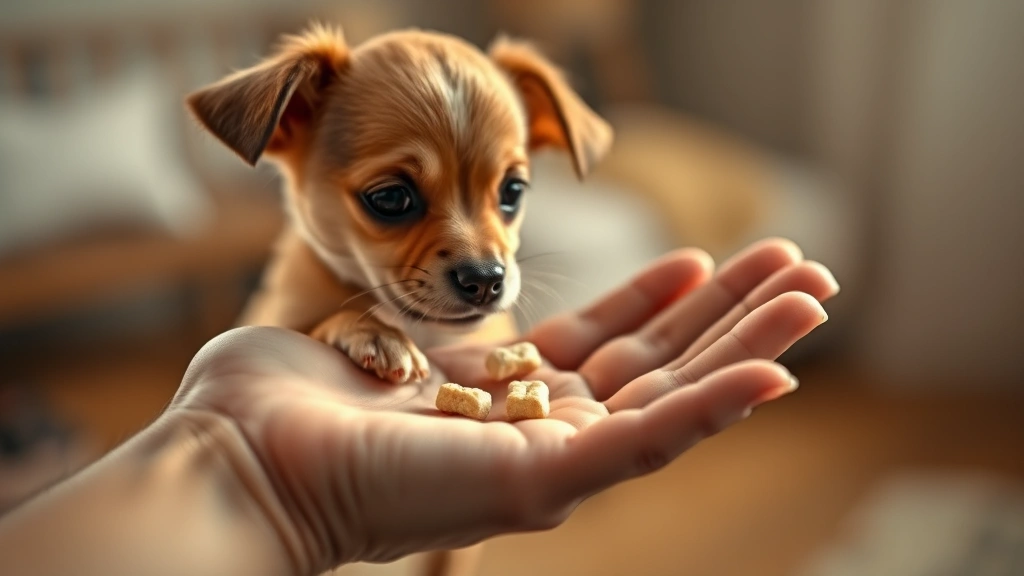
Hand feeding techniques are one of the most underrated ways to strengthen your relationship with your furry best friend while making mealtime genuinely fun. Forget the boring bowl-on-the-floor routine—we’re talking about turning feeding time into quality bonding moments that’ll make your pet think you’re basically a superhero. Whether you’ve got a picky eater, a nervous rescue, or just want to deepen your connection, hand feeding is where the magic happens.
Table of Contents
- Why Hand Feeding Techniques Matter More Than You Think
- Tip #1: Start Slow With High-Value Treats
- Tip #2: Use Hand Feeding During Training Sessions
- Tip #3: Master the Gentle Palm Presentation Technique
- Tip #4: Incorporate Hand Feeding Into Your Daily Routine
- Tip #5: Combine Hand Feeding With Interactive Feeding Methods
- Hand Feeding Techniques for Different Pet Types
- Common Mistakes to Avoid With Hand Feeding Techniques
- Health Benefits Beyond Bonding
- Creating a Safe Hand Feeding Environment
- Frequently Asked Questions
- Summary: Making Hand Feeding Techniques Work for You
Why Hand Feeding Techniques Matter More Than You Think
Here’s the thing: when you use hand feeding techniques, you’re not just putting food in your pet’s mouth. You’re building trust, establishing yourself as a source of good things, and creating positive associations that last a lifetime. Dogs and cats both respond to the intimacy of hand feeding—it triggers their natural bonding instincts and makes them feel secure. Plus, it’s a sneaky way to monitor their appetite and dental health without making a big fuss about it.
Studies from veterinary behaviorists show that hand feeding can reduce anxiety in shelter animals and help them acclimate to new homes faster. It’s basically therapy disguised as snack time.
Tip #1: Start Slow With High-Value Treats
The golden rule of hand feeding techniques for beginners? Start with treats your pet absolutely loses their mind over. We’re talking about the good stuff—real chicken, cheese, salmon, whatever makes their eyes go wide. Don’t start with kibble unless your pet is already bonded to you; save that for later when they’re comfortable.
Hold the treat in your open palm, fingers relaxed and slightly curved. Let them lick it off rather than snapping it from your hand—this teaches gentleness and prevents accidental nips. If your pet is food-aggressive, consult a professional trainer before attempting hand feeding. Safety first, bonding second.
The beauty of this approach is that it works for puppies, adult dogs, cats, and even nervous rescues. A few minutes of this daily builds incredible rapport.
Tip #2: Use Hand Feeding During Training Sessions
Hand feeding techniques double as an excellent training tool. Instead of tossing treats into a bowl, use them as rewards during obedience work. Your pet learns that you’re the reward dispenser, which makes them more focused on you during training.
This is where feeding enrichment toys come into play—you can combine hand feeding with puzzle toys to create a multi-sensory learning experience. Hand feed a few pieces, then let them work on an enrichment toy, then back to hand feeding. It keeps them mentally engaged and deeply bonded to you.
Pro tip: use your hand feeding sessions right before or after short training bursts (5-10 minutes) when your pet’s brain is primed for learning.
Tip #3: Master the Gentle Palm Presentation Technique
The way you present food matters just as much as what you’re presenting. Open your hand flat, fingers together and relaxed, and let your pet take the food at their own pace. This non-threatening approach is crucial for anxious pets or those with a history of trauma.
Never force your pet to take food from your hand, and never make sudden movements. If they seem hesitant, back off and try again in a few minutes. Some pets need time to build confidence with hand feeding techniques, and that’s perfectly normal.
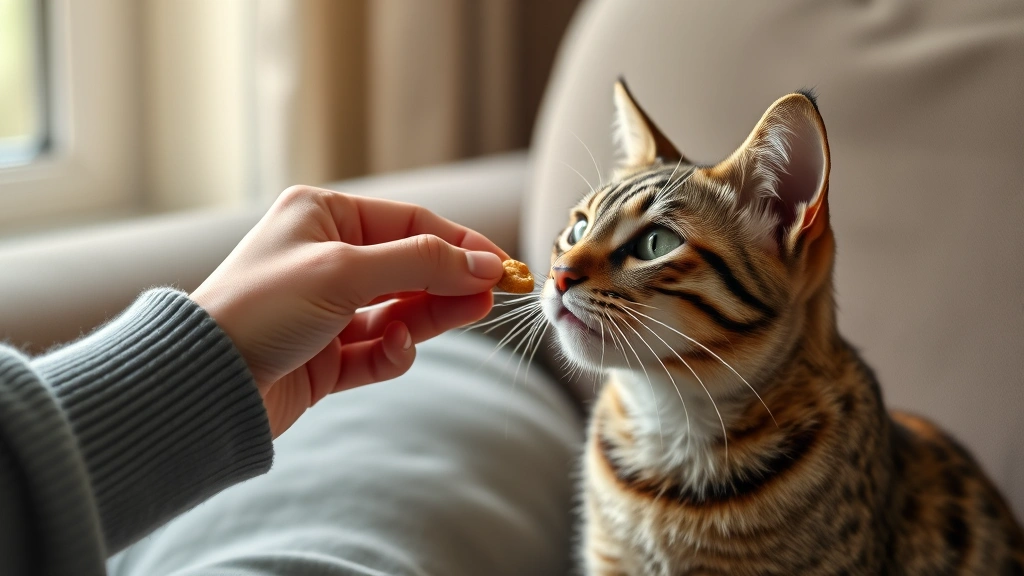
For cats especially, the gentle approach is essential. They’re more independent eaters and appreciate the choice. Let them sniff your hand first, then take the food when they’re ready. This builds trust slowly but surely.
Tip #4: Incorporate Hand Feeding Into Your Daily Routine
The most effective hand feeding techniques are the ones you actually stick with. Dedicate 5-10 minutes daily to hand feeding your pet—maybe during your morning coffee, after work, or before bedtime. Consistency creates predictability, and predictability creates security.
You can hand feed part of their regular meals instead of using a bowl. This is especially useful for feeding puppies multiple times throughout the day—each session becomes a bonding opportunity. For adult dogs and cats, hand feeding just a portion of their daily calories works brilliantly.
Make it a ritual. Your pet will start anticipating these moments and get genuinely excited when they see you reaching for their food. That’s the good stuff right there.
Tip #5: Combine Hand Feeding With Interactive Feeding Methods
Don’t limit yourself to just open-palm feeding. Mix things up by using hand feeding techniques alongside Kong feeding routines and other interactive methods. Hand feed a few pieces, then let them lick a Kong, then back to hand feeding. This variety keeps mealtime exciting and prevents boredom.
You can also try hand feeding while your pet is in different positions—sitting, lying down, standing. This teaches them that good things come from your hand regardless of context, which is incredibly valuable for behavioral training.
For multi-pet households, hand feeding one pet at a time also prevents resource guarding and ensures each animal gets individual attention. Win-win.
Hand Feeding Techniques for Different Pet Types
Dogs respond enthusiastically to hand feeding because they’re pack animals who crave direct interaction. Start with treats, progress to kibble, and watch their bond with you deepen. Puppies especially benefit from early hand feeding—it imprints you as their primary caregiver.
Cats are trickier but incredibly rewarding. They’re less food-motivated on average, but hand feeding shows them you respect their independence. Use smaller portions and let them control the pace. Senior cats often appreciate hand feeding because it requires less effort than eating from a bowl.
Rabbits and other small pets also respond well to hand feeding, though you’ll need to be extra gentle. Use tiny pieces and let them nibble from your hand at their leisure.
Common Mistakes to Avoid With Hand Feeding Techniques
Don’t use hand feeding as a substitute for proper nutrition. You’re supplementing their diet, not replacing it entirely. Most pets should still eat from a bowl at least once daily to maintain normal feeding behaviors.
Avoid hand feeding if your pet shows any signs of food aggression without professional guidance first. You don’t want to accidentally reinforce aggressive behavior or get bitten. A certified animal behaviorist can help you modify food-aggressive behavior safely.
Don’t make hand feeding a reward for jumping, begging, or other unwanted behaviors. You’re trying to build good associations, not bad habits. Only hand feed when your pet is calm and following basic commands.
Never hand feed while your pet is overly excited or aroused. Wait for them to settle down first. This teaches them that calm behavior gets rewards, which is perfect for obedience training.
Health Benefits Beyond Bonding
Hand feeding techniques offer surprising health advantages. You can monitor your pet’s appetite changes immediately—if they’re suddenly less interested in treats from your hand, something might be off. Early appetite changes can indicate health issues, so catching them matters.
You also get better control over portion sizes. Hand feeding prevents overeating because you’re consciously dispensing each piece. This is especially useful for weight management in older pets or those prone to obesity.
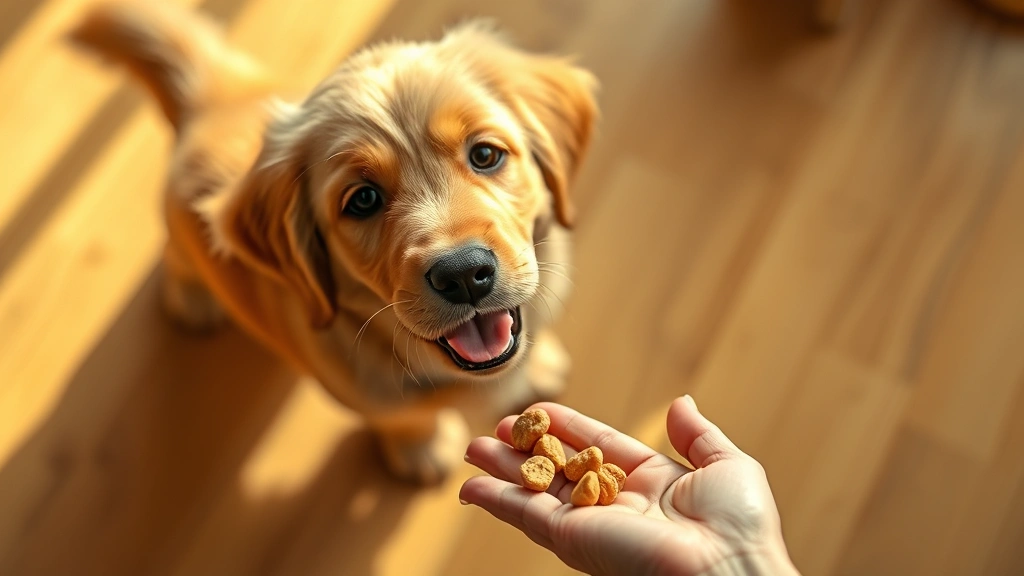
According to the American Kennel Club, hand feeding can reduce stress-related behaviors in dogs, including destructive chewing and excessive barking. It’s basically behavioral medicine in treat form.
Creating a Safe Hand Feeding Environment
Choose a quiet, distraction-free space for hand feeding sessions. Your pet should focus on you and the experience, not on other pets, toys, or household chaos. This is why many people use hand feeding during one-on-one training time.
Wash your hands before and after hand feeding, especially if you’re dealing with multiple pets. This prevents disease transmission and keeps everyone healthy.
If you’re hiding pills in food, hand feeding is actually an excellent method. You can hide medication in a high-value treat and hand feed it to ensure they consume it completely. Just check with your vet first about which foods are safe for medication delivery.
Frequently Asked Questions
Is hand feeding bad for dogs?
No, hand feeding is excellent for dogs when done correctly. It builds trust, strengthens bonding, and can improve training outcomes. The only concern is if your dog shows food aggression, in which case you should work with a professional trainer before attempting hand feeding.
Can I hand feed my cat?
Absolutely. Cats respond well to hand feeding, though they’re typically less enthusiastic than dogs. Use small portions, respect their pace, and let them approach your hand on their terms. It’s a wonderful way to bond with independent felines.
How often should I hand feed my pet?
Daily hand feeding sessions of 5-10 minutes work best. You can hand feed a portion of their regular meals or use treats. Consistency matters more than duration—a short daily session beats sporadic longer sessions.
What’s the best age to start hand feeding?
You can start hand feeding puppies and kittens as soon as they’re eating solid food. For adult pets or rescues, there’s no age limit. Even senior pets benefit from hand feeding and the bonding it creates.
Does hand feeding cause dependency?
No. Hand feeding supplements their regular diet; it doesn’t replace it. Your pet will continue eating from a bowl normally while also enjoying hand feeding sessions. It’s an addition, not a replacement.
Can hand feeding help with anxiety?
Yes. Hand feeding creates positive associations and shows anxious pets that you’re a safe, predictable source of good things. It’s particularly helpful for rescue animals adjusting to new homes. According to PetMD, hand feeding is recommended as part of anxiety reduction protocols for shelter animals.
Summary: Making Hand Feeding Techniques Work for You
Hand feeding techniques are simple, effective, and genuinely fun. Start with high-value treats, use an open palm, and make it a daily ritual. Whether you’ve got a puppy, an anxious rescue, a picky eater, or just want to deepen your bond, hand feeding delivers real results.
The beauty of these techniques is that they work across all pet types and ages. You’re not just feeding your pet; you’re communicating trust, building confidence, and creating memories. Plus, you get the bonus of monitoring their health and controlling portions without making it obvious.
So grab some treats, open your hand, and start bonding. Your pet is going to love you even more than they already do, and honestly, that’s the whole point.





