

A hands free dog leash is basically the holy grail of dog walking gear—it’s like discovering your dog can suddenly make their own breakfast while you enjoy your morning coffee without a furry anchor attached to your wrist. Whether you’re a jogger, cyclist, or just someone who’d like to use both hands for things other than dog wrangling, these innovative leashes will change your life (or at least your daily walk routine).
Table of Contents
- What Exactly Is a Hands Free Dog Leash?
- Why Dog Owners Are Ditching Traditional Leashes
- Best Hands Free Dog Leash Options for Different Lifestyles
- Key Features to Look For in a Quality Hands Free Dog Leash
- Hands Free Dog Leash Styles: Waist vs. Chest vs. Shoulder
- Training Your Dog to Use a Hands Free Dog Leash
- Maintenance and Care for Your Hands Free Dog Leash
- Environmental and Ethical Considerations
- Common Mistakes People Make With Hands Free Dog Leashes
- Cost Comparison: Budget vs. Premium Options
- Frequently Asked Questions
- Summary: Finding Your Perfect Hands Free Dog Leash
What Exactly Is a Hands Free Dog Leash?
A hands free dog leash is a specially designed leash system that attaches to your waist, belt, or body rather than requiring you to hold it in your hand. Think of it as giving your dog a longer leash on life—literally. These leashes come in various styles, from waist belts to chest harnesses, and they’re engineered to keep your pup secure while freeing up your hands for other activities like holding your phone, pushing a stroller, or just swinging your arms like a normal human being.
The beauty of a hands free dog leash is that it distributes your dog’s pulling force across your body instead of straining your arm and shoulder. If you’ve ever felt like your dog was trying to drag you to the moon, you understand why this matters.
Why Dog Owners Are Ditching Traditional Leashes
Let’s be real: holding a leash in one hand while your dog decides to chase every squirrel, leaf, and imaginary ghost is exhausting. A hands free dog leash solves multiple problems simultaneously. First, it prevents arm fatigue and repetitive strain injuries. Second, it gives you better balance and control, especially if your pup is a strong puller. Third—and this is crucial—it lets you actually enjoy your walk instead of playing tug-of-war for 30 minutes.
Dog owners who’ve made the switch report feeling more confident, less stressed, and actually able to multitask during walks. You can take photos, adjust your jacket, or even eat a snack without your dog interpreting these moments as an invitation to drag you toward the nearest tree.
Best Hands Free Dog Leash Options for Different Lifestyles
Not all hands free dog leashes are created equal. Your choice depends on your lifestyle, your dog’s size, and how active you plan to be during walks.
1. Waist Belt Leashes for Casual Walkers
The classic waist belt hands free dog leash is perfect for leisurely neighborhood strolls. These attach around your waist with a padded belt and feature a retractable or fixed-length leash. The advantage? Minimal fuss and maximum comfort. The disadvantage? They work best with dogs under 50 pounds who aren’t aggressive pullers. Check out resources on eco-conscious pet owners for sustainable options in this category.
2. Chest Harness Systems for Active Dogs
If your dog thinks they’re a sled dog, a chest harness hands free dog leash is your answer. These distribute pulling force across your torso and often include shock-absorbing technology. They’re ideal for hiking, trail running, or walking energetic breeds. The trade-off is that they’re bulkier and require proper fitting to work correctly.
3. Hands Free Jogging Leashes for Runners
Joggers and runners swear by specialized hands free dog leash designs that keep your pup at a consistent pace alongside you. These often feature bungee cords that absorb impact and prevent your dog from suddenly stopping or lunging. They’re engineered for speed and safety, making them perfect for active owners with athletic dogs.
Key Features to Look For in a Quality Hands Free Dog Leash
Before dropping your hard-earned cash, know what separates the good from the mediocre. A quality hands free dog leash should have:
- Padded waist or chest support to prevent discomfort during extended wear
- Reflective materials for visibility during dawn or dusk walks
- Adjustable attachment points to accommodate different dog sizes and pulling styles
- Durable hardware with carabiners or clasps rated for your dog’s weight
- Shock absorption technology to reduce strain on both you and your pup
According to the American Kennel Club, proper leash equipment is essential for both dog safety and owner control, especially in urban environments.
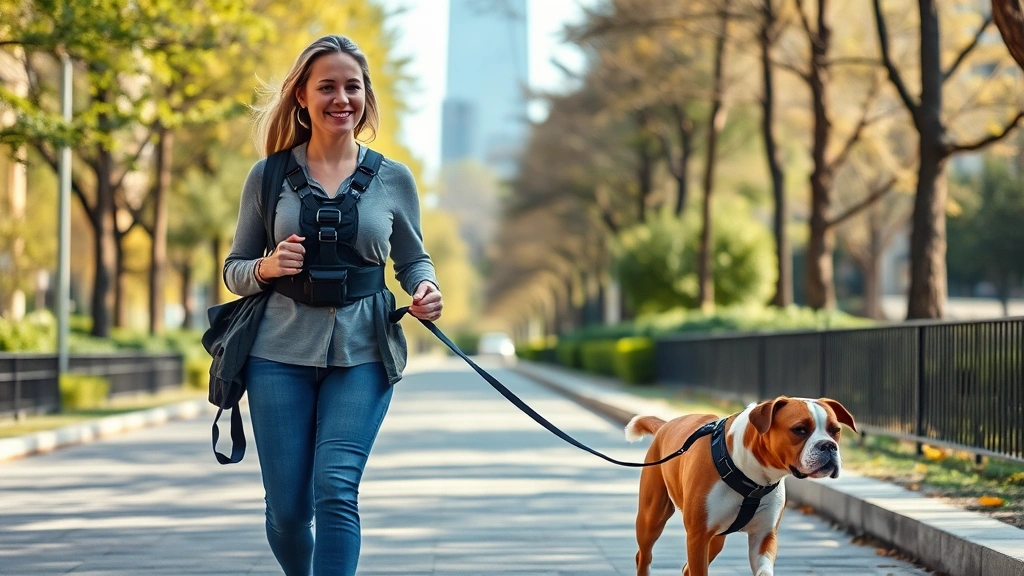
Hands Free Dog Leash Styles: Waist vs. Chest vs. Shoulder
The attachment point matters more than you’d think. Waist-mounted hands free dog leash systems are lightweight and discreet but put stress on your lower back if your dog pulls hard. Chest-mounted systems distribute force more evenly and are better for larger dogs. Shoulder-style leashes are less common but offer excellent control for dogs prone to lunging.
Your choice should depend on your dog’s size, strength, and behavior. A 15-pound Beagle and a 90-pound German Shepherd have very different leashing needs. That’s why PetMD recommends matching your leash equipment to your individual dog’s characteristics.
Training Your Dog to Use a Hands Free Dog Leash
Just because you’ve got the gear doesn’t mean your dog automatically knows how to behave. Introduce the hands free dog leash gradually. Start with short walks in low-distraction environments. Reward your dog for walking calmly beside you. Most dogs adapt within a week or two, though stubborn pullers might need more patience and positive reinforcement.
The transition from a traditional leash to a hands free dog leash system is usually smooth, especially if you pair it with treats and encouragement. Your dog doesn’t care how the leash is attached—they care about where they’re going and whether they’re getting treats.
Maintenance and Care for Your Hands Free Dog Leash
A hands free dog leash is an investment, so treat it like one. Wash padded sections regularly to prevent odor buildup. Check carabiners and attachment points monthly for wear. Store it in a dry place away from direct sunlight, which can degrade synthetic materials. Most quality hands free dog leash systems last 3-5 years with proper care, making them cost-effective compared to replacing worn-out traditional leashes every year.
Environmental and Ethical Considerations
If you’re concerned about sustainability, look for hands free dog leash brands using recycled materials or eco-friendly manufacturing processes. Many planet friendly pet brands now offer hands free dog leash options made from sustainable materials. Additionally, explore cruelty-free pet supplies to ensure your leash purchase aligns with your values.
According to The Humane Society, proper leashing equipment reduces stress on dogs and improves their overall walking experience, which is both ethical and practical.
Common Mistakes People Make With Hands Free Dog Leashes
Even with the best equipment, people mess up. The most common mistake? Assuming a hands free dog leash means you can ignore your dog completely. You still need to watch for hazards, other dogs, and cars. Another mistake is buying the wrong size or attachment style for your dog’s needs. A 100-pound Labrador needs different gear than a 20-pound Corgi.
Don’t assume your dog will automatically walk perfectly just because the leash is hands-free. Training and attention are still required. The hands free dog leash is a tool, not a magic wand.
Cost Comparison: Budget vs. Premium Options
Budget hands free dog leash options run $20-40 and work fine for small, well-behaved dogs. Mid-range options ($40-80) offer better padding and durability. Premium systems ($80-150+) include advanced features like shock absorption and weather-resistant materials. For most dog owners, a mid-range hands free dog leash offers the best value. You’re not paying for unnecessary bells and whistles, but you’re also not settling for equipment that’ll fall apart in six months.

Think of it like buying shoes: cheap ones hurt your feet, expensive ones are overkill for casual wear, but mid-range options are just right.
Frequently Asked Questions
Can I use a hands free dog leash with any dog breed?
Most dog breeds can use a hands free dog leash, but very large or extremely strong pullers might need specialized equipment. Always check weight limits and choose the appropriate attachment style for your dog’s size and strength. Consult your veterinarian if you have concerns about your specific dog.
Are hands free dog leashes safe?
Yes, when used correctly, a hands free dog leash is very safe. However, you still need to maintain control and awareness during walks. Don’t use them as an excuse to ignore your dog or stop paying attention to your surroundings. Safety depends on responsible use.
What’s the difference between a hands free dog leash and a harness?
A hands free dog leash is specifically designed to attach to your body rather than be held in your hand. A harness is worn by the dog and can be used with either a traditional handheld leash or a hands free dog leash system. Many hands free options include harness components for better control.
How long does it take for a dog to adjust to a hands free dog leash?
Most dogs adjust within 1-2 weeks with consistent use and positive reinforcement. Some dogs take longer, especially if they’re used to traditional leashes. Be patient and celebrate small victories.
Can I use a hands free dog leash for running?
Absolutely! Many hands free dog leash systems are specifically designed for running. Look for models with shock-absorbing technology and adjustable attachment points. Make sure your dog is physically capable of running before attempting this activity.
What if my dog is a strong puller?
For strong pullers, choose a hands free dog leash with chest or torso attachment points rather than waist-only designs. Consider models with shock absorption. Additionally, work on leash training to teach your dog not to pull. A combination of proper equipment and training is most effective.
Summary: Finding Your Perfect Hands Free Dog Leash
A hands free dog leash transforms your walking experience from a wrestling match into an actual enjoyable activity. Whether you’re a jogger, casual walker, or someone with an energetic pup, there’s a hands free dog leash style perfect for your lifestyle. Start by assessing your dog’s size, strength, and behavior. Choose equipment appropriate for these factors. Invest in quality over quantity—a good hands free dog leash lasts years and makes every walk better. Most importantly, remember that the leash is a tool, not a replacement for training and attention. Combine proper equipment with consistent training, and you’ll have the most pleasant walks of your life. Your dog gets exercise and stimulation, you get freedom and comfort, and everyone wins. That’s the hands free dog leash promise.





