
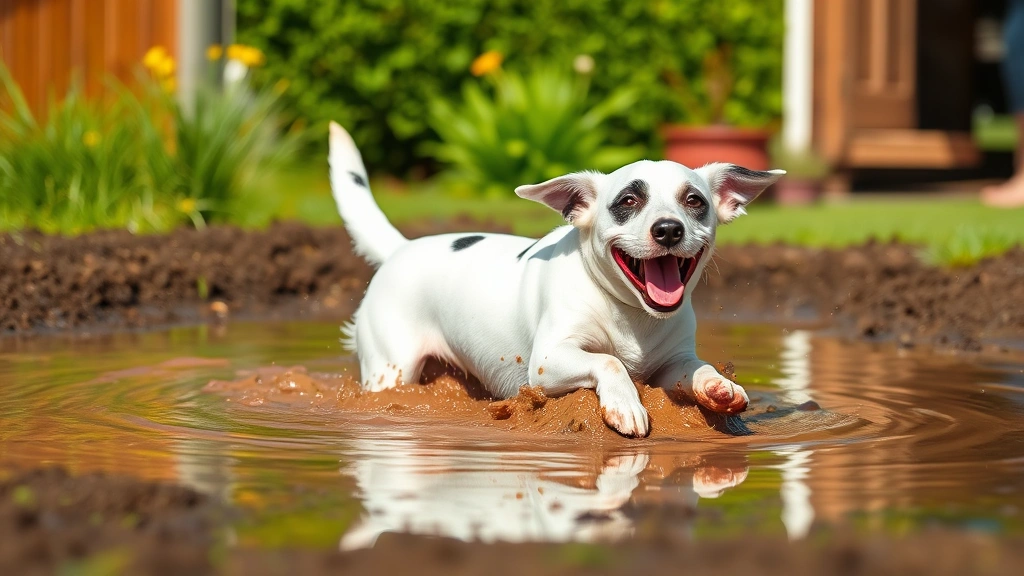
Harry the Dirty Dog isn’t just a beloved children’s book character—he’s become a cultural icon that perfectly captures the messy, joyful reality of dog ownership. If you’re a pet parent who’s ever chased your pup around the yard with a hose or watched in horror as your freshly groomed furry friend dove headfirst into a mud puddle, then you already know Harry’s story by heart.
Table of Contents
- Who Is Harry the Dirty Dog? Understanding the Classic Character
- Why Dogs Get So Dirty: The Canine Perspective
- Grooming Tips for Your Real-Life Harry the Dirty Dog
- The Health Benefits of Keeping Your Dirty Dog Clean
- Nutrition for Your Active, Adventurous Pup
- Breed Considerations: Which Dogs Are Natural Harrys?
- The Emotional Connection: Why We Love Our Dirty Dogs
- Teaching Your Dog to Tolerate Grooming Like a Pro
- Seasonal Dirty Dog Challenges
- Common Grooming Mistakes Pet Parents Make
- Frequently Asked Questions
- The Legacy of Harry the Dirty Dog in Modern Pet Culture
- Creating a Dog-Friendly Home for Your Adventurous Pup
- Summary: Embracing Your Dog’s Inner Harry
Who Is Harry the Dirty Dog? Understanding the Classic Character
Harry the Dirty Dog, created by Gene Zion and illustrated by Margaret Bloy Graham, first appeared in 1956 and has been making dog lovers laugh ever since. This iconic pup is a white dog with black spots who becomes so filthy that he transforms into a black dog with white spots. The brilliance of Harry’s character lies in his authenticity—he’s not some perfectly groomed show dog. He’s real, he’s messy, and he’s absolutely lovable.
The story follows Harry as he avoids his bath by running away from home, only to realize that adventure and freedom aren’t worth missing out on his family. It’s a timeless tale that resonates with both children and adults who understand the genuine bond between humans and their four-legged companions.
Why Dogs Get So Dirty: The Canine Perspective
Here’s the thing: dogs aren’t trying to ruin your day when they get dirty. They’re following their natural instincts. Your pup’s obsession with mud, dirt, and mysterious substances isn’t personal—it’s biological. Dogs roll in mud for several legitimate reasons, including temperature regulation, camouflage (even domesticated dogs retain some wild instincts), and scent masking.
Understanding why your dog mimics Harry’s muddy lifestyle can help you approach grooming with more patience and humor. Instead of getting frustrated, you can appreciate that your dirty dog is simply being a dog. That said, regular bathing and grooming are still important for your pet’s health and hygiene.
Grooming Tips for Your Real-Life Harry the Dirty Dog
If you own a dog that rivals Harry’s dirt-collecting abilities, here are some practical grooming strategies:
- Establish a regular bathing schedule: Most dogs benefit from bathing every 4-12 weeks, depending on their coat type and lifestyle.
- Use dog-safe shampoo: Never use human shampoo, as it can irritate your dog’s skin. Choose products formulated specifically for canine skin pH.
- Invest in a good brush: Regular brushing removes loose fur and prevents matting, making bath time easier.
- Create a positive bath experience: Use warm water, treats, and praise to make grooming something your dog tolerates or even enjoys.
- Consider professional grooming: A professional groomer can handle difficult dogs and provide specialized services.
The Health Benefits of Keeping Your Dirty Dog Clean
While Harry’s dirt-covered adventures are charming in storybooks, maintaining your real dog’s hygiene is crucial for their wellbeing. Regular bathing removes parasites, reduces skin infections, and helps you spot potential health issues like lumps, bumps, or skin abnormalities. A clean coat also prevents matting, which can trap moisture and bacteria against the skin.
According to the American Kennel Club (AKC), proper grooming is an essential part of responsible dog ownership. Your veterinarian can recommend specific grooming schedules based on your dog’s breed, age, and health status.
Nutrition for Your Active, Adventurous Pup
Dogs like Harry who spend their days exploring and getting dirty need proper nutrition to support their active lifestyle. A high-quality dog food with adequate protein, healthy fats, and essential vitamins will keep your pup’s coat shiny and skin healthy—even if they immediately cover it with mud.
If you’re looking to supplement your dog’s diet with healthy treats, consider puppy-safe human foods or try making homemade dog biscuits using dog-friendly ingredients. Many pet parents also wonder about specific foods—for instance, can dogs eat eggs? The answer is yes, in moderation, making them a great protein-packed treat.
Breed Considerations: Which Dogs Are Natural Harrys?
Some dog breeds are naturally predisposed to getting dirty more often than others. Water-loving breeds like Labrador Retrievers, Golden Retrievers, and Spaniels are notorious for seeking out mud and water. Terriers, originally bred to dig and hunt, also have a strong drive to get down and dirty. If you own one of these breeds, you’re essentially living with a real-life Harry the Dirty Dog.

Understanding your breed’s natural tendencies can help you manage expectations and provide appropriate outlets for their instincts. A dedicated digging pit or splash pool might save your yard and your sanity.
The Emotional Connection: Why We Love Our Dirty Dogs
There’s something deeply human about loving our dogs unconditionally, mud and all. Harry the Dirty Dog resonates with pet parents because the story celebrates acceptance. Harry’s family loves him whether he’s spotless or filthy, and that’s the essence of true companionship. Your dog doesn’t care if they’re perfectly groomed—they just want to be with you.
This unconditional love is why so many of us can relate to Harry’s adventures. We chase our dogs with hoses, we laugh at their muddy paw prints on our clean floors, and we love them fiercely anyway. That’s the real magic of dog ownership.
Teaching Your Dog to Tolerate Grooming Like a Pro
If your dog is more resistant to baths than enthusiastic, here are some training tips:
- Start young: Puppies who experience positive grooming early are more likely to accept it as adults.
- Use high-value rewards: Reserve special treats for grooming time only.
- Go slow: Don’t force the entire bathing process in one session if your dog is anxious.
- Make it fun: Use toys, singing, or play to create positive associations.
- Stay calm: Dogs pick up on your stress, so approach grooming with patience and humor.
According to PetMD, behavioral issues during grooming often stem from fear or past negative experiences. Taking time to build positive associations can transform bath time from a battle into a bonding opportunity.
Seasonal Dirty Dog Challenges
Different seasons bring different dirt challenges. Spring and fall mean mud season, summer brings dust and pollen, and winter can add snow and salt to your dog’s coat. Each season requires slightly different grooming approaches. During muddy seasons, keep towels by the door for quick cleanups. In winter, rinse your dog’s paws to remove salt that can irritate their skin. Summer is perfect for more frequent baths to manage shedding and keep your pup cool.
Common Grooming Mistakes Pet Parents Make
Even well-intentioned dog owners sometimes make grooming mistakes. Using water that’s too hot, bathing too frequently, skipping conditioner, or using human products can damage your dog’s skin and coat. Another common error is not drying your dog properly, which can lead to skin infections and matting. Take time to gently dry your pup after each bath, especially in skin folds and ears where moisture can accumulate.
Frequently Asked Questions
Why is my dog so obsessed with getting dirty?
Dogs get dirty for natural reasons including temperature regulation, scent masking, and pure enjoyment. It’s instinctive behavior, not a personal vendetta against your clean floors. Your pup is simply being a dog, and that’s perfectly normal.
How often should I bathe my dog?
Most dogs need bathing every 4-12 weeks, depending on breed, coat type, and lifestyle. Dogs that spend more time outdoors or have oily coats may need more frequent baths. Consult your veterinarian for personalized recommendations.
Can I use human shampoo on my dog?
No, human shampoo has a different pH balance than dog shampoo and can irritate your dog’s skin. Always use products specifically formulated for dogs.

What should I do if my dog hates baths?
Start with positive associations using treats and praise. Keep water warm, work slowly, and never force the process. Some dogs benefit from professional grooming where they’re handled by experienced groomers.
Are there dog breeds that don’t get dirty as easily?
Breeds with longer coats or those less interested in water and mud tend to stay cleaner longer. However, most dogs will find a way to get dirty if given the opportunity—it’s just part of being a dog.
How can I protect my dog’s skin while bathing frequently?
Use a gentle, moisturizing dog shampoo and always follow with conditioner. Don’t use hot water, and ensure you rinse completely. If your dog needs frequent baths due to skin conditions, ask your vet about medicated shampoos.
The Legacy of Harry the Dirty Dog in Modern Pet Culture
Harry the Dirty Dog has influenced how generations of people view their pets. The book teaches children that love isn’t conditional on appearance, and that lesson extends beautifully into real-world pet ownership. Today’s pet parents often reference Harry when explaining why their dogs are covered in mud, and the character has become shorthand for embracing the messy reality of dog ownership.
From merchandise to adaptations, Harry remains culturally relevant because he represents something true about dogs: they’re joyful, adventurous, and utterly themselves. Your real-life Harry might not transform from white-with-black-spots to black-with-white-spots, but the spirit is the same.
Creating a Dog-Friendly Home for Your Adventurous Pup
If you’re living with your own version of Harry the Dirty Dog, designing your home with this reality in mind makes life easier. Consider washable rugs, dark-colored furniture, and easy-to-clean flooring. Create a designated “muddy paw” station near entrances with towels ready. These practical adjustments let you enjoy your dog’s adventurous spirit without constant stress about cleanliness.
You might also explore safe fruits for dogs as healthy treats after outdoor adventures. Frozen fruits like watermelon can even help cool your pup down after a muddy play session.
Summary: Embracing Your Dog’s Inner Harry
Harry the Dirty Dog teaches us that being a pet parent means accepting and celebrating our dogs exactly as they are—mud, dirt, and all. While maintaining your dog’s hygiene is important for their health, there’s also something beautiful about letting your pup be a dog. They’ll get dirty. They’ll run through puddles. They’ll come home looking like they’ve been through a war zone. And that’s okay.
The key is finding balance: establish a grooming routine that keeps your dog healthy and comfortable, but also give them the freedom to explore, play, and yes, get absolutely filthy. Your dog doesn’t need to be a perfectly groomed show dog to be loved. They just need to be with you, their favorite person in the world.
Whether your dog is a high-energy breed that naturally attracts dirt or a more reserved pup who somehow still manages to find every mud puddle in a five-mile radius, remember that you’re living out a real-world version of a classic story. And that’s pretty special. So go ahead, let your dog be Harry. Chase them with the hose. Laugh at the inevitable mess. And love them fiercely, dirt and all.





