
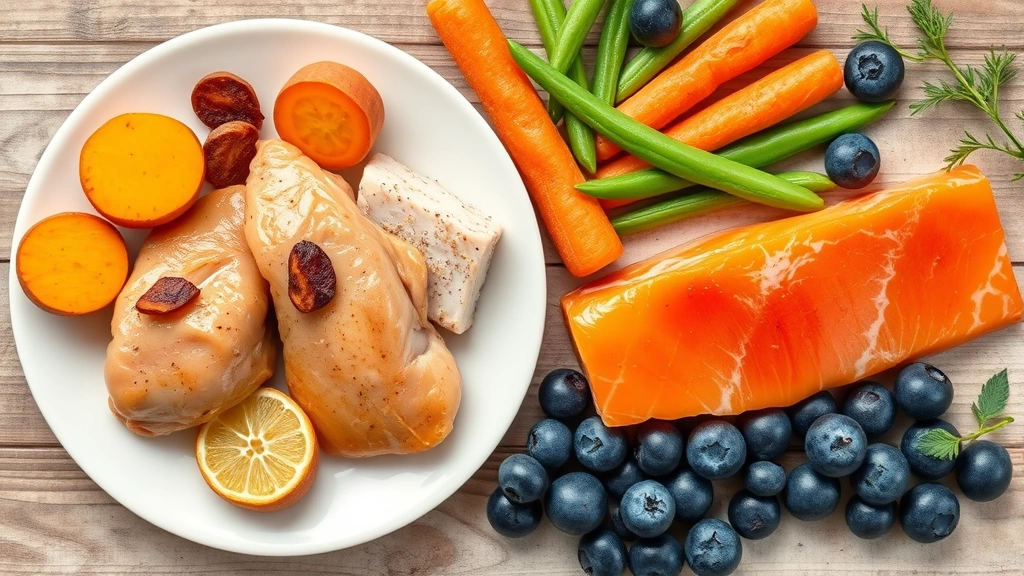
So you want to share your snacks with your furry friend? Before you toss Fido that leftover chicken wing, let’s talk about healthy human foods for pets that actually won’t send you sprinting to the emergency vet clinic at 2 AM. Not all human food is created equal when it comes to our four-legged companions, and some of what we munch on can be downright dangerous for them. But here’s the good news: there are plenty of vet-approved options that’ll make your pet’s tail wag faster than a ceiling fan on turbo mode.
Table of Contents
- Why Your Pet Shouldn’t Eat Everything You Eat
- The Best Human Foods Safe for Dogs and Cats
- 1. Chicken: The Protein Powerhouse
- 2. Sweet Potatoes: Nature’s Candy (But Actually Healthy)
- 3. Carrots: The Crunchy Dental Cleaner
- 4. Pumpkin: The Digestive Miracle Worker
- 5. Eggs: Complete Protein Packages
- 6. Green Beans: The Low-Calorie Wonder
- 7. Apples: Crunchy and Refreshing
- 8. Plain Yogurt: Probiotic Goodness
- 9. Salmon: Omega-3 Superfood
- 10. Blueberries: Antioxidant Superstars
- Foods to Absolutely Avoid
- Implementing Healthy Human Foods Into Your Pet’s Diet
- Portion Control: The Forgotten Art
- Reading Labels and Understanding Ingredients
- Frequently Asked Questions
- Summary: Keeping Your Pet Healthy and Happy
Why Your Pet Shouldn’t Eat Everything You Eat
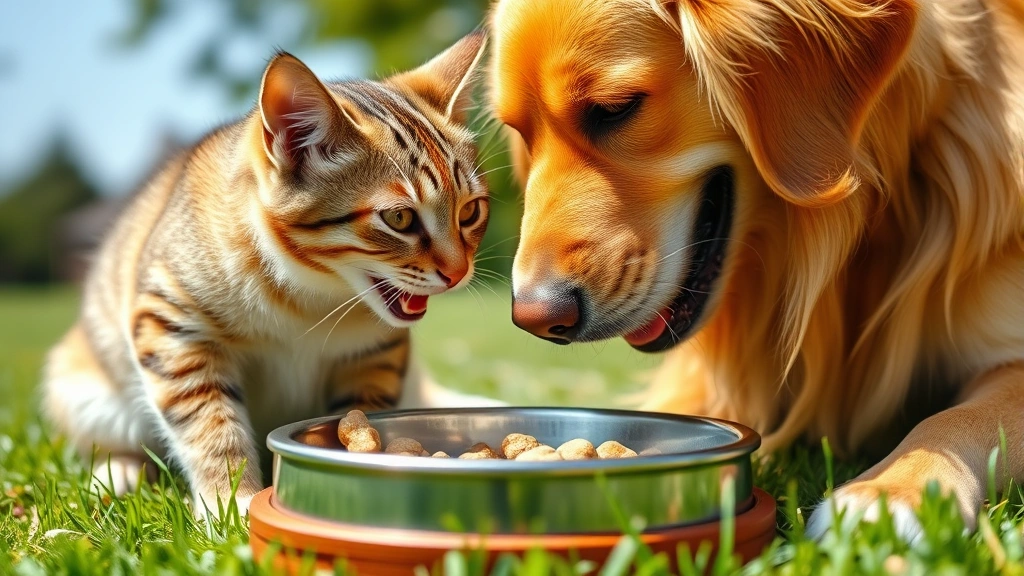
Our pets metabolize food differently than we do. Their digestive systems are shorter, their taste receptors work differently, and some foods we find delicious are literally toxic to them. That’s why understanding which human foods are safe for pets is crucial for any responsible pet parent. Before introducing any new food, always consult your veterinarian, especially if your pet has existing health conditions or food sensitivities.
The Best Human Foods Safe for Dogs and Cats
Finding the right safe human foods for pets doesn’t have to be complicated. Let me break down the top 10 vet-approved options that your pets can actually enjoy without you having a panic attack.
1. Chicken: The Protein Powerhouse
Plain, cooked chicken is basically the gateway drug to healthy pet treats. It’s packed with lean protein, which supports muscle development and maintenance. Cook it without seasoning, skin, or bones, and you’ve got yourself a winner. Many vets recommend chicken as part of homemade diet supplements for pets because it’s so nutritionally dense. Your dog will lose its mind over this stuff, and your cat might actually acknowledge your existence for once.
2. Sweet Potatoes: Nature’s Candy (But Actually Healthy)
Sweet potatoes are loaded with vitamins A, B6, and potassium. They’re also packed with fiber, which helps with digestion. Cook them plain and cut them into manageable pieces. This is one of those foods that feels like you’re spoiling your pet while actually being genuinely nutritious. Just don’t add any brown sugar or marshmallows—that defeats the entire purpose.
3. Carrots: The Crunchy Dental Cleaner
Raw or cooked carrots are fantastic for your pet’s teeth and eyes. The crunchiness helps clean their teeth naturally, and beta-carotene supports eye health. Plus, they’re low in calories, so you can give them more freely without worrying about expanding waistlines. Dogs especially love the satisfying crunch, and it’s a great alternative to high-calorie treats. According to the American Kennel Club, carrots are among the safest vegetables for canine consumption.
4. Pumpkin: The Digestive Miracle Worker
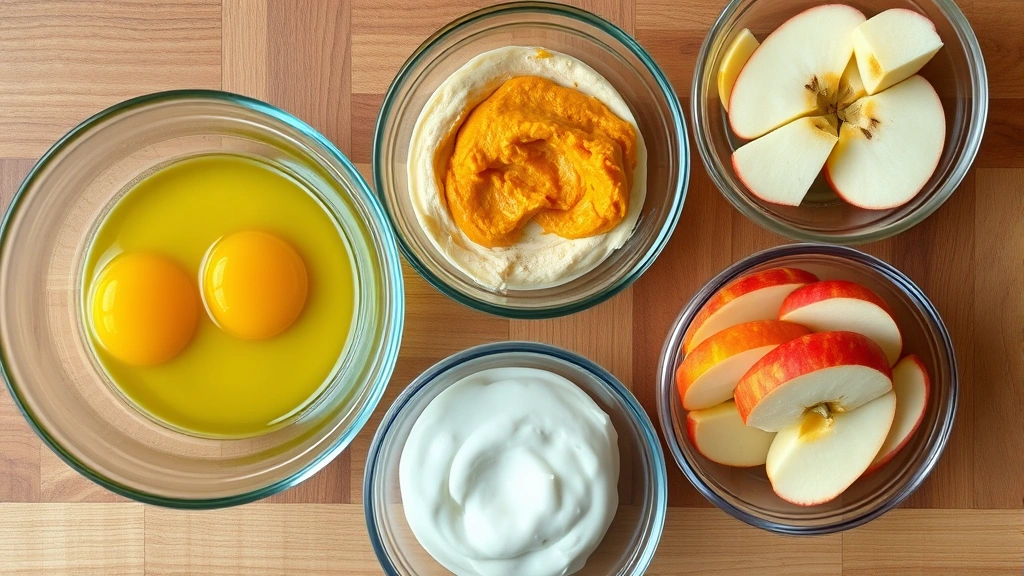
Plain pumpkin (not the pie filling) is a vet’s secret weapon for digestive issues. Whether your pet has diarrhea or constipation, pumpkin can help regulate their system. It’s rich in fiber and helps maintain healthy digestion. This is especially useful when implementing a homemade pet food schedule. Just a tablespoon mixed into their regular food can work wonders. It’s like giving your pet’s gut a gentle hug from the inside.
5. Eggs: Complete Protein Packages
Cooked eggs are nutritional powerhouses containing all nine essential amino acids. They’re excellent for coat health and brain development. Scrambled, boiled, or fried (without oil or seasoning), eggs are a fantastic addition to your pet’s diet. Some pet owners even use them as part of their coat health feeding routine. Your pet’s fur will shine brighter than your future, and that’s saying something.
6. Green Beans: The Low-Calorie Wonder
Fresh or frozen green beans (without added salt or seasonings) are perfect for pets watching their waistline. They’re low in calories but high in vitamins and minerals. You can even use them as low-calorie treats during training sessions. Dogs and cats both tolerate them well, making them a versatile option for multi-pet households.
7. Apples: Crunchy and Refreshing
Remove the seeds (which contain cyanide compounds) and the core, then slice apples into pet-friendly pieces. They’re great for dental health and provide natural sweetness without added sugars. Apples are vitamin-rich and can be frozen for a refreshing summer treat. Just remember: seeds are the enemy, so be vigilant about removing them completely.
8. Plain Yogurt: Probiotic Goodness
Unsweetened, plain yogurt contains beneficial probiotics that support gut health. It’s especially useful for pets dealing with food sensitivities, as discussed in our guide on food allergies feeding routine. Just avoid any yogurt with xylitol, which is toxic to pets. A small amount mixed into their regular food can improve digestive health significantly.
9. Salmon: Omega-3 Superfood
Cooked salmon (without bones or seasoning) is packed with omega-3 fatty acids that support heart and brain health. It’s also fantastic for maintaining a shiny coat. Many veterinarians recommend salmon as part of a fresh food feeding routine. The fishy smell might be off-putting to you, but your pet will think you’ve just handed them liquid gold.
10. Blueberries: Antioxidant Superstars
These little blue powerhouses are loaded with antioxidants and vitamins. They’re safe for both dogs and cats and make excellent training treats. Plus, they’re small enough that you can portion them easily without accidentally overfeeding. According to PetMD, blueberries are among the healthiest fruits for pets due to their nutritional profile.
Foods to Absolutely Avoid
Now that we’ve covered the good stuff, let’s talk about the foods that’ll make your vet give you the look of disappointment. Chocolate, grapes, raisins, avocado, macadamia nuts, onions, garlic, and anything containing xylitol are all toxic to pets. Alcohol and caffeine are also big no-nos. Some of these can cause serious health issues ranging from upset stomachs to organ failure. When in doubt, don’t feed it to your pet. Your veterinarian is always your best resource for questions about specific foods.
Implementing Healthy Human Foods Into Your Pet’s Diet
Start slowly when introducing new foods. A sudden dietary change can cause digestive upset, and nobody wants to clean that mess up. Introduce new foods gradually over several days, mixing small amounts into their regular food. Monitor your pet for any signs of allergic reactions or digestive issues. If you’re planning to make significant dietary changes, especially for pets with health conditions, consult your vet first. This is particularly important for nursing dog nutrition or pets on special diets.
Portion Control: The Forgotten Art
Just because something is healthy doesn’t mean your pet should eat unlimited amounts. Treats, including healthy human foods, should make up no more than 10% of your pet’s daily caloric intake. The remaining 90% should come from their regular, nutritionally balanced pet food. Overfeeding, even with healthy foods, can lead to obesity and related health problems. Your pet’s waistline will thank you for showing restraint.
Reading Labels and Understanding Ingredients
When you’re giving your pet human foods, you need to be as vigilant about ingredients as you would be for yourself. Check for added sugars, sodium, and preservatives. Many seemingly healthy human foods have hidden ingredients that aren’t safe for pets. For example, some peanut butters contain xylitol, which is extremely toxic. Always read labels carefully before sharing anything with your furry friend.
Frequently Asked Questions
Can I give my cat the same foods as my dog?
Not always. Cats are obligate carnivores and have different nutritional requirements than dogs. While some foods like chicken and salmon are fine for both, cats need taurine (an amino acid) and have different vitamin requirements. Always check with your vet before giving your cat any new food, even if your dog eats it regularly.
How often can I give my pet healthy human foods?
Healthy human foods should be occasional treats, not meal replacements. Limit treats to 10% of daily calories, which might mean a few small pieces of apple or carrot per day for most pets. The bulk of their nutrition should come from complete and balanced commercial pet food formulated specifically for their species and life stage.
What should I do if my pet eats something toxic?
Contact your veterinarian or an animal poison control center immediately. The ASPCA Animal Poison Control Center is available 24/7 at (888) 426-4435. Don’t wait to see if symptoms develop—some toxic foods cause delayed reactions, and immediate treatment can be lifesaving.
Are there any human foods that are universally safe for all pets?
Plain, cooked chicken and carrots are about as close to universally safe as it gets. However, individual pets may have allergies or sensitivities, so even these should be introduced carefully. Always consult your veterinarian about your specific pet’s dietary needs and any health conditions they might have.
Can I feed my senior pet healthy human foods?
Yes, but be mindful of their specific health needs. Senior pets may have dental issues, digestive sensitivities, or medical conditions that affect what they can safely eat. Softer foods like cooked pumpkin or sweet potatoes might be easier for them to digest than harder options like raw carrots. Your vet can provide specific recommendations based on your senior pet’s health status.
Summary: Keeping Your Pet Healthy and Happy
Healthy human foods for pets can be a wonderful addition to their diet when chosen carefully and fed appropriately. Chicken, sweet potatoes, carrots, pumpkin, eggs, green beans, apples, yogurt, salmon, and blueberries are all vet-approved options that provide genuine nutritional benefits. The key is moderation, proper preparation (cooked, unseasoned, and appropriate portions), and always checking with your veterinarian before introducing new foods.
Remember that commercial pet food is formulated to meet all of your pet’s nutritional needs, and human foods should be supplements to that diet, not replacements. By understanding which foods are safe and how to properly introduce them, you can safely share some of your meals with your beloved companion. Your pet will appreciate the variety, and you’ll have the peace of mind knowing you’re making healthy choices for them. Now go forth and treat your furry friend to some delicious, nutritious, vet-approved snacks!





