
If you’re looking to reward your furry best friend with healthy pet treats, you’ve come to the right place—because let’s face it, your dog deserves snacks that won’t turn them into a chubby couch potato. Gone are the days when pet treats meant mystery meat by-products and enough sodium to preserve a small village. Today’s dog owners are savvy, and they want their pups munching on wholesome goodies that actually contribute to their health instead of just their waistline.
Table of Contents
- Why Quality Matters in Canine Nutrition
- Freeze-Dried Meat Treats: The Gold Standard
- Sweet Potato Chews: The Veggie Victory
- Peanut Butter Bites: The Crowd Pleaser
- Apple and Carrot Crunchers: The Dental Dream Team
- Salmon Treats: The Brain-Boosting Snack
- Bone Broth Bites: The Collagen Powerhouse
- Pumpkin and Oat Treats: The Digestive Dynamo
- Chicken Jerky Strips: The Portable Protein
- Blueberry and Coconut Bites: The Antioxidant Treat
- Beef Liver Treats: The Nutrient Bomb
- Making Treats Part of Your Dog’s Overall Wellness Plan
- Reading Labels Like a Pro
- Storage and Freshness Tips
- Frequently Asked Questions
- Final Thoughts: Treat Your Dog Right
The treat aisle used to be a minefield of questionable ingredients, artificial colors, and marketing fluff designed to make you feel guilty about your dog’s diet. But the pet nutrition industry has evolved dramatically, and now you can find genuinely nutritious options that your dog will absolutely lose their mind over. Whether your pooch needs joint support, dental health benefits, or just a tasty reward that won’t derail their fitness goals, there’s a healthy option out there.
Why Quality Matters in Canine Nutrition
Your dog’s body is basically a furry machine that runs on what you feed it. Cheap, low-quality treats are like putting regular gas in a sports car—technically it works, but you’re not getting optimal performance. When you choose nutritious dog treats and wholesome snacks for dogs, you’re investing in their long-term health, energy levels, coat quality, and even their behavior.
Dogs can’t tell you when their stomach hurts or when they’re feeling sluggish from poor nutrition. That’s why it’s our job as pet parents to make smart choices. Quality treats support healthy digestion, maintain proper weight, strengthen teeth and gums, and keep that shiny coat looking Instagram-worthy. Plus, many premium treats contain functional ingredients like glucosamine for joint health or omega fatty acids for brain function—basically, they’re working overtime to keep your pup thriving.
Freeze-Dried Meat Treats: The Gold Standard
If you want to impress your dog while actually feeling good about what you’re feeding them, freeze-dried meat treats are where it’s at. These are literally just meat—beef, chicken, turkey, or fish—that’s been frozen and had all the moisture removed. No fillers, no binders, no weird stuff. Just pure protein in a crunchy package.
The beauty of freeze-dried options is that they’re shelf-stable but retain all the nutritional benefits of fresh meat. Your dog gets to experience that primal joy of tearing into something meaty while you get to feel like a responsible pet parent. Check out resources like the American Kennel Club’s nutrition guidelines for more information on protein requirements for your specific breed.
Sweet Potato Chews: The Veggie Victory
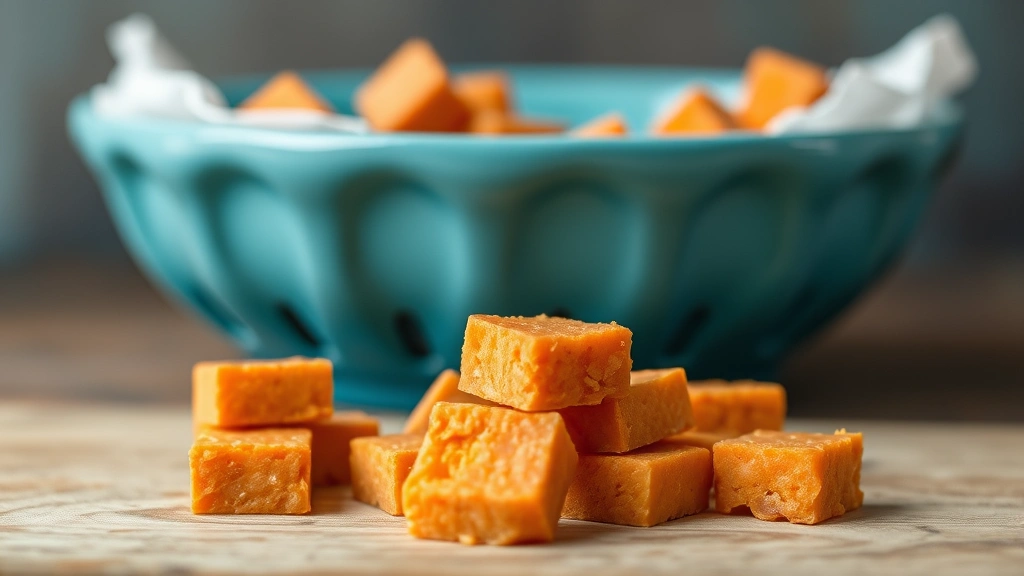
Sweet potato chews are basically nature’s candy for dogs, except they’re actually good for them. These dried strips are packed with fiber, vitamins, and antioxidants. They’re naturally sweet (so your dog thinks they’re getting dessert), low in fat, and they help with digestion. Plus, they’re great for dogs with sensitive stomachs or food allergies.
The chewing action also provides mental stimulation and helps clean teeth naturally. If your dog is prone to dental issues, sweet potato chews are like a delicious toothbrush. They’re not as protein-heavy as meat treats, so you can feel good about giving them more frequently without worrying about excessive calories.
Peanut Butter Bites: The Crowd Pleaser
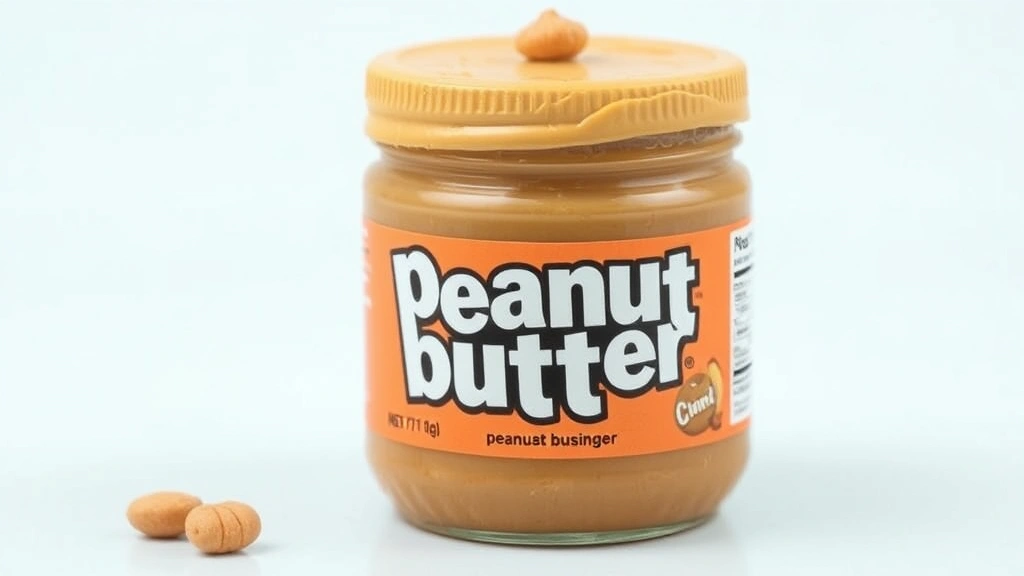
Let’s be honest—dogs go absolutely bonkers for peanut butter. The key is finding versions made with natural peanut butter that doesn’t contain xylitol (which is toxic to dogs, so always check the label). High-quality peanut butter treats give your dog that rich, satisfying flavor they crave while providing protein and healthy fats.
Look for options that use peanut butter as the main ingredient rather than treats that just have a peanut butter coating. Brands that make treats from actual peanut butter with minimal additives are your best bet. These work great as training rewards since the strong flavor gets dogs excited and motivated. Consider pairing these with your dog’s regular feeding routine—check out our guide on pet meal frequency to understand proper treat portions.
Apple and Carrot Crunchers: The Dental Dream Team
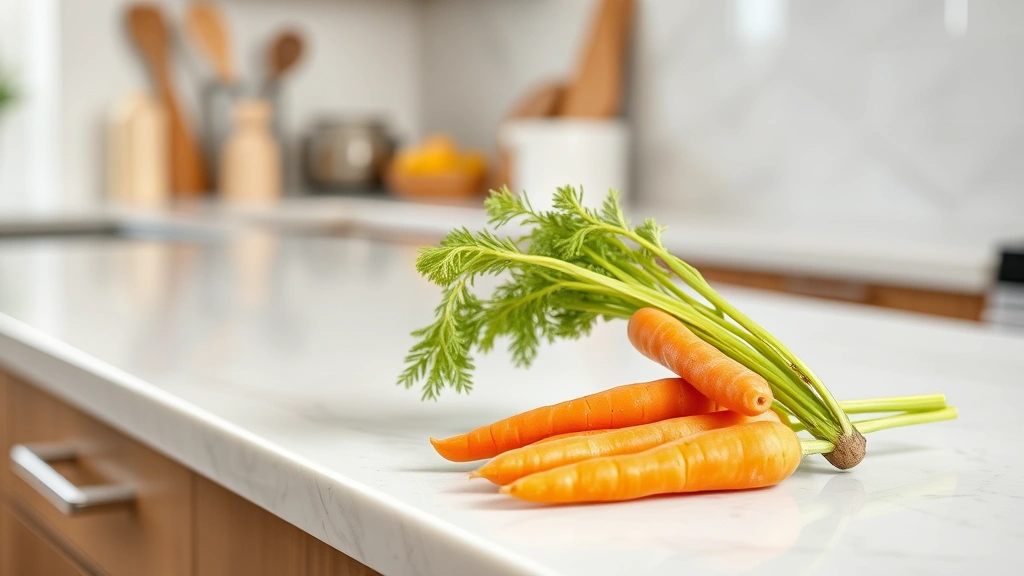
Raw or lightly dehydrated apples and carrots are nature’s toothbrushes. The crunchy texture mechanically cleans your dog’s teeth while they chew, and both are low in calories, high in fiber, and packed with vitamins. Plus, they’re basically free if you’re already buying them for yourself.
The crunch factor is what makes these so effective for dental health. As your dog gnaws away, they’re naturally scrubbing away plaque and tartar buildup. Just remove any apple seeds (they contain cyanide compounds) and cut carrots into appropriate sizes for your dog’s mouth. These treats are especially great for dogs that need to watch their weight since you can give generous portions without guilt.
Salmon Treats: The Brain-Boosting Snack
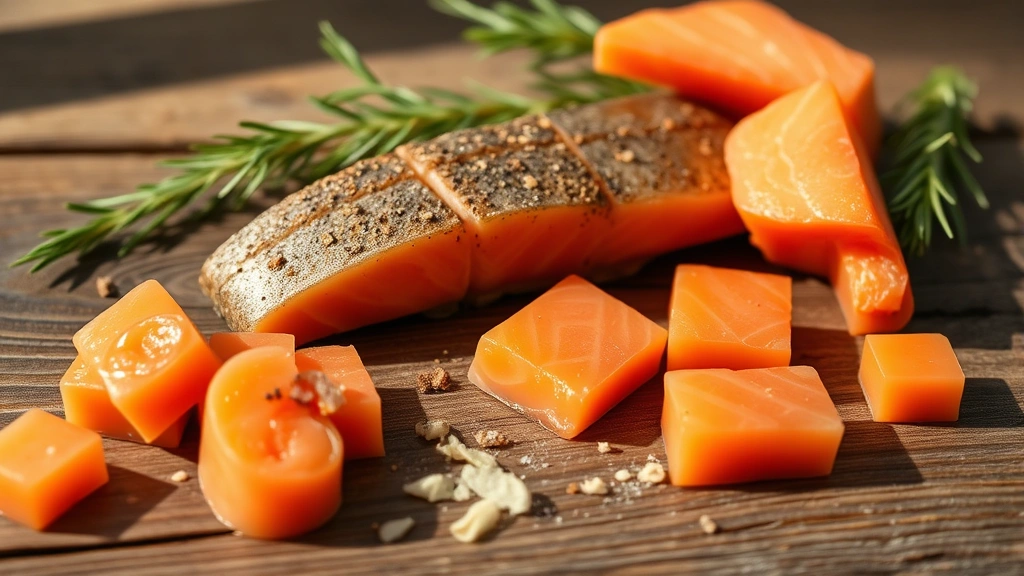
Salmon is basically a superfood for dogs. It’s loaded with omega-3 fatty acids, which support brain health, reduce inflammation, and keep that coat looking silky and gorgeous. Salmon treats come in various forms—freeze-dried, baked, or as training-sized pieces—making them versatile for any situation.

If your dog is getting older or you want to support cognitive function, salmon treats are an excellent choice. The omega-3s also help with joint health and skin condition, making them especially beneficial for senior dogs or breeds prone to joint issues. Look for wild-caught salmon options when possible, as they typically have higher omega-3 content than farm-raised varieties. For comprehensive nutritional information, check out PetMD’s nutritional resources.
Bone Broth Bites: The Collagen Powerhouse
Bone broth has become trendy for humans, and for good reason—it’s now available for dogs too. These treats are made from simmered bones and connective tissue, creating a nutrient-dense snack rich in collagen, gelatin, and amino acids. They support joint health, gut health, and coat quality.
Bone broth bites are particularly beneficial for dogs with joint issues or digestive sensitivities. The gelatin and collagen support gut lining integrity and can help with inflammation. You can also use bone broth as a topper on regular meals or freeze it into ice cube trays for a refreshing summer treat. Just make sure any bone broth treats you buy are made without added salt or suspicious ingredients.
Pumpkin and Oat Treats: The Digestive Dynamo
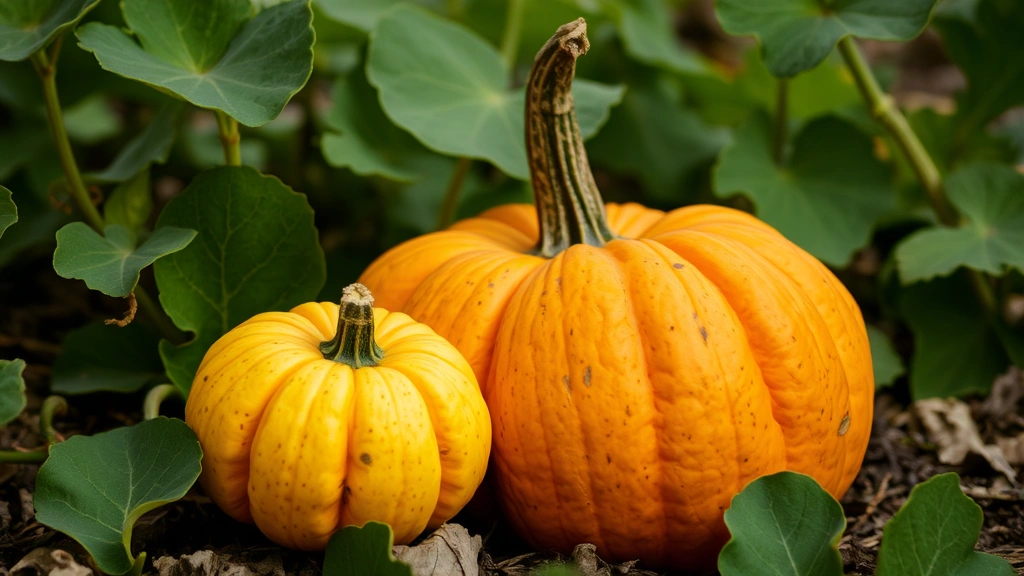
Pumpkin is like a miracle worker for dog digestion. It’s high in fiber, helps with both constipation and diarrhea (yes, really), and is packed with nutrients. Combined with oats, which are a gentle, nutritious grain, pumpkin treats become a digestive powerhouse that also tastes pretty darn good.

These treats are especially useful if your dog has occasional digestive upset or if you’re dealing with food sensitivities. The fiber supports healthy gut bacteria, and pumpkin is so gentle that even sensitive pups usually tolerate it well. These also pair nicely with your dog’s overall feeding routine—learn more about optimizing nutrition with our article on food allergies and feeding routines.
Chicken Jerky Strips: The Portable Protein
Chicken jerky for dogs is basically the same concept as human jerky—meat that’s been dried to preserve it and make it shelf-stable. It’s pure protein, minimal calories, and incredibly convenient. These strips are perfect for training, on-the-go rewards, or just because your dog deserves something special.
Look for versions made from whole chicken breast without added salt, smoke flavoring, or preservatives. The chewy texture keeps dogs engaged longer than a quick swallow, providing mental stimulation along with nutrition. They’re also great for helping with natural teeth cleaning since the chewing action works those jaw muscles.
Blueberry and Coconut Bites: The Antioxidant Treat
Blueberries are nutritional superstars for dogs—they’re loaded with antioxidants that support cognitive function and eye health. Combined with coconut, which provides healthy fats and has antimicrobial properties, these treats become a genuinely functional snack.
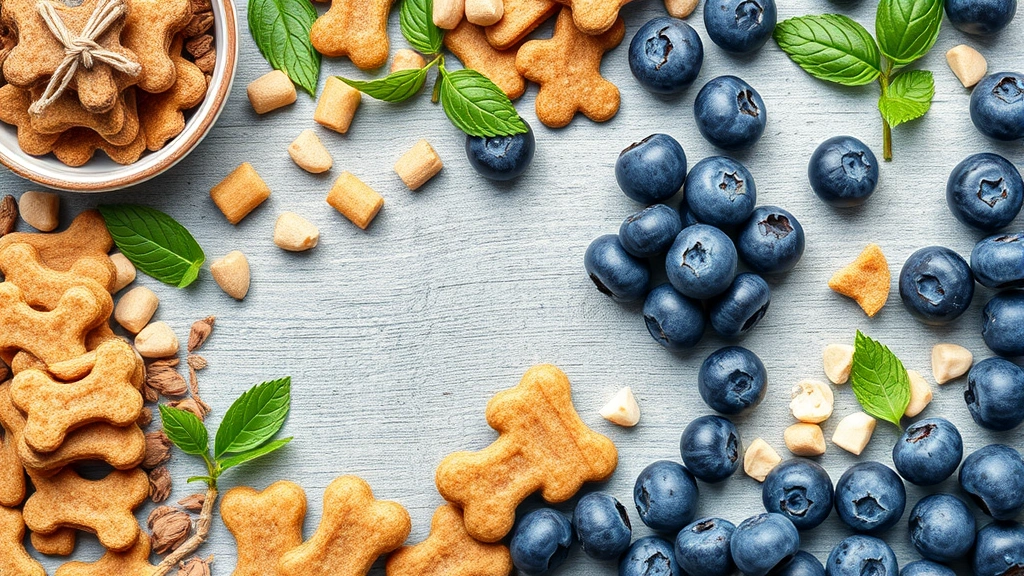
Blueberry treats are especially great for aging dogs since antioxidants help combat age-related cognitive decline. The coconut adds satiety and flavor complexity that keeps dogs interested. These treats are also usually lower in calories, making them perfect for weight-conscious pups or for training situations where you need to give multiple rewards without overdoing calorie intake.
Beef Liver Treats: The Nutrient Bomb
Beef liver is basically nature’s multivitamin for dogs. It’s rich in iron, B vitamins, copper, and selenium—all essential nutrients that support energy, immune function, and overall health. Liver treats are intensely flavorful, so a little goes a long way, and most dogs find them absolutely irresistible.
Freeze-dried or dehydrated liver treats are especially concentrated in nutrients. They’re perfect for dogs that need a nutritional boost or for picky eaters who need extra motivation. Just be aware that liver is rich, so moderation is key—you don’t want to upset sensitive stomachs with too much. These work wonderfully as high-value training rewards since dogs go absolutely crazy for them.
Making Treats Part of Your Dog’s Overall Wellness Plan
Healthy pet treats shouldn’t exist in a vacuum—they’re part of your dog’s overall nutrition and wellness strategy. Consider how treats fit into your dog’s daily calorie intake (they should be no more than 10% of daily calories), and think about what your individual dog needs nutritionally.
Is your dog prone to joint issues? Prioritize treats with glucosamine and omega-3s. Does your pup struggle with weight? Focus on low-calorie, high-protein options. Is dental health a concern? Choose crunchy treats that naturally clean teeth. You can also enhance your treat strategy with feeding enrichment toys that make treat consumption more engaging and mentally stimulating for your pup.
Reading Labels Like a Pro
Not all treats marketed as “healthy” actually are. Learn to read ingredient lists and understand what you’re looking at. Ingredients are listed by weight, so the first few items are what your dog is primarily eating. Look for whole foods as the first ingredients—meat, vegetables, fruits—rather than meals, by-products, or mystery fillers.
Avoid treats with artificial colors, flavors, or preservatives. Your dog doesn’t need red #40 or BHA to have a tasty snack. Also watch out for excessive salt and sugar. If you can’t pronounce an ingredient or don’t know what it is, that’s often a red flag. Good treats have short ingredient lists with things you recognize.
Storage and Freshness Tips
Even the healthiest treats can go bad if stored improperly. Most freeze-dried and dehydrated treats should be kept in airtight containers in a cool, dry place. Some treats benefit from refrigeration, especially those with higher moisture content. Always check expiration dates and follow storage instructions on the packaging.

If you’re making homemade treats (which is totally doable), store them in the fridge or freezer depending on the recipe. Homemade treats typically don’t last as long as commercial ones since they lack preservatives, but that’s actually a good thing—it means you’re not feeding your dog unnecessary additives.
Frequently Asked Questions
How many treats can I give my dog daily?
Treats should make up no more than 10% of your dog’s daily caloric intake. For a typical 50-pound dog eating about 1000 calories per day, that means roughly 100 calories of treats maximum. This varies based on your dog’s size, age, and activity level, so consult your vet for personalized recommendations.
Are grain-free treats actually better for dogs?
Not necessarily. While some dogs have grain sensitivities, most do fine with grains. The grain-free trend was partly marketing-driven. What matters more is the quality of ingredients overall. If your dog doesn’t have a specific grain allergy, you don’t need to avoid grains—focus instead on whole food ingredients and nutritional balance.
Can I give treats to puppies?
Yes, but choose appropriately-sized treats and introduce them gradually. Puppies have developing digestive systems, so start with small amounts of gentle treats. Avoid anything too hard that could damage developing teeth. Consult your vet about appropriate treat options for your puppy’s age and breed.
What should I do if my dog has food allergies?
If your dog has known allergies, read treat labels carefully and look for limited-ingredient options. Many healthy treat brands now offer allergy-friendly versions. You can also make homemade treats using ingredients you know your dog tolerates. Check out our detailed guide on managing food allergies in feeding routines for more information.
Are rawhide chews healthy?
Rawhide is controversial. While it provides long-lasting chewing, it’s highly processed and can pose choking or blockage risks. Healthier alternatives include natural chews like bully sticks, yak cheese chews, or raw meaty bones (under supervision). These provide similar satisfaction with fewer risks.
How do I introduce new treats to my dog?
Introduce new treats gradually, especially if your dog has a sensitive stomach. Start with small amounts mixed into regular food or given as tiny pieces. Monitor for any digestive upset, allergic reactions, or behavioral changes over 24-48 hours before giving full portions.
Final Thoughts: Treat Your Dog Right
Choosing healthy pet treats is one of the easiest ways to show your dog you love them while actually improving their health. Whether you go for freeze-dried meat, crunchy vegetables, or functional treats packed with joint-supporting ingredients, you’re making a choice that benefits your pup’s body and mind.
The best healthy pet treats are those your individual dog enjoys, tolerates well, and that fit into their overall nutritional needs. Don’t be afraid to mix and match different options to keep things interesting. Your dog will thank you with enthusiastic tail wags, and you’ll feel great knowing you’re fueling their body with quality nutrition.
Remember, treats are just one piece of the wellness puzzle. Combine them with regular exercise, quality food, veterinary care, and lots of love, and your dog will thrive. Now go ahead and treat your furry friend—they’ve earned it!





