
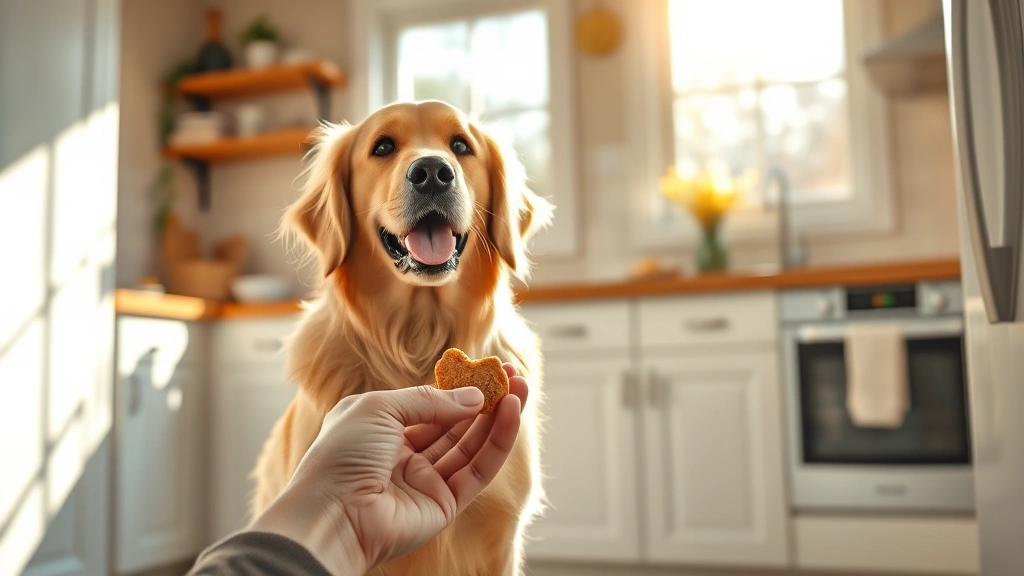
Getting healthy snack timing right is one of the most overlooked aspects of pet nutrition, yet it can make a massive difference in your furry friend’s energy levels, digestion, and overall well-being. Most pet parents just toss treats at their cats and dogs whenever they feel like it, but timing matters way more than you’d think. Let’s dive into how to nail this and keep your pet thriving.
Table of Contents
- Why Healthy Snack Timing Actually Matters for Your Pet
- The Two-Hour Rule: Your Golden Standard for Snack Timing
- Morning Snacks: Fueling Your Pet’s Day Right
- Afternoon Snacks: The Energy Bridge Between Meals
- Pre-Bedtime Snacking: The Controversial Timing
- Post-Exercise Snacking: Timing Your Active Pet’s Treats
- Special Considerations for Senior Pets and Health Conditions
- Hydration Timing: The Forgotten Part of Snacking
- Portion Control: Because Snack Timing Means Nothing Without Right Sizes
- Weather and Season: How Temperature Affects Snack Timing
- Frequently Asked Questions
- Final Thoughts on Mastering Healthy Snack Timing
Why Healthy Snack Timing Actually Matters for Your Pet
You know that feeling when you eat a huge snack right before dinner and suddenly you’re not hungry? Your pet experiences the same thing. Proper snack timing prevents your dog or cat from spoiling their appetite for their main meals, which are usually more nutritionally complete. When you space out snacks strategically, you’re not just avoiding digestive chaos—you’re optimizing nutrient absorption and keeping your pet’s metabolism running smoothly.
Think of snacking as a scheduling game. Your pet’s digestive system works best on a predictable routine. Random snacking creates unpredictable energy spikes and crashes, which can lead to behavioral issues, weight gain, and nutrient imbalances. A vet-tech perspective here: consistent pet meal frequency sets the foundation for everything else.
The Two-Hour Rule: Your Golden Standard for Snack Timing
Here’s a simple rule that works for most pets: never give a snack within two hours of a scheduled meal. This gives your pet enough time to properly digest their snack while still maintaining a healthy appetite for their main meal. For dogs, this means if breakfast is at 7 AM, hold off on snacks until after 9 AM. If dinner is at 6 PM, the last snack should wrap up by 4 PM.
Cats are a bit pickier about timing since they’re natural grazers, but the same principle applies. If you’re using timed feeding for pets, you’ll notice your cat’s snacking patterns become more predictable, making it easier to manage portion control.
Morning Snacks: Fueling Your Pet’s Day Right
The best time for a morning snack is about an hour after your pet wakes up and has had their main breakfast. This is when their digestive system is already active and ready to handle something light. A small morning snack can provide an energy boost and prevent that mid-morning grumpiness (yes, pets get grumpy too).
For dogs, a small treat or a few pieces of kibble work great. For cats, a small portion of wet food or a couple of treats is ideal. The key is keeping it light—we’re talking 5-10% of their daily caloric intake. This prevents them from feeling too full before lunch while still giving them a morale boost.
Afternoon Snacks: The Energy Bridge Between Meals
The afternoon slump is real for pets. Around 3-4 PM, when your dog is staring at you with those sad eyes or your cat is knocking things off shelves out of boredom, a strategically timed snack can work wonders. This is the ideal window because it’s far enough from both lunch and dinner to not interfere with either meal.
Afternoon snacks are perfect for incorporating training treats or enrichment activities. If you’re working on obedience or just want to bond with your pet, this is prime time. Just make sure you’re accounting for these calories in their daily total. Many pet parents forget to subtract training treats from the main meal portions, which is a sneaky way extra pounds creep on.
Pre-Bedtime Snacking: The Controversial Timing
Here’s where opinions get spicy. Some vets say avoid snacking within three hours of bedtime, while others say a small snack before bed helps pets sleep better. The truth? It depends on your individual pet. If your dog sleeps like a rock no matter what, a small bedtime snack won’t hurt. If your cat gets the zoomies at midnight, skip it.
If you do give a bedtime snack, make it something easily digestible and small. Think of it as a nightcap, not a meal. This prevents digestive discomfort during sleep and keeps your pet from waking up with a full bladder at 3 AM. For puppy feeding times, bedtime snacks are generally not recommended since puppies need frequent, scheduled meals anyway.
Post-Exercise Snacking: Timing Your Active Pet’s Treats
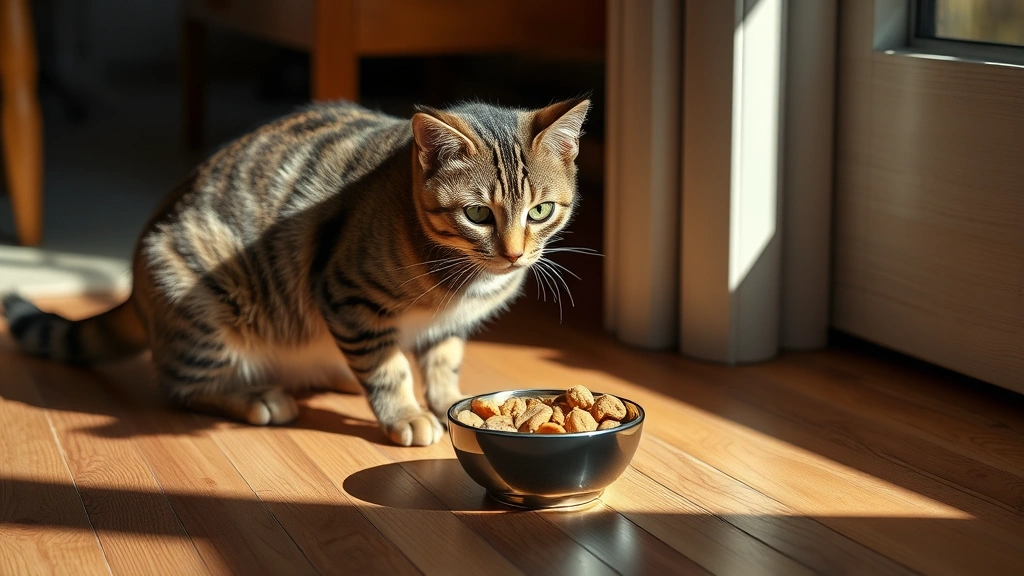
If your dog just finished a run or your cat just had an intense play session, resist the urge to immediately throw a treat at them. Wait at least 30-45 minutes after vigorous exercise before offering a snack. Eating right after intense activity can cause digestive upset or, in rare cases, bloat in large breed dogs.
Once that window has passed, a snack is actually beneficial because it helps replenish energy and supports muscle recovery. This is where pet food supplement boosters can shine—things like treats with added amino acids or joint support can be perfectly timed after activity.
Special Considerations for Senior Pets and Health Conditions
Older pets often have different snacking needs. Their metabolism slows down, and their digestive systems become more sensitive. Senior pets benefit from more frequent, smaller snacks spaced throughout the day rather than fewer large ones. This prevents hunger-related anxiety while keeping portions manageable.
If your pet has diabetes, pancreatitis, or digestive issues, snack timing becomes even more critical. Work with your vet to establish a snacking schedule that works with any medications or dietary restrictions. For feeding kittens frequently, the opposite applies—kittens need more frequent snacking because their small stomachs can’t hold much at once.
Hydration Timing: The Forgotten Part of Snacking
Here’s something most people don’t think about: when you give your pet a snack, you should also consider water intake timing. Salty treats make pets thirsty, which is fine, but you don’t want them gulping huge amounts of water right before a meal. Offer water about 30 minutes after snacking to give their digestive system a chance to process the treat first.
This is especially important for pets prone to bloat. Spacing out food and water intake prevents the stomach from becoming overly distended. It’s a small detail that makes a surprisingly big difference in digestive health.
Portion Control: Because Snack Timing Means Nothing Without Right Sizes
Timing is only half the battle. The portion size matters just as much. A general rule: treats and snacks should never exceed 10% of your pet’s daily caloric intake. The remaining 90% should come from their regular meals. This ensures they’re getting balanced nutrition and not just empty calories from snacking.
Most pet parents underestimate how many calories they’re giving through snacks. A few training treats here, a piece of cheese there, and suddenly your pet is getting 20-30% of their calories from non-nutritious sources. Keep a snack log for a week and you might be shocked at what you discover.
Weather and Season: How Temperature Affects Snack Timing
Believe it or not, weather impacts snacking patterns. In summer, pets often have reduced appetites, so lighter snacking earlier in the day works better. In winter, when it’s cold, pets may appreciate snacks that provide quick energy. Adjust your food enrichment for cats and treat schedules seasonally to match your pet’s natural appetite changes.
Hot weather also means snacks should be lighter and more hydrating. Frozen treats or chilled snacks can be refreshing, while winter might call for slightly heartier options. It’s not rocket science, but it shows you’re paying attention to your pet’s needs beyond just the calendar.
Frequently Asked Questions
How many snacks should my pet have per day?
Most pets do well with 1-3 snacks per day, depending on their age, activity level, and overall health. Puppies and kittens might need more frequent snacking, while adult pets usually thrive with 1-2 snacks daily. The key is spacing them out so they don’t interfere with main meals.
Can I give my pet snacks on a free-feeding schedule?
Free-feeding (leaving food out all day) makes healthy snack timing nearly impossible because you lose track of what and when your pet is eating. Scheduled feeding with designated snack times gives you much better control over nutrition and health monitoring.
What’s the best snack for my pet?
The best snacks are ones that contribute to your pet’s nutritional needs. Protein-rich treats, vegetables (for dogs), or specially formulated pet snacks work better than human food scraps. Always check with your vet about what’s safe and beneficial for your specific pet.
Is it okay to use snacks as training rewards?
Absolutely! Training treats are an excellent use of snack time. Just make sure you’re accounting for these calories in your pet’s daily intake and timing them during appropriate snack windows, not right before meals.
What should I do if my pet seems hungry between snacks?
Increased hunger can signal growth, increased activity, or a health issue. Before adding more snacks, consult your vet. Sometimes what looks like hunger is actually boredom or attention-seeking behavior.
How do I transition my pet to a new snack schedule?
Changes to feeding schedules should be gradual. Shift snack times by 15-30 minutes every few days until you reach your target schedule. This prevents digestive upset and helps your pet adjust to the new routine.
Final Thoughts on Mastering Healthy Snack Timing
Getting healthy snack timing right is genuinely one of the easiest ways to improve your pet’s health without spending a fortune on fancy supplements or specialized diets. It’s about working with your pet’s natural rhythms and digestive system, not against them. By following the two-hour rule, spacing snacks strategically throughout the day, and keeping portions reasonable, you’re setting your pet up for better energy, healthier weight, and improved overall wellness.
Remember, every pet is unique. What works perfectly for your neighbor’s dog might not be ideal for yours. Pay attention to your pet’s individual patterns, energy levels, and digestive responses. If something isn’t working, adjust it. And always consult with your veterinarian, especially if your pet has any health concerns or special dietary needs. Your vet is your best resource for personalizing snack timing to match your pet’s specific requirements.
The investment you make in timing snacks properly today pays dividends in better health, longer life, and fewer digestive issues down the road. Your pet will thank you—probably with more energy for playtime and fewer trips to the emergency vet for dietary indiscretions.





