

A heartbreaking shelter dog video has the power to stop you mid-scroll, make your chest tight, and suddenly convince you that you absolutely need to adopt every dog in existence. These viral moments have become a cultural phenomenon, racking up millions of views, shares, and emotional comments from pet lovers worldwide. But what is it about these videos that hits us so hard, and more importantly, what can we actually do about it?
Table of Contents
- The Viral Phenomenon: Why Shelter Dog Videos Break the Internet
- The Psychology Behind the Tears: Understanding Our Emotional Response
- Real Stories: When Viral Videos Actually Change Lives
- The Dark Side: Shelter Overcrowding and the Reality Behind the Videos
- What Happens After the Video Goes Viral: The Adoption Surge
- How to Actually Help: Beyond the Likes and Shares
- The Content Creators: Are They Heroes or Exploiters?
- Understanding Shelter Dog Behavior: Why They Look So Sad
- The Long-Term Impact: Building a Culture of Adoption
- Social Media’s Role: Amplifying the Message (For Better or Worse)
- Preparation Matters: Making Sure You’re Ready Before Adopting
- Special Considerations: Senior Dogs and Medical Needs
- Frequently Asked Questions
- Conclusion: Moving Beyond the Viral Moment
The Viral Phenomenon: Why Shelter Dog Videos Break the Internet
Let’s be real—there’s something about watching a scared, lonely dog in a shelter that just destroys us. A heartbreaking shelter dog video typically shows a pup in their kennel, often trembling, hiding, or looking directly at the camera with those soulful eyes that could melt a stone heart. The algorithm loves this stuff because emotions drive engagement, and nothing triggers the feels quite like a vulnerable animal.
These videos tap into our fundamental desire to rescue and protect. When we see a dog that’s been abandoned or neglected, our brains release oxytocin—the same bonding chemical that makes us fall in love with actual humans. Except this time, it’s a furry friend who absolutely needs us.
The Psychology Behind the Tears: Understanding Our Emotional Response
Why do we cry watching these videos? Psychologically, it comes down to empathy and the human-animal bond. Dogs can’t tell us their stories, so we project our own narratives onto them. That scared shelter dog becomes our responsibility, our mission, our chance to be a hero.
Studies show that watching animal content online activates the same neural pathways as watching human content. Your brain doesn’t distinguish between a crying baby and a trembling puppy—both trigger protective instincts. Add in the shelter context—the cold kennels, the uncertain future—and you’ve got a perfect storm of emotional manipulation (in the best way).
Real Stories: When Viral Videos Actually Change Lives
Here’s where it gets beautiful. Some heartbreaking shelter dog videos have genuinely transformed dogs’ lives. There’s the story of a severely abused pit bull who was filmed cowering in a shelter, only to be adopted by a celebrity and now lives her best life on Instagram with 500K followers. Another video showed a senior dog nobody wanted, and within 48 hours of going viral, he had five adoption offers.
These aren’t just feel-good stories—they’re proof that visibility works. When millions of people see a dog’s struggle, even one adoption can change everything. And sometimes, one adoption inspires ten more people to visit their local shelter.
The Dark Side: Shelter Overcrowding and the Reality Behind the Videos
But let’s pump the brakes for a second. As heartwarming as these success stories are, they represent a tiny fraction of the shelter crisis. For every dog that goes viral and gets adopted, there are thousands more in overcrowded facilities with no camera in sight. Some shelters are so overwhelmed that they’re forced to make impossible decisions.
The uncomfortable truth? Many shelters use these heartbreaking shelter dog videos because they’re desperate. They’re not being manipulative—they’re fighting for survival. When a shelter is at capacity and resources are thin, a viral video might be their only hope of getting the community’s attention and support.
What Happens After the Video Goes Viral: The Adoption Surge
When a heartbreaking shelter dog video blows up, shelters experience an immediate surge in foot traffic and adoption inquiries. This is great, right? Well, yes and no. Studies show that impulse adoptions following viral videos have a higher return rate than planned adoptions. People see the video, get emotionally charged, adopt the dog, and then realize they weren’t actually ready for the responsibility.
This creates a heartbreaking cycle: the dog gets returned to the shelter (or worse, abandoned), and the shelter’s resources get drained even further. It’s why responsible shelters now implement waiting periods and require potential adopters to think things through before taking a dog home.
How to Actually Help: Beyond the Likes and Shares
Watching a heartbreaking shelter dog video is fine, but action is better. Here’s what actually makes a difference:
Adopt (If You’re Ready): If you’re genuinely prepared for dog ownership—financially, time-wise, emotionally—adoption saves a life. Check out your local shelter or breed-specific rescues. And don’t just adopt the viral dog; the less photogenic dogs need homes too.

Foster: This is criminally underutilized. Fostering a shelter dog temporarily frees up kennel space, helps the dog decompress, and gives shelters crucial information about the dog’s personality. Plus, you get to hang out with a dog without the permanent commitment. Many shelters will cover food and medical costs.
Donate: Money matters. Shelters use donations for medical care, food, training, and facility improvements. Even $10 makes a difference. If you’re not sure where to give, check the AKC’s resource directory for vetted rescue organizations.
Volunteer: Shelters need hands-on help. You could walk dogs, help with intake, clean kennels, or socialize animals. Your local shelter’s website will have volunteer opportunities listed.
The Content Creators: Are They Heroes or Exploiters?
Some people make entire careers out of filming shelter dogs, creating content that goes viral and drives adoptions. Are they heroes? Sometimes. Are they exploiting vulnerable animals for clout? Also sometimes. The truth is nuanced.
The best shelter dog content creators are transparent about their intentions, partner directly with shelters, and use their platforms to educate rather than just emotionally manipulate. They don’t just film one dog going to a good home—they highlight systemic issues and encourage long-term support.
Understanding Shelter Dog Behavior: Why They Look So Sad
Here’s something important: a heartbreaking shelter dog video might be showing us a dog in acute stress, not a dog that’s permanently broken. Shelter stress is real. Dogs experience anxiety, depression, and behavioral changes when confined to kennels. A dog who looks terrified on camera might be totally different in a home environment.
This is why understanding canine behavior and stress responses matters. It helps us make better adoption decisions and have realistic expectations. That scared shelter dog might need remote pet health monitoring during the adjustment period, or behavioral support as they decompress.
The Long-Term Impact: Building a Culture of Adoption
While individual viral videos create temporary spikes in adoptions, the real change comes from sustained cultural shifts. We need to normalize shelter adoption, destigmatize rescue dogs, and make it easier for people to adopt responsibly.
Some communities are doing this right. They’re running year-round adoption campaigns, reducing adoption fees for senior dogs and less adoptable breeds (like coonhound dogs, who are often overlooked despite being amazing companions), and partnering with local businesses to promote shelter animals.
Social Media’s Role: Amplifying the Message (For Better or Worse)
TikTok, Instagram, and YouTube have democratized shelter dog visibility. A local shelter in rural Montana can now reach millions of people. But social media also prioritizes emotional extremes—the saddest dogs, the most dramatic rescues, the most heartwarming transformations.
This creates pressure for shelters to sensationalize their content rather than just present the facts. It also means that less photogenic or less emotionally compelling dogs get overlooked, which is its own tragedy.
Preparation Matters: Making Sure You’re Ready Before Adopting
If a heartbreaking shelter dog video inspired you to adopt, that’s wonderful—but do your homework first. Consider pet diet transition advice before bringing a dog home, because shelter dogs often need dietary adjustments. Research the breed or mix, understand the time commitment, and make sure your living situation is appropriate.
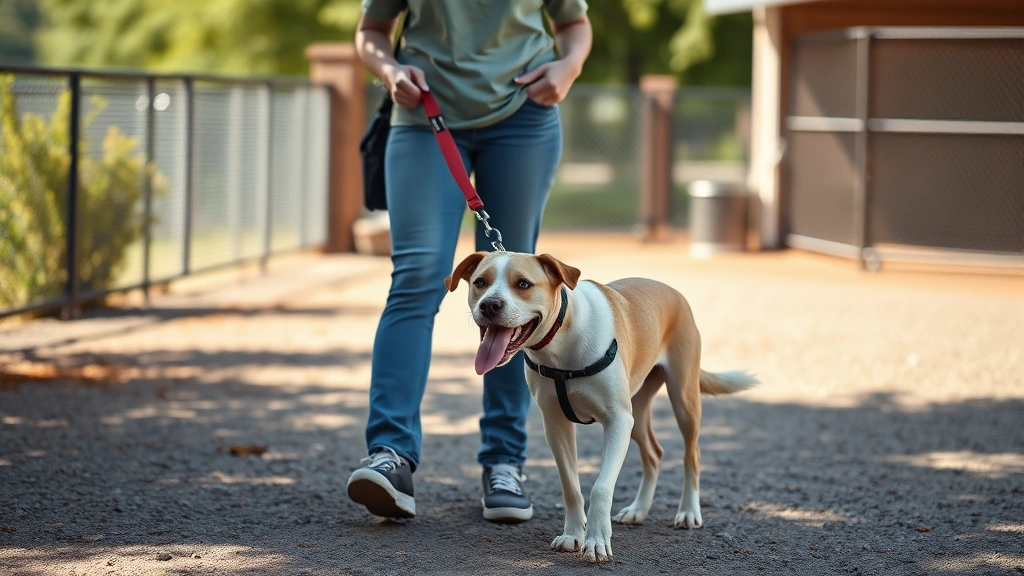
Ask the shelter about the dog’s history, behavior, medical needs, and any training they’ve received. A good shelter will be honest about behavioral issues. And plan for professional help—many rescue dogs benefit from training or behavioral support as they adjust to their new home.
Special Considerations: Senior Dogs and Medical Needs
Some of the most heartbreaking shelter dog videos feature older dogs or dogs with medical conditions. These animals often have lower adoption rates, which is tragic because senior dogs make incredible companions. They’re calmer, often already trained, and have so much love left to give.
If you’re considering adopting a dog with special needs, understand the medical costs upfront. Check out resources on bland diet recipes for sick pets and other care strategies. Many shelters will provide medical records and can connect you with vets who specialize in geriatric or special-needs dogs.
Frequently Asked Questions
Why do shelter dog videos make me cry?
Your brain releases oxytocin when you see a vulnerable animal, triggering the same protective instincts you’d feel toward a human baby. Combined with the narrative of abandonment and uncertainty, it’s a perfect emotional storm.
Is it okay to adopt a dog just because of a viral video?
Not if you’re not genuinely ready. Impulse adoptions following viral content have high return rates. Take time to consider whether you have the time, money, space, and emotional bandwidth for dog ownership.
How can I help shelter dogs without adopting?
Foster, volunteer, donate, or advocate. Even sharing shelter posts on your social media helps increase visibility. Every action matters.
Are shelter dogs damaged or broken?
Not necessarily. Shelter stress is real, but most dogs bounce back quickly in a safe home environment. With patience and proper support, shelter dogs become incredible family members.
What should I do before adopting a shelter dog?
Research the breed/mix, ask the shelter detailed questions about the dog’s history and behavior, prepare your home, plan for any medical or behavioral needs, and commit to the adjustment period (usually 2-3 weeks minimum).
How do I know if a shelter is reputable?
Good shelters are transparent about their practices, have reasonable adoption fees, screen adopters carefully, and offer support after adoption. They should be honest about behavioral or medical issues.
Conclusion: Moving Beyond the Viral Moment
A heartbreaking shelter dog video can be a catalyst for change, but it’s not a solution in itself. Real change comes from systemic support: adequate funding for shelters, accessible adoption processes, community education about responsible pet ownership, and a cultural shift that normalizes rescue animals.
If you watch these videos and feel moved to action, that’s beautiful. Just make sure your action is thoughtful and sustained. Adopt if you’re ready, foster if you can, donate if you’re able, and advocate for shelter animals in your community. Because every dog deserves a happy ending, not just the ones that go viral.





