

Let’s talk about something that keeps veterinarians up at night: heartworm in dogs. This parasitic infection is one of the most serious health threats your furry best friend can face, yet it’s also one of the most preventable. If you’ve ever wondered why your vet keeps pushing those monthly heartworm preventatives like they’re going out of style, buckle up—because understanding this disease could literally save your dog’s life.
Table of Contents
- What Exactly Is Heartworm in Dogs?
- Geographic Risk: Where Heartworm Thrives
- Recognizing the Symptoms of Heartworm Disease
- How Heartworm in Dogs Gets Diagnosed
- Treatment Options and What to Expect
- Prevention: Your Dog’s Best Defense Against Heartworm
- Strengthening Your Dog’s Immune System
- Testing and Regular Veterinary Care
- Understanding Heartworm Prevention Failures
- What Authorities Say About Heartworm Prevention
- Creating Your Heartworm Prevention Plan
- Frequently Asked Questions
- Conclusion: Protecting Your Dog’s Heart
What Exactly Is Heartworm in Dogs?
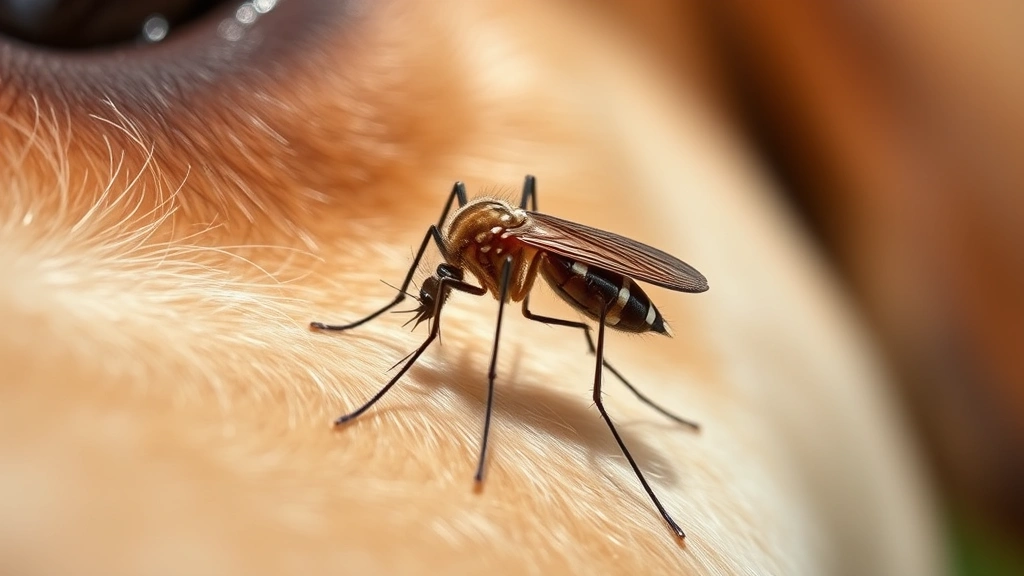
Heartworm in dogs is caused by a parasitic worm called Dirofilaria immitis. These aren’t your typical intestinal worms that you might see in your dog’s poop (gross, but true). Instead, heartworms are transmitted through mosquito bites and develop in your dog’s heart, lungs, and blood vessels. We’re talking about worms that can grow up to 12 inches long, living rent-free in your dog’s cardiovascular system. It’s basically a horror movie happening inside your pup’s chest.
The infection process is sneaky. A mosquito carrying heartworm larvae bites your dog, deposits microscopic larvae under the skin, and boom—the countdown to a serious health crisis begins. Over six months, these larvae mature into adult worms that set up shop in the heart and pulmonary arteries. By the time symptoms show up, you could be dealing with significant damage.
Geographic Risk: Where Heartworm Thrives
Here’s the thing about heartworm prevention—it’s not just for dogs in swampy Southern states anymore. While heartworm in dogs is most prevalent in warm, humid climates (hello, Gulf Coast and Southeast), climate change has expanded the mosquito season in northern regions. Dogs in areas with warm winters are at year-round risk, while northern pups might have a seasonal reprieve. But honestly? Your vet probably recommends year-round prevention anyway because mosquitoes are unpredictable little jerks.
The American Heartworm Society reports cases in all 50 states, with hotspots in the Mississippi River basin and coastal areas. Even if you live in a colder climate, traveling with your dog or living near a warm microclimate puts them at risk.
Recognizing the Symptoms of Heartworm Disease
Early-stage heartworm in dogs often shows zero symptoms. That’s the terrifying part. Your dog could be infected for months while you’re blissfully unaware. But as the disease progresses, watch for these red flags:
- Persistent cough: A dry, hacking cough that won’t quit, especially during exercise
- Lethargy: Your normally bouncy pup becomes a couch potato
- Exercise intolerance: They get winded easily or refuse to play
- Difficulty breathing: Labored breathing or shortness of breath
- Loss of appetite: Suddenly disinterested in meals
- Weight loss: Shedding pounds without trying
- Abdominal distention: A swollen belly (sign of fluid buildup)
- Collapse or fainting: Severe cases can cause cardiovascular collapse
Advanced heartworm disease can cause heart failure, lung disease, and organ damage. Some dogs develop a condition called caval syndrome, where worms physically block blood flow through the heart—a medical emergency requiring immediate surgery.
How Heartworm in Dogs Gets Diagnosed
Your vet has a few diagnostic tools in their arsenal. The most common is an antigen test, which detects proteins produced by adult female worms. This test is highly accurate but won’t show positive until about five to seven months after infection (remember those sneaky larvae?). That’s why vets recommend testing annually.
Additional diagnostic methods include:
- Microfilariae test: Looks for baby worms in the bloodstream
- Chest X-rays: Reveals lung and heart changes
- Echocardiogram: Shows heart damage and worm burden
- Ultrasound: Visualizes worms in the heart and vessels
If your dog tests positive, your vet will likely perform additional testing to assess the severity before starting treatment. This isn’t something you want to mess around with—professional diagnosis is non-negotiable.
Treatment Options and What to Expect
Here’s where heartworm in dogs gets complicated and expensive. Treatment involves killing the adult worms, which is trickier than it sounds because dead worms can cause dangerous blood clots as they’re reabsorbed. The FDA-approved treatment is an injectable drug called melarsomine (Immiticide), administered in a series of injections over several months.
The treatment protocol typically involves:
- Hospitalization for injections
- Strict cage rest (no running, jumping, or playing—basically house arrest)
- Antibiotics to target bacteria living inside the worms
- Anti-inflammatory medications
- Heartworm prevention to stop new infections
- Regular monitoring with X-rays and bloodwork
Treatment can cost $1,000 to $3,000 or more, depending on your dog’s condition and your location. Some dogs with severe disease might not survive treatment, which is why prevention is genuinely your best friend here. Consider this: monthly prevention costs $10 to $20 per month, while treatment costs thousands. The math is brutal.
Prevention: Your Dog’s Best Defense Against Heartworm
Now for the good news—heartworm in dogs is highly preventable with proper medication. Your vet can prescribe monthly preventatives in various forms: topical (applied to skin), oral (tablets), or injectable (given annually). These medications kill heartworm larvae before they can develop into adults.
Popular prevention options include:
- Ivermectin-based products: Heartgard Plus (oral monthly)
- Milbemycin-based products: Interceptor Plus (oral monthly)
- Topical options: Revolution, Advantage II
- Injectable prevention: ProHeart 6 (lasts 6 months)
The key is consistency. Missing even one dose creates a window of vulnerability. Set phone reminders, use automatic refills, or explore telehealth vet appointments to make prescription refills easier. Some preventatives also protect against other parasites like fleas, ticks, and intestinal worms, making them a multi-threat defense system.
Strengthening Your Dog’s Immune System
While prevention medication does the heavy lifting, supporting your dog’s overall health creates an additional defense layer. A strong immune system helps your dog fight off infections more effectively. Consider incorporating immune boosting foods for pets into their diet, including omega-3 fatty acids, antioxidants, and quality proteins.
Maintaining proper nutrition is crucial. Check out our pet nutrition advice for comprehensive guidelines on feeding your dog for optimal health. A well-nourished dog with a robust immune system is better equipped to handle parasitic challenges.
Testing and Regular Veterinary Care
Annual heartworm testing is your early warning system. Even if your dog is on prevention (which should prevent infection), testing confirms the medication is working and catches any breakthrough infections. Some vets recommend testing every six months for high-risk dogs.
Regular vet visits also allow your veterinarian to assess your dog’s overall health and adjust prevention strategies based on lifestyle changes, travel plans, or emerging health concerns. If your dog experiences any concerning symptoms, don’t wait for the annual appointment—reach out immediately. Many vets now offer online vet advice for quick consultations about worrisome signs.
Understanding Heartworm Prevention Failures
Occasionally, dogs on prevention still develop heartworm. This usually happens due to:
- Missed doses: The most common culprit
- Improper administration: Topical meds washed off before absorption
- Drug resistance: Rare but documented in some regions
- Vomiting: Dog vomits shortly after taking oral medication
- Expired medication: Outdated prescriptions lose efficacy
This is why your vet asks about compliance during check-ups and why they recommend sticking to the same medication class (don’t switch brands randomly). If you’re struggling with giving medication, talk to your vet about alternative delivery methods.
What Authorities Say About Heartworm Prevention
The American Kennel Club strongly recommends year-round heartworm prevention for all dogs, regardless of geographic location. The American Heartworm Society provides detailed guidelines on prevention and treatment, emphasizing that prevention is far superior to treatment. Additionally, the American Veterinary Medical Association endorses comprehensive heartworm prevention as standard of care.

Creating Your Heartworm Prevention Plan
Don’t just take a prescription and hope for the best. Work with your vet to create a personalized prevention plan considering:
- Your geographic location and local heartworm prevalence
- Your dog’s age, weight, and health status
- Your lifestyle (frequent travel, outdoor activities)
- Your budget and medication preferences
- Your ability to remember monthly doses
Document your prevention schedule. Keep records of when you administer medication and test results. This documentation becomes invaluable if you ever need to switch vets or if your dog develops symptoms.
Frequently Asked Questions
Can heartworm in dogs be cured?
Yes, heartworm can be treated with melarsomine injections, but treatment is expensive, requires strict rest, and carries risks of complications. Prevention is infinitely better than treatment. Early detection improves treatment outcomes significantly.
How long does it take for heartworm symptoms to appear?
Symptoms typically appear 5-7 months after infection, but some dogs remain asymptomatic for years while harboring significant worm burdens. This is why annual testing matters—you catch infections before symptoms develop.
Is heartworm contagious between dogs?
No, heartworm cannot spread directly from dog to dog. It requires a mosquito vector. However, an infected dog can infect mosquitoes, which then transmit the disease to other dogs. This is why prevention protects your entire community.
Can indoor dogs get heartworm?
Yes. While indoor dogs have lower risk, mosquitoes enter homes through doors, windows, and screens. Any dog that goes outside, even briefly, is at risk. Indoor dogs should still receive heartworm prevention.
What’s the best heartworm prevention for my dog?
The “best” prevention depends on your dog’s individual needs. Discuss options with your vet considering your dog’s health, lifestyle, and your preferences regarding administration method. Consistency matters more than which specific product you choose.
Can puppies get heartworm?
Yes, puppies can absolutely get heartworm. Most vets recommend starting prevention at 6-8 weeks of age. Puppies have no immunity to heartworm, making prevention especially important during their vulnerable early months.
Conclusion: Protecting Your Dog’s Heart
Heartworm in dogs is a serious, potentially fatal disease—but it’s also almost entirely preventable. Your job is simple: give your dog monthly prevention medication, schedule annual veterinary check-ups with heartworm testing, and maintain open communication with your vet about any health concerns. That’s it. Three straightforward steps stand between your beloved companion and a disease that could devastate your family and drain your bank account.
Think of heartworm prevention as an insurance policy for your dog’s heart. The small monthly investment in prevention is infinitely better than the emotional and financial cost of treating advanced heartworm disease or losing your dog to complications. Your pup depends on you to make informed health decisions, and choosing prevention is one of the best decisions you can make.
Talk to your veterinarian today about establishing a heartworm prevention plan tailored to your dog’s specific needs. Your dog’s heart—literally and figuratively—will thank you.





