

When it comes to keeping your furry best friend healthy, herbs safe for pets can be a game-changer for natural wellness support. But here’s the thing—not all herbs are created equal, and some that are perfectly fine for humans can send your dog or cat straight to the vet’s office. As a pet parent, you’re probably wondering which herbs you can safely toss into your pet’s bowl and which ones belong nowhere near their food bowl. Let’s dig into the world of pet-friendly herbs and separate the safe from the seriously sketchy.
Table of Contents
- Why Pet Owners Are Turning to Herbal Remedies
- The Most Pet-Friendly Herbs You Can Actually Use
- Understanding Pet Herb Safety and Toxicity
- Herb-Drug Interactions: The Hidden Danger
- Dosing Herbs for Your Specific Pet
- Growing Your Own Pet-Safe Herb Garden
- Recognizing Signs of Herbal Toxicity in Pets
- Working with Your Veterinarian on Herbal Wellness Plans
- Quality Matters: Choosing Reputable Herbal Products
- Common Herbs to Absolutely Avoid
- The Future of Pet Herbal Medicine
- Frequently Asked Questions
- Conclusion: Creating a Safe Herbal Wellness Plan for Your Pet
Why Pet Owners Are Turning to Herbal Remedies
The pet wellness industry has exploded over the past decade, and for good reason. More pet owners are asking questions about what goes into their animals’ bodies, and they’re ditching the one-size-fits-all approach to pet care. Herbal remedies for pets offer a complementary approach to traditional veterinary medicine, and when used correctly, they can support everything from joint health to digestive comfort. Think of herbs as nature’s pharmacy—packed with compounds that have been used for centuries to promote wellness in both humans and animals.
But before you start harvesting from your garden, let’s be real: just because something is natural doesn’t automatically make it safe. Your adorable golden retriever’s metabolism is wildly different from yours, and what’s a harmless tea for you could be toxic for them.
The Most Pet-Friendly Herbs You Can Actually Use
Let’s start with the good news. Several herbs are genuinely safe for pets and can offer real benefits. Turmeric is one of the rockstars in the pet supplement world. This golden spice contains curcumin, which has anti-inflammatory properties that can help with joint discomfort and mobility. If your senior dog moves like they’re walking through molasses, turmeric might be worth exploring. Check out our detailed guide on turmeric supplements for pets to learn about proper dosing and benefits.
Chamomile is another gem—it’s calming without being sedating, making it perfect for anxious pets or those with sensitive stomachs. Many vets recommend chamomile for pets dealing with mild digestive upset or stress-related issues. We’ve got a comprehensive breakdown of chamomile supplements for pets that covers everything you need to know.
Ginger is fantastic for nausea and can help with digestive issues. If your cat gets car sick or your dog has a finicky stomach, ginger might be your secret weapon. Parsley (in moderation) can freshen breath and support urinary health, though you’ll want to skip it if your pet is pregnant or has kidney issues.
Understanding Pet Herb Safety and Toxicity
Here’s where things get serious. Some herbs that are totally safe for humans are absolute no-gos for pets. The reason? Pets metabolize compounds differently than we do. Their livers and kidneys process substances at different rates, and they lack certain enzymes that help us break down certain plant compounds safely.
Garlic and onions are probably the most famous culprits—they contain compounds called thiosulfates that can damage red blood cells in dogs and cats. Even small amounts can cause problems, so don’t assume that little sprinkle of garlic powder is harmless. Grapes and raisins aren’t herbs, but they’re worth mentioning because they’re toxic to dogs and can cause kidney failure. Xylitol, an artificial sweetener sometimes found in herbal products, is deadly for dogs—we’re talking a few grams can cause serious liver damage.
Herbs like St. John’s Wort, kava, and comfrey should stay far away from your pets. These can cause serious side effects ranging from photosensitivity to liver damage. Even seemingly innocent herbs like lavender can be problematic in concentrated forms, though a whiff of a lavender pillow probably won’t hurt your dog.
Herb-Drug Interactions: The Hidden Danger
Here’s something a lot of pet owners miss: just because an herb is safe doesn’t mean it plays nicely with your pet’s medications. Pet supplement interactions are a real concern that deserves serious attention. For example, if your cat is on blood thinners, certain herbs can either enhance or reduce the medication’s effectiveness. Turmeric, while generally safe, can have mild blood-thinning properties—which is great if that’s what you’re going for, but problematic if your pet is already on anticoagulants.
This is why talking to your vet before introducing any herbal supplement is non-negotiable. Your veterinarian knows your pet’s complete medical history and can spot potential interactions before they become problems. According to the Association of American Feed Control Officials (AAFCO), proper documentation and veterinary oversight of supplements is crucial for pet safety.
Dosing Herbs for Your Specific Pet
Dosing is where a lot of well-meaning pet owners go sideways. Your 8-pound Chihuahua needs a completely different amount than your 90-pound Labrador. Age matters too—senior pets and puppies often need adjusted doses. Pet supplement dosage guidance should always be tailored to your individual animal.
A general rule of thumb: start low and go slow. Begin with the smallest recommended dose and observe your pet for any changes in behavior, digestion, or energy levels. Some pets take to herbal supplements beautifully, while others might experience mild digestive upset as their system adjusts. Keep a little journal—yes, really—noting what you’re giving, how much, and any changes you notice. This information is gold when you’re talking to your vet.
Growing Your Own Pet-Safe Herb Garden
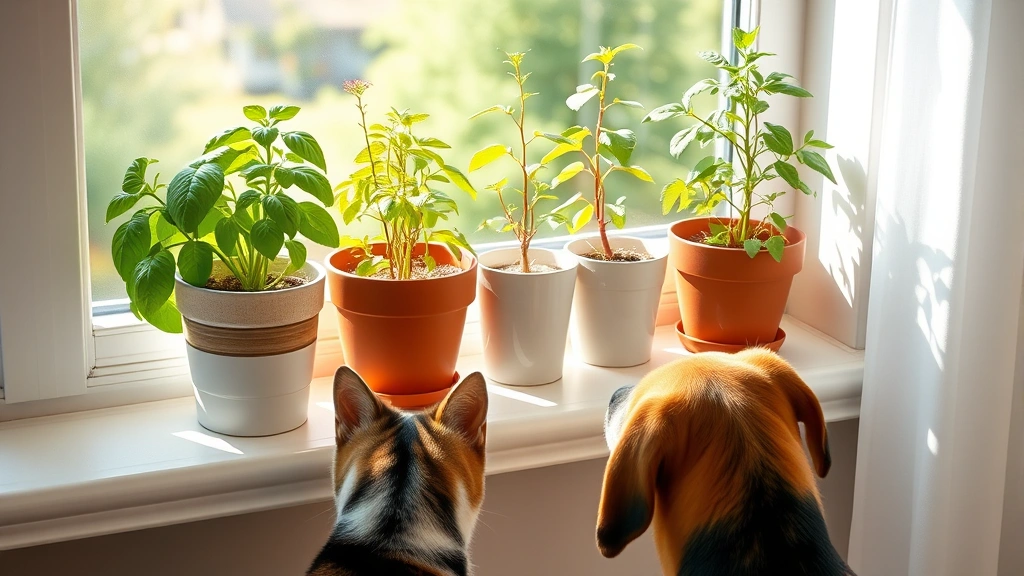
If you’ve got a green thumb, growing your own herbs safe for pets is incredibly rewarding. You control what goes on them (no pesticides), and you always know exactly what you’re giving your furry friend. Catnip is the obvious choice for cats—most of them lose their minds in the best way possible. Cat grass (actually wheat, oat, or barley grass) helps with digestion and hairball management. Mint (not pennyroyal, though—that’s toxic) can aid digestion and freshen breath.
For dogs, consider growing basil, oregano, and thyme in a dedicated pet-safe section of your garden. Keep everything away from areas where you use pesticides or fertilizers. If you’re unsure about any plant, it’s better to skip it than risk poisoning your pet.
Recognizing Signs of Herbal Toxicity in Pets
Even with the best intentions, accidents happen. Knowing the signs of herbal toxicity can help you act quickly if something goes wrong. Watch for vomiting, diarrhea, excessive drooling, tremors, lethargy, or behavioral changes. Some toxins cause more specific symptoms—for instance, toxins affecting the nervous system might cause seizures or incoordination, while liver toxins might cause jaundice (yellowing of the eyes and gums).
If you suspect your pet has eaten something toxic, don’t waste time. Call your vet or the ASPCA Animal Poison Control Center immediately. Have the name of the herb or plant ready, and if possible, know how much your pet consumed. Time is critical in toxicity cases.
Working with Your Veterinarian on Herbal Wellness Plans
Your vet isn’t your enemy when it comes to herbal supplements—they’re your partner. A good veterinarian will listen to your interest in natural wellness and help you navigate it safely. Some vets specialize in herbal medicine and can create customized wellness plans for your pet. Veterinarian recommended supplements are worth exploring, especially for pets with chronic condition management needs.
When you bring up herbs with your vet, come prepared. Tell them specifically which herbs you’re interested in, why you think they’d help, and ask about potential interactions with any current medications or supplements. A conversation, not a confrontation, is the way to go.
Quality Matters: Choosing Reputable Herbal Products
Not all herbal supplements are created equal. The supplement industry is less regulated than pharmaceuticals, which means quality can vary wildly. Some products contain fillers, contaminants, or less of the active ingredient than advertised. Look for products that have been third-party tested, have clear labeling with ingredient lists and dosage recommendations, and come from reputable manufacturers.
Be wary of products making outrageous claims or promising to cure serious diseases. Herbs support wellness; they don’t replace veterinary care. If something sounds too good to be true, it probably is. Check for certifications from organizations that verify supplement quality and purity.

Common Herbs to Absolutely Avoid
Let’s make a quick hit list of herbs that should never, ever go near your pet: Aloe vera (the latex is toxic), eucalyptus (toxic to most pets), tea tree oil (extremely toxic, even in small amounts), pennyroyal (causes liver damage), foxglove (affects the heart), yew (highly toxic), and sago palm (causes liver failure). If you have these plants in your home, keep them completely out of reach or remove them entirely.
The Future of Pet Herbal Medicine
Research into herbal medicine for pets is growing, which is exciting. More studies are being conducted on the efficacy and safety of various herbs for different species and conditions. As a pet owner, you’re part of a larger movement toward more holistic, individualized pet care. The key is staying informed, asking questions, and working with professionals who take both traditional and natural approaches seriously.
Frequently Asked Questions
Can I give my dog the same herbs I use for cooking?
Sometimes, but not always. Herbs like basil, oregano, and thyme in small amounts are generally safe for dogs when used as culinary herbs. However, concentrated forms (like essential oils) can be problematic. Never assume that because an herb is safe to cook with, it’s safe for your pet in any quantity or form. When in doubt, ask your vet.
Are essential oils safe for pets?
Essential oils are concentrated plant compounds and are generally NOT recommended for pets without veterinary guidance. Even oils from safe herbs can be toxic when concentrated. Cats are especially sensitive because they lack certain liver enzymes. If you want to use aromatherapy around your pet, ensure the room is well-ventilated and your pet can leave if they choose.
How long does it take for herbs to work in pets?
This varies depending on the herb, the condition being addressed, and your individual pet. Some herbs might show effects within days (like ginger for nausea), while others take weeks to show benefits (like turmeric for joint health). Be patient and consistent, and keep your vet in the loop about what you’re observing.
Can I give my cat herbs?
Cats require extra caution with herbs because their metabolism is different from dogs’. Many herbs that are safe for dogs can be problematic for cats. Stick to cat-specific options like catnip and cat grass, and always check with your vet before introducing any new herb to your cat’s routine.
What’s the difference between fresh herbs and dried herbs for pets?
Dried herbs are more concentrated than fresh herbs, so dosing is different. A pinch of dried turmeric is much stronger than a pinch of fresh turmeric. If you’re using fresh herbs from your garden, you’ll need larger amounts to achieve the same effect as dried supplements, but you also have less risk of concentrated toxicity.
Conclusion: Creating a Safe Herbal Wellness Plan for Your Pet
Herbs safe for pets can be a wonderful addition to your animal’s wellness routine when you approach them with knowledge, caution, and professional guidance. The key is remembering that natural doesn’t automatically mean safe, and that every pet is unique with different needs and sensitivities. Start with well-researched herbs like turmeric, chamomile, and ginger. Always consult your veterinarian before introducing anything new. Watch your pet closely for any changes, keep detailed records, and adjust as needed. By combining the best of traditional veterinary medicine with thoughtful herbal supplementation, you’re giving your pet the gift of comprehensive, personalized care. Your furry friend is counting on you to make informed decisions, and now you’ve got the knowledge to do it right.





