
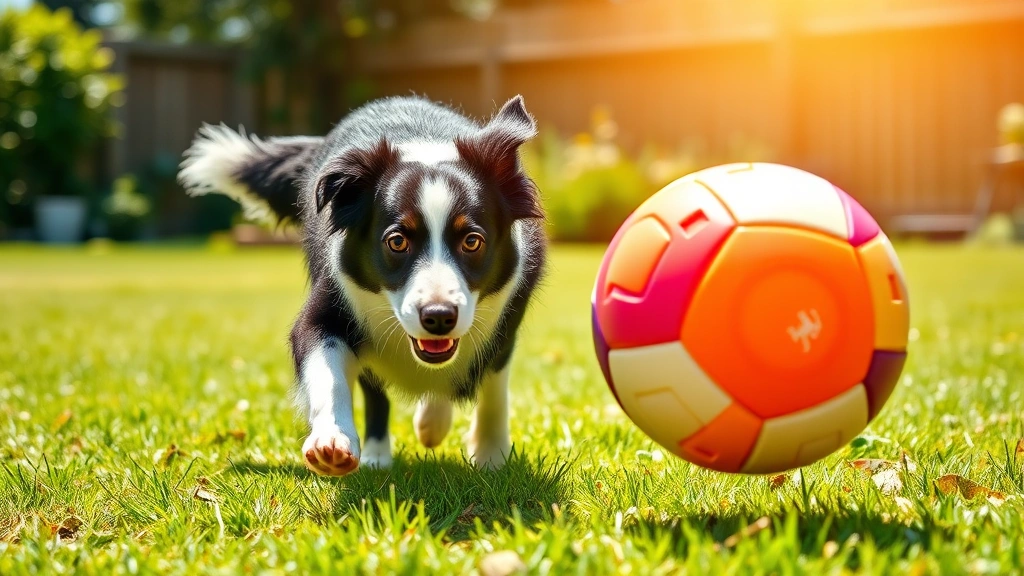
A herding ball for dogs is basically a giant, durable toy that satisfies your pup’s natural instinct to chase, push, and control moving objects—without requiring you to throw anything repeatedly until your shoulder falls off. If you’ve got a Border Collie, Australian Shepherd, or any dog with enough energy to power a small city, this could be a game-changer for keeping them mentally and physically stimulated.
Table of Contents
- What Exactly Is a Herding Ball for Dogs?
- Why Your Dog Needs a Herding Ball (Seriously)
- The Best Herding Ball for Dogs on the Market
- Size Matters: Choosing the Right Herding Ball for Your Dog
- Material Types: Plastic vs. Inflatable Herding Balls
- Safety Considerations for Herding Ball Play
- Training Tips: Getting Your Dog Excited About Their Herding Ball
- The Health Benefits of Herding Ball Play
- Herding Ball Alternatives and Complementary Toys
- Frequently Asked Questions
- Final Thoughts: Is a Herding Ball Right for Your Dog?
What Exactly Is a Herding Ball for Dogs?
Think of a herding ball as the Swiss Army knife of dog toys. It’s typically a large, lightweight, hollow ball (usually 18-48 inches in diameter) designed specifically for dogs to push around with their nose and paws. Unlike a regular ball, herding balls are built to withstand serious abuse from determined canines and are designed to encourage natural herding behaviors.
The concept taps into what dogs were literally bred to do—herd livestock by nipping, pushing, and controlling movement. A herding ball for dogs channels that energy into a constructive, toy-based activity. Dogs can push it around the yard, chase it, and engage in solo play without needing a human participant.
Why Your Dog Needs a Herding Ball (Seriously)
If you’ve ever watched a herding breed try to “herd” your kids, cats, or even shadows on the wall, you know they need an outlet. A herding ball for dogs provides exactly that. It’s not just about burning calories—though that’s definitely a bonus—it’s about mental stimulation and behavioral enrichment.
Dogs with high herding drives often develop destructive behaviors when bored: chewing furniture, excessive barking, or obsessively chasing family members. According to the American Kennel Club (AKC), providing appropriate outlets for breed-specific behaviors can significantly reduce problem behaviors and improve overall well-being.
The Best Herding Ball for Dogs on the Market
Let’s talk about five solid options that won’t disappoint your four-legged herding champion.
1. Jolly Ball Push Toy
The Jolly Ball is the OG of herding balls for dogs. It’s a 20-inch diameter ball made from durable plastic with a handle on one side. The design is simple but effective—your dog can grab the handle, push it with their nose, or chase it around the yard. It comes in fun colors and is virtually indestructible. This is the herding ball for dogs that most trainers recommend as a starting point.
2. Mega Ball by Wubble
If your dog is a serious athlete, the Mega Ball might be your answer. This massive 36-inch inflatable ball is lightweight and bouncy, making it exciting for dogs who love unpredictable movement. It’s perfect for larger dogs and open spaces. Just make sure your pup doesn’t have sharp nails, as punctures are possible with inflatable options.
3. Hippity Hop Ball
The Hippity Hop Ball is another plastic option similar to the Jolly Ball but with a slightly different design. It’s 18 inches in diameter, making it ideal for medium-sized dogs. The textured surface provides better grip for dogs’ paws, and it’s made from non-toxic plastic. This herding ball for dogs is especially good for dogs who prefer a smaller, more manageable toy.
4. Boomer Ball
The Boomer Ball comes in various sizes (18 to 48 inches) and is made from heavy-duty plastic designed for serious play. It’s heavier than some alternatives, which means it requires more effort to move—great for building strength and providing serious mental engagement. Available in multiple colors, the Boomer Ball is built for long-term durability.
5. Herding Ball with Squeaker
Some manufacturers now offer herding balls with built-in squeakers or noise-making features. These add an extra sensory element that some dogs find irresistible. A herding ball for dogs with auditory feedback can increase engagement, though squeakers do eventually wear out or get destroyed by determined chewers.
Size Matters: Choosing the Right Herding Ball for Your Dog
The size of your herding ball for dogs should correspond to your dog’s size and strength. A general rule: the ball should be large enough that your dog can’t fit it entirely in their mouth, but small enough that they can still push it around comfortably.
Small dogs (under 25 lbs): 18-20 inch balls
Medium dogs (25-60 lbs): 24-30 inch balls
Large dogs (over 60 lbs): 36-48 inch balls
Your Cavachon or other companion breed might enjoy a smaller herding ball for dogs, while a working Border Collie would find it underwhelming. Consider your dog’s play style too—some prefer pushing, others prefer chasing.
Material Types: Plastic vs. Inflatable Herding Balls
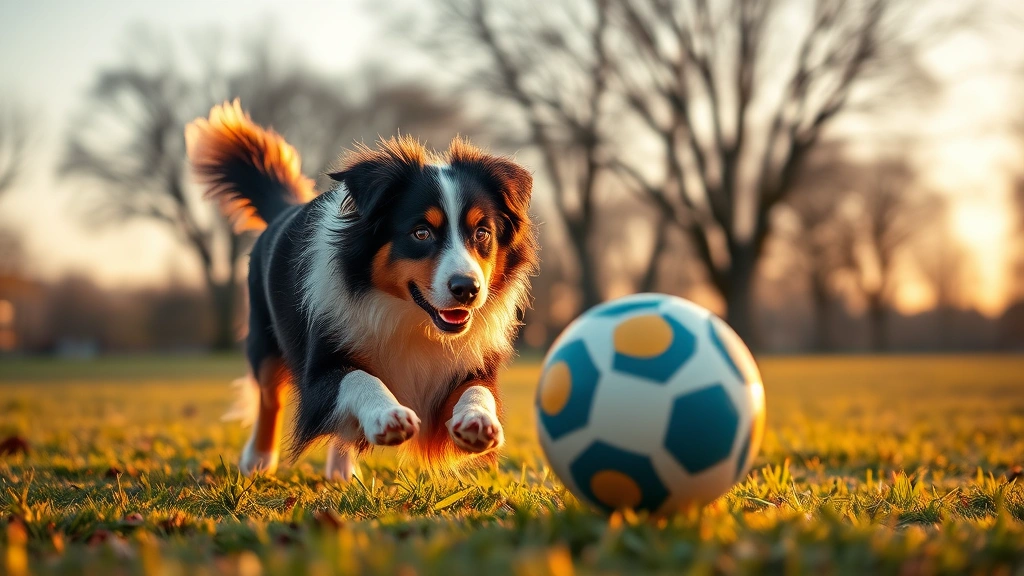
Plastic herding balls for dogs are typically more durable and puncture-resistant. They’re heavier, which means they require more effort to move and provide better resistance for strength building. The downside? They’re louder and can be harder on joints if your dog is slamming into them repeatedly.
Inflatable herding balls for dogs are lighter, bouncier, and more unpredictable. Dogs often find the movement more engaging. However, they’re vulnerable to punctures from sharp nails or teeth. They’re also easier to store and transport—great if you want to bring a herding ball for dogs on car trips (maybe paired with a car seat for dogs for safety).
Safety Considerations for Herding Ball Play
Before your dog becomes obsessed with their new herding ball for dogs, consider these safety factors:
Supervision: Always supervise play, especially initially. Some dogs become so focused they might ignore other dangers.
Space: Use herding balls for dogs in open areas away from obstacles, stairs, or traffic. You don’t want your pup chasing the ball into danger.
Joint Impact: While herding balls for dogs are great for exercise, excessive jumping or hard impacts can stress joints. Rotate with other activities.
Puncture Risk: For inflatable options, trim your dog’s nails regularly and inspect the ball frequently for damage.
Age Considerations: Puppies and senior dogs might not be ready for intense herding ball play. Consult your vet if your dog has joint issues.
Training Tips: Getting Your Dog Excited About Their Herding Ball
Not every dog immediately understands what to do with a herding ball for dogs. Here’s how to make it irresistible:
Start Small: Introduce the herding ball for dogs in a confined space like a living room before moving to the yard. This prevents the ball from rolling away and losing your dog’s interest.
Make It Fun: Roll the ball gently to get it moving. Most dogs’ prey drive will kick in automatically.
Use Treats: Place treats near the ball to encourage interaction and investigation.
Play Together: Initially, engage with the ball yourself. Chase it, push it, make it seem like the most fun thing ever.
Celebrate Success: Praise enthusiastically when your dog pushes or chases the ball. Positive reinforcement works.
Rotate Toys: Don’t leave the herding ball for dogs out 24/7. Novelty increases excitement. Store it away and bring it out during designated play times.
The Health Benefits of Herding Ball Play
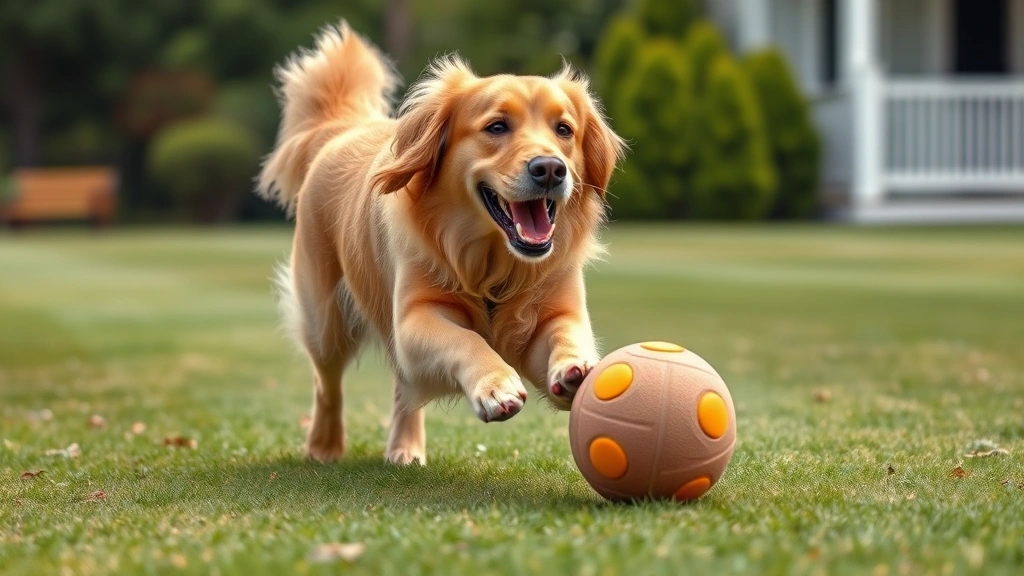
Beyond just entertainment, a herding ball for dogs provides legitimate health benefits. According to PetMD, adequate exercise and mental stimulation can reduce obesity, anxiety, and behavioral problems in dogs.
Regular herding ball for dogs sessions can improve cardiovascular fitness, build muscle strength, and enhance coordination. The pushing and chasing movements engage different muscle groups than standard running or fetching. For dogs recovering from injury, a herding ball for dogs can provide low-impact exercise under veterinary guidance.
The mental stimulation aspect is equally important. Engaging natural instincts through play reduces stress and prevents the development of destructive behaviors. Dogs that get adequate enrichment sleep better, have better focus during training, and show improved overall behavior.
Herding Ball Alternatives and Complementary Toys
While a herding ball for dogs is fantastic, it works best as part of a varied enrichment routine. Consider pairing it with other toys and activities. After an intense herding ball session, your dog might appreciate relaxing on a cooling dog bed to recover.
Other herding-appropriate toys include flirt poles, tug toys, and puzzle feeders. Herding dogs also benefit from training activities, agility work, and nose work games. The key is variety—keeping your dog’s mind and body engaged prevents boredom.
Frequently Asked Questions
Can all dog breeds use a herding ball?
While herding balls are specifically designed for herding breeds, any dog can enjoy pushing a ball around. However, herding breeds (Border Collies, Australian Shepherds, Corgis, etc.) tend to be most naturally drawn to the activity. Non-herding breeds might need more encouragement to engage with a herding ball for dogs.
How long can my dog play with a herding ball?
Most dogs can play with a herding ball for dogs for 15-30 minutes before tiring out, depending on age and fitness level. Start with shorter sessions and gradually increase duration. Always monitor for signs of fatigue or overheating.
Can herding balls damage my yard?
Herding balls for dogs won’t damage most yards, but repeated pushing in the same area might create worn patches. Rotate play areas to prevent this. If you’re concerned, use the herding ball for dogs on a patio or hard surface instead.
Are herding balls good for senior dogs?
Senior dogs can enjoy herding balls for dogs, but choose a lighter, smaller option and keep sessions brief. Always consult your vet before introducing new exercise equipment, especially if your dog has joint issues.
What’s the best herding ball for dogs that are aggressive chewers?
For aggressive chewers, stick with solid plastic herding balls for dogs like the Boomer Ball or Jolly Ball. Avoid inflatable options, as they’ll be destroyed quickly. Even plastic balls can eventually succumb to determined chewing, so inspect regularly and replace as needed.
Can I leave a herding ball outside?
You can leave a herding ball for dogs outside, but UV exposure will eventually degrade plastic. Store it in a shaded area or bring it inside when not in use. Inflatable balls are more susceptible to sun damage.
Final Thoughts: Is a Herding Ball Right for Your Dog?
If you’ve got a dog with herding instincts or simply need a way to burn off excess energy, a herding ball for dogs is worth the investment. It’s affordable, durable, and provides both physical and mental stimulation that most dogs absolutely love.
The best herding ball for dogs depends on your specific pup—their size, play style, and chewing intensity. Start with a mid-range option like the Jolly Ball or Hippity Hop Ball, and upgrade or adjust based on how your dog responds.
Remember, a herding ball for dogs isn’t a replacement for walks, training, or human interaction. It’s a supplement to a well-rounded enrichment routine. When used properly, it’s one of the most effective tools for keeping active dogs happy, healthy, and well-behaved.
Your dog’s natural instincts deserve an outlet. Give them a herding ball for dogs, and watch them transform into the happiest, most satisfied version of themselves.





