
Hiding pills in food is one of the most practical skills any pet owner can master, especially when your furry friend decides that medication tastes like betrayal. Whether you’re dealing with a stubborn cat, a suspicious dog, or a picky small animal, getting them to swallow their meds without a wrestling match is an art form worth perfecting.
Table of Contents
- Why Hiding Pills in Food Works So Well
- The Peanut Butter Classic: Method #1
- Wet Food Wrapping: Method #2
- The Pill Pocket Alternative: Method #3
- The Butter and Treat Combo: Method #4
- Yogurt and Fruit Blend: Method #5
- Timing and Delivery: The Critical Factor
- Common Mistakes to Avoid
- When to Consult Your Veterinarian
- Special Considerations for Different Pets
- Building Positive Associations
- Frequently Asked Questions
- Final Thoughts: Mastering Medication Administration
Why Hiding Pills in Food Works So Well
Let’s be real: most pets would rather eat a shoe than take medication willingly. Hiding pills in food bypasses the taste-detection system in your pet’s mouth by camouflaging the pill within something delicious. This method works because it combines the medication with flavors and textures that your pet already loves, making them less likely to detect the sneaky tablet or capsule hiding inside.
The psychology is simple. Pets eat first, ask questions later—especially when it comes to their favorite snacks. By using this natural instinct, you’re working with your pet’s behavior instead of against it, which makes the whole medication process less stressful for everyone involved.
The Peanut Butter Classic: Method #1
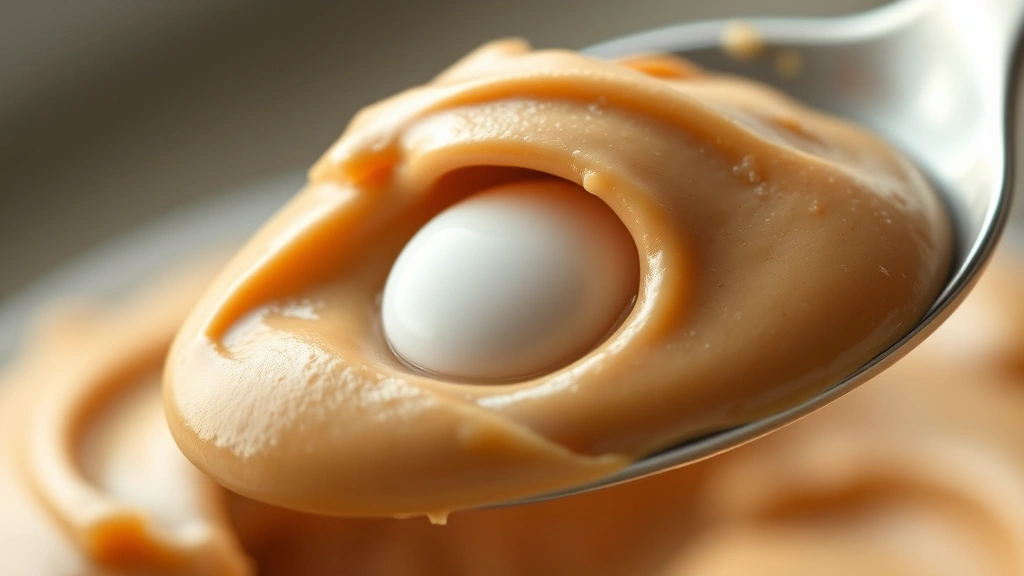
Peanut butter remains the gold standard for hiding pills in food, and for good reason. The thick, sticky consistency masks pill shapes perfectly, and most dogs find it absolutely irresistible. Simply take a small spoonful of peanut butter, create a little pocket in the middle, drop the pill inside, and seal it up with more peanut butter.
Pro tip: Use creamy peanut butter rather than chunky, as it provides better pill coverage. Also, make sure your peanut butter doesn’t contain xylitol, which is toxic to pets. Check that label every single time—no exceptions.
For cats or smaller animals, you might need to use less peanut butter and ensure they consume the entire portion. Some pet owners swear by making tiny peanut butter balls, which makes the medication feel like an actual treat rather than a suspicious lump.
Wet Food Wrapping: Method #2
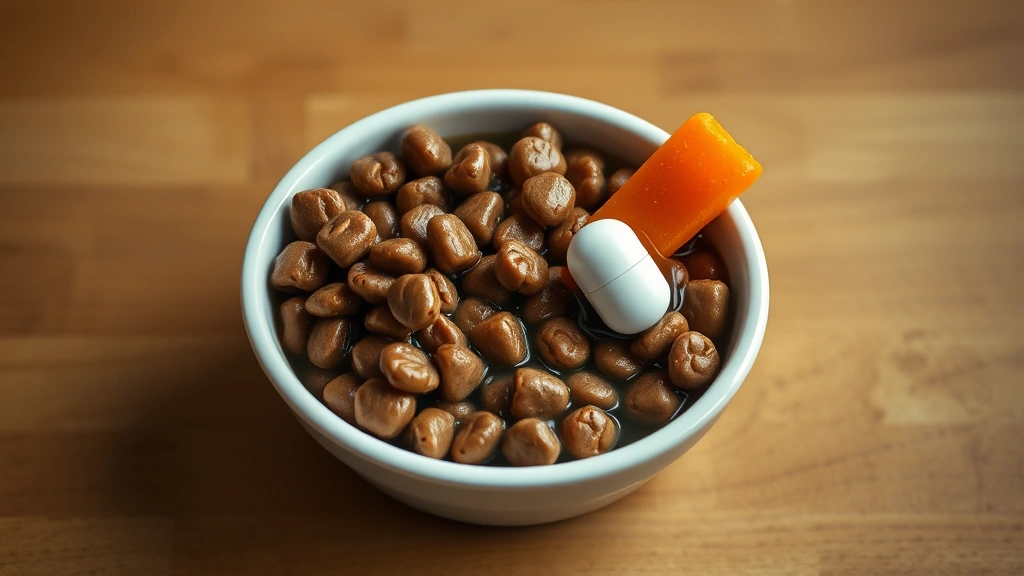
Wet food is your secret weapon when it comes to disguising medications for picky eaters. Whether you’re using canned dog food, cat food, or prescription diet options, the moisture and strong aroma help mask the pill completely. The key is using a small amount of wet food—just enough to coat and conceal the medication without making the portion so large that your pet leaves it behind.
Mix the pill directly into a spoonful of wet food, or create a little food pocket similar to the peanut butter method. The bonus here is that wet food often smells more appetizing to pets than dry kibble, making them more likely to consume it quickly without inspection. This method pairs well with sensitive stomach supplements since many pets on medications have dietary restrictions anyway.
The Pill Pocket Alternative: Method #3
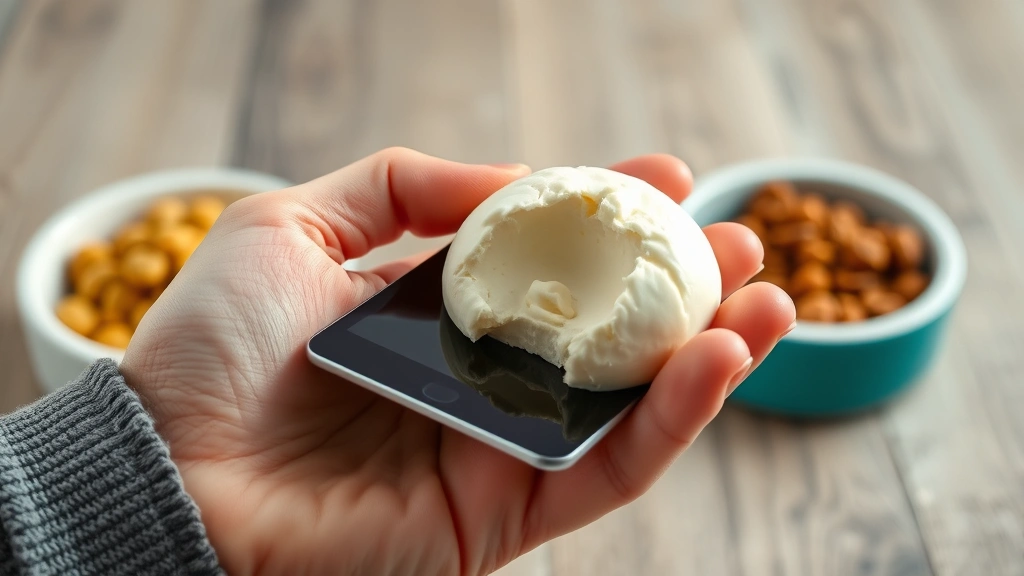
If commercial pill pockets aren’t cutting it, you can create homemade versions using cream cheese, liverwurst, or even a small piece of deli meat rolled into a ball. Liverwurst is particularly effective because its pungent smell overwhelms any medication odor, and most pets find it absolutely delectable.
Wrap the pill tightly in your chosen food, making sure there are no exposed edges. The goal is to make it look and feel like a regular treat. Some pet owners use this method in combination with pet supplement combination packs to ensure their pets get multiple medications or supplements without needing separate hiding tricks for each one.
The Butter and Treat Combo: Method #4
A little butter goes a long way when hiding pills in food. Coat your pill with a thin layer of butter, then immediately roll it in a powdered treat or crush up a favorite snack to coat it. The butter acts as an adhesive, and the treat coating adds flavor and texture that masks the medication completely.
This method works exceptionally well for dogs who are texture-sensitive, as it creates a more uniform feel in their mouth. The butter also makes the pill easier to swallow, reducing the risk of it getting stuck or causing irritation. Just remember that butter should be used sparingly, especially for pets watching their weight.
Yogurt and Fruit Blend: Method #5
For pets who prefer something a bit lighter, plain yogurt mixed with a small amount of fruit puree can be incredibly effective. The tanginess of yogurt combined with the sweetness of fruit creates a flavor profile that most pets find irresistible. Drop the pill into a small yogurt cup, mix it thoroughly, and serve as a special treat.
This method is particularly useful for cats and smaller animals who might struggle with larger food portions. The probiotic benefits of yogurt are also a nice bonus for your pet’s digestive health. Just make sure the yogurt is plain and doesn’t contain xylitol or artificial sweeteners, which can be harmful.
Timing and Delivery: The Critical Factor
Knowing how to hide pills in food is only half the battle. Timing your medication administration is equally important. Give your pet the medicated food when they’re hungry and less likely to inspect it carefully. Never give it when they’re distracted or full, as they might spit it out for later inspection.
Watch your pet consume the entire portion before offering anything else. This ensures they don’t spit out the pill once they detect it. Some pet owners use a “treat sandwich” method: give a regular treat first, then the medicated treat, then another regular treat to create a positive association and ensure the medication gets swallowed quickly.
Common Mistakes to Avoid
The biggest mistake pet owners make is using too much food to hide the pill. When you use excessive amounts, your pet might eat only part of it, leaving the medication behind. Keep portions small and focused on the pill itself.
Another error is trying the same method repeatedly after your pet has caught on. Pets are smart—they remember which foods contained surprises. Rotate between different hiding methods to keep them guessing. Also, avoid crushing pills unless your vet explicitly approves it, as some medications have special coatings that protect them from stomach acid.
Don’t forget to check pet supplement interactions before combining medications with certain foods. Some foods can interfere with medication absorption, so always confirm with your veterinarian that your chosen hiding method won’t compromise the drug’s effectiveness.
When to Consult Your Veterinarian
If your pet consistently refuses medicated food or spits out pills, contact your vet immediately. They might be able to prescribe liquid versions of the medication, compounded tablets in different flavors, or alternative delivery methods like injections. Your vet can also provide guidance on whether crushing or splitting pills is safe for your specific medication.
Additionally, discuss pet supplement storage with your veterinarian to ensure you’re keeping medications at the proper temperature and away from light and moisture. Some medications lose effectiveness if stored improperly, which could explain why your pet seems to be having negative reactions.
Special Considerations for Different Pets
Dogs are generally easier to medicate than cats, but individual personalities vary wildly. Some dogs are pill-detection experts who can sniff out medication from a mile away. Cats, on the other hand, are notoriously suspicious and often require more creative approaches. Small animals like rabbits, guinea pigs, and hamsters need smaller portions and may require crushing pills into powder form (with vet approval) and mixing with applesauce or banana.
For anxiety treats for cats, hiding pills in food becomes even more important since stressed pets are less likely to take medication willingly. Creating a calm, positive association with medicated treats can actually help reduce your cat’s overall anxiety.
Building Positive Associations
The best long-term strategy for hiding pills in food is creating positive associations with the medication process. Never force your pet or show frustration. Instead, make medication time feel like a special treat moment. Use a happy tone of voice, offer praise and affection after they consume the medicated food, and consider giving a small reward afterward (if your vet approves).
Over time, your pet might actually look forward to medication time because they associate it with positive attention and treats. This psychological shift makes the entire process smoother and less stressful for everyone involved.
Frequently Asked Questions
Can I crush my pet’s medication and hide it in food?
Not always. Some medications have special coatings that protect them from stomach acid or control their release rate. Crushing these pills can render them ineffective or cause side effects. Always ask your veterinarian before crushing any medication. If crushing is necessary, your vet might recommend a compounded version instead.
What’s the best food for hiding pills in?
The best food depends on your individual pet’s preferences, but peanut butter, wet food, cream cheese, and liverwurst are universally effective. The key is choosing something your pet loves and will consume quickly without inspection. Avoid foods that could interact with the medication or cause digestive upset.
How long can I keep a medicated food portion before my pet eats it?
Give medicated food immediately after preparing it. Don’t let it sit around, as the pill might start to show or the food might spoil. Prepare the medicated portion right before your pet’s regular feeding time to maximize the chances they’ll eat it immediately.
What if my pet refuses all hiding methods?
Contact your veterinarian. They can prescribe liquid medications, flavored compounded tablets, or alternative delivery methods like injections or patches. Some pets genuinely cannot be medicated orally, and that’s okay—your vet has solutions.
Is it safe to hide multiple pills in one food portion?
Yes, as long as your vet approves the combination. However, using separate portions for each medication reduces the risk of your pet detecting and rejecting the entire dose. Pet supplement combination packs can help you organize multiple medications more efficiently.
Can I use the same hiding method every day?
Not indefinitely. Pets catch on quickly, especially cats. Rotate between different methods every few days to keep them from becoming suspicious. This variety also prevents food boredom and keeps the medication process feeling fresh.
Final Thoughts: Mastering Medication Administration
Hiding pills in food is a skill that transforms medication time from a stressful battle into a smooth, positive routine. By understanding your pet’s preferences, rotating methods, and maintaining a calm, positive attitude, you can ensure they get the medication they need without the drama.
Remember that every pet is unique. What works brilliantly for one dog might fail completely with another. Be patient, stay creative, and don’t hesitate to work with your veterinarian when you hit a roadblock. Your pet’s health depends on consistent medication adherence, and mastering these hiding techniques is a crucial part of responsible pet ownership.
Whether you’re using the classic peanut butter method, wet food wrapping, or homemade pill pockets, the goal remains the same: getting your pet’s medication into their system safely and stress-free. With these five proven tricks in your arsenal, you’re well-equipped to handle whatever medication challenges come your way. Check out at-home pet treatments for more strategies to support your pet’s health journey.





