
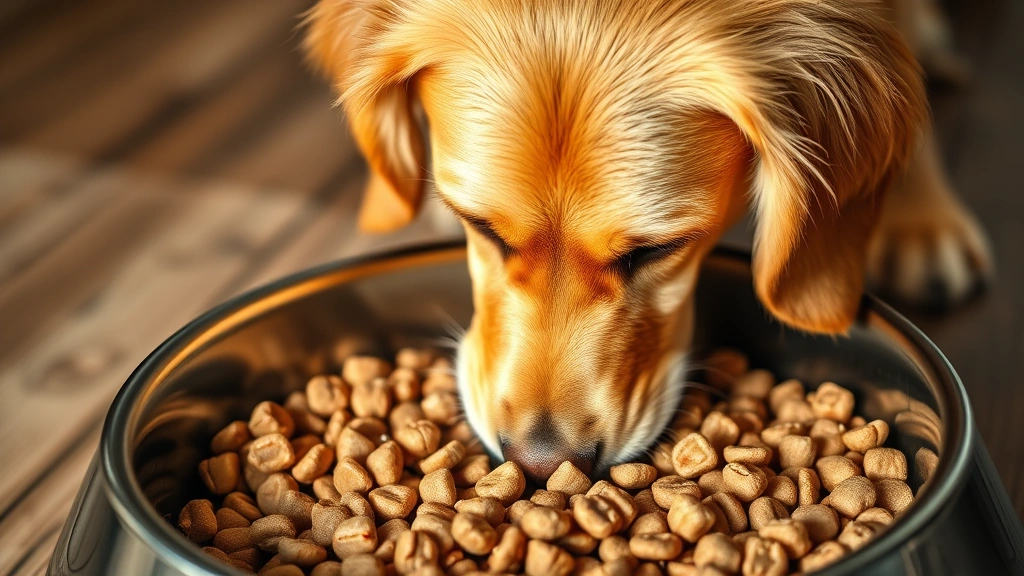
If your furry best friend looks like they’ve been skipping meals at a buffet (in reverse), high calorie dog food might be exactly what the vet ordered. Whether your pup is recovering from surgery, dealing with a speedy metabolism, or just needs to bulk up for the winter, finding the right calorie-dense diet can make all the difference.
Table of Contents
- Why Does Your Dog Need High Calorie Dog Food?
- Understanding Caloric Density in Canine Nutrition
- The Best High Calorie Dog Food Options
- Key Ingredients That Drive Caloric Content
- Transitioning Your Dog to High Calorie Formulas
- Monitoring Weight Gain Progress
- Supplementing High Calorie Dog Food
- Common Mistakes When Feeding High Calorie Dog Food
- When to Consult Your Veterinarian
- Budget-Friendly Alternatives to Premium Brands
- Frequently Asked Questions
- Final Thoughts on Choosing High Calorie Dog Food
Why Does Your Dog Need High Calorie Dog Food?
Not all dogs are created equal—some are like tiny furry furnaces that burn through calories faster than you can say “treat time.” High calorie dog food serves several important purposes. Working dogs, underweight rescues, senior pups with decreased appetites, and dogs recovering from illness all benefit from nutrient-dense, energy-packed meals. The goal isn’t just to feed your dog more; it’s to feed them smarter with concentrated nutrition that packs a punch in every bite.
Understanding Caloric Density in Canine Nutrition
Caloric density refers to how many calories are packed into each cup of food. A typical adult dog food contains around 350-400 calories per cup, while high-calorie formulas can reach 500+ calories. This matters because it means your dog gets more energy without having to eat enormous portions. It’s like the difference between eating a salad versus a steak—same volume, wildly different fuel. When selecting high calorie dog food for weight gain, look for formulas with higher fat content (15-25%) and quality protein sources (25-35%).
The Best High Calorie Dog Food Options
Let’s break down five stellar options that can help your pup pack on healthy pounds:
1. Purina Pro Plan Sport Performance
This formula is basically CrossFit in kibble form. With 30% protein and 20% fat, it delivers approximately 450 calories per cup. It’s designed for active dogs and those needing weight gain, making it ideal for working breeds and underweight pups. The formula includes fish oil for coat health and joint support.
2. Royal Canin Recovery
If your dog is bouncing back from surgery or illness, this prescription-grade option is a game-changer. It’s highly digestible and energy-dense, specifically formulated for post-operative recovery. Your vet can prescribe this, and it’s worth every penny for dogs in transition periods.
3. Orijen Original Grain-Free
For the posh pup, Orijen delivers 450+ calories per cup with 42% protein and 15% fat. It’s packed with fresh meat ingredients and contains no grains, making it excellent for dogs with sensitivities. It’s pricier than competitors, but the ingredient quality justifies the cost.
4. Taste of the Wild High Prairie
This grain-free formula contains 30% protein and 15% fat with about 370 calories per cup. What makes it special is the inclusion of bison, venison, and roasted vegetables, plus probiotics for digestive health. It’s a solid middle-ground option for budget-conscious pet parents seeking quality.

3. Wellness CORE Grain-Free
With 38% protein and 18% fat, this formula packs approximately 430 calories per cup. It features deboned meat as the primary ingredient and includes omega fatty acids for skin and coat health. Dogs love the taste, and owners appreciate the transparent ingredient list.
Key Ingredients That Drive Caloric Content
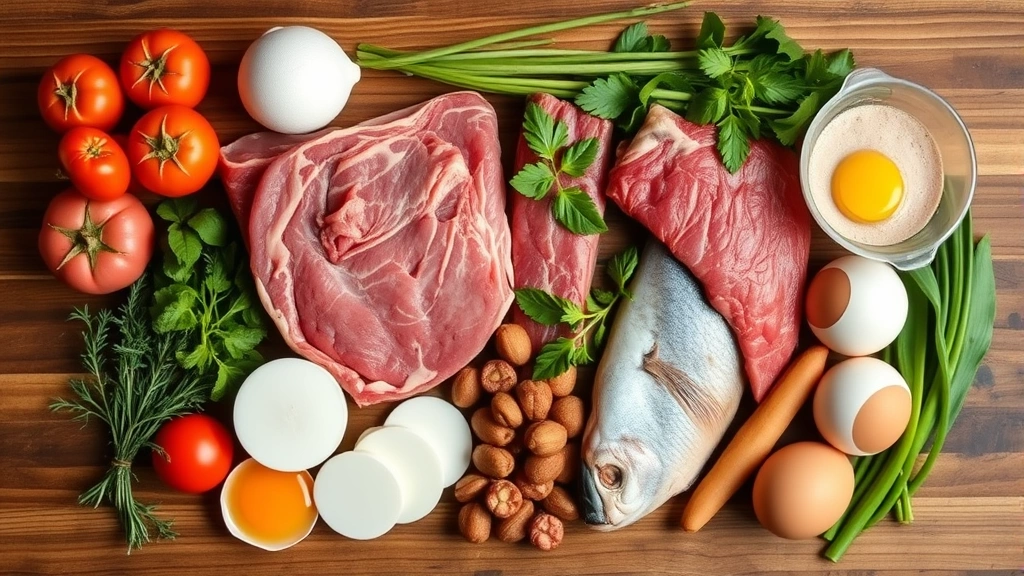
High calorie dog food relies on specific ingredients to boost energy density. Fat is the MVP here—each gram contains 9 calories compared to 4 calories per gram of protein or carbs. Quality fat sources include fish oil, chicken fat, and beef tallow. Protein-rich ingredients like deboned meat, fish meal, and eggs provide both calories and essential amino acids. Carbohydrates like sweet potatoes and brown rice add fiber and sustained energy. When reading labels, prioritize foods listing meat as the first ingredient and containing visible fat sources.
Transitioning Your Dog to High Calorie Formulas
Don’t just swap foods overnight—your dog’s digestive system needs time to adjust. Mix the new food with the old over 7-10 days, gradually increasing the ratio of new food. Start at 25% new food and 75% old, moving to 50/50, then 75/25 before going full switch. Monitor your pup’s stool consistency; if things get loose, slow down the transition. Some dogs are sensitive to dietary changes, and patience prevents painful digestive upset.
Monitoring Weight Gain Progress
Track your dog’s weight weekly using a consistent scale—your vet’s office usually lets you pop in for free weigh-ins. Aim for gradual weight gain of 1-2 pounds per week for most dogs. You should be able to feel ribs without pressing hard, and your dog should have a visible waist when viewed from above. If your pup isn’t gaining despite the calorie boost, consult your vet to rule out underlying health issues like parasites or thyroid problems. It’s also worth considering bone broth recipes for pets as a calorie-dense supplement to meals.
Supplementing High Calorie Dog Food
Sometimes food alone isn’t enough. Adding healthy supplements can accelerate weight gain. Fish oil boosts calories while supporting joint and coat health. Pumpkin puree (plain, not pie filling) aids digestion and adds minimal calories but improves nutrient absorption. Wet food mixed with kibble increases palatability and caloric intake. Toppers like plain cooked chicken, ground beef, or eggs make meals irresistible. Just ensure supplements don’t exceed 10% of daily caloric intake to maintain nutritional balance.
Common Mistakes When Feeding High Calorie Dog Food
The biggest mistake? Overfeeding. Just because food is calorie-dense doesn’t mean you feed double portions. Follow package recommendations and adjust based on your dog’s response. Another common error is neglecting pet food safety—always store kibble in airtight containers to prevent rancidity and bacterial growth. Don’t suddenly switch brands without transition periods; this causes digestive distress. Finally, avoid the temptation to add human food treats excessively, as they can unbalance nutrition and introduce unhealthy ingredients.
When to Consult Your Veterinarian
Before starting any weight-gain program, chat with your vet. They can rule out medical conditions preventing weight gain and recommend breed-specific formulas. If your dog isn’t gaining weight after 3-4 weeks on high calorie dog food, return for bloodwork. Conditions like parasites, malabsorption issues, or metabolic disorders need addressing before dietary changes alone will help. Your vet can also recommend prescription formulas if your dog has specific health requirements, such as diabetic-friendly options.
Budget-Friendly Alternatives to Premium Brands
Premium doesn’t always mean best—some excellent budget-friendly options exist. Purina Pro Plan Sport (non-prescription version) offers great value. Taste of the Wild provides quality ingredients at reasonable prices. Store brands from Costco and Sam’s Club often rival premium brands in nutrition at fraction of the cost. Consider making budget-friendly homemade pet treats to supplement commercial food affordably.
Frequently Asked Questions
How much high calorie dog food should I feed daily?
Follow package recommendations based on your dog’s current weight and target weight. Generally, feed 2-3% of body weight daily, divided into 2-3 meals. Adjust based on weight gain progress—if gaining too quickly, reduce portions slightly.
Can I use high calorie dog food for healthy-weight dogs?
Not recommended. High calorie formulas are designed for specific needs. Regular dogs on these diets will become overweight, leading to joint problems, diabetes, and heart disease. Use appropriate maintenance formulas for healthy-weight pups.
How long does it take to see weight gain results?
Most dogs show visible weight gain within 2-4 weeks on high calorie dog food. Severely underweight dogs may take 8-12 weeks to reach ideal weight. Consistency matters—stick with the program and monitor progress weekly.
Are grain-free high calorie dog foods better?
Not necessarily. Grain-free doesn’t mean healthier; it’s a marketing term. Some dogs benefit from grain-free diets if they have allergies, but grain-inclusive foods are equally nutritious. Choose based on your dog’s individual needs, not trends.
What’s the difference between high calorie and regular dog food?
High calorie dog food contains higher fat and protein percentages, delivering 450-500+ calories per cup versus 350-400 in regular formulas. This concentrated nutrition helps underweight dogs gain weight without eating excessive volumes.
Final Thoughts on Choosing High Calorie Dog Food
Selecting the right high calorie dog food for your pup requires balancing nutrition, palatability, budget, and your dog’s individual health needs. Start by consulting your veterinarian to rule out underlying health issues. Research ingredient lists and caloric content, then transition gradually to minimize digestive upset. Monitor weight gain weekly and adjust portions as needed. Remember that high calorie dog food is a tool for specific situations—not a permanent diet for healthy-weight dogs. With patience and the right formula, your skinny pup will be sporting a healthy, robust physique in no time. Your furry friend deserves to feel their best, and proper nutrition is the foundation of that wellness journey.





