

So you want to give your furry friend high-fiber human foods for pets—and honestly, it’s not a bad instinct. Your dog or cat’s digestive system might be begging for some help, whether they’re dealing with constipation, diarrhea, or just general gut chaos. The good news? Your kitchen probably already has some fiber-packed options that’ll make your vet nod approvingly. Let’s dig into what actually works and what’ll just make your pet’s stomach angrier than it already is.
Table of Contents
- Why Your Pet Needs Fiber (And No, It’s Not Just for Humans)
- Best High-Fiber Foods for Dogs and Cats
- 1. Pumpkin: The Digestive Superhero
- 2. Sweet Potatoes: The Fiber-Packed Carb
- 3. Carrots: Crunchy Fiber Sticks
- 4. Green Beans: The Underrated Veggie
- 5. Apples: The Crunchy Fruit
- 6. Pears: The Juicy Option
- 7. Oatmeal: The Breakfast Grain
- 8. Berries: Fiber with Antioxidants
- 9. Brown Rice: The Gentle Grain
- 10. Flaxseed: The Omega-3 Booster
- How Much Fiber Is Too Much?
- Signs Your Pet Needs More Fiber
- Cats vs. Dogs: Fiber Needs Are Different
- Foods to Avoid (Because Your Pet Isn’t a Garbage Disposal)
- Creating a Balanced Fiber Plan
- Hydration Matters (More Than You Think)
- Frequently Asked Questions
- The Bottom Line
Why Your Pet Needs Fiber (And No, It’s Not Just for Humans)
Fiber is like the plumbing system of your pet’s digestive tract. It keeps things moving, feeds the good bacteria in their gut, and helps regulate blood sugar levels. Whether you’ve got a chunky golden retriever or a finicky tabby, fiber can work wonders for digestive health. According to the American Kennel Club, adequate fiber intake supports healthy digestion and can even help with weight management. But here’s the thing—you can’t just dump a bowl of bran cereal in front of your pet and call it a day. We’re talking about strategic, measured additions to their diet.
Best High-Fiber Foods for Dogs and Cats
Let’s break down the actual edible gold you can pull from your pantry. These aren’t fancy supplements or expensive prescription diets. These are real foods that’ll boost your pet’s fiber intake without breaking the bank.
1. Pumpkin: The Digestive Superhero
Pumpkin is basically the Swiss Army knife of pet nutrition. Plain pumpkin puree (not the pie filling with all that sugar garbage) contains about 3 grams of fiber per cup and works for both constipation and diarrhea. It’s weird, but it actually regulates things in both directions. Start with a teaspoon for cats, a tablespoon for small dogs, and up to a quarter cup for large breeds. Mix it into their regular food. Your pet will either love it or pretend it doesn’t exist—there’s no middle ground.
2. Sweet Potatoes: The Fiber-Packed Carb
Sweet potatoes are loaded with fiber and packed with beta-carotene. Cook them plain, no butter, no cinnamon sugar nonsense. Cut them into bite-sized pieces or mash them into their food. One medium sweet potato has about 4 grams of fiber. Just remember—moderation is key. These are calorie-dense, so they shouldn’t make up more than 10% of your pet’s daily caloric intake. If your pet has digestive issues like IBD, sweet potatoes can be a game-changer.
3. Carrots: Crunchy Fiber Sticks
Raw carrots are fantastic for both fiber and dental health. They’re low-calorie, high-fiber, and most pets actually enjoy the crunch. A medium carrot has about 3.5 grams of fiber. You can serve them raw, steamed, or frozen (frozen carrots are great for teething puppies and give them something to gnaw on). The fiber content combined with the mechanical action of chewing makes carrots a win-win.
4. Green Beans: The Underrated Veggie
Green beans are about 2.7 grams of fiber per cup and ridiculously low in calories. Serve them steamed or raw, fresh or frozen (thaw them first). They’re bland enough that even picky eaters usually tolerate them. This is especially useful if you’re trying to help your pet lose weight while maintaining satiety—they’ll feel fuller without consuming extra calories.
5. Apples: The Crunchy Fruit
Apples contain about 3.3 grams of fiber per medium fruit. Remove the seeds (they contain cyanogenic compounds—yeah, seriously), chop them up, and offer small pieces. Most pets go crazy for the sweetness and crunch. A few slices as a treat or mixed into their kibble works great. Don’t overdo it though—the natural sugars can add up.
6. Pears: The Juicy Option
One medium pear has about 6 grams of fiber, making it one of the highest-fiber fruits you can offer. Remove seeds and cut into small pieces. The high water content also helps with hydration, which is a bonus. Pears are particularly helpful for maintaining overall digestive health as part of a balanced feeding routine.

7. Oatmeal: The Breakfast Grain
Plain cooked oatmeal has about 8 grams of fiber per cooked cup. Cook it with water, no milk or sugar. It’s gentle on sensitive stomachs and provides soluble fiber that helps regulate digestion. You can mix a few tablespoons into their regular food or serve it as an occasional meal topper. Make sure it’s fully cooked and cooled before serving.
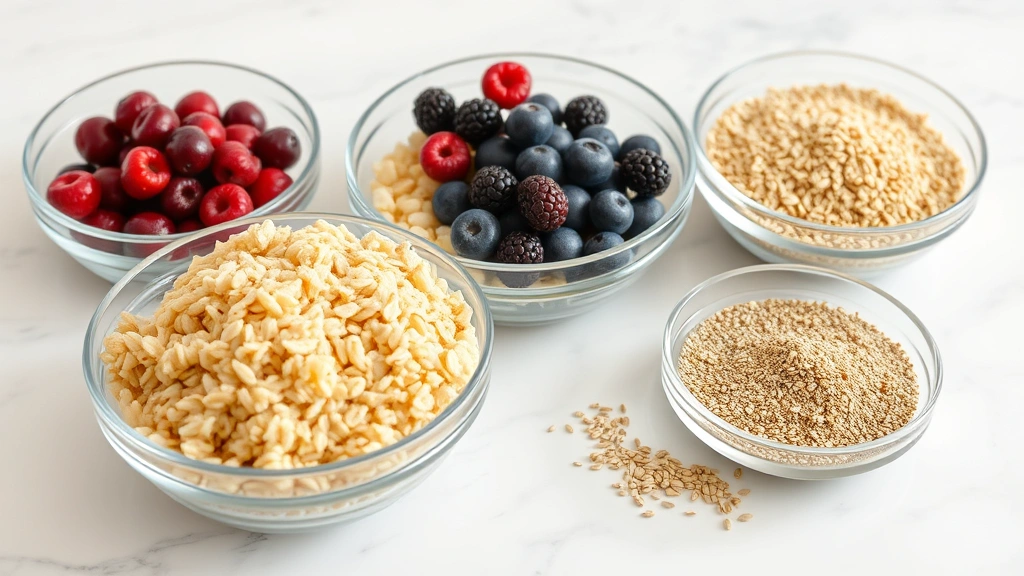
8. Berries: Fiber with Antioxidants
Blueberries, raspberries, and blackberries are packed with fiber and antioxidants. Raspberries lead the pack with about 8 grams of fiber per cup. They’re also low in calories and most pets find them delicious. Serve fresh or frozen (thawed). Just avoid grapes and raisins—those are toxic to pets, no matter how much fiber they contain.
9. Brown Rice: The Gentle Grain
Cooked brown rice has about 3.5 grams of fiber per cooked cup. It’s bland, easy to digest, and works well mixed with their regular food. This is particularly useful during digestive upset, though it’s not as fiber-dense as some other options. If your pet is on a specialized diet, check with your vet before adding grains.
10. Flaxseed: The Omega-3 Booster
Ground flaxseed (not whole—they won’t digest whole seeds) provides about 6 grams of fiber per tablespoon, plus omega-3 fatty acids. Start with a quarter teaspoon and work up to a full teaspoon for dogs, a pinch for cats. Mix it into wet food. It can also help with coat health and skin condition. Store in the fridge after opening since it oxidizes quickly.
How Much Fiber Is Too Much?
Here’s where people mess up. They get excited about fiber and dump a ton into their pet’s bowl, then wonder why their dog suddenly has explosive diarrhea. Fiber needs to be introduced gradually—we’re talking over 7-10 days. Start small and work your way up. Most pets need about 2.5-4.25% of their diet to be fiber, depending on their age, health status, and activity level. If your pet is overweight, fiber can help with supplement boosters and dietary adjustments for weight management.
Signs Your Pet Needs More Fiber
Is your pet struggling with constipation? Dealing with soft stools or diarrhea? Having trouble maintaining a healthy weight? These are all signs that fiber might help. However—and this is important—digestive issues can indicate serious underlying problems. Before you start the fiber revolution, talk to your vet. Some conditions actually require less fiber, not more. If your pet has specific digestive concerns like IBD, your vet might recommend a specific approach to feeding pets with IBD.
Cats vs. Dogs: Fiber Needs Are Different
Dogs are omnivores and handle fiber pretty well. Cats, on the other hand, are obligate carnivores and don’t actually need much fiber at all. That said, some cats benefit from a little extra fiber, especially if they’re dealing with constipation or weight issues. For cats, stick to smaller portions and choose options like pumpkin or cooked carrots. Never force fiber on a cat—they’ll let you know exactly how they feel about that decision.
Foods to Avoid (Because Your Pet Isn’t a Garbage Disposal)
Just because something has fiber doesn’t mean it’s safe for your pet. Avoid avocado (contains persin), macadamia nuts (toxic to dogs), onions and garlic (damage red blood cells), and anything with xylitol (artificial sweetener that causes hypoglycemia). Corn cobs might have fiber, but they’re choking hazards. Stick to the safe options we’ve covered.
Creating a Balanced Fiber Plan
Work with your vet to create a plan that makes sense for your specific pet. Consider their age, weight, current diet, and any existing health conditions. You might use BARF diet feeding frequency guidelines as a framework if you’re doing raw feeding. The goal is to gradually incorporate high-fiber foods into their existing diet without causing digestive upset. Keep a food journal for a week or two so you can track what works and what doesn’t.
Hydration Matters (More Than You Think)
Here’s something people constantly forget: fiber without adequate water can actually make constipation worse. When you increase your pet’s fiber intake, make sure they’re drinking enough water. Add a bit of water or low-sodium broth to their food if they’re not a big drinker. Some pets do better with wet food when increasing fiber. Monitor their water intake closely.
Frequently Asked Questions
Can I give my pet fiber supplements instead of whole foods?
You can, but whole foods are generally better. They provide not just fiber, but also vitamins, minerals, and other beneficial compounds. Supplements can be useful if your pet is picky or has specific dietary restrictions, but they shouldn’t be your first line of defense. Talk to your vet about whether supplements like pet food supplement boosters are appropriate for your pet’s situation.
How long does it take to see results from adding fiber?
Most pets show improvement within 3-5 days, though some take up to two weeks. Consistency is key. You need to stick with it regularly, not just when your pet has digestive issues. If you’re not seeing improvement after two weeks, contact your vet—there might be an underlying issue that needs attention.
Is it safe to give my senior pet high-fiber foods?
Generally yes, but senior pets sometimes have different digestive needs. They might have dental issues that make crunchy foods difficult. They might also be on medications that interact with certain foods. Always check with your vet before making dietary changes for senior pets. Some seniors actually need less fiber, not more.
Can fiber help with my pet’s weight loss?
Absolutely. Fiber keeps pets feeling full longer, which means they eat less overall. It’s low in calories but high in volume, making it perfect for weight management. However, fiber alone won’t cause weight loss—you still need to manage overall calorie intake and ensure adequate exercise.
What if my pet refuses these foods?
Some pets are stubborn. Try mixing fiber-rich foods into their regular kibble, mixing with wet food, or warming them up slightly to enhance the aroma. You can also try different options—just because your dog hates carrots doesn’t mean they’ll hate pumpkin. Be patient and persistent.
The Bottom Line
Adding high-fiber human foods for pets to your pet’s diet doesn’t have to be complicated or expensive. Pumpkin, sweet potatoes, carrots, green beans, apples, pears, oatmeal, berries, brown rice, and flaxseed are all legitimate options that can support digestive health. The key is introducing them gradually, monitoring your pet’s response, and working with your vet to create a plan that makes sense for your specific animal. Your pet’s digestive system will thank you, and honestly, you’ll probably notice improvements in their energy levels, coat quality, and overall wellbeing. Just remember—fiber is a tool, not a cure-all. If your pet has persistent digestive issues, there’s probably something else going on that needs professional attention.





