
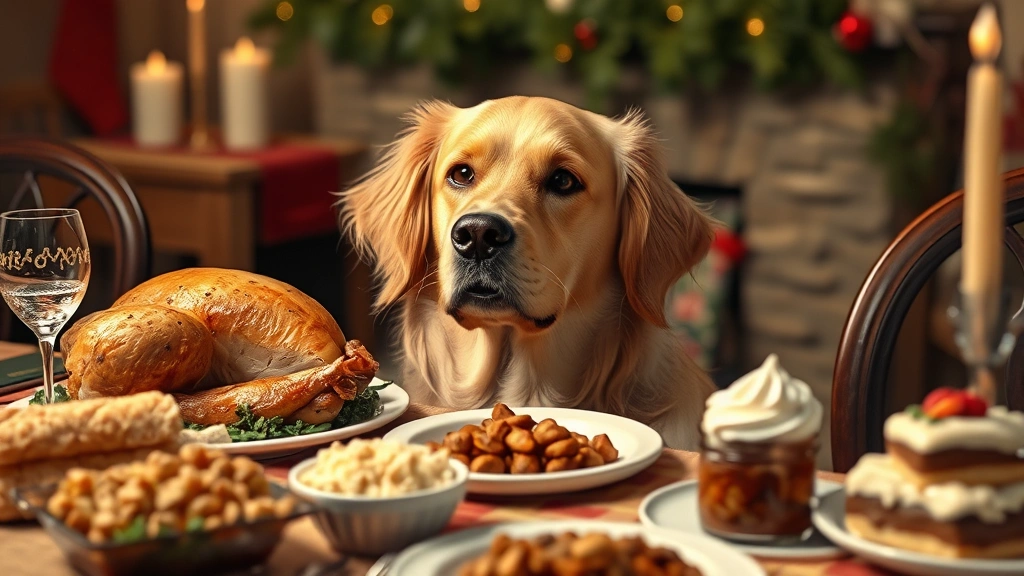
When the holidays roll around, your kitchen becomes a wonderland of delicious smells and tempting treats—but holiday foods pets should avoid can turn your festive season into a veterinary emergency faster than you can say “eggnog.” As a pet owner, you’re probably juggling holiday parties, family gatherings, and all those irresistible seasonal dishes. The problem? Many of your favorite holiday foods are downright dangerous for your furry friends, and they’re not shy about begging for a taste.
Table of Contents
- Chocolate: The Sweetest Poison
- Xylitol: The Hidden Sweetener Killer
- Grapes and Raisins: Small but Mighty Dangers
- Onions and Garlic: The Savory Saboteurs
- Alcohol: Not Just a Human Problem
- Fatty Foods and Overfeeding Pets
- Macadamia Nuts: A Toxic Treat
- Avocado, Persimmons, and Other Festive Fruits
- Bones, Strings, and Choking Hazards
- Salt, Sugar, and Seasonings: The Cumulative Problem
- Creating a Pet-Safe Holiday Strategy
- When to Call the Vet
- Pet-Safe Holiday Alternatives
- Frequently Asked Questions
- Summary: Keep the Holidays Safe for Your Furry Friends
Let’s be real: your dog’s sad puppy eyes when you’re carving the turkey are powerful. Your cat’s insistent meows when you’re baking cookies are hard to ignore. But knowing which holiday foods can seriously harm your pets is the difference between a joyful celebration and an emergency vet visit at 2 AM on Christmas Eve. This guide breaks down exactly what your pets need to avoid and why, so you can enjoy the season without the guilt or the panic.
Chocolate: The Sweetest Poison
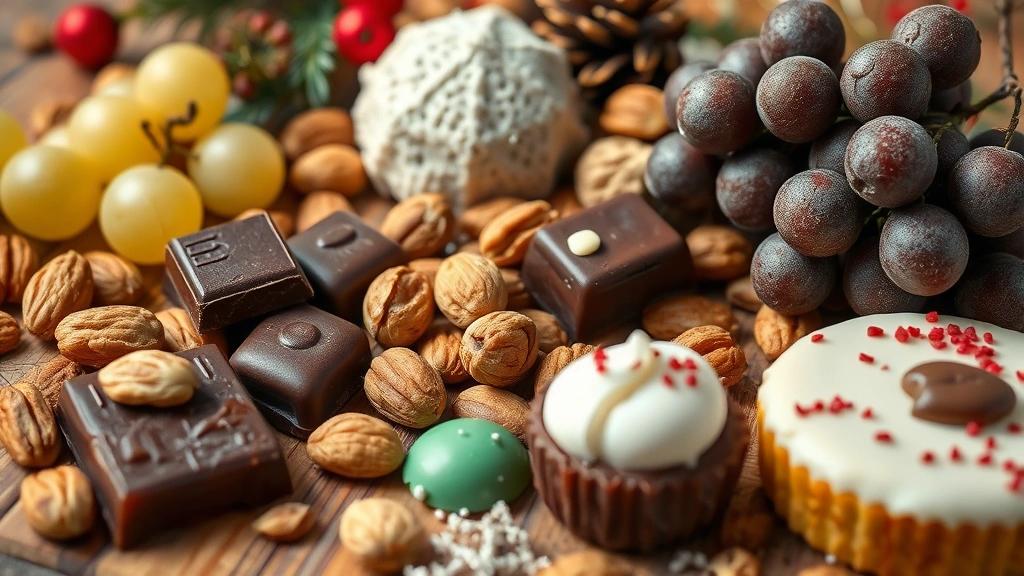
Chocolate is basically the number-one villain in the holiday food world for pets. Dark chocolate and baking chocolate are especially dangerous because they contain higher levels of theobromine, a compound that dogs and cats can’t metabolize like humans can. Even a small amount of dark chocolate can cause serious problems—we’re talking vomiting, diarrhea, rapid heart rate, tremors, and in severe cases, seizures or death.
The scary part? Your pet might not show symptoms immediately. Theobromine toxicity can take 6-12 hours to develop, so that chocolate chip cookie your dog snagged off the counter could be a ticking time bomb. Milk chocolate is less dangerous than dark chocolate, but it’s still not safe. White chocolate, thankfully, contains no theobromine and poses minimal risk—though it’s still packed with sugar and fat that can upset your pet’s stomach. If your pet eats chocolate, contact your vet or the ASPCA Animal Poison Control Center immediately with the type and amount consumed.
Xylitol: The Hidden Sweetener Killer
Xylitol is an artificial sweetener found in sugar-free candies, baked goods, peanut butter, and gum—all things that might be lying around your holiday spread. For dogs, xylitol is absolutely toxic. It causes a rapid release of insulin, leading to severe hypoglycemia (low blood sugar) within 30 minutes. Symptoms include weakness, vomiting, seizures, and even liver failure.
Cats are less sensitive to xylitol than dogs, but that doesn’t mean it’s safe for them. The best approach? Read every label on holiday treats, especially anything sugar-free. Just because something is marketed as a “healthier” option doesn’t mean it’s pet-safe. Keep all xylitol-containing products in a secure place where curious pets can’t access them.
Grapes and Raisins: Small but Mighty Dangers
Grapes and raisins are toxic to both dogs and cats, though the exact reason why remains a bit of a mystery to veterinarians. What we do know is that even a small amount can cause kidney failure in susceptible pets. The problem? We can’t predict which dogs or cats will have a severe reaction. Some pets might eat a handful of grapes with no issues, while others could be seriously harmed by just one or two.
Holiday fruit platters, trail mix, and those fancy fruit-and-nut snack mixes are common culprits. If your pet eats grapes or raisins, don’t wait to see if symptoms develop—contact your vet immediately. Early treatment can prevent kidney damage. Symptoms of grape toxicity include vomiting, diarrhea, lethargy, and decreased appetite, but by the time these show up, kidney damage may have already occurred.
Onions and Garlic: The Savory Saboteurs
Onions, garlic, chives, and leeks all contain compounds called thiosulfates that damage red blood cells in dogs and cats. This can lead to hemolytic anemia, where the body destroys its own red blood cells faster than it can replace them. Garlic is more concentrated, so it’s more dangerous than onions, but both are problematic.
Here’s where it gets tricky: these ingredients are in tons of holiday recipes. Stuffing, gravy, roasted vegetables, and savory dips often contain garlic or onions. Even a small amount of cooked garlic or onion might not cause immediate symptoms, but repeated exposure or a large amount can be dangerous. Watch for signs like pale gums, weakness, vomiting, and diarrhea. The good news? Cooking doesn’t destroy the thiosulfates, but it also doesn’t make them more dangerous, so cooked or raw, you want to keep these away from your pets.
Alcohol: Not Just a Human Problem
Your holiday punch, eggnog, wine, and beer all contain ethanol, which is toxic to pets. Dogs and cats metabolize alcohol much faster than humans, which means even small amounts can cause serious problems. Symptoms include vomiting, diarrhea, decreased coordination, tremors, seizures, and respiratory depression.
The danger is that alcohol is often hidden in holiday foods and drinks. Unbaked dough rising with yeast can ferment and produce alcohol inside your pet’s stomach. Chocolate liqueurs, rum-soaked desserts, and even some sauces can contain enough alcohol to be harmful. Keep all alcoholic beverages out of reach, and be especially careful with uncooked dough—if your pet eats rising dough, contact your vet immediately.
Fatty Foods and Overfeeding Pets
The holidays are all about indulgence, and your pets know it. Turkey skin, buttery mashed potatoes, fatty meats, and rich gravies are everywhere. While a tiny taste of plain turkey probably won’t hurt, excessive fatty foods can cause pancreatitis—a painful inflammation of the pancreas that’s common in dogs after holiday feasts.
Pancreatitis can range from mild to life-threatening. Symptoms include vomiting, abdominal pain, diarrhea, and lethargy. Some dogs recover with supportive care, but others need intensive hospitalization. The risk increases if your dog is overweight or has a history of pancreatitis. Instead of sharing your plate, stick to plain, unseasoned meats and vegetables. And remember, feeding active vs inactive dogs requires different calorie amounts, so adjust your pet’s regular meals if they’re getting extra treats.
Macadamia Nuts: A Toxic Treat
Macadamia nuts are found in holiday candy mixes, cookies, and desserts, and they’re toxic to dogs. The exact compound causing toxicity isn’t fully understood, but symptoms include weakness, depression, vomiting, tremors, and hyperthermia (elevated body temperature). The good news? Macadamia nut toxicity is rarely fatal, and most dogs recover with supportive care.
Other nuts like almonds, walnuts, and pecans aren’t necessarily toxic, but they’re high in fat and can cause digestive upset or pancreatitis. The safest approach is to keep all nuts away from your pets unless you’re specifically giving them pet-safe options like plain peanuts or peanut butter (without xylitol).
Avocado, Persimmons, and Other Festive Fruits
Avocado contains persin, a fungicidal toxin that can cause vomiting and diarrhea in dogs and cats. While the amount in guacamole or avocado toast might not cause severe toxicity, it’s still not worth the risk. The pit and leaves are even more dangerous.
Persimmons are another holiday favorite that can cause problems. The seeds can cause intestinal obstruction, and the fruit itself can cause vomiting and diarrhea. Pomegranates are toxic to dogs because of their seeds and can cause gastrointestinal upset. Stick to pet-safe fruits like apples (without seeds), bananas, and berries if you want to give your pet a fruity treat.
Bones, Strings, and Choking Hazards
This isn’t a food to avoid so much as a preparation concern. Cooked bones, especially poultry bones, can splinter and cause intestinal blockages or perforations. Turkey bones are a major culprit during the holidays. String from roasts, dental floss, and tinsel can also cause linear foreign body obstructions that require surgery to remove.
If your pet eats a bone or string, watch for vomiting, loss of appetite, abdominal pain, and constipation or diarrhea. Some obstructions pass on their own, but others require emergency surgery. Prevention is key—dispose of bones safely and keep strings and decorations out of reach.
Salt, Sugar, and Seasonings: The Cumulative Problem
Holiday foods are loaded with salt, sugar, and spices that aren’t necessarily toxic in tiny amounts but can cause problems when combined. Too much salt can lead to excessive thirst and urination, and in severe cases, sodium ion poisoning. Excessive sugar contributes to obesity, diabetes, and dental problems.
Nutmeg, for example, can cause neurological symptoms in large amounts. Cinnamon is generally safe in small quantities but can irritate mouths and cause vomiting in large amounts. The real issue is that these ingredients are everywhere in holiday foods, and it’s easy to accidentally give your pet too much when you’re not paying attention. Keep pet food consistency stable by sticking to their regular diet and offering only plain, pet-safe treats.
Creating a Pet-Safe Holiday Strategy
The best defense is a good offense. Before the holidays hit, establish some ground rules with your family and guests. Make it clear that feeding pets human food is off-limits, even if they beg. Designate a pet-free zone during meal preparation where your pets can’t sneak bites. Keep toxic foods in secure cabinets or the refrigerator, not on counters where curious pets can reach them.
Provide your pets with their regular meals on schedule, and offer pet-safe treats instead of human food. Plain cooked chicken, unseasoned sweet potato, and carrots are all safe options. If you want to give your pets something special for the holidays, look for pet-specific treats or make homemade pet treats using safe ingredients. For cats, consider daily calorie requirements cats when calculating treat portions.
Keep the ASPCA Animal Poison Control Center number (888-426-4435) and your veterinarian’s emergency contact information readily available. If your pet eats something toxic, don’t panic—call your vet or poison control immediately with information about what was eaten, how much, and when. Many cases can be treated successfully if caught early.
When to Call the Vet
Some situations require immediate veterinary attention. If your pet eats chocolate, grapes, raisins, xylitol, macadamia nuts, or avocado, call your vet right away. If they eat a large amount of fatty food, onions, garlic, or alcohol, don’t wait to see if symptoms develop. If they show any signs of distress—vomiting, diarrhea, lethargy, abdominal pain, difficulty breathing, or seizures—get them to an emergency vet immediately.
Your vet can induce vomiting or use activated charcoal to prevent absorption if caught early enough. Time is critical with some toxins, so it’s better to call and be told everything is fine than to wait and risk serious complications. If you’re unsure whether something is toxic, err on the side of caution and call.
Pet-Safe Holiday Alternatives
You don’t have to exclude your pets from the holiday festivities entirely. There are plenty of safe ways to include them. Plain, unseasoned turkey (without skin) is safe in small amounts. Plain, cooked sweet potato, pumpkin, and carrots are nutritious treats. Plain, cooked green beans and broccoli are also safe. Some sensitive stomach supplements can help if holiday treats do cause digestive upset.
Consider making a special pet-friendly holiday meal using safe ingredients. Your pets will feel included without the risk. Many pet stores sell holiday-themed treats that are specifically formulated to be safe. You can also freeze plain chicken broth in ice cube trays for a refreshing treat, or make peanut butter (xylitol-free) and pumpkin treats at home.
Frequently Asked Questions
Can my dog eat a small piece of chocolate cake?
It depends on the amount and type of chocolate. A tiny piece of milk chocolate cake probably won’t cause serious harm, but dark chocolate or a larger amount could be dangerous. The safest answer is no—don’t risk it. If your dog does eat chocolate, contact your vet with information about the type and amount.
Is a little bit of turkey skin okay for my cat?
Plain turkey skin in very small amounts is unlikely to cause serious harm, but it’s high in fat and can cause digestive upset or pancreatitis. Stick to plain, unseasoned turkey meat without skin for a safer option.
What should I do if my dog eats grapes at a party?
Contact your vet immediately, even if your dog seems fine. Don’t wait for symptoms to develop. Tell your vet how many grapes were eaten and when. Early intervention is crucial for preventing kidney damage.
Are all nuts dangerous for pets?
Macadamia nuts are toxic to dogs. Other nuts like almonds, walnuts, and pecans aren’t necessarily toxic but are high in fat and can cause digestive problems. Plain peanuts and peanut butter (without xylitol) are generally safe in small amounts.
Can I give my pet leftover holiday ham?
Ham is very high in salt and fat, which can cause pancreatitis and other digestive issues. It’s best to avoid giving ham to your pets. If you want to give them meat, stick to plain, unseasoned chicken or turkey.
What’s the best way to keep my pet away from the holiday table?
Establish a pet-free zone during meals and keep your pet in another room if necessary. Make sure all family members and guests know not to feed your pet human food. Provide your pet with their regular meal and some safe treats to keep them occupied while you eat.
Summary: Keep the Holidays Safe for Your Furry Friends
The holidays are meant to be joyful, and that includes your pets. By knowing which holiday foods pets should avoid, you can protect them from serious harm while still enjoying the season. Chocolate, xylitol, grapes, raisins, onions, garlic, alcohol, fatty foods, macadamia nuts, and other toxic foods should be kept far away from your furry friends.
The key is planning ahead. Communicate with your family and guests, keep toxic foods secure, stick to your pet’s regular diet with safe treat alternatives, and have your vet’s emergency number handy. If your pet does eat something toxic, don’t panic—call your vet or poison control immediately. Most cases can be treated successfully if caught early.
Your pets depend on you to keep them safe, and that responsibility extends to the holidays. A little planning and awareness now can prevent a veterinary emergency later. Enjoy your holiday celebrations knowing that your pets are safe and healthy, and that’s the best gift of all.





