
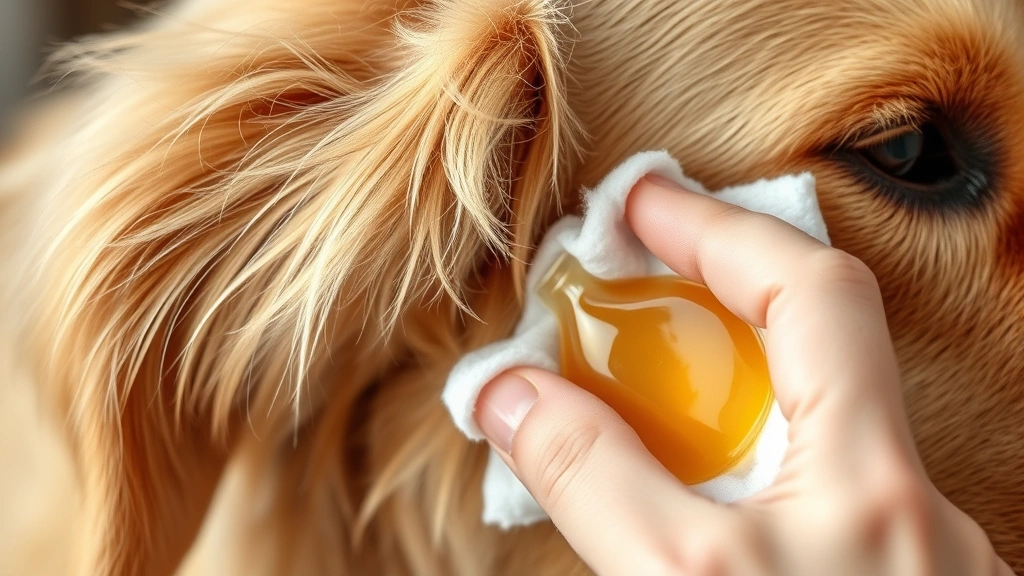
If your furry best friend has been scratching their ears like they’re auditioning for a heavy metal band, you’re not alone—home remedies for dog ear infection are something countless pet parents search for every single day. Dog ear infections are one of the most common reasons vets see pups in their clinics, and honestly? It makes sense. Dogs’ ears are basically little warm, moist caves that bacteria and yeast absolutely love to call home. The good news is that mild ear infections can often be managed at home with some tried-and-true natural remedies, though you’ll want to know when it’s time to call in the professionals.
Table of Contents
- Why Dogs Get Ear Infections in the First Place
- Remedy #1: Apple Cider Vinegar Rinse for Natural Cleansing
- Remedy #2: Coconut Oil: The Miracle Worker
- Remedy #3: Olive Oil with Garlic Infusion
- Remedy #4: Witch Hazel for Quick Relief
- Remedy #5: Probiotics and Diet Adjustments
- Signs You Need Professional Help (Not Just Home Remedies)
- Prevention: The Best Medicine
- When to Consider Professional Ear Cleaning
- Natural Remedies vs. Topical Medications
- Creating a Dog Ear Care Routine
- Frequently Asked Questions
- Conclusion: Taking Action Against Ear Infections
Why Dogs Get Ear Infections in the First Place
Before we dive into solutions, let’s understand the enemy. Dogs get ear infections for several reasons: moisture trapped in their ear canal (especially floppy-eared breeds), allergies, excess ear wax buildup, or pesky parasites like ear mites. Sometimes it’s a combination of these factors creating the perfect storm inside Fido’s ears. Certain breeds like Cocker Spaniels, Poodles, and Basset Hounds are more prone to ear issues because of their ear structure and hair density.
Remedy #1: Apple Cider Vinegar Rinse for Natural Cleansing
Apple cider vinegar is basically nature’s cleaning spray, and it works wonders for mild ear infections caused by bacteria or yeast. The acidity helps restore your dog’s ear pH balance while fighting off nasty microorganisms. Here’s the deal: mix equal parts raw, unfiltered apple cider vinegar with water. Soak a cotton ball in the solution and gently wipe the inside of your dog’s ear—not the ear canal itself, just the accessible parts. Do this once daily for about a week. Some pet parents swear by using a spray bottle, but honestly, the cotton ball method gives you better control and prevents liquid from going too deep. Your pup might shake their head like they just came out of the pool, but that’s totally normal. Just make sure you’re using the organic, unfiltered kind—the regular stuff won’t cut it.

Remedy #2: Coconut Oil: The Miracle Worker
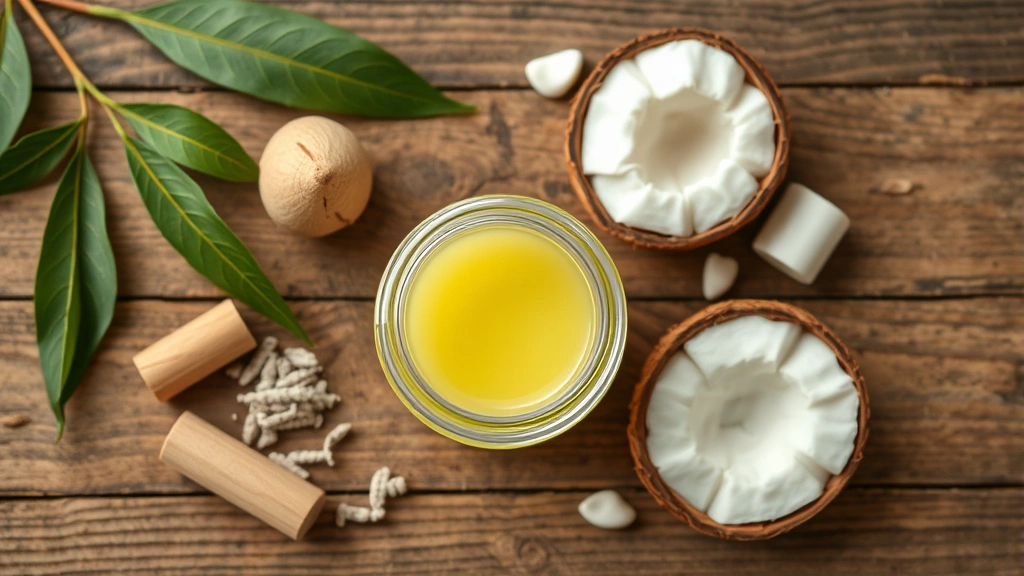
Coconut oil has natural antifungal and antibacterial properties that make it perfect for treating dog ear infections. Plus, it smells way better than vinegar, so your dog won’t give you that “seriously, human?” look. Warm a small amount of organic, extra-virgin coconut oil (just a few drops) until it’s comfortably warm—test it on your wrist first, like you’re checking a baby bottle. Gently massage it into the outer ear and let it sit for a few minutes. The oil will soften earwax and create an environment where yeast and bacteria struggle to survive. Do this 2-3 times daily for about a week. Pro tip: coconut oil also supports overall skin health, which can help prevent future infections. If you want to learn more about natural remedies, check out our guide on colloidal silver for dogs, which some vets recommend as a complementary treatment.
Remedy #3: Olive Oil with Garlic Infusion
Now, before you think we’re trying to make your dog smell like an Italian restaurant, hear us out. Garlic has powerful antimicrobial properties, and when infused in olive oil, it becomes a potent ear infection fighter. Take a few minced garlic cloves and let them soak in olive oil for a few hours (or overnight). Strain out the garlic pieces—you only want the infused oil. Apply a few drops to your dog’s ear using a dropper, 2-3 times daily. The combination of olive oil’s soothing properties and garlic’s antibacterial power creates a one-two punch against infection. Just make sure you’re not using this if your dog has a perforated eardrum, and always consult your vet if you’re unsure. This remedy works best for bacterial infections rather than yeast-related issues.
Remedy #4: Witch Hazel for Quick Relief
Witch hazel is an astringent that reduces inflammation and has mild antiseptic properties. It’s especially helpful if your dog’s ears are red, swollen, and itchy. Soak a cotton ball in witch hazel and gently clean the outer ear area once or twice daily. It won’t fix a serious infection on its own, but it’s fantastic for providing relief while other remedies do the heavy lifting. The best part? It dries quickly and doesn’t leave your dog’s ears feeling greasy. Many pet parents use this as a maintenance solution to prevent future infections, especially during humid months when moisture loves to hang out in ear canals.
Remedy #5: Probiotics and Diet Adjustments
Sometimes ear infections aren’t just about what’s going on in the ear—they’re about what’s happening inside your dog’s body. A strong immune system is your best defense against infections. Adding probiotics to your dog’s diet can help balance their gut bacteria and boost immunity. Look for dog-specific probiotic supplements and follow the dosage guidelines. Additionally, incorporating anti-inflammatory foods for pets into your pup’s diet can reduce overall inflammation and help their body fight infection naturally. Foods rich in omega-3 fatty acids like fish oil are particularly beneficial for skin and ear health.

Signs You Need Professional Help (Not Just Home Remedies)
Look, we love DIY solutions, but sometimes you need the pros. If your dog’s ear infection shows these warning signs, skip the home remedies and call your vet immediately: discharge that’s thick, yellow, or bloody; a foul smell coming from the ears; severe swelling or redness; your dog yelping when you touch their ear; or signs of a perforated eardrum like head tilting or balance issues. Chronic ear infections (happening more than twice yearly) also warrant professional attention because they often indicate underlying allergies or other health issues. You can always schedule a telehealth vet appointment if you want professional guidance without leaving home. According to the American Kennel Club, persistent ear infections can lead to serious complications if left untreated, so don’t mess around with severe cases.
Prevention: The Best Medicine
Now that you know how to treat ear infections, let’s talk about preventing them in the first place. Keep your dog’s ears dry—really dry. After baths or swimming, use a towel to gently dry their ears, and consider using a hair dryer on low heat if your pup tolerates it. Regular ear cleaning with a dog-safe cleanser can prevent buildup that creates infection-friendly environments. Pluck excess hair from your dog’s ear canal if they’re a hairy breed (your groomer can do this too). Manage allergies aggressively because allergic reactions often trigger ear infections. If your dog has recurring ear issues, ask your vet about dietary changes or allergy testing. Some dogs benefit from keeping their ears elevated during humid seasons to improve air circulation.

When to Consider Professional Ear Cleaning
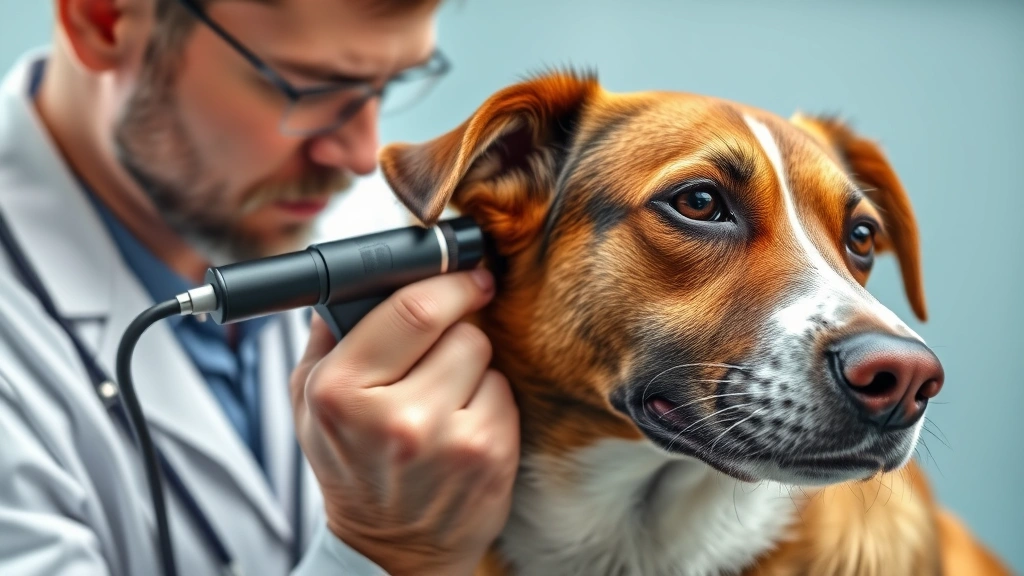
Your vet can perform a deep ear cleaning that you simply can’t replicate at home. If home remedies aren’t working after a week or two, professional cleaning might be exactly what your dog needs. A vet can also identify the specific cause of the infection—whether it’s bacterial, fungal, or parasitic—and recommend targeted treatment. Sometimes what looks like a simple ear infection is actually a symptom of allergies or other underlying conditions. If you have questions about whether your dog needs professional care, virtual vet consultation for diet questions services can connect you with experts who can assess your situation.
Natural Remedies vs. Topical Medications
Here’s the real talk: home remedies work great for mild, early-stage infections, but they’re not a replacement for veterinary medicine when things get serious. Natural doesn’t automatically mean better—it just means different. Some vets recommend combining home remedies with prescribed ear drops for faster results. If your vet recommends topical treatments, don’t skip them just because you prefer natural options. The goal is getting your pup comfortable again, and sometimes that requires professional-grade solutions. For more information on pet care products, check out our article on can I put Neosporin on my dog, which addresses common questions about topical treatments.

Creating a Dog Ear Care Routine
The best approach is creating a consistent ear care routine that prevents infections before they start. Weekly ear inspections should become part of your grooming ritual—look for redness, discharge, or unusual odor. Clean your dog’s ears monthly with a gentle, pH-balanced ear cleanser designed for dogs. Keep their environment clean and dry, especially if they spend time in water. Manage humidity in your home during summer months. If your dog is prone to ear infections, discuss preventative strategies with your vet. Some dogs benefit from regular probiotic supplementation and omega-3 fatty acids. Others need allergy management or dietary adjustments. Everyone’s dog is different, so work with your vet to create a personalized prevention plan.
Frequently Asked Questions
Can I use human ear drops on my dog?
No, absolutely not. Human ear drops contain ingredients that can be toxic to dogs, and they’re formulated for human ear anatomy. Always use dog-specific products or natural remedies that have been proven safe for canine ears. When in doubt, ask your vet before putting anything in your dog’s ears.

How long does it take for home remedies to work?
Most home remedies start showing improvement within 3-5 days if the infection is mild. You should see noticeable reduction in scratching and ear redness. If there’s no improvement after a week, or if things get worse, contact your vet. Severe infections typically require professional treatment and won’t respond adequately to home remedies alone.
Are ear mites contagious to other pets?
Yes, ear mites are highly contagious between pets. If one dog in your household has ear mites, all pets should be treated to prevent reinfection. Ear mites can also affect cats, so if you have multiple species at home, everyone needs attention. Your vet can prescribe the appropriate treatment for each pet.
What’s the difference between bacterial and yeast ear infections?
Bacterial infections often have a foul smell and yellow or greenish discharge, while yeast infections typically cause brown or black waxy buildup and a yeasty odor. Yeast infections are often itchier, while bacterial infections might be more painful. Your vet can identify which type your dog has and recommend appropriate treatment.
Can diet really prevent ear infections?
Absolutely. Dogs with allergies (often food-related) are more prone to ear infections because inflammation compromises their immune system. Eliminating allergens and adding anti-inflammatory foods can significantly reduce infection frequency. Omega-3 fatty acids specifically support ear health and reduce overall inflammation.
Is it safe to use cotton swabs in my dog’s ear canal?
Not recommended. Cotton swabs can push debris deeper into the ear canal or even damage the eardrum if your dog suddenly moves. Stick to cotton balls for gentle cleaning of the outer ear only. If you need to clean deeper, let your vet handle it with proper equipment and expertise.
Conclusion: Taking Action Against Ear Infections
Dog ear infections are frustrating for both you and your pup, but the good news is that home remedies for dog ear infection can be remarkably effective for mild cases. Apple cider vinegar rinses, coconut oil, garlic-infused olive oil, witch hazel, and dietary improvements represent solid first-line treatments that many pet parents swear by. However, remember that not all ear infections are created equal. Severe cases, recurring infections, or anything that doesn’t improve within a week deserves professional veterinary attention. The key is staying vigilant—check your dog’s ears regularly, maintain a clean and dry environment, manage allergies, and don’t hesitate to call your vet when something seems off. Your dog’s comfort and health are worth the peace of mind that comes with professional guidance. Start with these home remedies for mild infections, but always keep your vet in the loop. After all, the best remedy is prevention, and the best prevention is a combination of good home care and professional support when needed.





