

Your dog is scratching more than usual, losing weight despite eating normally, and their energy has tanked. You’re worried. The vet mentions hookworms in dogs, and suddenly you’re Googling at midnight wondering if your pup is in danger and what comes next. Here’s the real talk: hookworms in dogs are serious, but they’re also very treatable when you catch them early and follow through with prevention.
Hookworms are parasitic nematodes that attach to your dog’s small intestine and feed on blood. They’re common, especially in warm climates and puppies, and they spread through contaminated soil, feces, or even through the skin. The good news? With proper treatment and prevention, your dog will bounce back. Let me walk you through everything you need to know as a vet tech and dog owner.
What Are Hookworms in Dogs?
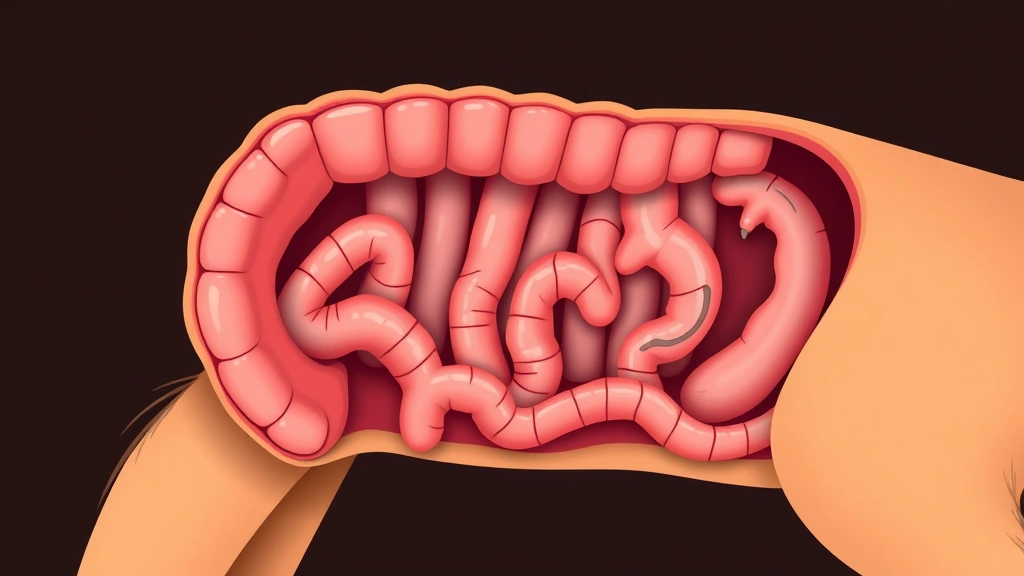
Hookworms in dogs are tiny parasites—we’re talking 1/4 inch to 1/2 inch long—that live in your dog’s small intestine. There are a few species that affect dogs in North America, with Ancylostoma caninum being the most common culprit. Think of them like tiny vampires: they clamp onto the intestinal wall and literally feed on your dog’s blood.
These parasites are sneaky. They reproduce inside your dog’s gut, and the eggs get passed through feces into the soil. From there, they can infect other dogs or even penetrate a dog’s skin directly if they’re walking barefoot through contaminated ground. Puppies can even get infected through their mother’s milk or while still in the womb.
According to the American Kennel Club, hookworms are one of the most common parasitic infections in dogs, especially in warm, humid climates where the parasites thrive. If you live in the South, Midwest, or anywhere with warm summers, your dog is at higher risk.
What makes hookworms in dogs particularly dangerous is the blood loss they cause. A heavily infected dog can become anemic quickly, which is why treatment can’t wait.
Signs and Symptoms of Hookworms in Dogs
The symptoms of hookworms in dogs depend on how many parasites your dog is carrying and how long they’ve been infected. Here’s what to watch for:
- Diarrhea – Often bloody or tarry-looking. If your dog suddenly has diarrhea, check out our guide on what to do if your dog has diarrhea for immediate steps.
- Pale gums – This is a sign of anemia from blood loss. Gently lift your dog’s lip and look at their gums; they should be pink, not pale or white.
- Weight loss – Your dog eats normally but keeps losing weight because the parasites are stealing nutrients.
- Lethargy – Your normally playful pup seems exhausted all the time.
- Poor coat quality – Their fur looks dull, matted, or unhealthy.
- Abdominal pain – Your dog may be tender around the belly or have a hunched posture.
- Anemia symptoms – Weakness, difficulty breathing, or collapse in severe cases.
Puppies with hookworms in dogs are especially at risk because their bodies are smaller and they have less blood volume to begin with. A puppy with a heavy worm load can become critically anemic within days.
Some dogs show almost no symptoms, especially if the infection is light. This is why regular fecal exams at your vet are so important—you can catch hookworms in dogs before your pup gets sick.
How Vets Diagnose Hookworms in Dogs
Your vet will diagnose hookworms in dogs using a fecal flotation test. Here’s how it works: you bring a fresh stool sample (ideally collected within a few hours), and the vet mixes it with a special solution that makes the parasite eggs float to the surface. Then they look under a microscope and can identify hookworm eggs.
The catch? If your dog has a light infection, the eggs might not show up on the first test. Your vet may ask you to bring samples on multiple days, or they might recommend treatment based on symptoms and risk factors even if the first test is negative.
Your vet might also do a blood test to check for anemia, especially if your dog is showing signs of pale gums or lethargy. This helps determine how aggressively the hookworms in dogs have affected your pup’s health.
Pro tip: Always bring a fresh stool sample to your dog’s annual exam, even if they seem healthy. Catching hookworms in dogs early means easier treatment and faster recovery.
Treatment Options for Hookworms in Dogs

The good news: hookworms in dogs respond really well to treatment. Your vet will prescribe an anthelmintic (dewormer) medication designed to kill the parasites. Common options include:
- Pyrantel pamoate – Often given as a liquid or tablet. Usually requires two doses, 2-3 weeks apart.
- Fenbendazole – A broader-spectrum dewormer that works against multiple parasite types. Typically given for 3-5 days.
- Milbemycin oxime – Found in products like Interceptor. Often used as a monthly preventative.
- Moxidectin – Another monthly option, sometimes combined with other medications.
Your vet will choose based on your dog’s age, weight, health status, and the severity of the infection. Don’t skip the follow-up dose—hookworms in dogs have a lifecycle, and the second treatment catches any worms that weren’t mature enough to be killed by the first dose.
Here’s the real talk: giving pills is hard. If your dog refuses tablets, ask your vet if liquid formulations are available. Some dogs respond better to those. You can also ask about mixing medication with food, though some dewormers work better on an empty stomach.
Safety Warning: Never buy dewormer online without a vet prescription. Some products are ineffective or unsafe. Hookworms in dogs need proper veterinary care, not guesswork.
After treatment, your dog should start feeling better within a few days. Energy returns, appetite improves, and diarrhea clears up. However, if your dog is severely anemic, your vet might recommend supportive care like iron supplements or even a blood transfusion in critical cases.
If your dog has diarrhea from the hookworms in dogs, our guide on what to feed dogs with diarrhea can help you choose bland, digestible options during recovery.
Prevention: The Best Defense Against Hookworms in Dogs
Prevention is easier and cheaper than treatment, so let’s talk about keeping hookworms in dogs away from your pup in the first place.
Monthly Preventatives: This is your strongest defense. Products like Heartgard Plus, Interceptor, or Simparica contain ingredients that kill hookworms before they can establish an infection. These are prescription-only, which is why your vet recommends them—they actually work.
Environmental Control: Hookworms in dogs live in soil, so:
- Pick up feces immediately from your yard. Seriously—don’t let it sit.
- Wash your dog’s paws after outdoor time, especially in warm months.
- Keep your yard clean and consider lime treatment if you have a heavy contamination history.
- Avoid letting your dog walk through areas where other dogs frequent without knowing their health status.
Sanitation: Wash your hands after handling your dog’s feces or their bedding. Hookworms in dogs can occasionally infect humans through skin contact, though it’s rare. Still, good hygiene protects everyone.
Regular Fecal Exams: Even if your dog is on prevention, your vet should check a stool sample annually. Some hookworm strains are developing resistance to certain drugs, so staying vigilant matters.
According to PetMD’s parasite guide, year-round prevention is recommended for dogs in warm climates, since hookworms in dogs can survive outdoors longer in those areas.
Travel Precautions: If you’re traveling with your dog, research the area. Hookworms in dogs are more common in certain regions. Keep your dog off unfamiliar soil when possible, and always have preventative medication on hand.
Special Considerations for Puppies
Puppies are especially vulnerable to hookworms in dogs because they can be infected before birth or through nursing. Here’s what you need to know:
Early Deworming: Puppies should be dewormed starting at 2-3 weeks of age, then every 2 weeks until they’re 12 weeks old, then monthly until 6 months. After that, they follow the adult prevention schedule. Your vet will have a specific protocol based on your puppy’s risk factors.
Maternal Infection: If the mother dog had hookworms in dogs during pregnancy, the puppies are almost certainly infected. This is why responsible breeders test and treat pregnant dogs.
Severity in Puppies: A puppy with hookworms in dogs can deteriorate fast. Their small body means even a moderate worm load causes significant anemia. If you notice a puppy with bloody diarrhea, pale gums, or unusual lethargy, get to the vet immediately.
Nutrition Matters: Puppies with hookworms in dogs need high-quality food to support healing and growth. Their bodies are trying to build while fighting infection, so skip the cheap kibble during this time.
Supporting Your Dog’s Recovery from Hookworms
After your vet prescribes treatment for hookworms in dogs, your job is to support recovery. Here’s how:
Nutrition: Feed a high-quality, easily digestible diet. If your dog has diarrhea, follow our recommendations for bland, gut-friendly foods. Boiled chicken and rice are classics for a reason. Once your dog stabilizes, gradually transition back to their regular food over a week or so.
Rest: Your dog will be tired during recovery. Let them rest. Avoid intense exercise or training until they’ve regained their energy and the vet gives the all-clear.
Hydration: Make sure fresh water is always available. Diarrhea and blood loss can dehydrate your dog quickly.
Iron Support: If your vet prescribed iron supplements for anemia, give them as directed. Iron helps rebuild your dog’s red blood cell count. Some iron supplements can cause dark stools, which is normal.
Follow-Up Appointment: Schedule a recheck with your vet 2-3 weeks after treatment starts. They may do another fecal test to confirm the hookworms in dogs are gone and check your dog’s overall recovery.
Parasite Prevention: Start your dog on a monthly preventative immediately after treatment. Don’t wait—hookworms in dogs can come back if you’re not vigilant.
One more thing: if you have multiple dogs, treat them all, even if only one tested positive. Hookworms in dogs spread easily between housemates, and you don’t want a reinfection cycle.
Frequently Asked Questions
Can hookworms in dogs spread to humans?
– Hookworms in dogs can occasionally penetrate human skin, causing a condition called cutaneous larva migrans (basically a rash that moves). It’s rare and usually self-limiting, but it happens. Wear shoes in your yard, wash your hands after handling dog feces, and you’ll be fine. The risk is low compared to other parasites.
How long does it take to get rid of hookworms in dogs?
– Treatment itself takes a few days to a week, but full recovery can take 2-4 weeks depending on severity. Your dog should feel noticeably better within 3-5 days of the first dewormer dose. If they’re not improving after a week, call your vet.
Are hookworms in dogs contagious to other dogs?
– Absolutely. Hookworms in dogs spread through contaminated soil and feces. If your dog has hookworms, keep them away from other dogs’ areas until they’ve been treated and you’ve done a follow-up fecal test showing they’re clear.
Can I prevent hookworms in dogs without prescription medication?
– Not reliably. Over-the-counter dewormers and “natural” remedies are inconsistent and often ineffective. Prescription monthly preventatives are your best bet. Yes, they cost money, but they work, and they’re cheaper than treating a sick dog.
What if my dog keeps getting hookworms in dogs?
– If reinfection happens, you have a few issues to address: your dog may not be on consistent prevention, your yard may be heavily contaminated, or there’s a source of reinfection (like a contaminated dog park). Talk to your vet about environmental treatment options and whether your dog needs more frequent deworming temporarily.
Do indoor dogs need protection from hookworms in dogs?
– Even indoor dogs can get hookworms in dogs if they track contaminated soil inside on their paws or if they’ve had outdoor exposure. Most vets recommend year-round prevention for all dogs, regardless of lifestyle.
Is there a vaccine for hookworms in dogs?
– No vaccine exists for hookworms in dogs. Prevention through monthly medication and good sanitation is your only option. This is why your vet harps on prevention—it’s the only tool you have.
Can hookworms in dogs cause other health problems?
– Severe hookworm infections can lead to anemia, malnutrition, and secondary infections if your dog’s immune system is compromised. In puppies or elderly dogs, complications can be serious. Treat hookworms in dogs promptly to avoid these issues.
External Authority Links Included:





