
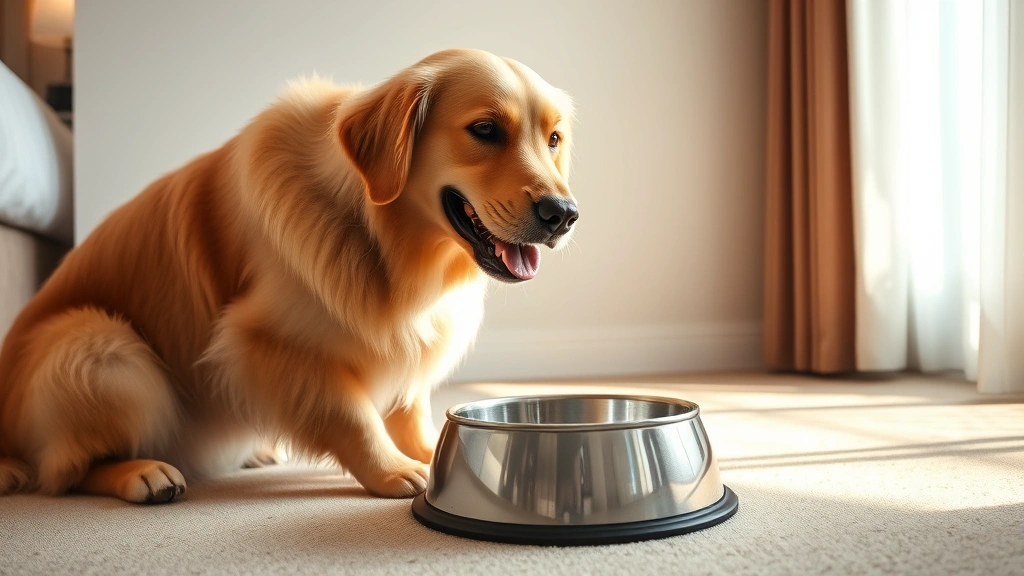
When you’re planning a getaway and your furry friend is tagging along, hotel feeding for pets becomes one of your biggest responsibilities. Whether you’re staying at a pet-friendly resort or managing meals in a standard hotel room, getting your pet’s nutrition right while traveling can make or break your vacation. Nobody wants their beloved companion getting an upset stomach or refusing to eat in an unfamiliar environment.
Table of Contents
- Why Hotel Feeding for Pets Is Different From Home Feeding
- Tip #1: Pack Your Pet’s Regular Food (Don’t Switch Brands Mid-Trip)
- Tip #2: Maintain a Consistent Feeding Schedule (Routine Is Everything)
- Tip #3: Measure Portions Carefully (Portion Creep Is Real)
- Tip #4: Set Up a Dedicated Feeding Station in Your Room
- Tip #5: Monitor Your Pet’s Appetite and Adjust as Needed
- Understanding Your Pet’s Specific Needs During Hotel Stays
- What to Do If Your Pet Gets Sick From Hotel Food Changes
- Pro Tips From Experienced Pet Travelers
- Frequently Asked Questions
- Conclusion: Keep Your Pet Healthy and Happy While Traveling
The truth is, many pet owners underestimate how much their animals’ feeding routines matter when traveling. Your dog or cat thrives on consistency, and hotels? Well, they’re anything but consistent. Different water quality, strange smells, stress from travel, and disrupted schedules can all mess with your pet’s appetite and digestion. But don’t worry—we’ve got you covered with practical strategies to keep your pet happy, healthy, and well-fed throughout your hotel stay.
Why Hotel Feeding for Pets Is Different From Home Feeding
Your pet’s home environment is predictable. They eat at the same time, in the same spot, with the same bowls, surrounded by familiar scents. A hotel room? That’s basically the opposite of everything your pet knows. The stress of travel, combined with unfamiliar surroundings, can cause appetite changes that would never happen at home.
Beyond the psychological aspect, there’s the practical side. Hotel rooms often lack proper food storage, climate control for perishables, and designated feeding areas. Water quality differs from city to city, which can upset sensitive stomachs. Even the air pressure changes during travel can affect your pet’s digestive system. Understanding these differences helps you prepare better and anticipate potential feeding challenges.
Tip #1: Pack Your Pet’s Regular Food (Don’t Switch Brands Mid-Trip)
This is non-negotiable. Bring enough of your pet’s regular food for the entire hotel stay, plus a few extra days’ worth just in case. Switching brands or food types while traveling is asking for digestive disaster—think diarrhea, vomiting, and a very unhappy pet.
Your pet’s digestive system is sensitive to sudden changes. Even if the hotel offers pet food or you find a local pet store, your animal’s stomach needs consistency. Pack your food in airtight containers to keep it fresh and prevent spills in your luggage. Label everything clearly with your pet’s name and feeding instructions. This approach aligns perfectly with our Pet Food Consistency guide, which emphasizes how crucial stable nutrition is during transitions.
Pro tip: Bring your pet’s regular water too if they’re particularly sensitive. Some pets react badly to chlorinated hotel water, so having familiar water from home can prevent digestive upset.
Tip #2: Maintain a Consistent Feeding Schedule (Routine Is Everything)
Hotels disrupt routines, but you need to fight back by keeping feeding times as consistent as possible. If your dog normally eats at 7 AM and 6 PM, stick to that schedule even if you’re tempted to sleep in or hit the town.
Consistency helps your pet’s digestive system function normally and reduces stress. When animals know when they’ll eat, they feel more secure in unfamiliar environments. Set phone reminders if you need to, and plan your hotel activities around your pet’s feeding times. This might sound rigid, but your pet will thank you with normal digestion and less anxiety.
Our Timed Feeding for Pets article dives deeper into how scheduling impacts your pet’s overall behavior and health during travel. The science backs it up: animals with predictable feeding times experience less travel-related stress.
Tip #3: Measure Portions Carefully (Portion Creep Is Real)
When you’re on vacation, it’s easy to get sloppy with measurements. You eyeball the kibble, maybe add a little extra because your pet looks at you with those sad eyes, and suddenly you’re overfeeding. This is especially problematic in hotels where your pet is likely less active than at home.
Bring a measuring cup or use your phone to photograph your pet’s normal portion sizes before you leave home. Check out our Measuring Pet Food guide for detailed portion information. Overfeeding can lead to weight gain, digestive issues, and increased bathroom needs—the last thing you want when confined to a hotel room.
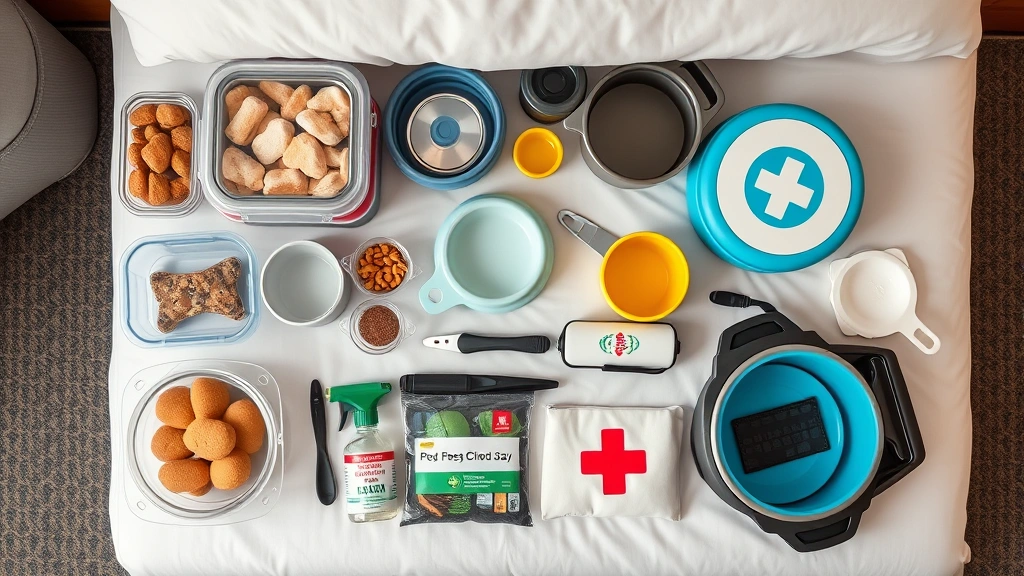
Keep a simple feeding log on your phone. Note what time you fed your pet, how much, and any observations about their appetite or digestion. This data helps you spot problems early and ensures consistency across multiple days.
Tip #4: Set Up a Dedicated Feeding Station in Your Room
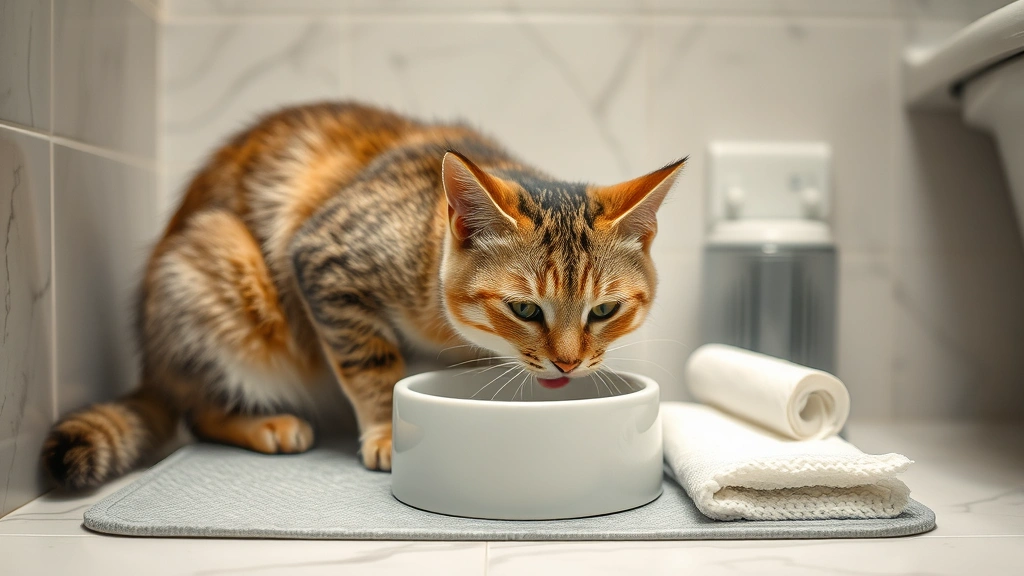
Designate a specific corner of your hotel room as the feeding area. Use a washable mat to define the space and protect the floor. This creates a familiar routine that helps your pet understand when and where meals happen, reducing anxiety around feeding time.
Keep food and water bowls in the same spot every day. If your hotel allows it, use the bathroom as your feeding station—it’s easier to clean up spills and contains messes. Make sure the area is away from your sleeping area and any furniture your pet might have accidents on if their digestion gets upset.
Bring collapsible bowls designed for travel. They save space in your luggage and are easy to clean. Keep paper towels nearby for quick cleanups, and dispose of uneaten food promptly to prevent odors and pest issues that could get you in trouble with hotel management.
Tip #5: Monitor Your Pet’s Appetite and Adjust as Needed
Some pets eat perfectly fine in hotels; others become picky eaters the moment you check in. Watch your pet closely during the first meal and adjust your approach if needed. If your pet isn’t eating, don’t panic—it’s often just stress-related.
Try warming their food slightly (if it’s wet food) to make it more appealing. Some pets respond better to hand-feeding or eating in a quieter area. If your pet refuses food for more than 24 hours, that’s when you should consider contacting a vet.
Consider our Travel Anxiety Supplements if your pet struggles with stress-related appetite loss. Calming supplements designed for travel can help anxious pets relax enough to eat normally. Additionally, the Pet Travel Supplements guide offers comprehensive information about supporting your pet’s nutrition and wellness during trips.
Understanding Your Pet’s Specific Needs During Hotel Stays
Different pets have different requirements. Senior pets might need softer food or more frequent smaller meals. Puppies and kittens need more calories and possibly different feeding frequencies. Dogs with medical conditions might require prescription diets that absolutely cannot be compromised.
Before your trip, consult your veterinarian about your pet’s specific needs during travel. They might recommend digestive enzymes, probiotics, or other supplements to support your pet’s gut health. This is especially important if your pet has a history of digestive issues or anxiety-related feeding problems.
What to Do If Your Pet Gets Sick From Hotel Food Changes
Despite your best efforts, sometimes pets still get upset stomachs. Pack a basic pet first-aid kit including bland foods (plain boiled chicken or rice), anti-diarrheal medication approved by your vet, and any prescription medications your pet takes. Know the location of emergency veterinary clinics near your hotel before you arrive.
If your pet experiences vomiting or diarrhea lasting more than a few hours, contact a vet immediately. Dehydration can happen quickly in pets, especially in unfamiliar environments where stress compounds digestive issues. It’s better to be overly cautious and get professional advice than to hope the problem resolves itself.
Pro Tips From Experienced Pet Travelers
Experienced pet owners swear by these additional strategies: bring your pet’s favorite treats to create positive associations with the hotel room, set up a comfortable sleeping area away from the feeding station, and maintain regular exercise schedules to keep your pet’s digestion on track.
Some hotels offer pet-sitting services—use them if your pet gets anxious when you leave. A familiar face checking in on feeding time can reduce stress significantly. Also, don’t underestimate the power of your own presence. Eating together, even if you’re just having coffee while your pet eats, can make the experience less stressful for anxious animals.
Frequently Asked Questions
Can I feed my pet hotel food instead of bringing their own?
We strongly advise against it. Hotel food isn’t formulated for your pet’s specific nutritional needs, and the sudden dietary change can cause serious digestive upset. Always bring your pet’s regular food from home.
What if my pet refuses to eat in the hotel room?
This is usually stress-related and temporary. Try warming wet food, hand-feeding, or eating in a different room. If your pet refuses food for more than 24 hours, contact a veterinarian. Stress-related appetite loss is common but shouldn’t be ignored.
How do I prevent my pet from getting diarrhea during hotel stays?
Maintain consistent feeding schedules, use the same food they eat at home, provide familiar water, and consider digestive supplements recommended by your vet. These steps minimize stress-related digestive issues.
Should I change my pet’s feeding schedule to match my vacation plans?
No. Stick to your pet’s normal feeding times as closely as possible. Your pet’s digestive system depends on this consistency, and changing it adds unnecessary stress during an already stressful situation.
What’s the best way to store pet food in a hotel room?
Use airtight containers to keep food fresh and prevent spills. If the hotel has a mini-fridge, store wet food there. Keep dry food in sealed containers away from moisture and pests. Label everything clearly.
Conclusion: Keep Your Pet Healthy and Happy While Traveling
Hotel feeding for pets doesn’t have to be complicated. By bringing familiar food, maintaining consistent schedules, measuring portions carefully, creating a dedicated feeding station, and monitoring your pet’s appetite, you’ll set your furry friend up for success. Remember that travel stress affects your pet’s eating habits, so patience and consistency are your best tools.
Your pet depends on you to maintain their health and comfort, even when you’re away from home. These five essential tips ensure that nutrition stays on track and your hotel stay remains enjoyable for everyone involved. Pack smart, plan ahead, and your pet will handle hotel stays like a seasoned traveler. Safe travels!





