

A hotel for homeless dogs isn’t your typical five-star resort with turndown service and complimentary robes—though some pups might argue they deserve it. These facilities, commonly known as animal shelters and rescue organizations, serve as temporary (and sometimes permanent) homes for dogs who’ve lost their way, been abandoned, or are waiting for their forever families. Whether you’re curious about how shelters operate, considering volunteering, or looking to adopt, this guide breaks down everything you need to know about canine care facilities.
Table of Contents
- What Exactly Is a Hotel for Homeless Dogs?
- The Daily Operations: What Happens Behind the Scenes
- Housing and Shelter Accommodations for Rescue Dogs
- Medical Care: The Veterinary Side of Shelter Operations
- Nutrition and Feeding Protocols for Shelter Dogs
- Behavioral Assessment and Socialization Programs
- Enrichment Activities: Keeping Shelter Dogs Mentally Stimulated
- The Adoption Process: Matching Dogs with Forever Families
- Financial Reality: How Shelters Stay Afloat
- Challenges Shelters Face Daily
- How to Support Your Local Shelter
- Frequently Asked Questions
- Conclusion: The Heart of Animal Welfare
What Exactly Is a Hotel for Homeless Dogs?
Think of a shelter as a combination between a veterinary clinic, a boarding facility, and a matchmaking service. These establishments provide safe housing, medical care, food, and socialization for dogs in need. The primary mission? Get these four-legged residents healthy, happy, and adopted into loving homes. Some facilities focus on temporary stays, while others operate as long-term sanctuaries. According to the ASPCA, millions of dogs enter shelters annually, making these organizations absolutely critical to animal welfare.
The Daily Operations: What Happens Behind the Scenes
When a dog arrives at a shelter, it’s not immediately thrown into a kennel. There’s a whole process. Staff conduct intake evaluations, check for microchips, assess the dog’s health status, and evaluate temperament. This is where proper pet nutrition advice comes into play—many incoming dogs are malnourished or have dietary issues requiring specialized attention. Shelter workers document everything: breed, age, behavioral quirks, medical history. It’s detective work meets animal care, and it’s exhausting but rewarding.
Housing and Shelter Accommodations for Rescue Dogs
Modern shelters have come a long way from cramped concrete kennels. Progressive facilities now feature climate-controlled housing, outdoor play areas, and enrichment activities. Each dog gets a designated space—sometimes individual kennels, sometimes shared areas depending on temperament compatibility. The best shelters recognize that environmental stress affects behavior, so they provide toys, blankets, and quiet zones. Rescue dogs often arrive traumatized, so comfortable housing isn’t just nice; it’s therapeutic.
Medical Care: The Veterinary Side of Shelter Operations
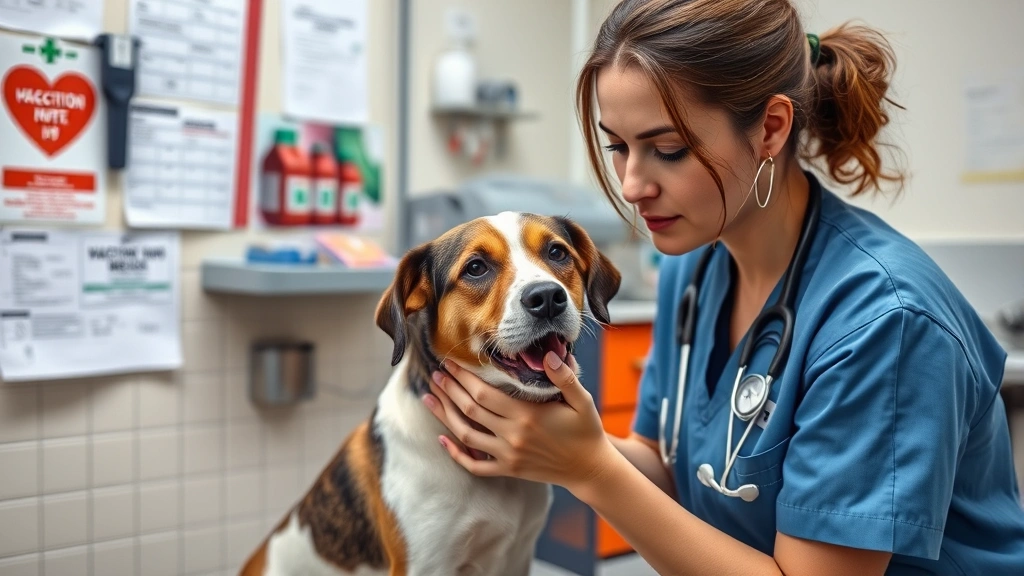
Every dog entering a shelter receives veterinary attention. This includes vaccinations, parasite prevention, spaying or neutering, and treatment for injuries or illnesses. Many shelters partner with local veterinarians or employ full-time vets. The American Animal Hospital Association sets standards for shelter medical care that reputable facilities follow religiously. Dogs with chronic conditions like diabetes or arthritis receive ongoing management—it’s expensive, but shelters prioritize animal welfare over profit margins.
Nutrition and Feeding Protocols for Shelter Dogs
You can’t just dump any kibble into a bowl and call it good. Shelters develop feeding plans based on individual needs. Senior dogs might need softer food or joint supplements. Puppies require high-calorie, nutrient-dense diets for growth. Dogs with digestive issues benefit from bland diet recipes for sick pets. Staff monitor weight, energy levels, and coat condition. Some shelters even offer healthy pet treats for training and enrichment. Proper nutrition isn’t just about survival—it’s about helping dogs thrive during their shelter stay.
Behavioral Assessment and Socialization Programs
Not all dogs arriving at shelters are friendly or well-adjusted. Some are fearful, aggressive, or have never been properly socialized. This is where behavioral specialists step in. They assess each dog’s temperament, identify triggers, and develop training plans. Socialization programs help dogs learn to interact with humans, other animals, and their environment. A dog that arrives aggressive might become a gentle family pet through consistent, patient work. It’s transformation at its finest, and it directly impacts adoptability.
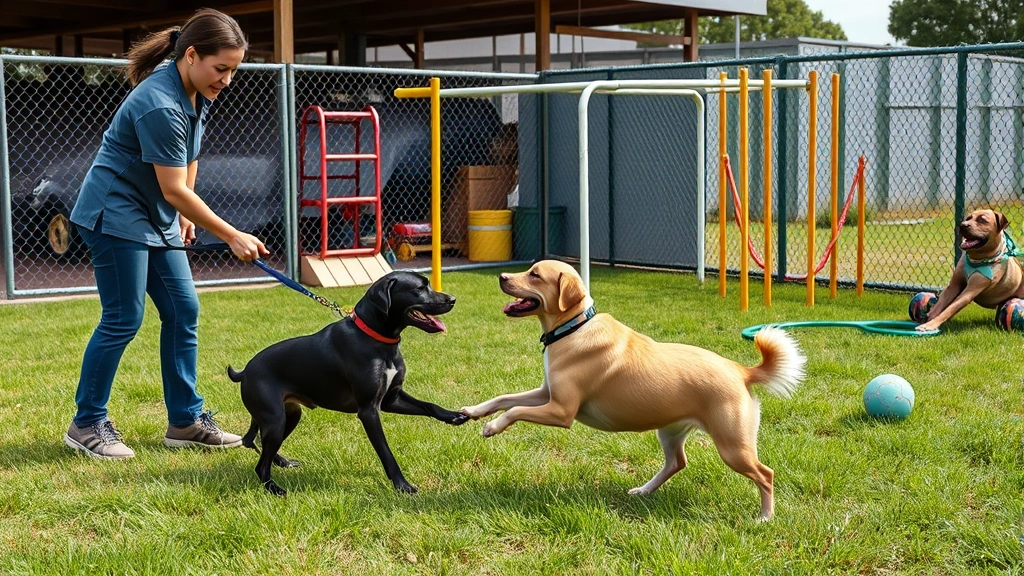
Enrichment Activities: Keeping Shelter Dogs Mentally Stimulated
Boredom is a killer in shelters—literally and figuratively. Bored dogs develop behavioral problems, anxiety, and depression. That’s why quality shelters invest in enrichment: puzzle toys, training sessions, play groups, and volunteer interaction time. Some facilities even have dog parks or agility equipment. Think of it as recreational therapy. A Coonhound dog with high prey drive needs different enrichment than a laid-back senior Beagle. Tailored activities keep minds sharp and spirits high.
The Adoption Process: Matching Dogs with Forever Families
A hotel for homeless dogs ultimately aims for one outcome: adoption. The adoption process typically involves an application, interview, and home visit. Staff match dogs with suitable families based on lifestyle, living situation, and experience level. A high-energy Border Collie won’t thrive with a sedentary senior, so good shelters make thoughtful placements. Post-adoption support is increasingly common too—many shelters offer training resources, behavioral consultations, and return policies if things don’t work out.
Financial Reality: How Shelters Stay Afloat
Running a shelter is expensive. According to the PetMD, annual shelter costs can exceed millions of dollars. Funding comes from adoption fees, donations, grants, and government support. Adoption fees (typically $50-$300) help offset costs but rarely cover everything. Staff often work for below-market wages because they’re passionate about the mission. Volunteers are the backbone—without them, many shelters couldn’t function. If you love dogs, supporting your local shelter financially or through volunteering directly impacts how many dogs can be helped.
Challenges Shelters Face Daily
Let’s be real: shelters deal with heartbreak regularly. Overcrowding is a persistent issue. Staff witness animal cruelty cases. Resources are perpetually stretched thin. Euthanasia, though less common in no-kill facilities, remains a reality in some regions when resources can’t accommodate all animals. Staff experience compassion fatigue. Behavioral and medical issues can be overwhelming. Yet despite these challenges, shelter workers show up every day, motivated by love for animals and belief in the mission. It’s genuinely inspiring and genuinely difficult.
How to Support Your Local Shelter
Want to help? Options abound. Adopt from a shelter instead of buying from breeders. Volunteer your time—even a few hours monthly makes a difference. Donate supplies, money, or food. Foster dogs to free up shelter space and provide them temporary homes. Share shelter animals on social media to increase adoption visibility. Advocate for animal welfare legislation. Educate others about shelter importance. Every action, no matter how small, contributes to the mission of caring for homeless dogs.
Frequently Asked Questions
How long can a dog stay in a shelter?
Stay duration varies by facility and local laws. Some shelters hold animals for 3-7 days before potential euthanasia (though this is declining). No-kill shelters keep animals indefinitely until adoption. Average stays range from 2-6 weeks, though some dogs stay months or longer, especially those with behavioral or medical issues.
Are shelter dogs healthy?
Most shelter dogs receive veterinary care and vaccinations, so health-wise they’re generally safe. However, stress and previous neglect can cause issues. Dogs may have parasites, skin conditions, or behavioral problems from trauma. Reputable shelters disclose known health issues and provide medical records to adopters.
Can you return a dog to the shelter?
Yes, most shelters accept returns, though policies vary. Some charge restocking fees; others don’t. Return reasons might be incompatibility, unexpected medical issues, or lifestyle changes. Good shelters work with adopters to problem-solve before accepting returns, ensuring dogs only return if truly necessary.
What’s the difference between a shelter and a rescue?
Shelters are typically municipal or large non-profits accepting any animal. Rescues are usually breed-specific or specialized organizations. Rescues often provide more individualized care and smaller-scale operations. Both serve crucial roles in animal welfare.
How do shelters decide which dogs to adopt out?
Staff assess each dog’s behavior, medical status, and needs. Dangerous dogs might not be adoptable. Dogs with medical issues might only go to experienced owners. Puppies and friendly adults are typically easiest to place. Staff match dogs to families based on compatibility, not just first-come, first-served.
Conclusion: The Heart of Animal Welfare
A hotel for homeless dogs represents more than just a facility—it’s a lifeline for animals in crisis. These organizations provide medical care, behavioral rehabilitation, socialization, and hope. They’re staffed by passionate individuals working against overwhelming odds to ensure every dog gets a second chance. Whether you’re adopting, volunteering, or donating, supporting shelters directly impacts countless lives. The next time you see a shelter dog, remember: that animal survived abandonment, neglect, or tragedy and is now getting the care and attention it deserves. That’s the real magic of a shelter.





